Akshaye Khanna's Nod to Sunny Deol Stirs 90s Bollywood Nostalgia
A warm remark from Akshaye Khanna about Sunny Deol has revived affection for Bollywood's 1990s generation, showing how memory and mutual respect still power Hindi cinema's news cycle between big releases.
Commentary & Analysis ·
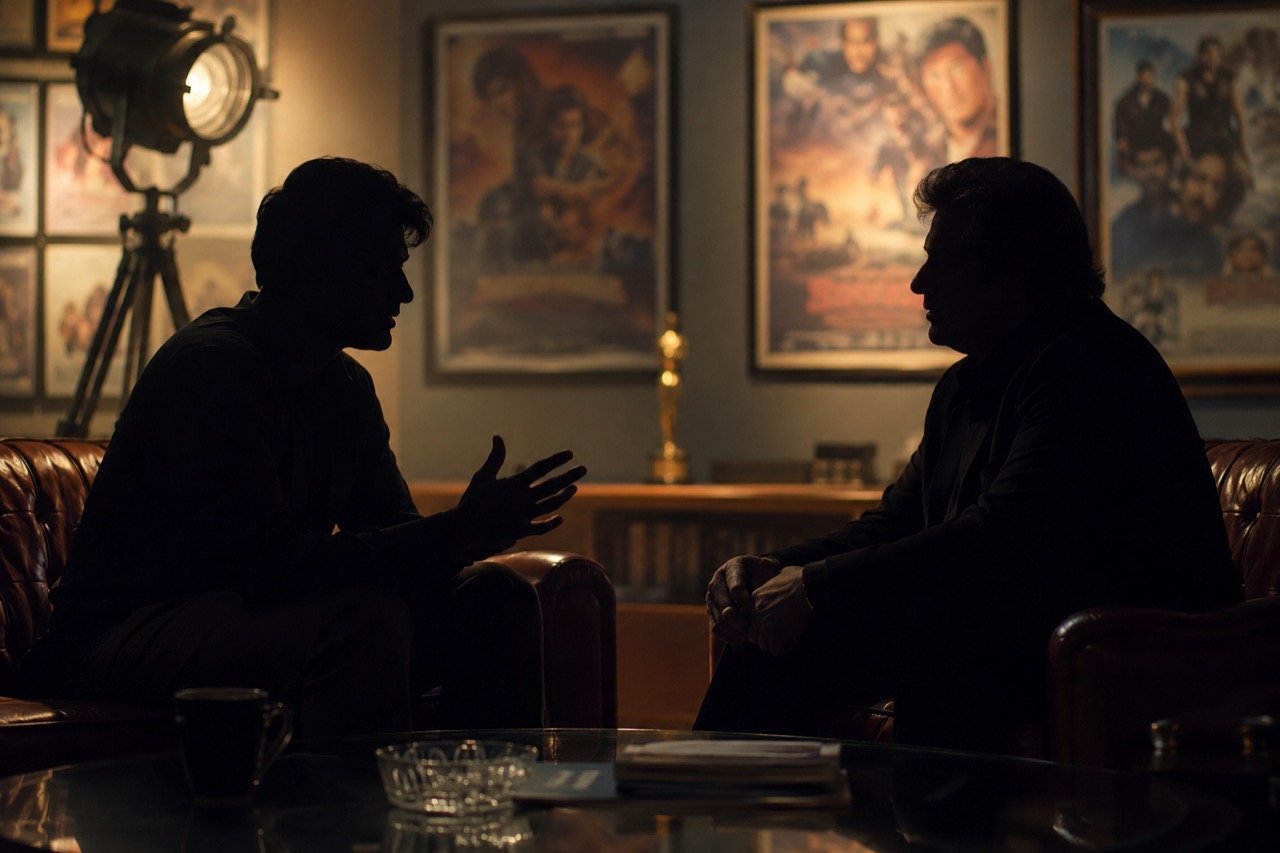
A brief but warm expression of regard from Akshaye Khanna for Sunny Deol has become one of the week's talked-about entertainment items, reviving a familiar Bollywood theme: the enduring hold of 1990s stars on audiences who grew up with their films. Coverage framed the remark around the respect associated with a generation of actors who rose before the social-media-first era. That framing is why a single compliment travels so far. It taps into generational fandom and the ongoing re-evaluation of older screen identities by today's viewers, at a moment when the Hindi film industry is otherwise consumed by release calendars, box-office arithmetic and the churn of promotional appearances.
Why a small remark travels so far
On the surface, an actor praising a senior colleague is unremarkable. What makes this instance noteworthy is the specific pairing and the cultural weight both names carry. Akshaye Khanna and Sunny Deol belong to overlapping but distinct eras of Hindi cinema, and any exchange of regard between them inevitably gets read against the backdrop of that shared history. Entertainment reporting thrives on precisely this kind of resonance: a remark becomes a story not because it is dramatic, but because it activates memory. Readers who followed either actor's career across decades bring their own associations to the moment, and that emotional investment is what converts a passing comment into sustained conversation across outlets and social platforms.
It is also worth noting how efficiently such items now circulate. A single line from an interview can be lifted, clipped and reshared across formats within hours, reaching audiences who may never see the original conversation in full. The compliment itself is simple, but the machinery around it, aggregation, social sharing, comment sections, does much of the work of amplification.
Two very different screen traditions
Part of the appeal lies in the contrast between the two men. Sunny Deol's action-star image has always rested on intensity, moral certainty and physical presence, the kind of screen persona built on righteous anger and unambiguous heroism that defined a strand of Hindi commercial cinema through the 1990s. Akshaye Khanna, by contrast, built his reputation on restraint, sharpness and offbeat timing, often working in registers that rewarded subtlety over spectacle. A remark linking them invites readers to think about the varied acting traditions that coexist within mainstream Hindi cinema, and to consider how differently these two approaches to performance have aged in the eyes of contemporary audiences.
This contrast matters beyond mere trivia. Indian cinema has long contained multiple, sometimes competing, ideas of what makes a compelling screen presence, and the coexistence of these approaches within a single industry, and within a single generation of actors, is part of what gives Bollywood's history its texture. When one tradition publicly acknowledges the other, it quietly reaffirms that both have earned a lasting place in the collective memory of Hindi film audiences.
Entertainment news as a vessel for memory
The moment also illustrates how entertainment news makes room for memory between release announcements. Not every trending item is a box-office report or a controversy; sometimes an interview line matters because it lets audiences revisit older films and recalibrate reputations, an exercise that is easier than ever now that streaming has made past performances newly accessible. A viewer who encounters this story might go on to rewatch a film from either actor's back catalogue, prompted less by marketing than by a reminder that the work is still there, still available, and still worth revisiting.
This function of entertainment journalism, curating and reviving memory rather than simply reporting the new, is often underappreciated. Yet it plays a real role in shaping how audiences continue to engage with an industry's history long after a film's theatrical run has ended. It also gives older performers continued relevance in a media environment that otherwise privileges whatever is newest.
The commercial layer beneath the nostalgia
There is a commercial layer too. Nostalgia increasingly shapes casting, marketing and franchise strategy, and actors from earlier decades are routinely brought back into conversation through sequels, legacy roles and fan edits. Respectful exchanges between stars can act as soft signals of continuity within the industry, reassuring audiences that the connective tissue between past and present cinema remains intact even as new faces dominate release slates.
For studios and producers, this dynamic is not incidental. A generation of viewers that grew up on 1990s cinema now occupies a meaningful share of ticket-buying and streaming-subscribing audiences, and their continued affection for stars of that period is a resource that can be, and often is, deliberately cultivated. Whether through anniversary re-releases, legacy sequels or simply the recirculation of old interviews, the industry has learned that nostalgia is not merely sentiment; it is also, quietly, a business input.
The NE Times View
This is a small story, but it says something real about how Indian audiences relate to their film history. Bollywood's news cycle is not powered only by what is new; it is powered equally by what viewers are ready to remember, and the 1990s generation clearly retains that emotional currency. There is also a lesson for the industry: goodwill between actors, expressed plainly and without a promotional agenda, often earns more genuine attention than manufactured buzz. As nostalgia becomes a business strategy, moments of sincere respect like this one are worth distinguishing from the marketing that imitates them. The distinction matters because audiences, over time, tend to notice the difference between a spontaneous gesture of regard and a calculated one, and their trust in an industry's storytelling depends partly on that discernment being respected rather than exploited.
What is worth watching next is whether this kind of generational cross-referencing becomes more frequent as more 1990s-era actors reach a career stage where reflection and tribute, rather than competition, define their public interactions. If it does, it will likely continue to function as a low-cost, high-resonance way for the industry to keep older audiences engaged while the commercial spotlight remains on newer releases.
Key takeaways
- A brief remark of respect from Akshaye Khanna towards Sunny Deol has drawn attention by reviving nostalgia for 1990s Bollywood stars.
- The pairing highlights two contrasting acting traditions within Hindi cinema: Deol's intensity-driven action persona and Khanna's understated, offbeat style.
- Streaming access has made it easier for audiences to revisit older performances, giving such moments added resonance.
- Nostalgia is increasingly a deliberate commercial strategy in casting, marketing and franchise decisions, not merely an emotional byproduct.
- The NE Times View: sincere, unpromoted expressions of respect between actors deserve to be distinguished from manufactured nostalgia marketing.
You may also like to read

Ikka Trailer: Sunny Deol, Akshaye Khanna Clash In Netflix Drama
The trailer for Netflix courtroom drama Ikka pits Sunny Deol against Akshaye Khanna in a morally charged legal battle, reigniting a screen pairing that has Hindi cinema audiences talking.
Zeenat Aman on the Gaze That Framed Her Bollywood Stardom
Zeenat Aman's candid remarks about directors prizing her glamour over her intellect have reopened a wider reckoning with how Hindi cinema packaged its women stars and who controlled their image.
June 2026 Becomes Bollywood's Most Crowded Box-Office Month
A pile-up of Hindi releases across four consecutive Fridays, sharing screens with major Hollywood titles, has turned June into the year's most contested theatrical window.
Akshaye Khanna's Ikka Set Discipline Praised by Director
A director's anecdote about Akshaye Khanna arriving prepared before co-star Sunny Deol has given the Netflix India thriller Ikka a craft-led talking point ahead of its streaming release.
More from this section
More
72nd National Film Awards: Fans Back Mammootty, Allu Arjun, Sai Pallavi
Speculation around the 72nd National Film Awards is intensifying as fan communities across India's language film industries champion favourites including Mammootty, Allu Arjun and Sai Pallavi ahead of any official announcement.

Aamir Khan Marries Gauri Spratt in Private Pali Hill Ceremony
Aamir Khan and Gauri Spratt tied the knot at the actor's Pali Hill home in Mumbai on July 5, turning a deliberately small family ceremony into Bollywood's biggest story of the day.

Akanksha Chamola's Lock Upp 2 Confession Sets Reality TV Abuzz
A personal revelation by Akanksha Chamola ahead of Lock Upp 2 has handed the reality show a viral talking point, underlining how confession-driven formats continue to dominate Indian television conversation.