Zeenat Aman on the Gaze That Framed Her Bollywood Stardom
Zeenat Aman's candid remarks about directors prizing her glamour over her intellect have reopened a wider reckoning with how Hindi cinema packaged its women stars and who controlled their image.
Commentary & Analysis ·
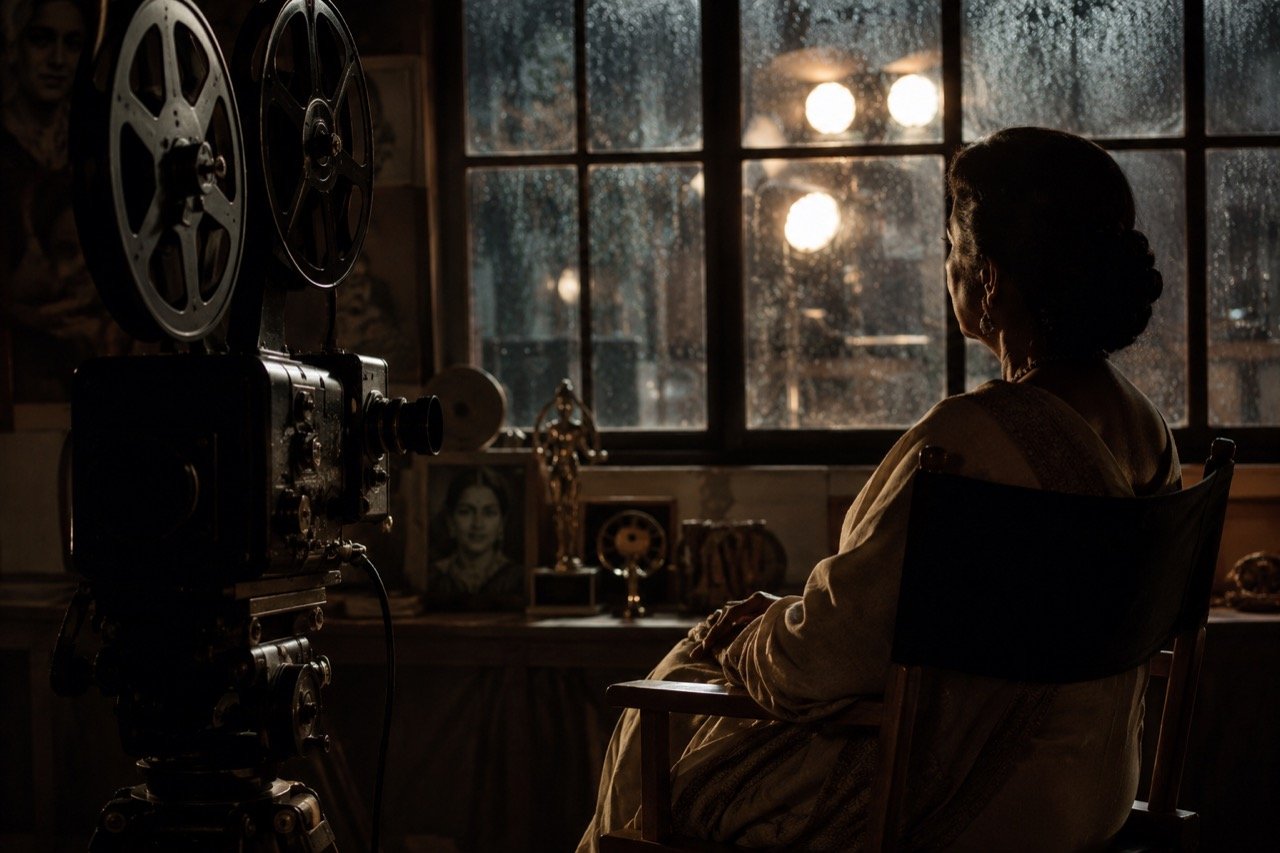
Zeenat Aman's latest interview remarks have struck a chord because they tie one actor's career memory to a much larger history of how Hindi cinema packaged its women stars. As highlighted by The Indian Express, Aman said the industry often cared more about her image as a sex symbol than about her cerebral side, pointing to the way rain sequences and glamour were deployed around her on screen. It is a small admission with a large shadow, and it has travelled quickly because it names, plainly, something audiences have long sensed but rarely heard articulated by the actor at the centre of it.
An insider's testimony, not an outsider's critique
What gives the comments their weight is that Aman is not speaking from outside that era; she is one of the figures who defined it. Her reflections carry the authority of first-person history, describing the industrial habits that decided what a leading woman was allowed to represent, from the roles she was offered to the way the camera framed her. This distinction matters. Critiques of Bollywood's treatment of its actresses have circulated for decades, often from academics, journalists or later generations of viewers applying present-day sensibilities to old footage. Aman's account is different in kind. She is not reconstructing the era from the outside; she lived its casting decisions, its publicity machinery and its directorial choices from the inside, as the person whose image was being shaped. That gives her words a documentary quality that outside commentary cannot replicate.
Old cinema, new questions
The remarks resonate now because audiences increasingly revisit older cinema with fresh questions. Iconic glamour songs and visual moments can remain culturally beloved while still inviting scrutiny about who controlled the framing. Aman's reflections do not erase the affection attached to her screen presence; they complicate it, asking viewers to separate admiration for a star from the machinery that narrowed her range. This is a more demanding form of engagement with cinema history than pure nostalgia. It asks fans to hold two things at once: genuine appreciation for iconic performances and imagery, and an honest reckoning with the commercial calculations that produced them. That double vision is increasingly common among audiences who grew up on the same films but now watch them through a different lens, informed by decades of conversation about representation, agency and the male gaze in visual media.
Why veteran voices carry particular authority
The conversation also explains why veteran actors' interviews keep finding younger audiences online. They offer history in the first person, not nostalgia alone, but evidence of how far the industry has moved on questions of objectification and actor agency, and where it still falls short. A younger viewer scrolling through clips of Aman's remarks is not simply consuming a piece of trivia about a bygone decade of Hindi cinema. They are hearing a direct account of how a woman navigated an industry that had already decided, largely without her input, what aspects of her talent were marketable. That kind of testimony functions almost as oral history, filling in gaps that contemporaneous film criticism of the period rarely addressed, because such criticism was itself often produced within the same commercial and cultural assumptions that shaped the casting and marketing decisions in the first place.
The commercial logic behind the image
It is worth pausing on why an actor as evidently capable as Aman would have been channelled so heavily toward a single register of stardom. The rain sequence, the glamour shot, the visual set-piece built around a leading woman's screen presence, these were not incidental artistic choices. They were, as Aman's own account suggests, deliberate industrial strategies, responses to what studios, distributors and audiences of the period were understood to want and to pay for. An actor's range, however wide in reality, was routinely subordinated to whatever formula was judged most bankable. This is a familiar pattern in commercial entertainment industries generally, but Aman's remarks give it a concrete, personal face rather than leaving it as an abstract structural critique. It becomes not a theory about how Bollywood worked, but a memory of how it worked on one specific career.
Has the industry actually changed
The honest answer implied by Aman's remarks, and increasingly acknowledged in the wider industry conversation, is: partially. Hindi cinema has in recent years produced a broader range of substantial roles for women, and conversations about on-screen objectification are now conducted more openly than they were in Aman's peak years. Yet the underlying commercial reflex that reduced actresses to a single marketable image has not disappeared so much as relocated. Where once it was rain sequences and glamour photography controlled by studios and directors, today it is Instagram grids, brand endorsements and item-song economics, often nominally under the actor's own control but still shaped by the same market pressures that once operated through the studio system. The mechanism has been partly individualised, but the underlying incentive structure, in which a woman's image is treated as the primary currency of her career, persists in updated form.
The NE Times View
Aman's honesty is a gift to an industry that prefers its legends airbrushed. Hindi cinema has grown better at writing complex women, but the commercial reflex to reduce actresses to image has not disappeared, it has merely migrated to Instagram grids and item-song economics. The right response to her remarks is not to relitigate the 1970s but to audit the present: who frames today's women stars, and on whose terms. Listening to the women who lived the earlier era is where that audit should begin, precisely because their comparative vantage point, having worked under the old system and watched its successor emerge, offers a clarity that neither nostalgic celebration nor present-day self-congratulation can provide on its own.
Key takeaways
- Zeenat Aman said the Hindi film industry emphasised her image as a sex symbol, including through rain sequences and glamour, over her cerebral qualities, as reported by The Indian Express.
- Her remarks carry particular weight because they come from an actor who lived through the era being described, not from outside commentary.
- The comments invite audiences to separate fondness for iconic screen moments from scrutiny of the industrial choices that produced them.
- The NE Times View holds that the underlying commercial logic of reducing actresses to a marketable image persists today, now expressed through social media and item-song economics rather than studio-era publicity machinery.
- The more useful response to such reflections is an audit of present-day industry practice, not a re-litigation of the past alone.
You may also like to read
Akshaye Khanna's Nod to Sunny Deol Stirs 90s Bollywood Nostalgia
A warm remark from Akshaye Khanna about Sunny Deol has revived affection for Bollywood's 1990s generation, showing how memory and mutual respect still power Hindi cinema's news cycle between big releases.
June 2026 Becomes Bollywood's Most Crowded Box-Office Month
A pile-up of Hindi releases across four consecutive Fridays, sharing screens with major Hollywood titles, has turned June into the year's most contested theatrical window.
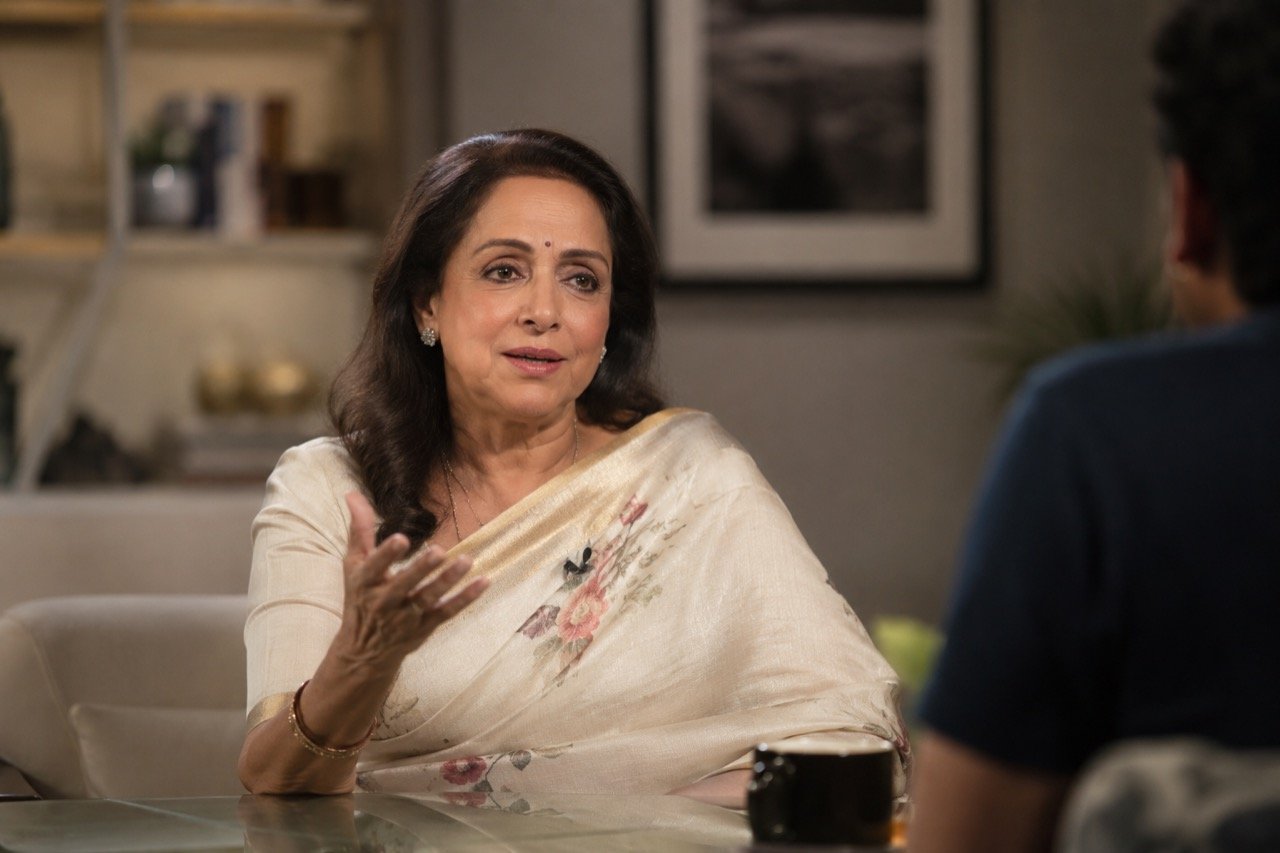
Zeenat Aman Stands Firm on Live-In Relationships, Reigniting Debate
Veteran actor Zeenat Aman has again defended living together before marriage as a test of compatibility, turning a celebrity interview into a renewed national conversation about commitment and changing relationship norms.
Rs 106 Crore in Four Days: Jungle Puts Welcome Back on Top
Akshay Kumar's ensemble comedy has reportedly crossed Rs 106 crore worldwide in four days against a Rs 125 crore budget, reviving the Welcome franchise's box-office relevance while leaving its long-run fate open.
More from this section
More
72nd National Film Awards: Fans Back Mammootty, Allu Arjun, Sai Pallavi
Speculation around the 72nd National Film Awards is intensifying as fan communities across India's language film industries champion favourites including Mammootty, Allu Arjun and Sai Pallavi ahead of any official announcement.
Aamir Khan Marries Gauri Spratt in Private Pali Hill Ceremony
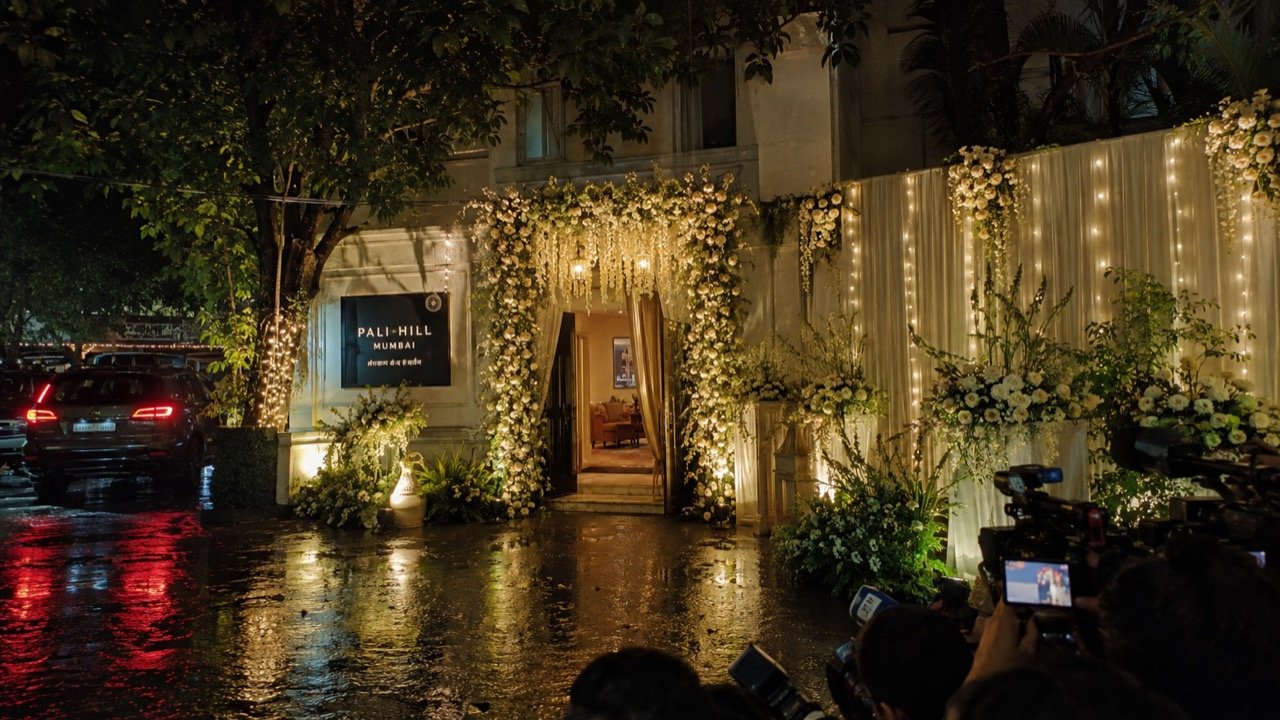
Aamir Khan and Gauri Spratt tied the knot at the actor's Pali Hill home in Mumbai on July 5, turning a deliberately small family ceremony into Bollywood's biggest story of the day.
Akanksha Chamola's Lock Upp 2 Confession Sets Reality TV Abuzz
A personal revelation by Akanksha Chamola ahead of Lock Upp 2 has handed the reality show a viral talking point, underlining how confession-driven formats continue to dominate Indian television conversation.