Zeenat Aman Stands Firm on Live-In Relationships, Reigniting Debate
Veteran actor Zeenat Aman has again defended living together before marriage as a test of compatibility, turning a celebrity interview into a renewed national conversation about commitment and changing relationship norms.
Commentary & Analysis ·
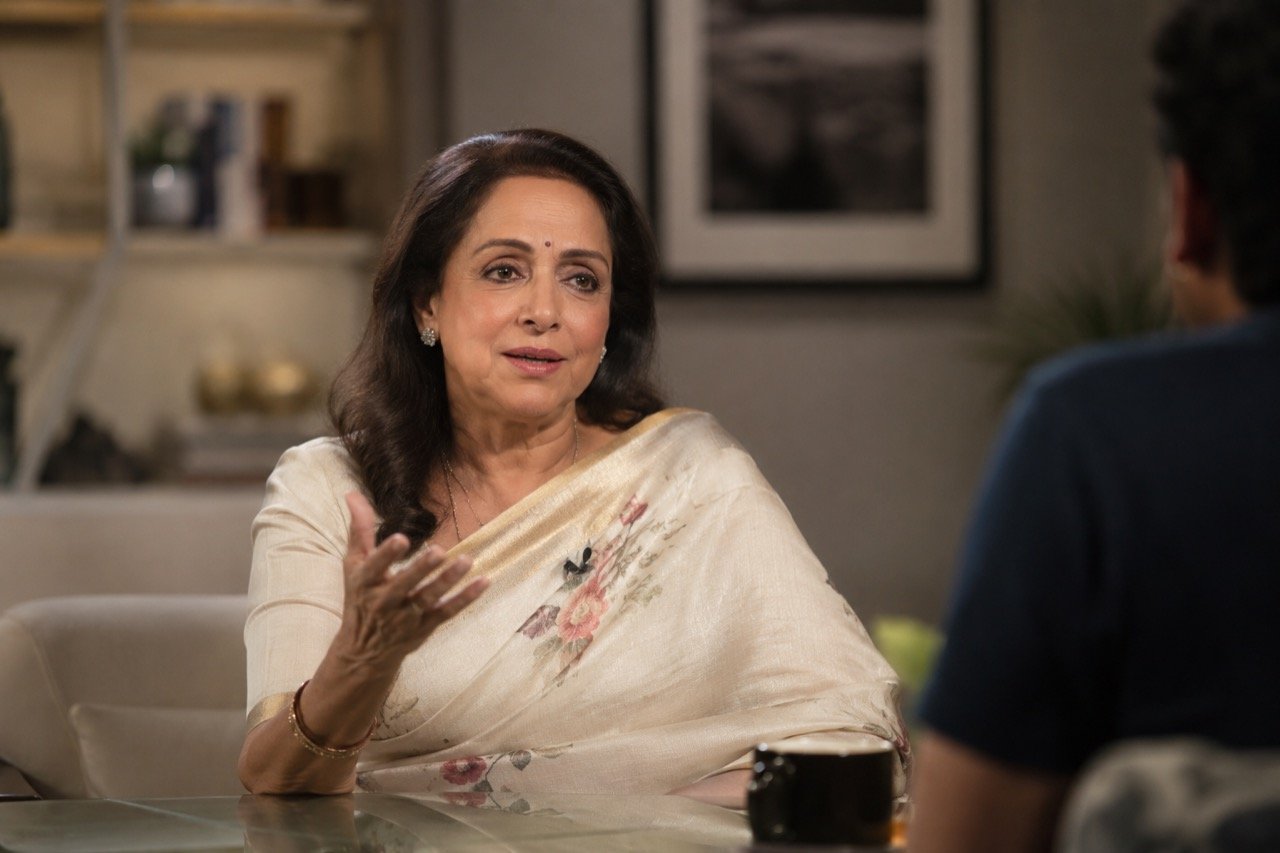
Zeenat Aman is once again at the centre of one of India's most persistent social debates. The veteran actor has reiterated her support for live-in relationships, arguing that couples should understand each other in the rhythms of everyday life before making a lifelong commitment. She has done so despite earlier criticism from some of her contemporaries, choosing not to soften her position in the face of pushback. According to the Times of India, Aman framed her stance around emotional compatibility, noting that the early excitement of a relationship inevitably fades, and that what remains once the initial glow has worn off is precisely what a marriage must be built to survive on. Her much-quoted line, that she would rather have five joyous years than fifteen miserable ones, captures the argument in a single sentence, and it is this economy of expression that has allowed the remark to travel so widely.
A familiar debate, a familiar face
Live-in relationships are hardly a new subject in Indian public discourse. What gives this iteration of the conversation its charge is not the topic itself but the person raising it. Aman's public persona has long been associated with independence and candour, dating back to a career in which she was frequently cast as a symbol of a more assertive, less deferential kind of Indian womanhood. That history matters here, because it means her comments are not read as an isolated opinion but as consistent with decades of public positioning. When a figure with that track record speaks, audiences tend to treat the remark as a considered stance rather than a passing comment, and that is a large part of why the story has legs.
Her refusal to retreat despite criticism from some of her contemporaries adds another layer. In an environment where public figures often walk back contentious remarks within days, sometimes hours, Aman's decision to hold her ground signals that she sees this as a matter of principle rather than a stray soundbite that slipped out in an interview. That steadiness is itself newsworthy, because it denies the story the usual retreat-and-apology arc that tends to end these controversies quickly.
Why the comments keep resonating
The news value here is not merely that a famous actor holds an opinion on relationships. It is that the topic cuts across multiple audiences simultaneously. Film fans follow her interviews primarily for her legacy and her place in Hindi cinema history. Younger readers engage with the same remarks through a relationship-advice lens, treating her comments as practical guidance rather than celebrity trivia. Older audiences, meanwhile, read the story through the lens of shifting family structures, weighing what her comments imply about how younger generations are choosing to organise their domestic lives compared with the arrangements their own generation took for granted.
This layering of audiences is precisely what keeps a story like this alive in the news cycle well beyond its initial publication. A single remark manages to be, at once, a piece of entertainment journalism, a contribution to a live social debate, and a data point in a broader conversation about generational change. Few stories manage to serve all three readerships at once, and that versatility explains why outlets keep returning to it.
A changed relationship between celebrity and candour
Aman's directness also reflects a broader shift in how celebrity discourse operates in India. Earlier generations of stars were generally expected to speak cautiously about their private lives and personal views, keeping public statements close to safe, promotional territory. The social media era has altered that calculus considerably. Veteran actors can now re-enter public debate on their own terms, speaking in a register that is conversational rather than promotional, and audiences respond to that shift in real time through comments, shares and follow-up commentary rather than waiting for the next press cycle.
This matters because it changes who gets to shape public opinion on sensitive social questions. It is no longer solely the domain of columnists, sociologists or religious authorities to weigh in on how relationships should be structured. A cinema veteran with decades of cultural capital can inject herself directly into the conversation, and because she is speaking from lived experience and long public visibility rather than as a spokesperson for any institution, her words carry a different kind of authority, one rooted in personal credibility rather than official standing.
Keeping the story in proportion
The responsible reading of this episode avoids exaggeration in both directions. A single celebrity remark, however widely quoted, is not proof that Indian society has uniformly shifted its views on marriage and cohabitation. Nor is disagreement from other public figures evidence of a backlash larger than what the reporting actually supports. It would be easy to inflate either side of this story: to claim Aman's comments represent a tipping point in social attitudes, or conversely to frame the criticism she has received as a coordinated pushback. Neither framing is supported by what is actually known.
What stands is narrower, and arguably stronger for being modest. A respected figure in Indian cinema has restated a considered view on live-in relationships, and the reaction it has generated demonstrates that the underlying question remains genuinely contested in Indian public life. That is a meaningful finding in itself. It tells us less about where Indian society has landed and more about the fact that it has not landed anywhere definitive at all, that the conversation remains active, unresolved and capable of being reopened by a single well-placed remark from a credible voice.
What this means for the wider conversation
Stories of this kind tend to function as pressure-release valves for conversations that families often avoid having directly. Aman's comments give journalists, commentators and ordinary readers a low-stakes occasion to discuss compatibility, commitment and the structure of long-term relationships without the personal risk of raising the subject within their own households. That indirect utility should not be underestimated. Public debates seeded by celebrity remarks frequently outlast the news cycle that produced them, resurfacing in personal conversations long after the original story has faded from headlines.
It is also worth watching whether other public figures, particularly women in the entertainment industry, follow Aman's lead in speaking plainly on the subject, or whether the criticism she has faced from some contemporaries has a chilling effect that discourages others from doing the same. The direction that takes will say a good deal about how much space Indian public discourse is currently willing to grant to unconventional relationship views voiced by prominent women.
The NE Times View
Aman's real contribution here is not the position itself but the permission it grants. When a woman of her stature speaks plainly about compatibility and the practicalities of long-term commitment, she widens the space for ordinary Indians, especially women, to discuss choices that many families still treat as unspeakable. The debate her comments trigger is healthier than the silence it replaces, and it matters that this particular conversation is being led by a veteran icon with decades of public standing rather than by a twenty-something influencer whose views might be dismissed as generational posturing. India's relationship norms will evolve at their own pace, shaped by economic change, urbanisation and shifting family expectations far more than by any single celebrity statement. But voices like Aman's ensure that the evolution, whatever form it ultimately takes, at least happens in the open, discussed rather than suppressed, contested rather than ignored.
Key takeaways
- Zeenat Aman has reaffirmed her support for live-in relationships, emphasising emotional compatibility over the fading excitement of early romance.
- Her stance has drawn criticism from some contemporaries, but she has not retreated from her position, giving the story unusual durability.
- The debate resonates across multiple audiences, film fans, younger readers seeking relationship perspectives, and older readers tracking shifts in family structures.
- Her candour reflects a broader change in how veteran celebrities engage in public debate in the social media era.
- The episode should be read narrowly, as evidence that the live-in relationship question remains genuinely contested in India, not as proof of a broader societal shift.
You may also like to read
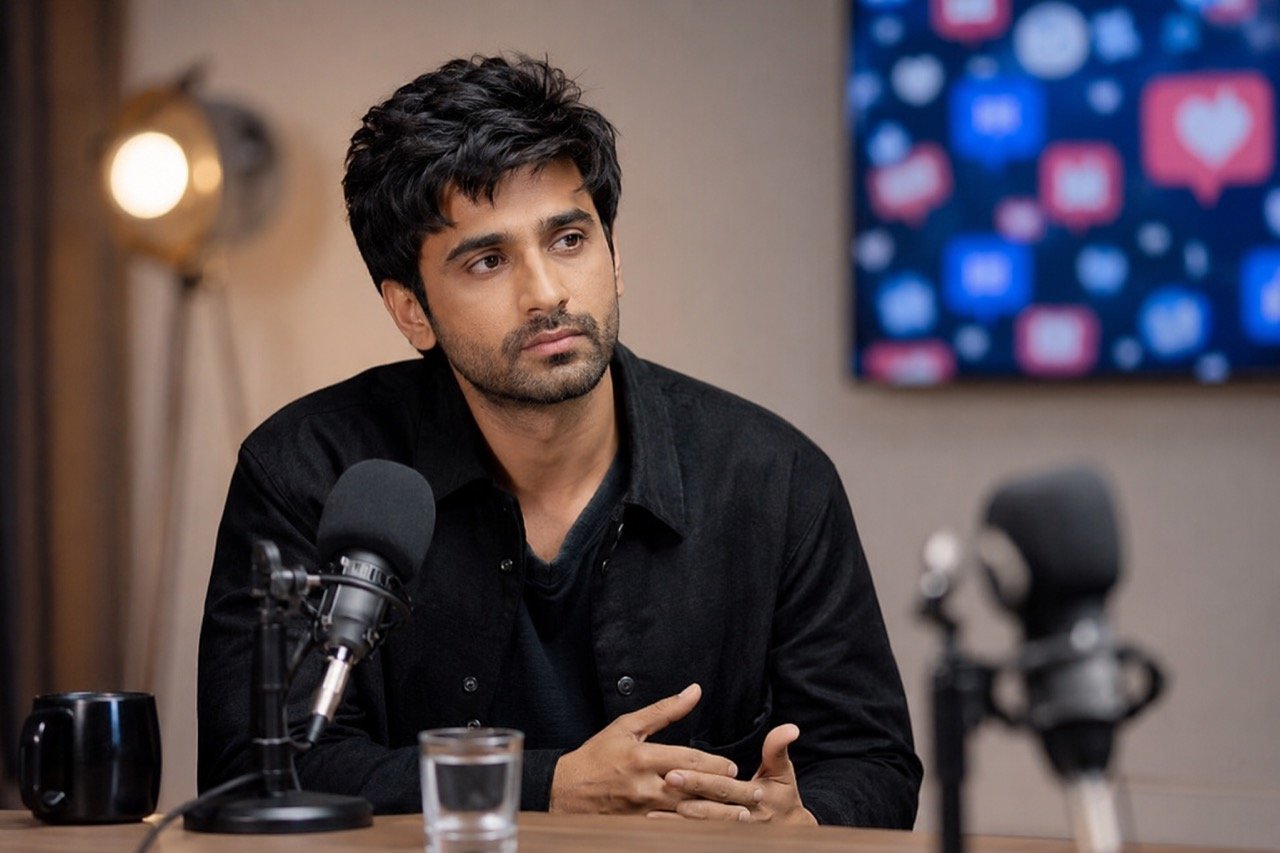
Imran Khan on Andrew Tate: Bollywood Joins Role Model Debate
Imran Khan's blunt remarks about Andrew Tate's appeal to young men, and his credit to Aamir Khan as a positive influence, have pushed a Bollywood interview into a wider conversation about masculinity online.

Priyadarshan's Hera Pheri 3 Exit Remarks Stir Franchise Debate
Priyadarshan's candid comments about leaving Hera Pheri 3 have reopened a wider industry conversation about how much creative control legacy comedy franchises need to protect their identity.

Alpha Box Office: Alia Bhatt's YRF Spy Film Opens Amid Loud Debate
Alia Bhatt and Sharvari's Alpha, the first female-fronted entry in the YRF Spy Universe, opened to better-than-expected numbers even as online trolling and industry pushback made it the weekend's noisiest Hindi cinema story.
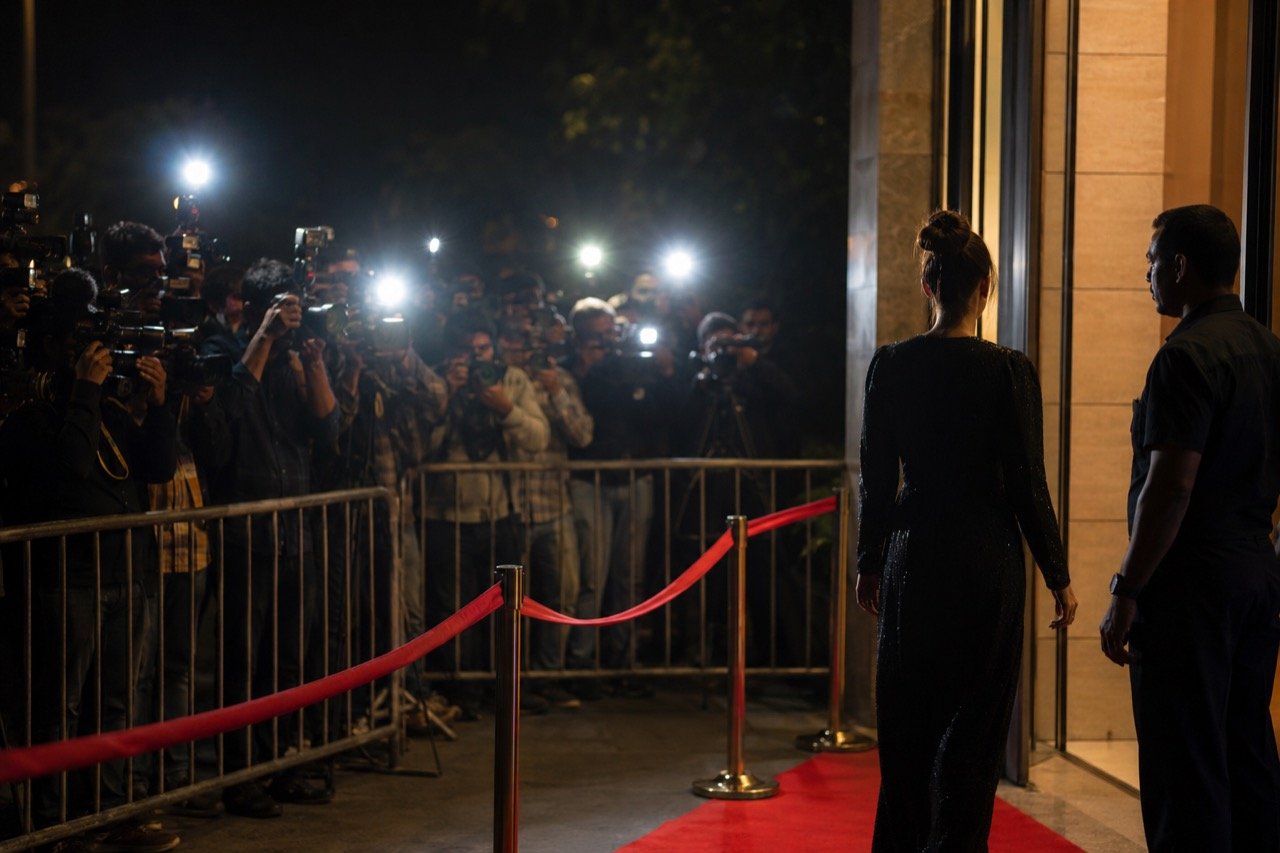
Neha Dhupia Paparazzi Row Revives Bollywood's Media Boundary Debate
A paparazzi-related flashpoint involving Neha Dhupia has reopened Bollywood's long-running argument over where legitimate celebrity coverage ends and intrusion into personal dignity begins.
More from this section
More
72nd National Film Awards: Fans Back Mammootty, Allu Arjun, Sai Pallavi
Speculation around the 72nd National Film Awards is intensifying as fan communities across India's language film industries champion favourites including Mammootty, Allu Arjun and Sai Pallavi ahead of any official announcement.

Aamir Khan Marries Gauri Spratt in Private Pali Hill Ceremony
Aamir Khan and Gauri Spratt tied the knot at the actor's Pali Hill home in Mumbai on July 5, turning a deliberately small family ceremony into Bollywood's biggest story of the day.

Akanksha Chamola's Lock Upp 2 Confession Sets Reality TV Abuzz
A personal revelation by Akanksha Chamola ahead of Lock Upp 2 has handed the reality show a viral talking point, underlining how confession-driven formats continue to dominate Indian television conversation.