Imran Khan on Andrew Tate: Bollywood Joins Role Model Debate
Imran Khan's blunt remarks about Andrew Tate's appeal to young men, and his credit to Aamir Khan as a positive influence, have pushed a Bollywood interview into a wider conversation about masculinity online.
Commentary & Analysis ·
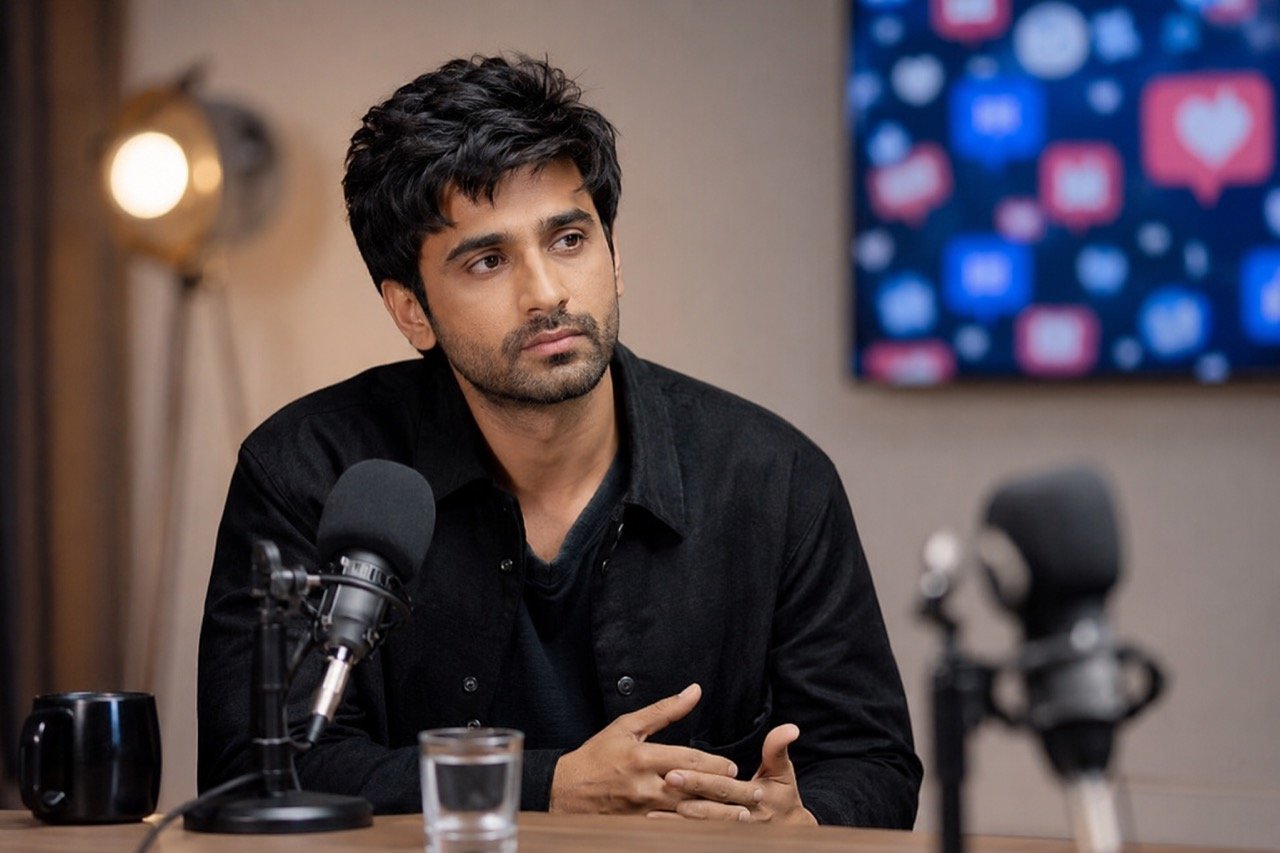
Imran Khan returned to the entertainment news cycle on July 5 after Hindustan Times highlighted his unvarnished comments about Andrew Tate and the pull such figures exert on young boys searching for guidance. The actor did not soften his assessment of Tate's influence, and in the same breath credited Aamir Khan as a genuinely positive presence in his own life. On the surface this reads as a routine celebrity soundbite. Read more closely, it is something rarer in Indian entertainment coverage: a working actor using his own platform to name, specifically and without hedging, why a particular kind of online figure appeals to young men, and who might offer a better alternative.
A vulnerability-first framing, not a takedown
What sets the remarks apart is the framing. Rather than simply criticising a controversial internet personality, Imran approached the subject through vulnerability: young men without visible mentors, he suggested, are the ones most susceptible to the aggressive certainty that thrives on short-form platforms. That is a meaningfully different starting point from the usual celebrity response to Tate's name coming up, which tends to be either dismissal or outrage. By instead asking what gap in a young man's life makes Tate's message land, Imran shifts the conversation from condemnation to diagnosis. It is a small rhetorical move, but it matters, because condemnation alone rarely changes behaviour, while naming the underlying need at least opens the door to talking about alternatives.
In India, search interest around Tate has long been entangled with arguments about masculinity, self-improvement, misogyny and algorithmic amplification. The pattern is familiar by now: a young viewer encounters short clips promising confidence, discipline or financial success, the algorithm rewards engagement with more of the same, and within a short span the viewer's feed becomes saturated with a worldview that mixes genuinely appealing self-improvement messaging with misogynistic and combative undertones. Because this pattern operates quietly, inside individual phones and individual feeds, it rarely surfaces in family conversation until a parent, teacher or sibling notices a shift in language or attitude. A well-known actor naming the mechanism publicly gives that conversation a starting vocabulary it did not previously have in the mainstream.
Why this fits Imran Khan's current public persona
The comments also fit Imran's evolving public persona. His recent appearances have leaned reflective, discussing mental health, personal choices and the pressures of visibility, rather than following the usual star-comeback script built around a new release or a controlled publicity cycle. That consistency matters for credibility. A celebrity who raises a serious social theme once, as a passing remark tied to a promotional appearance, is easy to read as opportunistic. A celebrity whose recent public statements have repeatedly returned to introspection and honesty about pressure is harder to dismiss on those grounds. It suggests the Tate remarks are continuous with a broader shift in how Imran is choosing to use his visibility, rather than an isolated comment picked up out of context.
Aamir Khan as the counterpoint
The reference to Aamir Khan gives the story its contrast, and arguably its most useful element. A trusted family elder and creative mentor represents a fundamentally different model of influence from the online personality economy. Aamir's presence in Imran's life was not manufactured through content strategy or algorithmic reach; it was built through proximity, time and demonstrated example. Imran's point lands precisely because he can name what a constructive role model looked like in his own life, rather than gesturing abstractly at the idea that "better role models exist." That specificity is what separates this remark from generic hand-wringing about internet culture. It offers, in miniature, a working alternative: mentorship rooted in relationship rather than performance.
Why a Bollywood entry point changes the reach of this conversation
This is a culture story with an entertainment entry point, and that is exactly why it matters in India. Film celebrities still function as cultural reference points for millions of young viewers, so when a familiar Bollywood face warns about predatory online role models, the message reaches households and group chats that would never read formal commentary on digital culture. Parents who might never encounter a psychologist's op-ed on algorithmic radicalisation, or a policy paper on platform design, will encounter this story through an entertainment headline, a WhatsApp forward, or a clip shared alongside a family conversation about screen time. The soft-power reach of Bollywood commentary, in other words, is doing work that formal digital-literacy campaigns often struggle to do: it is arriving inside ordinary domestic conversations rather than requiring people to seek it out.
That reach cuts both ways, however. It also means the framing chosen by the actor, and subsequently by the outlets covering him, carries outsized influence over how the underlying issue gets understood by a lay audience. A framing centred on vulnerability and the absence of mentors is more likely to prompt constructive conversation at home than a framing centred purely on condemning Tate as a villain, which tends to entrench defensiveness in young viewers who already feel judged for what they watch.
The limits of what a single comment can accomplish
It is worth being clear-eyed about what this moment does and does not achieve. Imran Khan has not offered a policy prescription, and nothing here changes platform incentives, content moderation practices or the algorithmic amplification that keeps this category of content in front of young viewers in the first place. What he has offered is vocabulary: a public, legible way of describing why certain figures appeal to boys who feel unmoored, and a named example of what a healthier alternative looks like. For parents and teachers navigating what their boys watch online, without training in media literacy or adolescent psychology, that vocabulary is timely and usable in a way that abstract warnings are not. Whether it travels further than a single news cycle will depend on whether other public figures, educators or platforms pick up the same framing, or whether the conversation is allowed to lapse back into either silence or reflexive condemnation.
The NE Times View
The discussion stays useful only if it remains about influence rather than descending into personal attacks. There is an evident risk that coverage of remarks like these curdles into another round of celebrity-versus-influencer sniping, which would squander the more valuable thread here: the observation that absence of mentorship, not moral weakness, is what makes aggressive online certainty attractive to some young men. Bollywood has an unusual amount of quiet cultural authority in Indian households, and using it to hand parents a working vocabulary, rather than simply a villain to point at, is a modest but genuinely constructive use of a celebrity platform. What happens next is less in Imran Khan's hands than in the hands of everyone who now has a slightly better way of naming the problem at the dinner table.
Key takeaways
- Imran Khan's July 5 comments, reported by Hindustan Times, criticised Andrew Tate's influence on young men while crediting Aamir Khan as a genuine positive role model in his own life.
- The remarks are notable for framing Tate's appeal around the absence of visible mentors for young men, rather than treating the issue as simple moral failing.
- The comments align with Imran Khan's recent more reflective public persona, focused on mental health and personal pressure rather than a typical comeback narrative.
- Aamir Khan is presented as a contrasting model of influence built on relationship and mentorship, rather than the algorithmic personality economy that elevates figures like Tate.
- The story's real value lies in giving parents and teachers accessible vocabulary for a conversation about online role models, even though it offers no policy solution to platform-driven amplification.
You may also like to read

Aamir Khan's quiet July 5 wedding becomes Bollywood's big story
Reports that Aamir Khan has confirmed an intimate July 5 ceremony with Gauri Spratt have captivated Bollywood watchers precisely because the star is choosing privacy over spectacle.
Shah Rukh Khan 'Main Character Energy' Clip Sparks Bollywood Buzz
A reality TV exchange in which Kangana Ranaut invoked Shah Rukh Khan's screen presence has travelled far beyond the show, becoming a shareable talking point across Bollywood social media.
Neha Dhupia Paparazzi Row Revives Bollywood's Media Boundary Debate
A paparazzi-related flashpoint involving Neha Dhupia has reopened Bollywood's long-running argument over where legitimate celebrity coverage ends and intrusion into personal dignity begins.

Aamir Khan Confirms July 5 Wedding to Gauri Spratt: 'The News About the Marriage Is True'
The 61-year-old superstar has put months of speculation to rest, confirming an intimate registered marriage to longtime partner Gauri Spratt at his Mumbai home, with no grand celebration planned.
More from this section
More
72nd National Film Awards: Fans Back Mammootty, Allu Arjun, Sai Pallavi
Speculation around the 72nd National Film Awards is intensifying as fan communities across India's language film industries champion favourites including Mammootty, Allu Arjun and Sai Pallavi ahead of any official announcement.

Aamir Khan Marries Gauri Spratt in Private Pali Hill Ceremony
Aamir Khan and Gauri Spratt tied the knot at the actor's Pali Hill home in Mumbai on July 5, turning a deliberately small family ceremony into Bollywood's biggest story of the day.
Akanksha Chamola's Lock Upp 2 Confession Sets Reality TV Abuzz
A personal revelation by Akanksha Chamola ahead of Lock Upp 2 has handed the reality show a viral talking point, underlining how confession-driven formats continue to dominate Indian television conversation.