Neha Dhupia Paparazzi Row Revives Bollywood's Media Boundary Debate
A paparazzi-related flashpoint involving Neha Dhupia has reopened Bollywood's long-running argument over where legitimate celebrity coverage ends and intrusion into personal dignity begins.
Commentary & Analysis ·
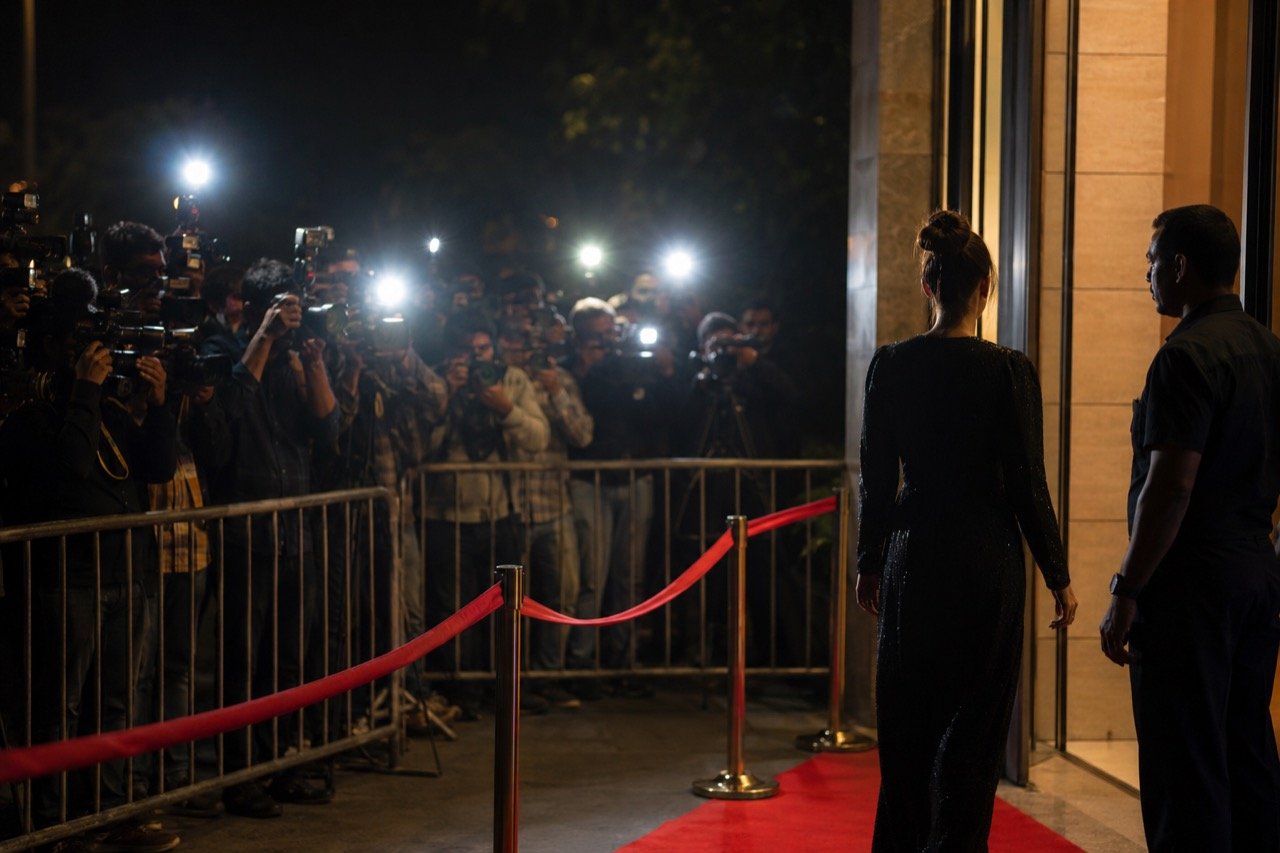
Neha Dhupia's name has surfaced in entertainment circles amid fresh chatter around paparazzi ethics, after Times of India coverage referenced an outburst that reignited debate in Bollywood. The specifics of such moments tend to travel quickly online, but the underlying question is a familiar one: where should the line sit between public celebrity coverage and personal dignity? The episode connects to a wider pattern in Indian entertainment journalism, one that has been building for years and shows no sign of resolving itself without deliberate intervention from both the industry and the media that covers it.
Actors are increasingly calling out intrusive camera angles, aggressive questioning, unsafe crowding and content that reduces routine public appearances to uncomfortable viral clips. Media outlets, for their part, operate in an economy where candid footage reliably drives traffic. That tension is not new, but each fresh flashpoint gives it renewed public visibility, and the reported reaction attributed to Dhupia is being read by many as one more data point in that ongoing friction between visibility and privacy.
The camera economy cuts both ways
Bollywood's relationship with the paparazzi has changed dramatically in recent years. Airport looks, gym exits and event arrivals have become regular content streams, feeding entire channels and social media accounts dedicated purely to tracking celebrity movement through the day. Some celebrities use this visibility strategically as part of their publicity machinery, timing appearances and outfits for maximum coverage. Others find it exhausting or invasive, particularly when the same lenses that capture a red-carpet moment also follow them into far more mundane, unguarded parts of daily life.
The same camera economy that supports promotion can also create relentless pressure. This duality is precisely what makes the debate so difficult to settle definitively. A structure that benefits a celebrity's career on one day can feel like harassment on another, and there is rarely a clean line separating the two, since both draw on the same photographers, the same access points and the same appetite among audiences for constant visual updates on stars' lives.
A recurring flashpoint, not an isolated incident
Dhupia's reported reaction fits this larger conversation. It shows that even established public figures, those with years of experience navigating media attention and, in many cases, good working relationships with photographers, may still push back when coverage crosses perceived boundaries. That such an outburst can happen to a veteran of the industry underscores that this is not simply a matter of newer or less experienced celebrities failing to manage media relationships. It suggests the boundaries themselves are poorly defined and inconsistently respected across the board.
The issue is not whether every celebrity interaction should be controlled or sanitised. Few would argue that public figures deserve to operate free of any scrutiny or coverage, particularly given the promotional benefits many derive from sustained media attention. The real issue is whether media access remains safe, respectful and proportionate to the moment, whether a photographer capturing an arrival at an airport needs to crowd a subject at close range, or whether a shouted question needs to probe into matters that have nothing to do with the public appearance being covered.
Audiences are part of the renegotiation
Indian entertainment audiences are also becoming more conscious of ethics in how celebrity content is produced and consumed. Viral clips still spread fast, and moments of tension between stars and photographers continue to generate significant engagement online. But there is growing pushback when coverage feels demeaning or invasive, with segments of the audience openly criticising channels and pages that appear to prioritise confrontation over informative coverage. This shift in audience sentiment matters because it is ultimately viewership and engagement that determine what kind of content gets produced and rewarded.
The news value in episodes like this lies in the debate itself, not in replaying an uncomfortable moment for spectacle. When outlets choose to dwell on the friction rather than the substance behind it, they risk becoming part of the very problem being discussed. A more constructive approach treats such incidents as occasions to examine industry norms rather than as fresh raw material for another cycle of clicks.
What stakeholders on each side are weighing
For celebrities, the calculation involves balancing the undeniable career benefits of visibility against the personal cost of near-constant surveillance in public spaces. Publicists and management teams often walk a fine line, encouraging coverage that serves promotional cycles while trying to establish informal boundaries around unscripted, personal moments. For photographers and paparazzi agencies, the economics are straightforward: candid, unguarded images and confrontational footage tend to perform better commercially than staged, cooperative shots, creating a built-in incentive to push closer to the edges of acceptable conduct.
For media platforms and publications, the pressure is similarly structural. Traffic and engagement metrics reward exactly the kind of content that critics say crosses ethical lines, meaning that any shift toward more restrained coverage would likely need to come from either collective industry standards or from audiences actively deprioritising sensationalised content in favour of more respectful reporting.
The NE Times View
Paparazzi culture is not going to disappear from Bollywood, and it should not need to; visibility is part of the industry's ecosystem, and many careers are built in part on the public's sustained interest in stars' everyday lives. What must change is the default assumption that anything captured on camera is fair game, regardless of the circumstances, the proximity involved or the intent behind the questions asked. Every flashpoint like the one involving Neha Dhupia is a reminder that consent, distance and dignity are being renegotiated in public, in real time, through the accumulated weight of many such individual incidents rather than through any single sweeping change.
For Indian readers, the healthiest response is to reward coverage that informs rather than humiliates, because audience clicks ultimately decide which kind of journalism survives. Every share, view and comment functions as a small vote for the type of celebrity coverage that will exist tomorrow. If audiences continue to reward confrontation and spectacle, the incentives for photographers and outlets will remain unchanged. If, instead, informative and respectful coverage begins to draw comparable engagement, the industry's practices are likely to shift accordingly, gradually, but meaningfully.
Key takeaways
- Neha Dhupia's reported paparazzi outburst, referenced via Times of India coverage, has reignited debate over media boundaries in Bollywood.
- The friction reflects a structural tension: the same paparazzi economy that supports celebrity promotion also creates relentless, sometimes invasive, scrutiny.
- That an established figure like Dhupia would push back suggests the problem lies in inconsistent industry norms rather than inexperience with media handling.
- Indian audiences are showing growing discomfort with demeaning or invasive coverage, even as viral confrontational clips continue to spread quickly.
- Lasting change in paparazzi conduct is likely to come from shifting audience preferences and viewing habits rather than from any single incident or statement.
You may also like to read

Celina Jaitly Divorce Notice Account Raises Celebrity Privacy Questions
Celina Jaitly's reported account of her twins encountering a divorce notice has put a sensitive spotlight on how celebrity legal disputes become public stories and what that exposure means for the families involved.
Imran Khan on Andrew Tate: Bollywood Joins Role Model Debate
Imran Khan's blunt remarks about Andrew Tate's appeal to young men, and his credit to Aamir Khan as a positive influence, have pushed a Bollywood interview into a wider conversation about masculinity online.
Zareen Khan's Paparazzi Confrontation Revives Debate Over Boundaries in Celebrity Coverage
Zareen Khan's firm response to an inappropriate paparazzo remark has gone viral, renewing discussion about consent, dignity and professional limits in celebrity photography.
Jackky Bhagnani's Dating Profile Goes Viral
A dating-app profile linked to Jackky Bhagnani has sparked online debate, exposing the tension between celebrity privacy and the relentless visibility of digital app culture in modern Bollywood.
More from this section
More
72nd National Film Awards: Fans Back Mammootty, Allu Arjun, Sai Pallavi
Speculation around the 72nd National Film Awards is intensifying as fan communities across India's language film industries champion favourites including Mammootty, Allu Arjun and Sai Pallavi ahead of any official announcement.

Aamir Khan Marries Gauri Spratt in Private Pali Hill Ceremony
Aamir Khan and Gauri Spratt tied the knot at the actor's Pali Hill home in Mumbai on July 5, turning a deliberately small family ceremony into Bollywood's biggest story of the day.

Akanksha Chamola's Lock Upp 2 Confession Sets Reality TV Abuzz
A personal revelation by Akanksha Chamola ahead of Lock Upp 2 has handed the reality show a viral talking point, underlining how confession-driven formats continue to dominate Indian television conversation.