Priyadarshan's Hera Pheri 3 Exit Remarks Stir Franchise Debate
Priyadarshan's candid comments about leaving Hera Pheri 3 have reopened a wider industry conversation about how much creative control legacy comedy franchises need to protect their identity.
Commentary & Analysis ·
Priyadarshan has once again put Hera Pheri 3 at the centre of Bollywood conversation. In fresh remarks reported by NDTV and Hindustan Times, the veteran filmmaker suggested he could have made the film bigger, adding to earlier comments in which he described feeling insulted by a producer's response to his cut of the project before his exit. Taken together, the two rounds of comments have kept a project that has not yet released in cinemas at the centre of entertainment coverage for weeks, a fact that says as much about the franchise's cultural weight as it does about the specifics of the dispute itself.
Why one director's exit resonates so widely
Hera Pheri is not just another sequel brand. It is one of Hindi cinema's most cherished comedy properties, built on recurring characters, quotable dialogue and a tonal rhythm that fans treat as sacred. When the man associated with shaping that world speaks of creative disagreement, audiences hear more than industry gossip — they hear a warning about the franchise's soul. Comedy, unlike action or melodrama, depends on a very particular kind of trust between filmmaker and audience: timing, chemistry and restraint matter more than scale, and viewers tend to notice immediately when that balance is disturbed. That is why remarks from a director who exited a project, even when made briefly and without elaboration, can dominate entertainment news cycles in a way that a producer's promotional statement rarely does.
It is also worth noting that Priyadarshan's comments have arrived in two separate waves reported across NDTV and Hindustan Times, rather than as a single outburst. The recurrence itself is telling. A filmmaker returning to the subject of a project he no longer helms, more than once, in public remarks picked up by major entertainment desks, suggests the disagreement was not a passing disappointment but something he continues to feel strongly enough about to address again. For a franchise that trades so heavily on audience goodwill, that kind of visible unease at the top of the credits is not a footnote — it becomes part of the story surrounding the film before a single ticket is sold.
What is actually known, and what is not
The verified core of the story remains limited: Priyadarshan has spoken publicly about the project and the circumstances of his departure. What actually appears in the current version of the film, and how far it departs from his vision, will only be clear when the makers release material from the production. This distinction matters because it is easy, in the churn of entertainment reporting, to conflate a director's account of a disagreement with a verdict on the finished product. The two are not the same thing. A director's frustration over a cut he was not permitted to complete as intended tells audiences something about the process, but it does not, on its own, tell them whether the film that eventually reaches screens will succeed or fail on its own terms.
That gap between process and product is precisely where speculation tends to rush in. Fans invested in the original Hera Pheri films have strong priors about what the franchise should look and feel like, and in the absence of trailers, footage or further detail, Priyadarshan's remarks become a proxy for those anxieties. It is a familiar pattern in Indian film journalism: a single quote from a credible insider gets amplified into a referendum on an entire project, long before there is enough evidence to render judgment.
The economics of nostalgia
Beneath the personalities lies a structural tension familiar across the industry. Legacy franchises must balance nostalgia with new market demands, and the economics of bigger-scale sequels often pull against the modest, character-driven charm that made the originals beloved. Producers chase spectacle; audiences often just want the old chemistry back. This is not unique to Hera Pheri, but it is unusually acute here because the franchise's appeal was never rooted in production scale. The earlier films worked because of confined, almost theatrical setups, sharp dialogue and performers who understood exactly how much restraint a joke needed to land. A push toward "bigger" — bigger sets, bigger set pieces, bigger budgets — can easily crowd out the very intimacy that made the comedy work in the first place.
Priyadarshan's suggestion that he could have made the film bigger adds an interesting wrinkle to this usual framing. Rather than a director resisting a producer's push for scale, the reported comments suggest a filmmaker who felt constrained by decisions that limited his own vision for the project's ambition. That reframes the dispute somewhat: it may not simply be a case of an auteur protecting small-scale charm against commercial pressure, but a more tangled disagreement over creative control itself, in which both scale and tone were contested. Either way, the underlying commercial logic is the same — studios holding a proven IP face constant pressure to justify a bigger budget with a bigger canvas, even when the source of the franchise's affection lies elsewhere.
Stakeholders with different stakes in the outcome
Each party to this story has a different interest in how it is perceived. For Priyadarshan, going on record protects his authorship and signals to audiences and future collaborators that the film, whatever it becomes, may not fully represent his intentions. For the producers, silence or a measured response may be the more prudent course, since engaging publicly with a departed director's grievances risks prolonging a controversy that could otherwise fade before release. For the studio backing the release, the calculus is squarely commercial: any controversy that keeps the Hera Pheri name in headlines has some promotional value, but only up to the point where it curdles into audience distrust of the finished film itself. And for audiences, the stakes are simpler and more personal — they want reassurance that a franchise they have loved for years has not been reshaped into something unrecognisable.
The NE Times View
In our view, the Hera Pheri 3 episode is a case study in why authorship matters as much as star power in comedy. Franchises of this vintage survive on audience trust, and that trust is anchored in tone — something a director curates scene by scene. Indian studios increasingly treat beloved IPs as scalable assets, but scale is a poor substitute for rhythm in comedy. Until the makers show what they have actually built, fans are right to be protective. The lesson for the industry is simple: settle creative differences before cameras roll, because in a legacy franchise the audience is always the third party at the negotiating table. Producers who treat that third party as an afterthought risk discovering, at the box office, just how closely audiences have been listening to the disputes happening off screen.
What happens next will matter more than what has already been said. If the makers move to address the speculation directly, through trailers, cast interactions or statements that clarify how the film's tone and scale were ultimately shaped, some of the current unease may dissipate on its own. If they stay silent, Priyadarshan's account will likely remain the dominant narrative attached to the film right up to its release, colouring how early reviews and audience reactions are framed regardless of the finished product's actual merits.
Key takeaways
- Priyadarshan has made repeated public remarks, reported by NDTV and Hindustan Times, about creative friction and feeling insulted by a producer's response before his exit from Hera Pheri 3.
- The verified facts are limited to Priyadarshan's own public statements; what the finished film actually contains remains unknown until the makers release material from the production.
- The dispute reflects a broader industry tension between the intimate, character-driven charm that built the original franchise and commercial pressure to scale up sequels.
- Different stakeholders — the director, the producers, the studio and the audience — have distinct and sometimes conflicting interests in how this controversy is perceived.
- How the makers respond, or decline to respond, in the run-up to release will likely shape audience expectations as much as any promotional material.
You may also like to read

Hera Pheri 3 Rights Warning Renews Fight Over Franchise Control
A legal warning from Akshay Kumar's production house asserting rights over Hera Pheri 3 has returned the beloved comedy franchise to the headlines, spotlighting how valuable legacy film brands have become in Hindi cinema.
Sanjay Dutt's Jungle Exit: Ahmed Khan Breaks His Silence
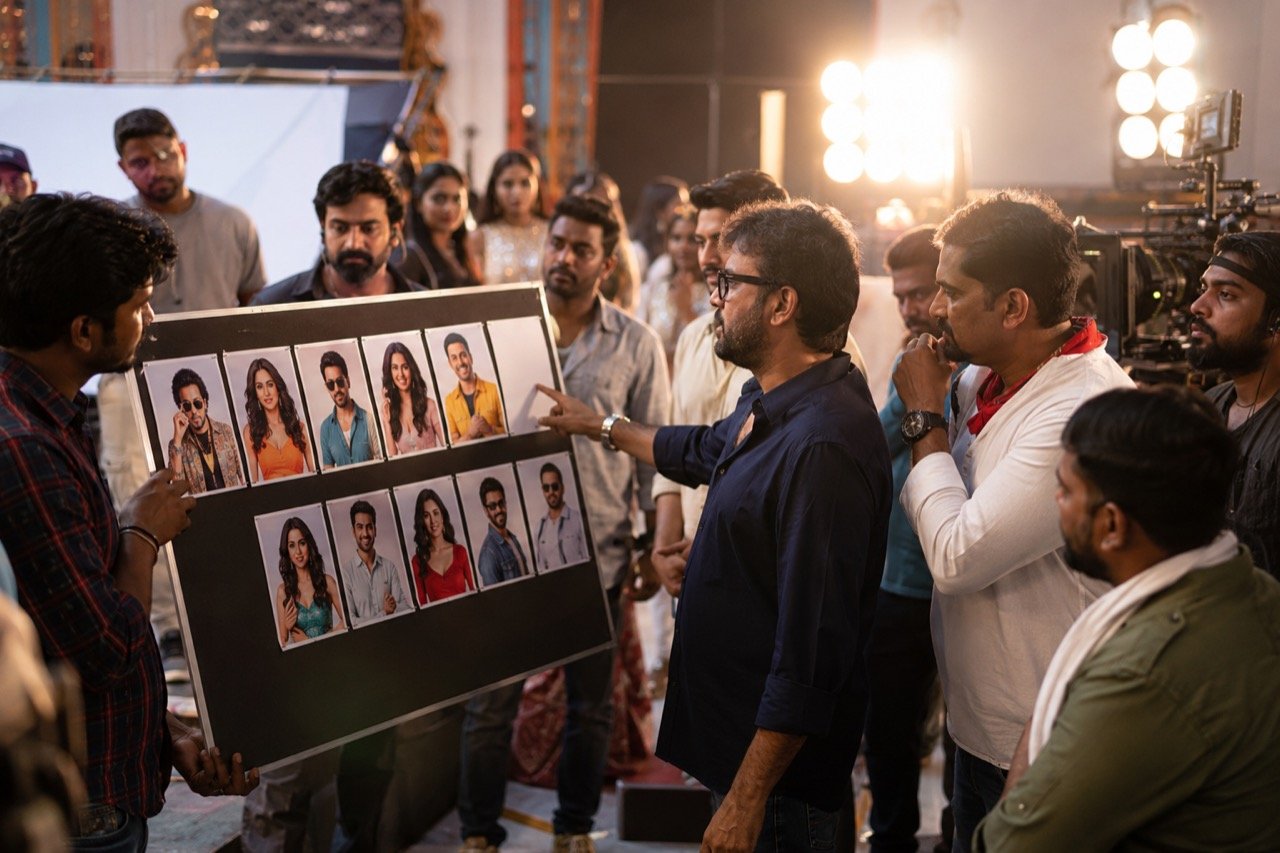
Director Ahmed Khan has explained why Sanjay Dutt left Welcome to the Jungle after beginning shoot, adding a fresh production-side twist to the Akshay Kumar-led ensemble comedy's already noisy news cycle.
'Welcome To The Jungle' Trailer Unleashes A Sprawling Comedy Ensemble
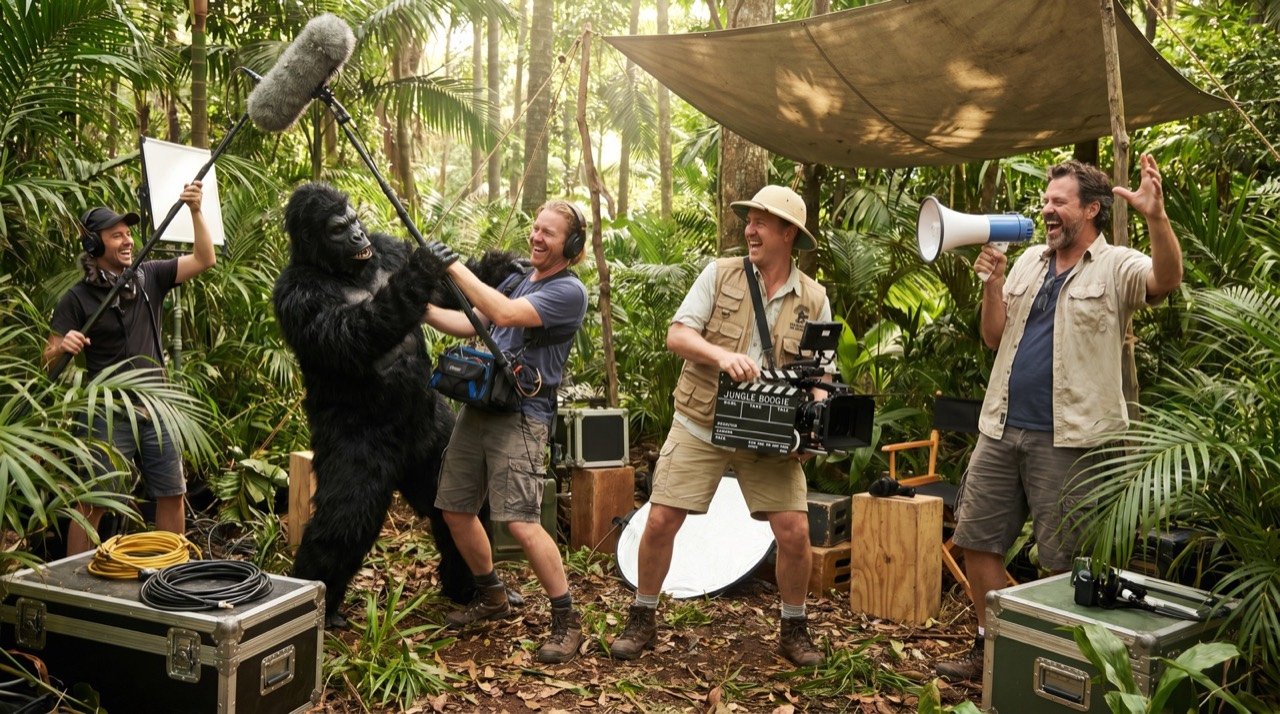
Akshay Kumar and Suniel Shetty lead a vast multi-starrer comedy that drops its trailer ahead of a June 26 release.
Welcome To The Jungle Eyes Akshay Kumar's Biggest Comedy Opening On Muharram Weekend
Trade trackers say the Ahmed Khan-directed multi-starrer is on course for a 25-crore-plus first day, which would hand Akshay Kumar his biggest comedy opening of the post-pandemic era.
More from this section
More
72nd National Film Awards: Fans Back Mammootty, Allu Arjun, Sai Pallavi
Speculation around the 72nd National Film Awards is intensifying as fan communities across India's language film industries champion favourites including Mammootty, Allu Arjun and Sai Pallavi ahead of any official announcement.

Aamir Khan Marries Gauri Spratt in Private Pali Hill Ceremony
Aamir Khan and Gauri Spratt tied the knot at the actor's Pali Hill home in Mumbai on July 5, turning a deliberately small family ceremony into Bollywood's biggest story of the day.
Akanksha Chamola's Lock Upp 2 Confession Sets Reality TV Abuzz
A personal revelation by Akanksha Chamola ahead of Lock Upp 2 has handed the reality show a viral talking point, underlining how confession-driven formats continue to dominate Indian television conversation.