Mukesh Khanna and Samay Raina Promo Sparks Digital Comedy Debate
Promo chatter around Mukesh Khanna appearing with Samay Raina for India's Got Latent 2 has renewed debate over how legacy television stars and creator-led comedy share the same digital stage.
Commentary & Analysis ·
Entertainment listings in the Times of India have referenced Mukesh Khanna joining Samay Raina after earlier criticism, with promo chatter around India's Got Latent 2 drawing attention online. The story resonates because it collides two very different entertainment worlds: legacy television fame and creator-era comedy. The old promotional cycle of press conferences and TV spots has given way to clips, reactions and counter-reactions. A short promo for a creator-led show can now become a full-blown debate within hours of landing on social feeds. What might, in an earlier decade, have been a routine appearance announcement is instead being parsed, screenshotted and argued over across platforms almost as soon as it surfaces.
Nostalgia meets the creator economy
Mukesh Khanna's public persona carries deep nostalgia for Indian viewers who grew up with his legacy screen characters. Samay Raina, by contrast, represents a newer comedy ecosystem built on live shows, streaming audiences and viral edits. When figures from these two worlds appear in the same conversation, the discussion is rarely just about one promo; it becomes an argument about tone, audience expectations and generational humour. Older viewers may read the crossover through memory and respect for legacy characters, while younger audiences see a playful, unlikely pairing. Both reactions are legitimate, and together they explain why the item is trending.
This generational split is worth dwelling on because it is not simply a matter of taste. It reflects two different economic and cultural logics operating side by side in Indian entertainment. Legacy television figures built their reputations over years, often decades, through sustained, wide-reach broadcast exposure and characters that became part of a shared national memory. Creator-economy comedians, on the other hand, have built their followings through rapid iteration, direct audience feedback and a willingness to court controversy as part of the format itself. When these two logics meet in a single promo, viewers are essentially being asked to hold both value systems at once, and the friction that produces is precisely what drives engagement.
Why unlikely pairings now win attention
Indian entertainment increasingly rewards unexpected combinations. A promo can succeed precisely because it feels improbable, but that same surprise can trigger discomfort, especially when legacy figures step into formats known for sharp or unpredictable humour. That tension is exactly what makes digital comedy a serious beat: it reveals how platforms, creators and established personalities negotiate relevance.
The mechanics of attention on social platforms make this almost inevitable. Algorithms tend to amplify content that produces strong, divided reactions rather than uniform approval, and a promo that unsettles some viewers while delighting others is, in that sense, structurally well suited to going viral. The fact that the pairing follows earlier criticism only adds another layer: audiences are not just reacting to the promo itself but to the narrative of reconciliation or reversal that surrounds it, which gives the clip an additional hook beyond the content alone.
The stakes for legacy performers
For a performer like Mukesh Khanna, entering a creator-led format carries its own calculations. Legacy fame offers credibility and a built-in audience, but it does not automatically translate into comfort with the faster, less filtered rhythms of internet comedy, where a single clip can be stripped of context and recirculated with commentary attached. Choosing to appear in such a setting, especially after earlier criticism, signals either a willingness to adapt to how audiences now consume entertainment or a calculated bet that the exposure is worth the risk of further scrutiny. Either way, it illustrates how even well-established names are not insulated from the pressures reshaping the industry.
What it means for creators like Samay Raina
From the other side, creators such as Samay Raina benefit from association with recognisable legacy figures in ways that go beyond a single promo's performance. Such crossovers can lend a creator-led show a degree of mainstream legitimacy, signalling to broader, non-native-digital audiences that the format is not a fringe experiment but something with crossover appeal. At the same time, creators take on the responsibility of managing how a legacy guest's presence is received by their own core audience, who may have strong expectations about tone and irreverence. Getting that balance wrong risks alienating the very base that built the show's reputation in the first place.
The NE Times View
The Mukesh Khanna-Samay Raina conversation is bigger than one promo; it is a live test of who gets to define the tone of Indian popular comedy now. Legacy stars bring credibility and reach, while creators bring formats that audiences under thirty actually watch, and neither side can afford to dismiss the other. The healthiest outcome is not a winner but a working truce, where crossovers happen with mutual respect rather than manufactured outrage. For viewers, the debate itself is a sign of a maturing entertainment market that can hold nostalgia and new-age humour on the same stage.
What happens next with this particular promo will likely serve as a small but telling indicator for the wider industry. If the pairing is absorbed smoothly, with audiences enjoying the novelty rather than treating it as a flashpoint, it will encourage more such crossovers between television-era names and digital-native formats. If instead it curdles into prolonged controversy, it may make legacy performers, and the platforms that court them, more cautious about similar experiments in future. Either outcome will shape how quickly, and on what terms, India's older and newer entertainment economies continue to converge.
Key takeaways
- The Mukesh Khanna-Samay Raina promo has drawn attention because it bridges legacy television fame and creator-era comedy, two audiences with different expectations of tone and humour.
- The promo follows earlier criticism, adding a narrative layer of reconciliation or reversal that has helped fuel online discussion beyond the clip itself.
- Unlikely pairings tend to perform well on social platforms precisely because they generate divided reactions, which algorithms amplify.
- Both legacy performers and digital creators have something to gain and something to risk from such crossovers, making mutual adaptation more sustainable than one side dominating the other.
- How this pairing is received may signal whether more crossovers between television-era stars and creator-led formats follow in Indian entertainment.
You may also like to read
Samay Raina Books Entire Theatre for Alpha: Creator Buzz Meets Bollywood
Comedian Samay Raina reportedly booked an entire theatre to watch Alia Bhatt and Sharvari's spy thriller Alpha with fans, spotlighting how India's creator economy now shapes opening-weekend box-office buzz.
Rakhi Sawant and India's Got Latent 2: Why the Buzz Matters
Speculation that Rakhi Sawant could appear on India's Got Latent Season 2 remains unconfirmed, yet the online chatter reveals how personality-driven reality comedy now dominates India's short-form entertainment conversation.
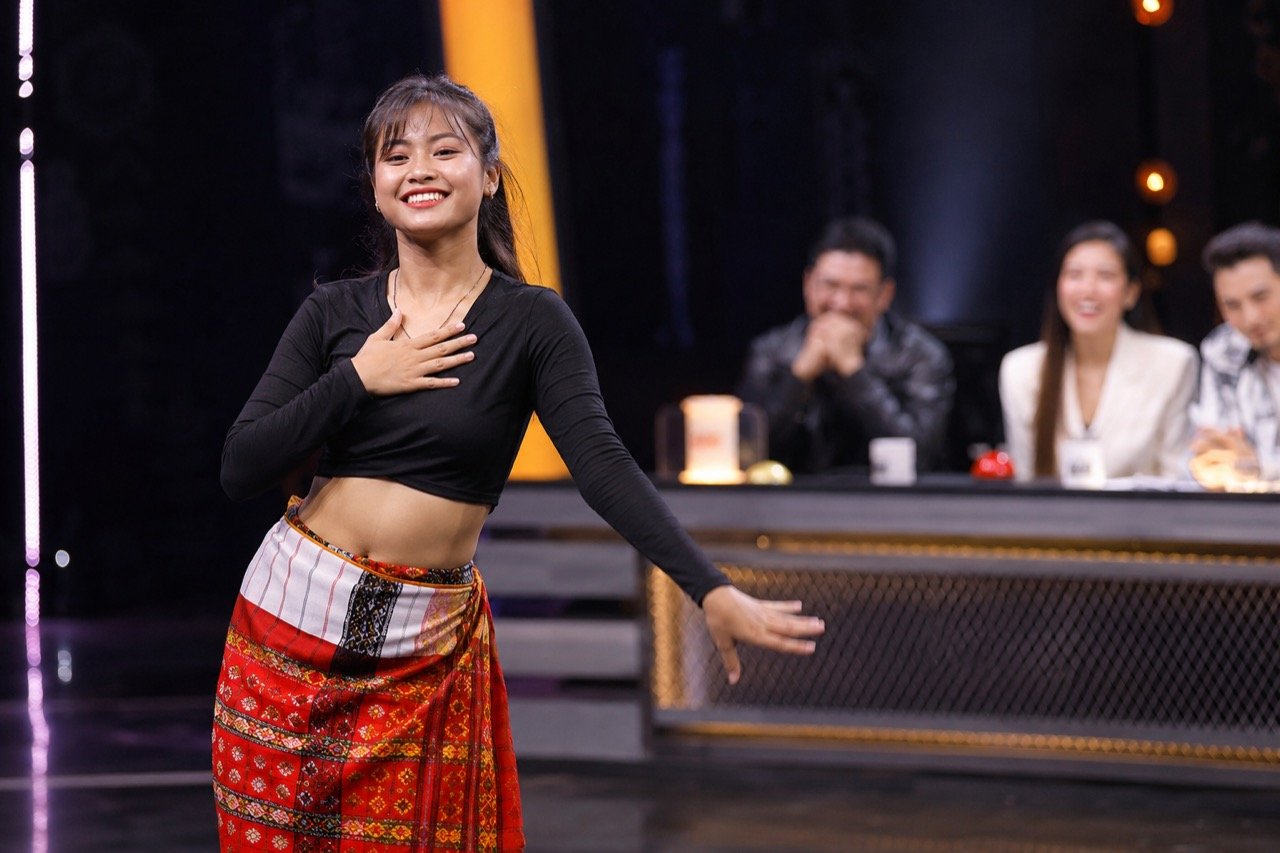
Geni Kamki on India's Got Latent: Viral Creators' New Route to Fame
Arunachal Pradesh dancer Geni Kamki's turn on India's Got Latent Season 2 shows how social-media creators with huge online followings are entering mainstream entertainment without waiting for traditional gatekeepers.
Zareen Khan's Paparazzi Confrontation Revives Debate Over Boundaries in Celebrity Coverage
Zareen Khan's firm response to an inappropriate paparazzo remark has gone viral, renewing discussion about consent, dignity and professional limits in celebrity photography.
More from this section
More
72nd National Film Awards: Fans Back Mammootty, Allu Arjun, Sai Pallavi
Speculation around the 72nd National Film Awards is intensifying as fan communities across India's language film industries champion favourites including Mammootty, Allu Arjun and Sai Pallavi ahead of any official announcement.

Aamir Khan Marries Gauri Spratt in Private Pali Hill Ceremony
Aamir Khan and Gauri Spratt tied the knot at the actor's Pali Hill home in Mumbai on July 5, turning a deliberately small family ceremony into Bollywood's biggest story of the day.
Akanksha Chamola's Lock Upp 2 Confession Sets Reality TV Abuzz
A personal revelation by Akanksha Chamola ahead of Lock Upp 2 has handed the reality show a viral talking point, underlining how confession-driven formats continue to dominate Indian television conversation.