Sohail Khan Recalls Salim Khan Health Scare That Shook the Family
Sohail Khan's emotional account of doctors warning the family they could lose screenwriter Salim Khan during a semi-coma episode has become one of Bollywood's most reflective stories of the day.
Commentary & Analysis ·
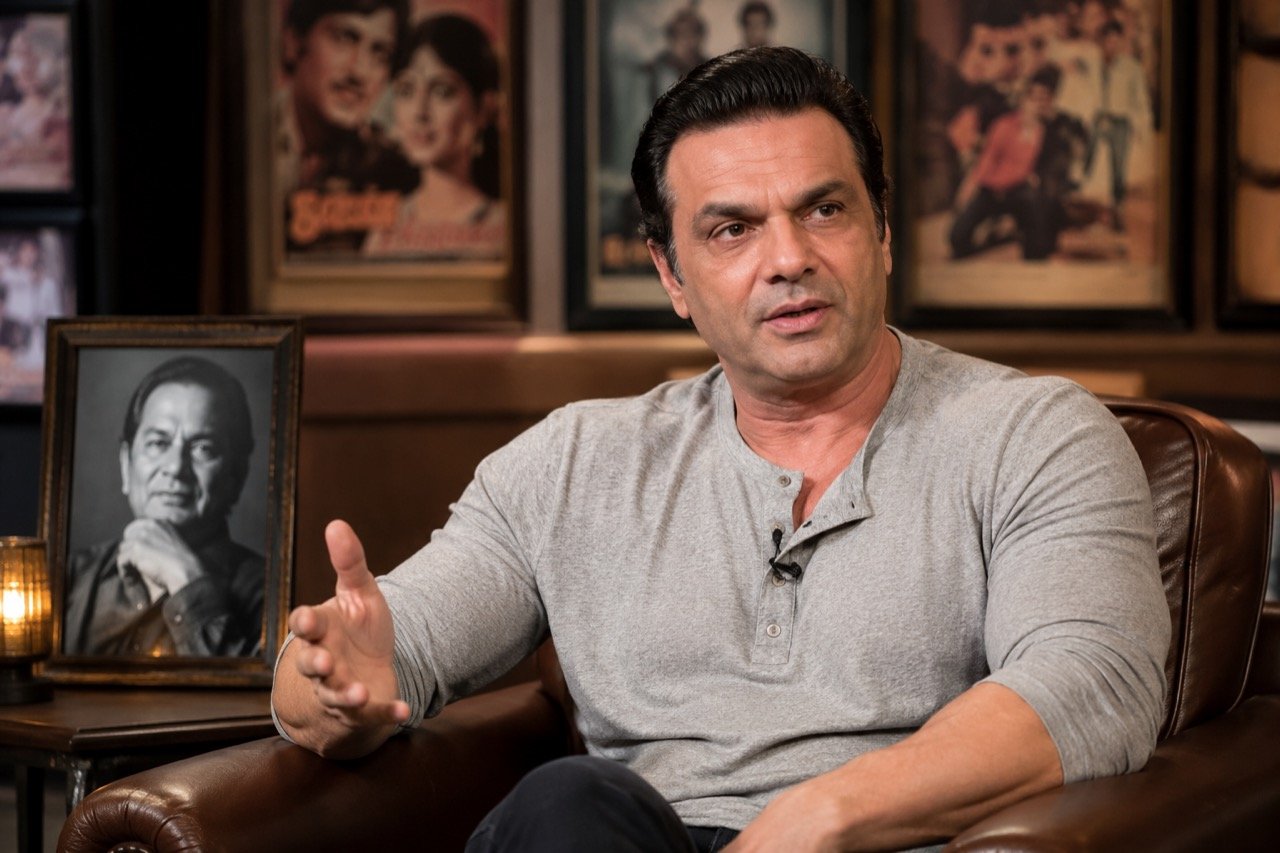
Sohail Khan's recollection of a frightening health episode involving his father, veteran screenwriter Salim Khan, has emerged as one of the more reflective Bollywood stories of the day. The actor-filmmaker recalled doctors warning the family that they might lose the "Salim-Javed" legend, describing a period when Salim Khan reportedly slipped into a semi-coma. This is not a release update or a box-office argument. Carried in entertainment coverage on July 5, the disclosure is a reminder that the public image of a famous screen family sits alongside deeply private fear, moments when medical uncertainty eclipses stardom, influence and legacy alike.
A legacy revisited through a private lens
Behind the Khan family shorthand, Salim Khan is best known as one half of the Salim-Javed partnership that shaped mainstream Hindi cinema in the 1970s and defined its angry-young-man era, and as the father of Salman, Arbaaz and Sohail Khan. That professional legacy is well documented: scripts that reshaped commercial storytelling, a body of work still referenced whenever the history of Hindi cinema's most influential decades is discussed, and a family name that has since become inseparable from the industry itself. Sohail's account, however, places that towering legacy in a quieter frame: an ordinary family waiting on a doctor's word, with visible emotion still attached to the memory years later. It is a useful corrective to how the public typically encounters figures like Salim Khan, almost exclusively through the prism of achievement, awards and career milestones, rarely through the fragile, uncertain moments that every family, however well known, must eventually confront.
Why the memory resurfaces now
There is no fresh medical bulletin attached to this story, no suggestion of a current crisis. What has resurfaced is a memory, shared voluntarily by a son in the course of an interview, of a past episode when the family feared the worst. The fact that such a recollection can generate meaningful attention on its own, without a controversy, a feud or a promotional tie-in attached to it, says something about what audiences are drawn to when a well-known family speaks plainly about a difficult period. It is the specificity of the detail, doctors warning of a possible semi-coma, that lends the account its weight, not embellishment but the plain admission of a moment when a family known for public confidence had none to offer.
Why candour now travels further
For decades, Hindi film publicity kept personal health crises outside the public frame unless they directly affected work, a shoot schedule, a release date, an actor's availability. That boundary has shifted markedly in recent years. Actors, producers and their relatives now revisit difficult periods on podcasts and in long-form interviews, often years after the events themselves, and those accounts feed into a wider, ongoing conversation about ageing, caregiving and the emotional labour that surrounds prominent families away from the cameras. This shift is partly a function of format: the long-form conversational interview, unlike a press junket built around a film, allows space for reflection rather than promotion. It is also a function of audience appetite, viewers increasingly respond to unscripted vulnerability from public figures rather than curated messaging, and interviewers have adapted accordingly, asking questions that would once have been considered off-limits.
The family behind the franchise
It is worth pausing on what this kind of disclosure does to the public's understanding of a filmmaking dynasty. Salim Khan's name is typically invoked alongside Javed Akhtar's as shorthand for a golden era of screenwriting, and his sons are among the most recognisable actors of their generation. That combination of professional stature and celebrity visibility can flatten a family into a brand, one associated with premieres, franchises and box-office numbers. Sohail Khan's account resists that flattening. It reminds audiences that the men behind the credits and the posters are also sons, brothers and fathers who have sat in hospital corridors not knowing what the next update would bring. The episode should be read as a personal recollection, not a fresh medical bulletin; there is nothing here to sensationalise beyond what Sohail Khan chose to share, and that restraint is itself part of what makes the account credible.
What this signals about celebrity culture in India
Stories of this kind also serve as a useful barometer for how celebrity journalism in India is evolving. A story built entirely on a recollection of vulnerability, without controversy, box-office stakes or a promotional hook, drawing sustained attention suggests audiences are not solely driven by spectacle or scandal. There is an appetite, too, for the ordinary anxieties that accompany extraordinary lives. For an industry frequently criticised for manufacturing narratives around its biggest names, an unforced and reflective account of a family's private fear stands out precisely because it asks for nothing beyond acknowledgement. It neither seeks sympathy through exaggeration nor uses the memory to promote a project, and that absence of an obvious agenda is likely part of why the story has resonated.
The NE Times View
The traction this story has found says something healthy about celebrity culture in India. It depends on no gossip, no feud and no announcement, only the emotional weight of a son remembering the moment a giant of Indian popular culture was simply a vulnerable parent. Film history, after all, is carried not just in credits and blockbusters but in the families who live with the fragility of the people behind them. If interviews like this nudge audiences and the industry toward franker conversations about ageing and care, the attention will have been well spent. As more public figures in India reach the age at which health scares become a recurring reality for their families, accounts like Sohail Khan's may increasingly serve as a template: honest, restrained, and free of the theatrics that so often accompany celebrity news.
Key takeaways
- Sohail Khan disclosed that doctors had once warned the family they might lose Salim Khan during a period when he reportedly slipped into a semi-coma, an account carried in entertainment coverage on July 5.
- Salim Khan's legacy as one half of the influential Salim-Javed screenwriting partnership, and as father to Salman, Arbaaz and Sohail Khan, gives the recollection added public resonance.
- The episode is a personal recollection rather than a current medical update, reflecting a broader shift toward candour about ageing and caregiving among prominent film families.
- The story's traction, built on emotional honesty rather than controversy or promotion, suggests a healthier strand within Indian celebrity culture.
- Such disclosures may encourage franker public conversations about ageing and care within India's film industry and beyond.
You may also like to read

Aamir Khan Confirms July 5 Wedding to Gauri Spratt: 'The News About the Marriage Is True'
The 61-year-old superstar has put months of speculation to rest, confirming an intimate registered marriage to longtime partner Gauri Spratt at his Mumbai home, with no grand celebration planned.

Aamir Khan's quiet July 5 wedding becomes Bollywood's big story
Reports that Aamir Khan has confirmed an intimate July 5 ceremony with Gauri Spratt have captivated Bollywood watchers precisely because the star is choosing privacy over spectacle.
Imran Khan on Andrew Tate: Bollywood Joins Role Model Debate
Imran Khan's blunt remarks about Andrew Tate's appeal to young men, and his credit to Aamir Khan as a positive influence, have pushed a Bollywood interview into a wider conversation about masculinity online.

Maatrubhumi CBFC Hold Claims Denied by Salman Khan Films
Salman Khan Films has publicly refuted reports that Maatrubhumi's CBFC certification was put on hold, adding a significant clarification to the film's pre-release news cycle and calming certification chatter.
More from this section
More
72nd National Film Awards: Fans Back Mammootty, Allu Arjun, Sai Pallavi
Speculation around the 72nd National Film Awards is intensifying as fan communities across India's language film industries champion favourites including Mammootty, Allu Arjun and Sai Pallavi ahead of any official announcement.

Aamir Khan Marries Gauri Spratt in Private Pali Hill Ceremony
Aamir Khan and Gauri Spratt tied the knot at the actor's Pali Hill home in Mumbai on July 5, turning a deliberately small family ceremony into Bollywood's biggest story of the day.

Akanksha Chamola's Lock Upp 2 Confession Sets Reality TV Abuzz
A personal revelation by Akanksha Chamola ahead of Lock Upp 2 has handed the reality show a viral talking point, underlining how confession-driven formats continue to dominate Indian television conversation.