Kyunki Saas Bhi Kabhi Bahu Thi Cast Reunion Sparks TV Nostalgia
Smriti Irani and the original cast of Kyunki Saas Bhi Kabhi Bahu Thi reunited for the show's anniversary, and the photos have pulled one of Indian television's most beloved family dramas back into public conversation.
Commentary & Analysis ·
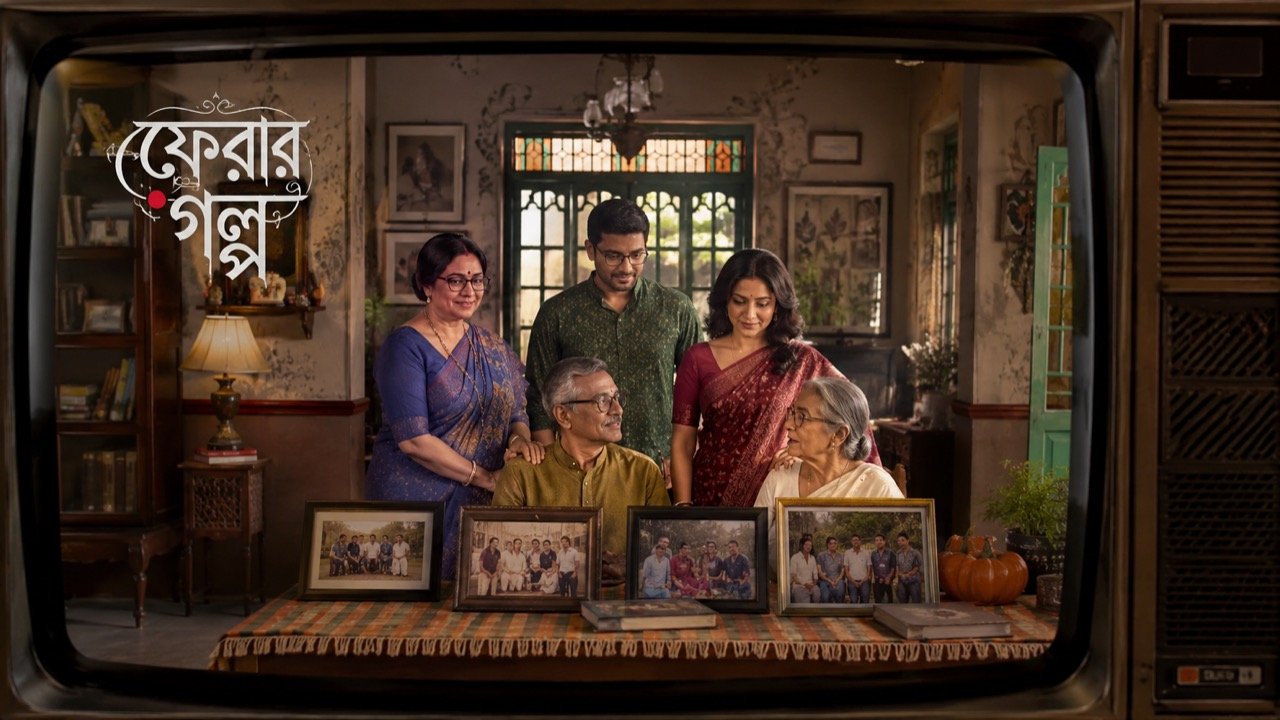
The original cast of Kyunki Saas Bhi Kabhi Bahu Thi has come together again, marking the show's anniversary with an intimate get-together that quickly spilled onto social media. Times of India coverage of the reunion, with Smriti Irani among the familiar faces, has revived one of Indian television's strongest nostalgia brands and set off a wave of viewer reminiscence. That a single photograph from a private gathering could dominate entertainment conversation for days says as much about the current state of Indian television as it does about the show itself.
More than a serial, a household habit
Kyunki was never just a long-running soap. Through the Virani family universe, anchored by Tulsi, Mihir and the sprawling Shantiniketan household, it became a nightly ritual for millions of Indian homes in the early 2000s. It defined the template for the family drama that would come to dominate the Ekta Kapoor era of Hindi television, a period in which entire prime-time schedules were built around the extended joint-family saga, replete with generational conflict, moral tests and an almost theatrical sense of continuity. For a show to still command headlines a quarter of a century after it first aired is not a small thing in an industry where most programming is forgotten within a season.
Part of what made Kyunki distinctive was its scale of ambition. It was not content to tell a single love story or a single household's troubles; it constructed an entire world with its own internal logic, rituals and recurring symbols, most famously the significance it attached to festivals, family hierarchy and the moral authority of its matriarch. That world-building is precisely why a reunion of its cast, even decades later, still carries emotional weight rather than reading as a simple publicity exercise.
Why legacy reunions travel so far online
Cast reunions of legacy shows reliably go viral because they let audiences measure the passage of time through characters they grew up with. A single group photograph carries decades of shared memory: the actors have visibly aged, their careers have branched in very different directions, and the television landscape itself has been transformed almost beyond recognition by the arrival of streaming. Smriti Irani's own path, from the show's lead actor to a career in national politics, is itself a striking illustration of how far these trajectories can diverge from the fictional roles that first made these performers household names.
There is also a generational dimension to this virality that is worth dwelling on. Many of the viewers reacting most enthusiastically online were children or teenagers when the show first aired, and are now adults revisiting that memory through a nostalgic, almost archaeological lens. For them, the reunion functions less as entertainment news and more as a marker of their own passage through time, a way of locating themselves against a fixed cultural reference point from childhood or adolescence.
Notably, this is a warmth-and-cast-bond story rather than a plot update or controversy. The gathering was anchored purely in the anniversary and the enduring emotional recall attached to the show, which is precisely what gives it its broad, gentle appeal across generations of viewers. There is no scandal to dissect, no rift to speculate about, no commercial agenda beyond the reunion itself; the story is simply the show, its cast, and the passage of time, and that simplicity is a large part of why it has resonated so widely.
What this says about the television industry today
For broadcasters, the enduring appeal of Kyunki offers a useful, if slightly uncomfortable, benchmark. Contemporary television production operates on far tighter cycles, with shows frequently rebooted, truncated or replaced as ratings fluctuate week to week. Few current productions are being built with the same long-horizon ambition, the assumption that a show might still be discussed, watched in reruns or fondly remembered a quarter of a century later. The reunion is, in that sense, a quiet reminder of what sustained investment in character and family universe can produce over time, even if such investment has become rarer in an era driven by shorter attention spans and more fragmented viewing habits.
It is also worth considering how the reunion intersects with the streaming era's own relationship to nostalgia. Streaming platforms have shown considerable appetite for reviving older properties, whether through archival re-releases, spin-offs or reunion specials, precisely because such content arrives with a built-in audience and requires little introduction. A reunion of this kind, even if organised informally rather than as a commercial production, demonstrates the raw appetite that still exists for this material, an appetite any platform with access to the original show's archives would do well to notice.
The audience perspective
For ordinary viewers, the pleasure of a reunion like this lies partly in reassurance. In a media environment that increasingly caters to individual taste through algorithmic recommendation, a show like Kyunki represents something rarer: a piece of culture that was, for a time, genuinely universal across Indian households, regardless of region, language preference or personal taste in entertainment. Seeing its cast together again offers a brief return to that sense of shared experience, however fleeting, at a moment when so much of media consumption has become solitary and personalised.
It is worth noting, too, that the emotional response to this reunion has not required any new creative output at all. No new episodes have been announced, no revival series confirmed; the entire wave of nostalgia has been generated purely by the fact of former cast members appearing together and being photographed. That is a testament to how deeply embedded the show's characters remain in public memory, needing no fresh material to reactivate that attachment.
The NE Times View
The staying power of Kyunki's brand, twenty-six years on, is a reminder that appointment television built something streaming has yet to replicate: a genuinely shared national viewing memory. Reunions like this resonate because they belong to everyone who lived through that era, not to an algorithmically fragmented audience assembled by a recommendation engine. For today's broadcasters and streamers, the lesson is that durable characters and family universes compound in cultural value over decades, an asset class that cannot be manufactured quickly or synthetically. Indian television's next great nostalgia brand is being written now, in whichever show is currently airing, though it remains genuinely uncertain whether any current production commands the same collective loyalty that would allow it to be revisited with this same intensity a generation from now.
Key takeaways
- The reunion of Kyunki Saas Bhi Kabhi Bahu Thi's original cast, marking the show's anniversary, went viral through Times of India coverage and widespread social media reminiscence.
- The show's Virani family universe, centred on Tulsi, Mihir and the Shantiniketan household, defined the family-drama template of the Ekta Kapoor era of Hindi television in the early 2000s.
- The reunion's appeal lies in its purity as a warmth-and-nostalgia story, free of plot updates or controversy, and in the visible passage of time seen in cast members such as Smriti Irani, who moved from acting into national politics.
- The episode highlights a structural contrast between legacy appointment television, which built shared national viewing memories, and today's fragmented, algorithm-driven streaming landscape.
- Whether any current Indian television show can achieve comparable multi-generational loyalty decades from now remains an open question for the industry.
You may also like to read
Vivian Dsena’s Laughter Chefs Exit and the Rotating-Cast Problem
Reports that Vivian Dsena has stepped away from Laughter Chefs, reportedly to take up a new fiction project, have generated the kind of fan discussion that follows any departure from a beloved

Khatron Ke Khiladi 15: Everything You Need to Know Before the July Premiere
After an unusually long wait, television’s most feared reality franchise is finally strapping back in.
MasterChef India 9 Serves a ‘Pride of India’ Finale — and Crowns a Nagpur Pair
The ninth season of MasterChef India has plated its final dish, and for the first time in the show’s history, two names share the title.

Divya Ganesan Crowned Bigg Boss Tamil 9 Champion
The ninth season of Bigg Boss Tamil has its winner.
More from this section
More
72nd National Film Awards: Fans Back Mammootty, Allu Arjun, Sai Pallavi
Speculation around the 72nd National Film Awards is intensifying as fan communities across India's language film industries champion favourites including Mammootty, Allu Arjun and Sai Pallavi ahead of any official announcement.

Aamir Khan Marries Gauri Spratt in Private Pali Hill Ceremony
Aamir Khan and Gauri Spratt tied the knot at the actor's Pali Hill home in Mumbai on July 5, turning a deliberately small family ceremony into Bollywood's biggest story of the day.
Akanksha Chamola's Lock Upp 2 Confession Sets Reality TV Abuzz
A personal revelation by Akanksha Chamola ahead of Lock Upp 2 has handed the reality show a viral talking point, underlining how confession-driven formats continue to dominate Indian television conversation.