Rajasthan Detention Over RSS-Linked Instagram Video Reignites Free-Speech Debate
The detention of an Instagram user in Rajasthan over a video involving RSS-linked imagery has reopened a debate on social-media speech, proportionate policing and online public order.
Commentary & Analysis ·
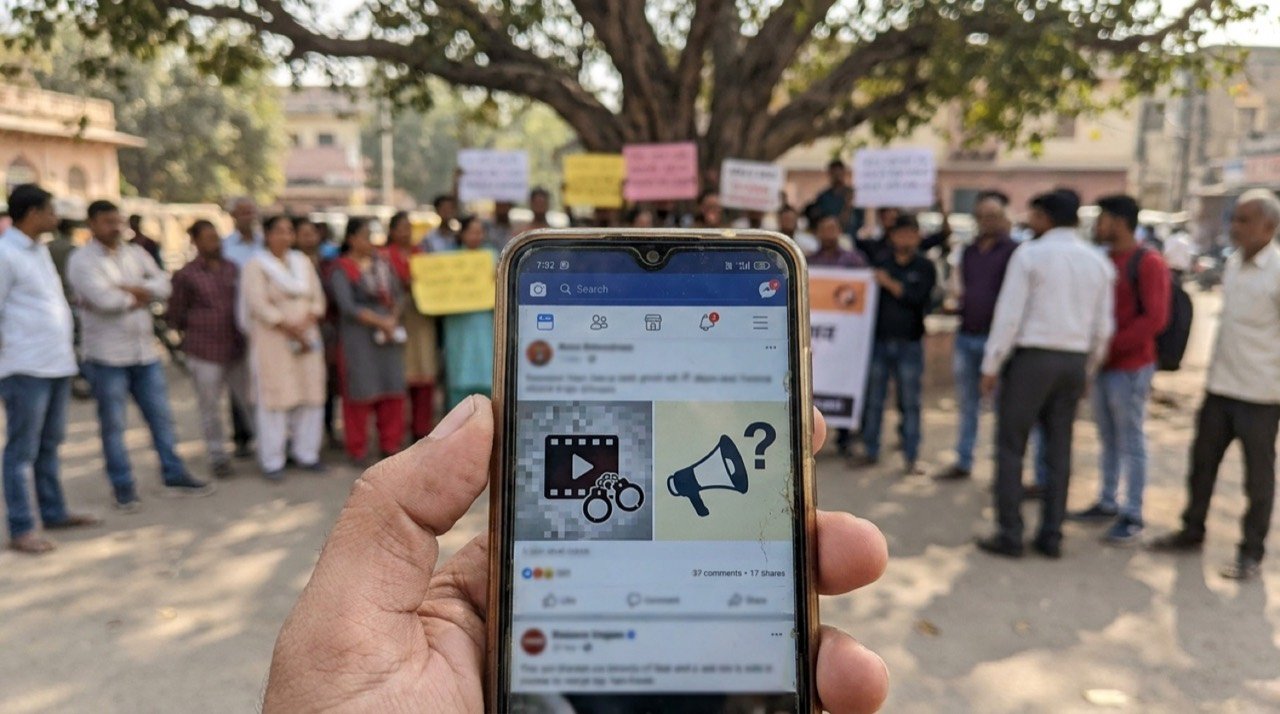
The detention of an Instagram user in Rajasthan over a video involving imagery linked to the Rashtriya Swayamsevak Sangh (RSS) has reopened a familiar and unresolved debate in India: how should the state respond to contentious social-media content without overreaching into protected speech?
Where complaint meets the Constitution
When police act on a complaint about online material, they operate at the intersection of two duties. One is to maintain public order and respond to grievances that may cite the law; the other is to respect constitutional protections for expression that the courts have repeatedly affirmed.
The tension is sharpest when the content touches a politically sensitive subject. Acting too readily risks chilling lawful speech and inviting accusations of selective enforcement; acting too slowly risks letting genuinely inflammatory material spread. Proportionality is the principle that is supposed to hold the two in balance.
Why short videos change the calculus
Modern platforms have compressed the timeline. A short clip can travel across a state, and across the country, far faster than any official clarification or measured response. By the time context arrives, the original content may already have shaped local sentiment.
That speed places a premium on calibrated, transparent enforcement. Heavy-handed action can itself become the story, amplifying the very content it sought to contain, while inaction can allow tensions to harden before anyone intervenes.
A test of consistent standards
Cases like this matter beyond the individual involved because they signal how authorities intend to treat online expression more broadly. Clear, consistent and explainable standards help citizens understand where the line falls, and reassure the public that enforcement is driven by law rather than by the political colour of the content.
- An Instagram user in Rajasthan was detained over a video involving RSS-linked imagery.
- The case raises questions about social-media speech, policing and public order.
- Police action must balance legal complaints with constitutional protections.
- Short videos spread faster than official clarifications, raising the stakes.
- Proportionate, transparent enforcement is central to maintaining public trust.
“Enforcement around online speech has to be proportionate and explainable, or it risks becoming the controversy itself.”
— Civil-liberties commentators on the Rajasthan case
As the matter develops, attention will focus on the legal basis cited for the detention and on whether the response is seen as measured. The episode is a reminder that in an era of instant virality, the credibility of policing online speech rests on restraint, clarity and even-handedness.
The NE Times View
Detaining a user over an Instagram video again raises the hard question of where protected speech ends and a genuine public-order threat begins. Policing must be proportionate and content-neutral, not a reflex against criticism. The NE Times view is that the state has a legitimate interest in preventing real incitement, but detention for online posts should clear a high, clearly defined bar; otherwise routine offence-taking becomes a tool that quietly shrinks the space for lawful expression.
This article is original commentary and analysis by The NE Times. Background facts were referenced from Times of India and The Indian Express.
You may also like to read
Rajasthan Custody Over RSS Video Puts Free Speech and Policing in the Spotlight
A social-media user's video on RSS-style activity in a playground has landed him in Rajasthan Police custody, triggering a political row over whether commentary has been criminalised.

Khatu Shyamji Rail Connectivity Plan Could Ease Rajasthan Pilgrimage Pressure
A rail-connectivity push for Rajasthan's high-footfall Khatu Shyamji could reshape how pilgrims travel, easing road congestion and supporting local businesses if delivered well.

India Passport Ranking 2026: 125th Place Renews Visa-Free Debate
India's 125th position in the latest global passport index, a list topped by Singapore, has revived questions about visa-free access, travel friction and what mobility rankings really measure for ordinary travellers.
Jaipur Jeweller Robbery Renews Focus on Urban Retail Security
Masked men robbed a Jaipur jeweller of gold, silver and cash, reigniting concern over the safety of high-value retail businesses in India's crowded commercial markets.
More from this section
More
AICTE Industry Fellowship 2026: Rs 1.5 Lakh Scheme Closes July 5
The AICTE Industry Fellowship Programme 2026, which places technical-education faculty inside leading companies on a Rs 1.5 lakh monthly stipend, reached its application deadline on July 5.
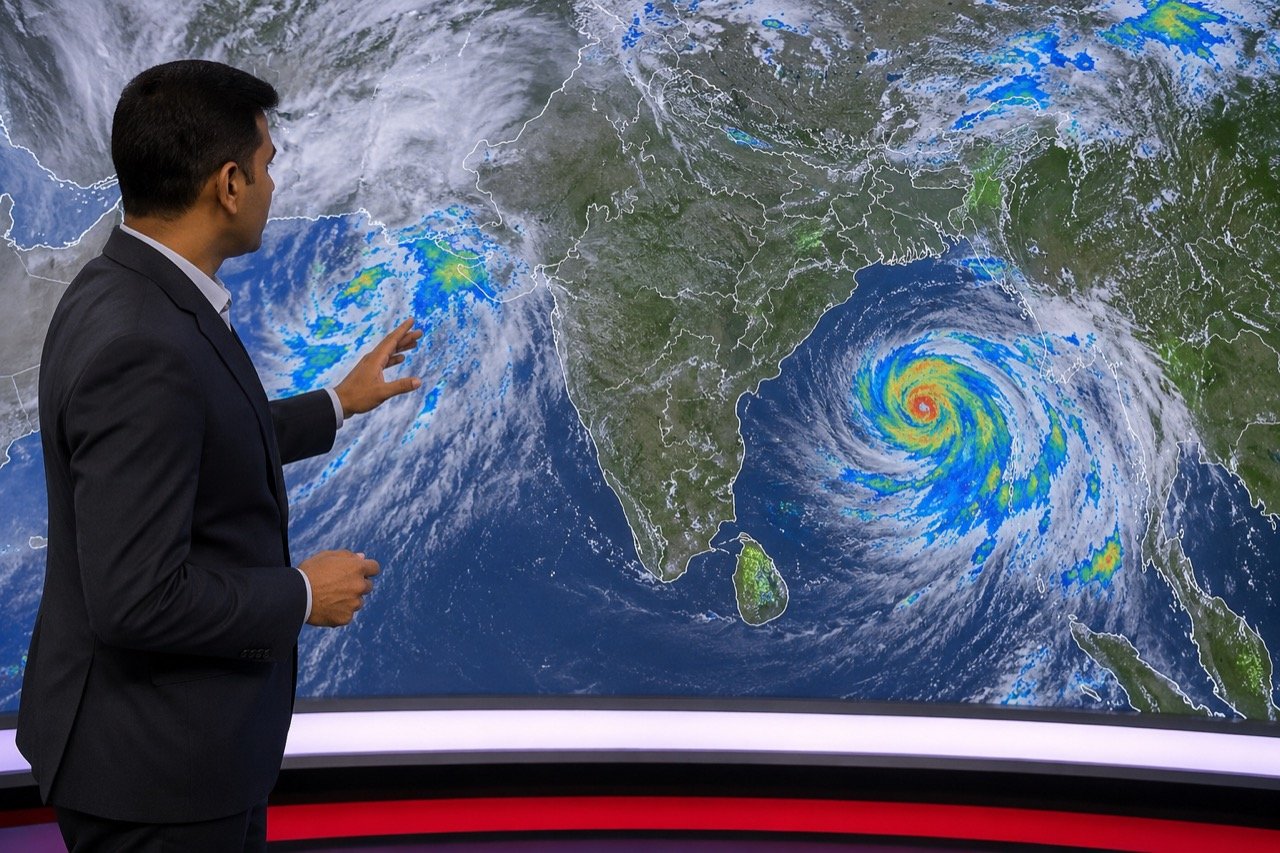
Bay of Bengal Low Pressure System Revives Monsoon Over Western India
A low-pressure system over the Bay of Bengal has pushed the monsoon back into an active phase, bringing steady heavy rain to Kerala, coastal Karnataka and Maharashtra, and putting Mumbai and Pune on preparedness watch.
Bishnoi Gang Suspects Injured in Haryana Encounter as Police Tighten Net
A joint Haryana-Delhi Police operation in Bahadurgarh left two suspected Lawrence Bishnoi gang members injured, spotlighting the multi-state coordination now central to India's fight against organised crime networks.