Jaipur Jeweller Robbery Renews Focus on Urban Retail Security
Masked men robbed a Jaipur jeweller of gold, silver and cash, reigniting concern over the safety of high-value retail businesses in India's crowded commercial markets.
Commentary & Analysis ·
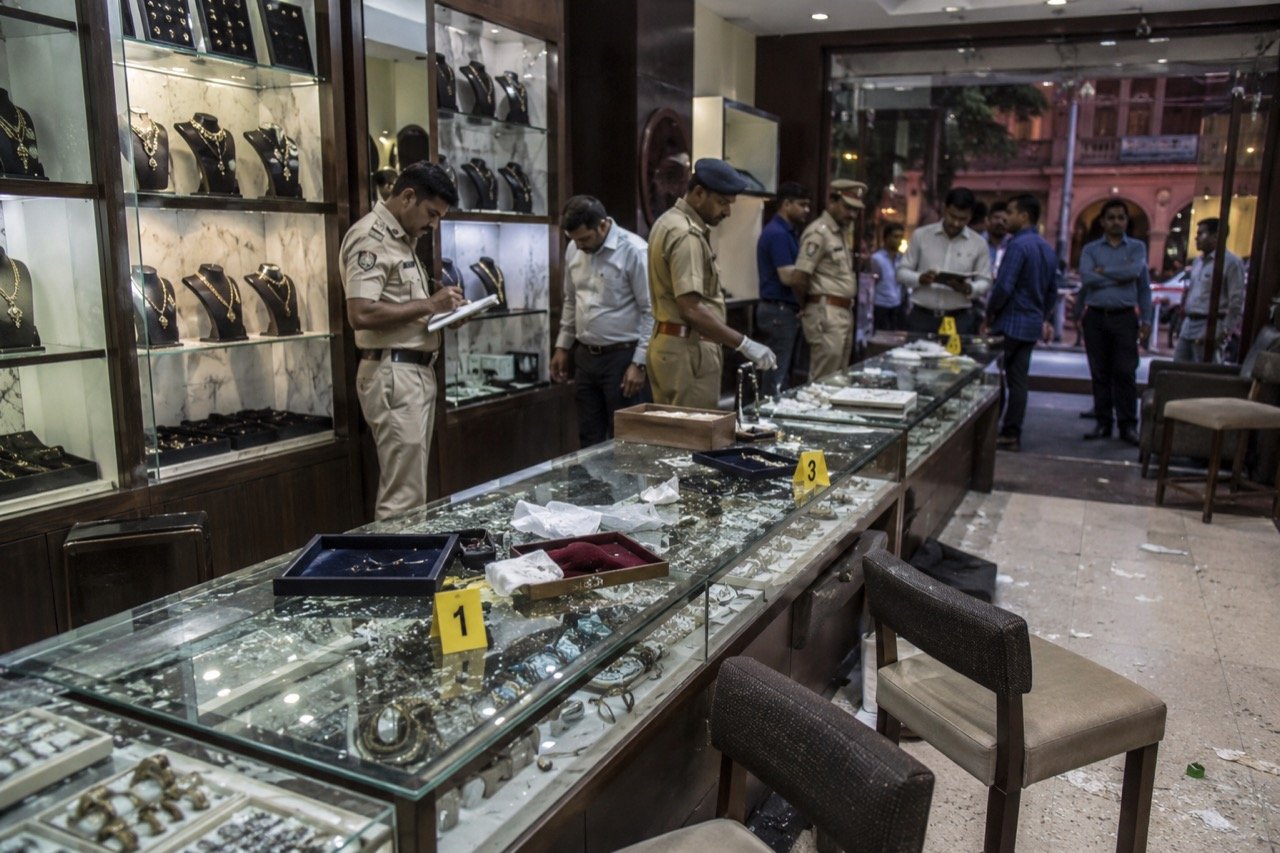
A jeweller in Jaipur was attacked and robbed of silver, gold and cash by a group of masked men, an incident that has once again pushed the security of urban retail businesses into public debate. The robbery featured among the day's national crime updates and has drawn attention to how exposed high-value shops remain in dense commercial districts across Indian cities. On the surface it is a single criminal act with a limited set of confirmed facts: an armed or masked gang, a jewellery shop, and a haul of precious metal and cash. But the pattern it fits is a familiar one, and that familiarity is precisely why it deserves more scrutiny than a one-day crime report typically receives.
Why jewellery shops are prime targets
Jewellery businesses present a particular combination of vulnerabilities that make them recurring targets for organised offenders. Their inventory is compact, portable and extraordinarily high in value relative to its size, meaning a single successful strike can yield a payoff disproportionate to the risk and effort involved. Compounding this, most jewellery retailers in cities like Jaipur operate from crowded, historic market areas rather than purpose-built commercial complexes with modern perimeter security. Narrow lanes, dense footfall and a maze of interconnecting streets that are commercially convenient for customers also happen to be operationally convenient for criminals, offering multiple entry and exit routes and making pursuit or containment difficult for responding police. Many of these shops additionally handle substantial cash alongside gold and silver stock, which further raises the potential reward from a single incident. Taken together, these factors mean that jewellery retail sits at a structural disadvantage compared with other high-value commercial sectors, one that persists regardless of how much any individual shop owner invests in locks, safes or staff vigilance.
What the investigation will hinge on
As with most urban robbery cases, the pace and success of this investigation will depend on a set of familiar policing fundamentals rather than any dramatic breakthrough. Chief among these is how quickly usable CCTV footage can be recovered, both from the shop itself and from surrounding establishments and traffic points along likely escape routes. Equally important is whether investigators can trace the physical path the assailants took away from the scene, since gangs of this kind typically plan exit routes as carefully as the robbery itself. A third factor, often underappreciated in public commentary, is the degree of coordination between police and local market or trader associations, who frequently hold informal knowledge of a commercial district's blind spots, recent suspicious activity or prior threats that never made it into a formal complaint. At the time of reporting, investigators have not released any details on motive or the identity of those involved, and the verified facts extend only to the robbery itself, the categories of goods targeted, and the broad location. Any further detail at this stage would be speculative, and speculation in cases like this tends to do more harm than good, both to the investigation and to public confidence.
The ripple effects on business confidence
Incidents of this kind rarely stay contained to the shop that was targeted. News of a successful robbery travels fast through a market community, and the psychological effect on neighbouring traders can be significant even when their own premises were never at risk. Shop owners in the vicinity typically respond in predictable ways: reviewing their guard arrangements, testing or upgrading alarm systems, revisiting insurance coverage to ensure it reflects current stock values, and reconsidering opening-hour protocols such as staggered cash collection or reduced display inventory during quieter hours. These are sensible individual precautions, but they are also costly, and they are frequently applied unevenly, with better-resourced shops able to harden their defences while smaller traders are left comparatively exposed. At the same time, authorities come under immediate pressure to demonstrate visible policing in the affected trading district, often through increased patrols or public reassurances, responses that address perception in the short term but do not necessarily change the underlying structural vulnerabilities that made the robbery possible in the first place.
The limits of shop-by-shop security
It is worth pausing on why individual precautions, however sensible, are unlikely to solve the underlying problem. A single shop can install better locks, hire additional guards or fit a more sophisticated alarm, but a determined and organised gang can simply shift its attention to the next premises along the lane that has not made the same investment. This is the classic dynamic of security as a collective-action problem: value accrues to a market or district when protective measures are coordinated across many businesses simultaneously, but the incentive for any single shop owner to invest heavily is weaker when neighbours are not doing the same. Dense, historic commercial areas like those found in Jaipur's jewellery trade are especially prone to this dynamic, because their layout was never designed with modern retail security in mind, and retrofitting individual shops piecemeal cannot overcome the shared vulnerabilities created by shared streets, shared blind spots and shared foot traffic.
The NE Times View
This robbery is a reminder that India's booming gold and jewellery trade still rests on thin security foundations in many cities. Individual shops cannot be expected to out-invest organised crime on their own; what works is market-level coordination — shared CCTV networks that cover entire lanes rather than isolated storefronts, rapid-response arrangements with local police that shorten the gap between an alarm being raised and officers arriving, and standardised cash-handling norms that reduce the amount of loose cash and inventory exposed at any given time. Jaipur, as one of the country's most important jewellery hubs and a major draw for both domestic and international buyers, should treat this incident as a prompt to institutionalise such measures rather than as an isolated crime to be forgotten once the immediate news cycle passes. The reputational stakes are not trivial either: a city whose commercial credibility rests partly on its jewellery trade has good reason to ensure that trade is, and is seen to be, well protected. Until police release verified details on the identity, motive or method of the perpetrators, speculation about the gang or its planning serves no one, and responsible commentary should resist the temptation to fill that gap with conjecture.
Key takeaways
- A Jaipur jeweller was robbed of silver, gold and cash by a group of masked men, reviving debate over urban retail security.
- Jewellery shops remain prime targets due to portable high-value stock, dense market locations and significant cash handling.
- The investigation will depend on CCTV recovery, tracing escape routes and coordination between police and market associations.
- Individual shop-level security upgrades cannot fully offset structural vulnerabilities that require market-wide coordination.
- The NE Times View: Jaipur should use this incident to institutionalise shared security measures rather than treat it as an isolated event.
You may also like to read
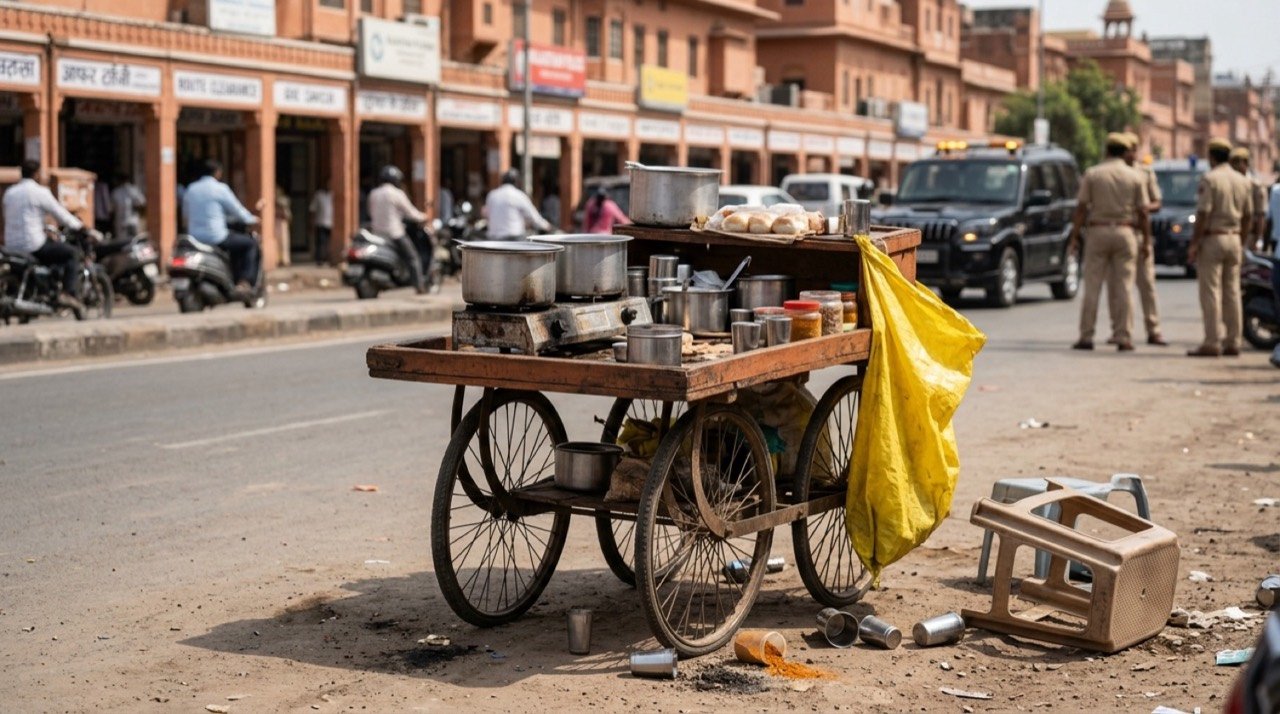
Jaipur Vendor's Burn Injury Raises Questions Over VIP Convoy Route Clearance
A woman street vendor in Jaipur suffered serious burns during a police road clearance for the Rajasthan CM's convoy, reviving questions over how VIP movement is managed without harming ordinary workers.
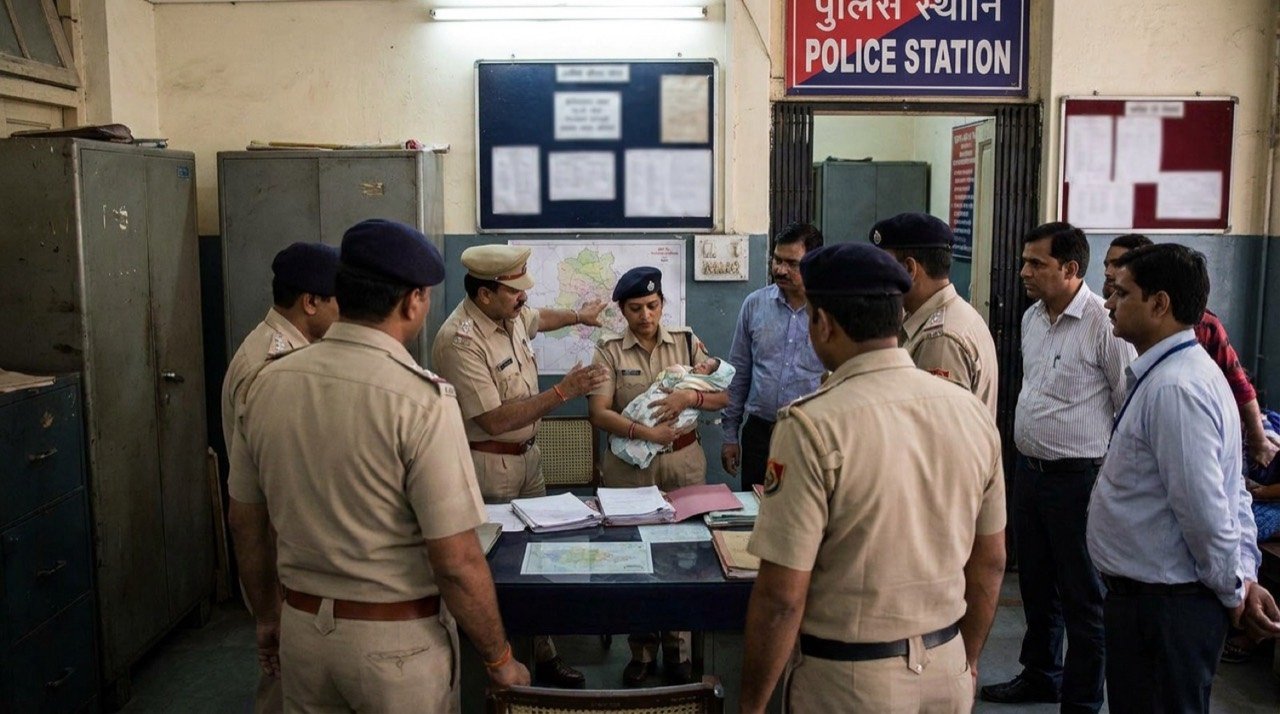
Delhi Infant Rescue Renews Focus on Child-Trafficking Networks
Delhi Police have rescued a 25-day-old infant and arrested two people in a suspected child-trafficking case, reviving concern over organised networks and gaps in missing-child safeguards.
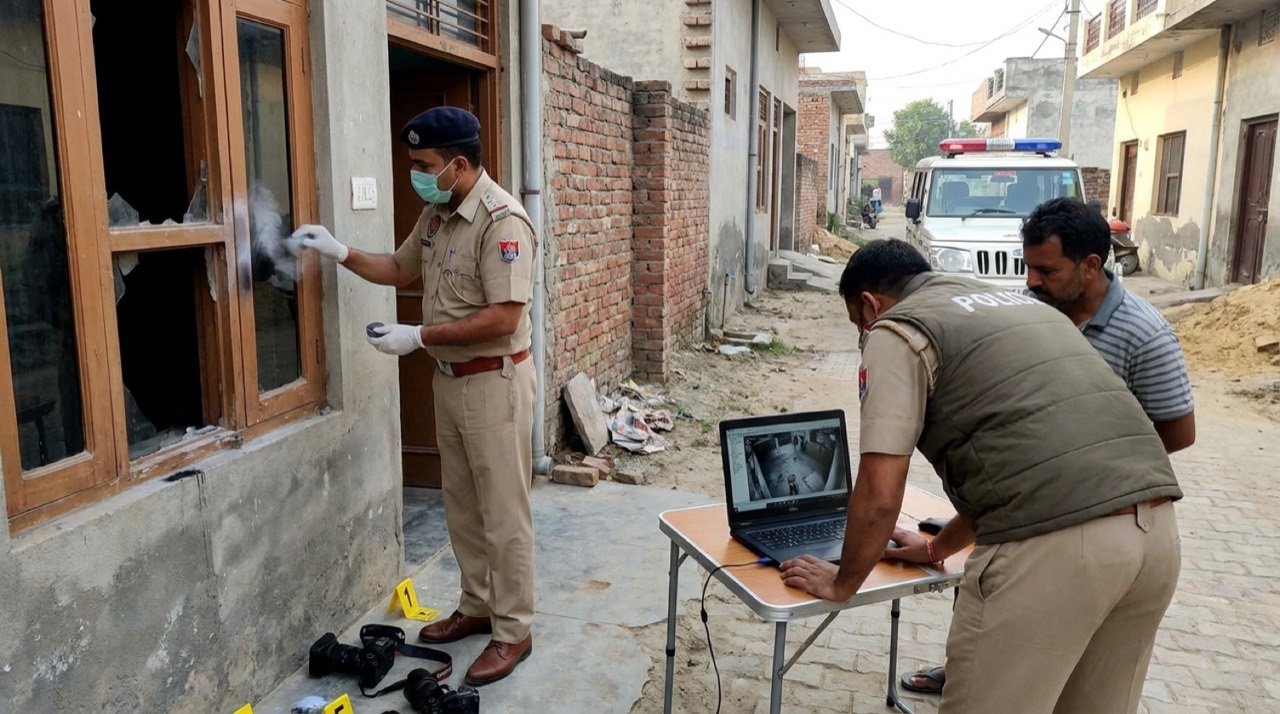
Sangrur Burglary During Family Mourning Puts Village Security in Focus
Burglars allegedly struck the Sangrur home of an AAP-linked leader while the family mourned a relative, raising hard questions about rural home security and quick evidence collection.
Jaipur Woman Arrested Under UAPA Over Alleged Jaish Links
Rajasthan's ATS has arrested a Jaipur woman under the UAPA over alleged online contact with Jaish-e-Mohammed-linked individuals, putting the spotlight on digital trails in national-security probes.
More from this section
More
AICTE Industry Fellowship 2026: Rs 1.5 Lakh Scheme Closes July 5
The AICTE Industry Fellowship Programme 2026, which places technical-education faculty inside leading companies on a Rs 1.5 lakh monthly stipend, reached its application deadline on July 5.

Bay of Bengal Low Pressure System Revives Monsoon Over Western India
A low-pressure system over the Bay of Bengal has pushed the monsoon back into an active phase, bringing steady heavy rain to Kerala, coastal Karnataka and Maharashtra, and putting Mumbai and Pune on preparedness watch.
Bishnoi Gang Suspects Injured in Haryana Encounter as Police Tighten Net
A joint Haryana-Delhi Police operation in Bahadurgarh left two suspected Lawrence Bishnoi gang members injured, spotlighting the multi-state coordination now central to India's fight against organised crime networks.