Sangrur Burglary During Family Mourning Puts Village Security in Focus
Burglars allegedly struck the Sangrur home of an AAP-linked leader while the family mourned a relative, raising hard questions about rural home security and quick evidence collection.
Commentary & Analysis ·
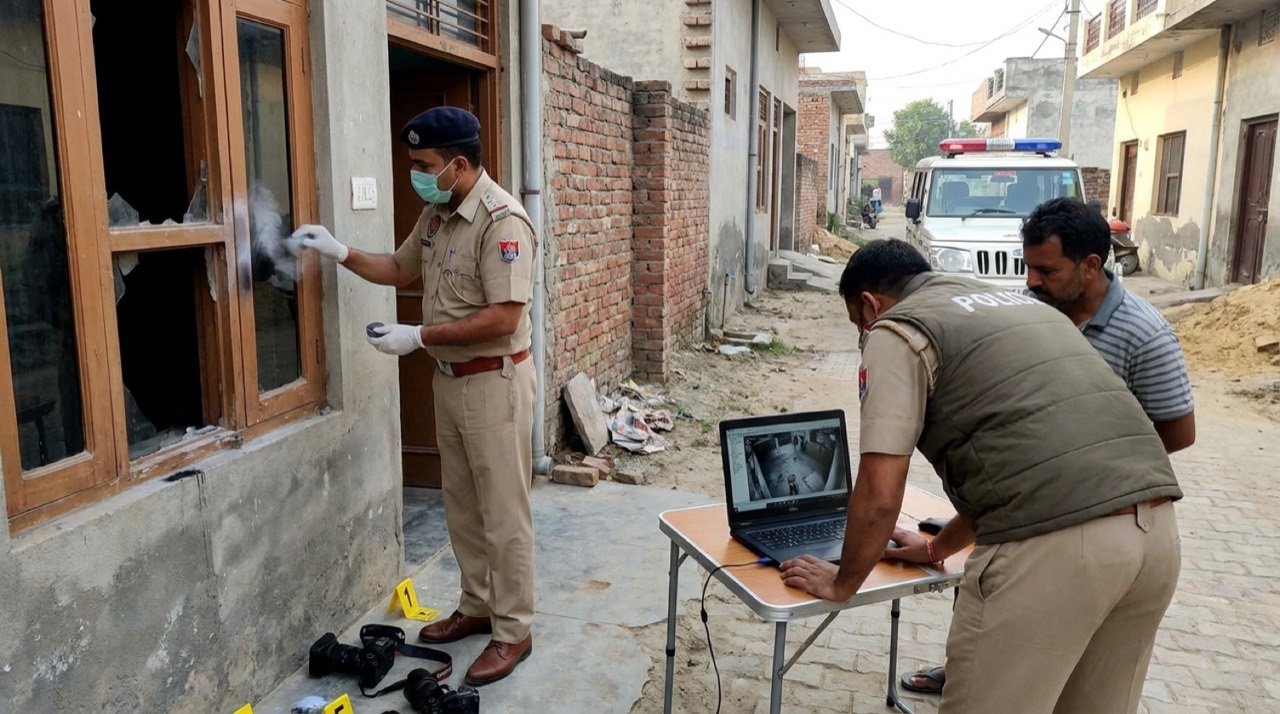
A burglary in Punjab's Sangrur district has unsettled local residents, not only for what was taken but for when it happened. According to India Today's Punjab news listing, burglars allegedly made off with gold jewellery and cash from the home of Pragat Singh, a local leader linked to the Aam Aadmi Party, while the family was in mourning over the death of a relative. The bare facts of the case are simple enough, a theft of jewellery and cash from a private residence, but the circumstances surrounding it have given the episode a resonance that reaches well beyond one household in one district.
A break-in timed to grief
It is the timing that has most disturbed the neighbourhood. The household was distracted by bereavement when the theft occurred, a detail that has fuelled suspicion the accused may have known the family was preoccupied and the home effectively unguarded. Whether that knowledge points to surveillance of the house beforehand or to local awareness of the mourning is now a central thread of the inquiry. In many Indian towns and villages, a death in the family is a communal event as much as a private one, mourners gather, relatives travel in, and the household's usual rhythms of coming and going are disrupted for days. That very openness, which is meant to bring a community closer at a difficult moment, can also become a signal to those looking for an unguarded door. If the accused indeed timed their entry to coincide with the funeral rites, it suggests either careful prior observation of the house or simply an opportunistic reading of a well-known local event, both of which raise uncomfortable questions about how exposed households become at precisely the moments they can least afford to be vigilant.
The investigation so far
Police have reportedly begun gathering forensic and visual evidence, collecting fingerprints and reviewing CCTV footage as part of their investigation. Those early steps will be crucial in reconstructing how the burglars entered, how long they were inside and which direction they fled. Investigators will also need to weigh the possibility of insider knowledge, establish the value of the stolen items and determine whether the property had been cased in advance. Each of these lines of inquiry carries its own weight. Fingerprint evidence, if usable, can place a specific individual at the scene, but such evidence is only as good as the speed and thoroughness with which it is collected and matched against existing records. CCTV footage, where it exists, can help establish a timeline and possibly identify vehicles or individuals moving in or around the property before and after the incident. The question of insider knowledge is perhaps the most delicate to investigate, since it implicates not strangers but potentially people known to the family, domestic staff, distant relatives, or neighbours aware of the household's routines and the timing of the funeral.
Why the political identity of the victim matters, and does not
Pragat Singh's association with the Aam Aadmi Party has understandably drawn attention to this case beyond what a similar burglary against a private, non-political household might attract. There is a natural temptation to read political motive into any crime touching a party functionary, especially in a state like Punjab where political rivalries can run deep at the local level. Yet nothing in the available facts points to a politically motivated act rather than an opportunistic property crime. The more instructive angle is not who the victim is politically, but what his case reveals about the baseline of security and policing capacity available even to a household with some public profile and presumed connections. If a locally known figure's home can be burgled during a period of visible, publicised mourning, and if the resulting evidence-gathering proceeds at the same measured pace as any ordinary case, that says something important about the uniformity, or lack of it, in how rural crime is investigated regardless of who the victim happens to be.
A wider lesson on rural security
Beyond the political identity of the victim, the case speaks to a broader vulnerability in rural and semi-urban India, where home security and neighbourhood surveillance are often patchy and households can be exposed during moments of distraction such as funerals and family gatherings. Unlike in dense urban colonies with private security guards, gated entrances and networked CCTV systems, many village and small-town homes rely on informal vigilance, neighbours noticing unfamiliar faces, extended family keeping half an eye on the house, and a general assumption that a close-knit community will notice when something is amiss. That assumption breaks down precisely when the community's attention is drawn elsewhere, as it is during a death in the family, when grief and ritual obligation take precedence over the everyday habits of watchfulness. The specific threads investigators are now pursuing illustrate this vulnerability well: the entry routes used by the accused and how access was gained, the possibility of insider knowledge of the family's mourning, the value and nature of the stolen jewellery and cash, whether the accused surveyed the house earlier, and the strength of fingerprint and CCTV evidence collected. Taken together, these threads describe not just one crime but a pattern of exposure that could apply to countless other homes across the region during similar moments of distraction.
What happens next
The outcome will hinge on how quickly police can convert early forensic leads into identification and arrests. As India Today's Punjab listing put it, in a line worth preserving as a summary of the case's core suspicion, "the timing of the burglary suggested that the accused may have known the household was distracted by grief." That single observation frames everything that follows in the investigation. For residents of Sangrur and similar towns, the episode is a pointed reminder of the value of CCTV coverage, alert neighbours and rapid evidence collection, the everyday safeguards that can make the difference when a home is targeted at its most vulnerable moment. Whether the case ends in a swift arrest or drags on inconclusively will itself be a data point for how much confidence residents can place in local policing capacity, not just in Sangrur but in comparable towns across Punjab facing the same structural gaps in rural security infrastructure.
The NE Times View
A burglary during a family's mourning is grim opportunism, but the larger story is how thin rural policing and forensics remain when a high-profile home is hit. If even a connected leader's house yields slow evidence collection, the ordinary villager has little chance of redress. Rural security needs investment in basic investigation, not just outrage when a name is attached. The temptation in cases like this is to treat the political affiliation of the victim as the story, when the more durable and more important story is the state of forensic capacity, CCTV penetration, and community vigilance that determines whether any household in rural Punjab, well-connected or otherwise, can expect a timely and competent response when it is targeted. Sustainable improvement will not come from one high-profile case receiving expedited attention, but from consistent investment in the basic tools of investigation available to every police station regardless of who happens to be affected.
Key takeaways
- Burglars allegedly stole gold jewellery and cash from the Sangrur home of Pragat Singh, a local Aam Aadmi Party-linked leader, while the family was mourning a relative's death.
- The timing has raised suspicion of prior surveillance or insider knowledge of the household's mourning, now a central focus of the police inquiry.
- Investigators are collecting fingerprints and reviewing CCTV footage to reconstruct entry, movement and escape, while also assessing the value of stolen items and possible insider involvement.
- The case highlights a wider vulnerability in rural and semi-urban India, where informal community vigilance can lapse during funerals and family gatherings.
- The pace and outcome of the investigation will test whether rural policing and forensic capacity can deliver timely results regardless of a victim's public profile.
You may also like to read
Jaipur Jeweller Robbery Renews Focus on Urban Retail Security
Masked men robbed a Jaipur jeweller of gold, silver and cash, reigniting concern over the safety of high-value retail businesses in India's crowded commercial markets.
Chhattisgarh Shopkeeper Arrested in Alleged Serial Poisoning of Eight Men
Police in Chhattisgarh's Balodabazar district have arrested a shopkeeper accused of poisoning eight men over months with borax-laced alcohol, in a case that gripped Kharve village with fear.
Delhi Child Murder Case Puts Footpath Safety and Fast Policing Under Scrutiny
The killing of a 10-year-old girl sleeping on a Delhi footpath, with an arrest made within hours, has forced hard questions about pavement dwellers, night-time safety and the speed of missing-child response.
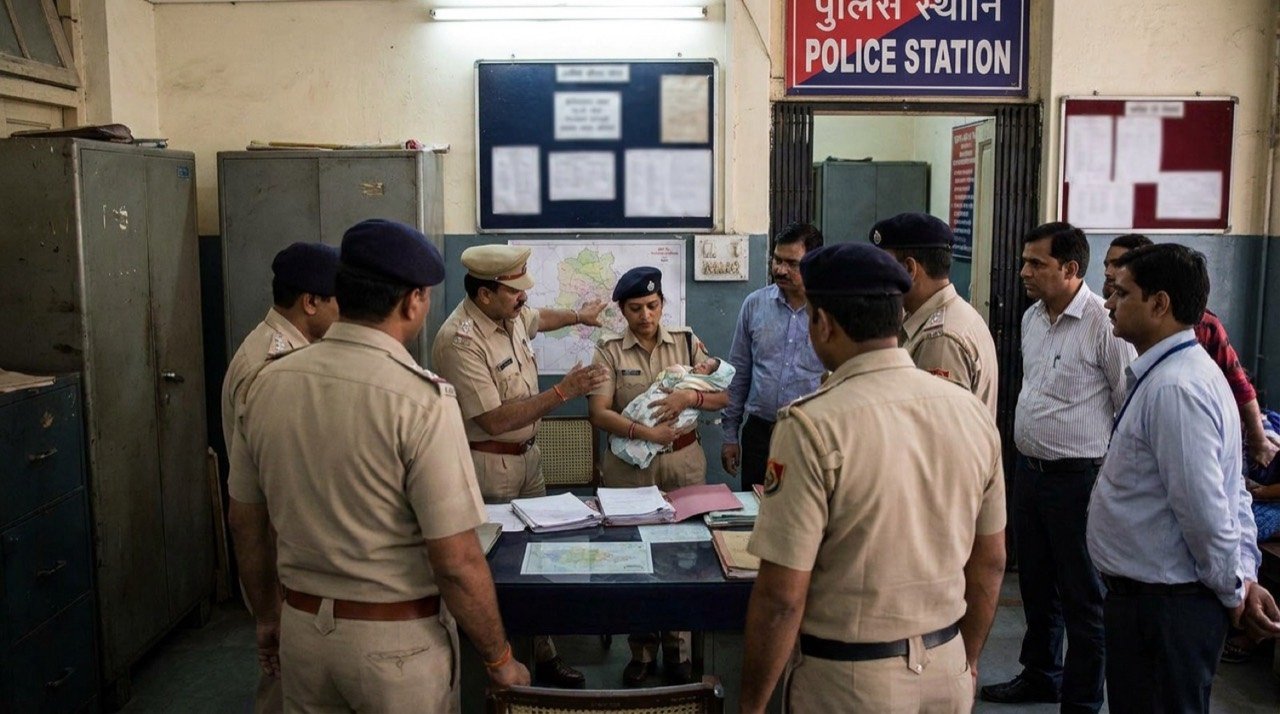
Delhi Infant Rescue Renews Focus on Child-Trafficking Networks
Delhi Police have rescued a 25-day-old infant and arrested two people in a suspected child-trafficking case, reviving concern over organised networks and gaps in missing-child safeguards.
More from this section
More
AICTE Industry Fellowship 2026: Rs 1.5 Lakh Scheme Closes July 5
The AICTE Industry Fellowship Programme 2026, which places technical-education faculty inside leading companies on a Rs 1.5 lakh monthly stipend, reached its application deadline on July 5.

Bay of Bengal Low Pressure System Revives Monsoon Over Western India
A low-pressure system over the Bay of Bengal has pushed the monsoon back into an active phase, bringing steady heavy rain to Kerala, coastal Karnataka and Maharashtra, and putting Mumbai and Pune on preparedness watch.
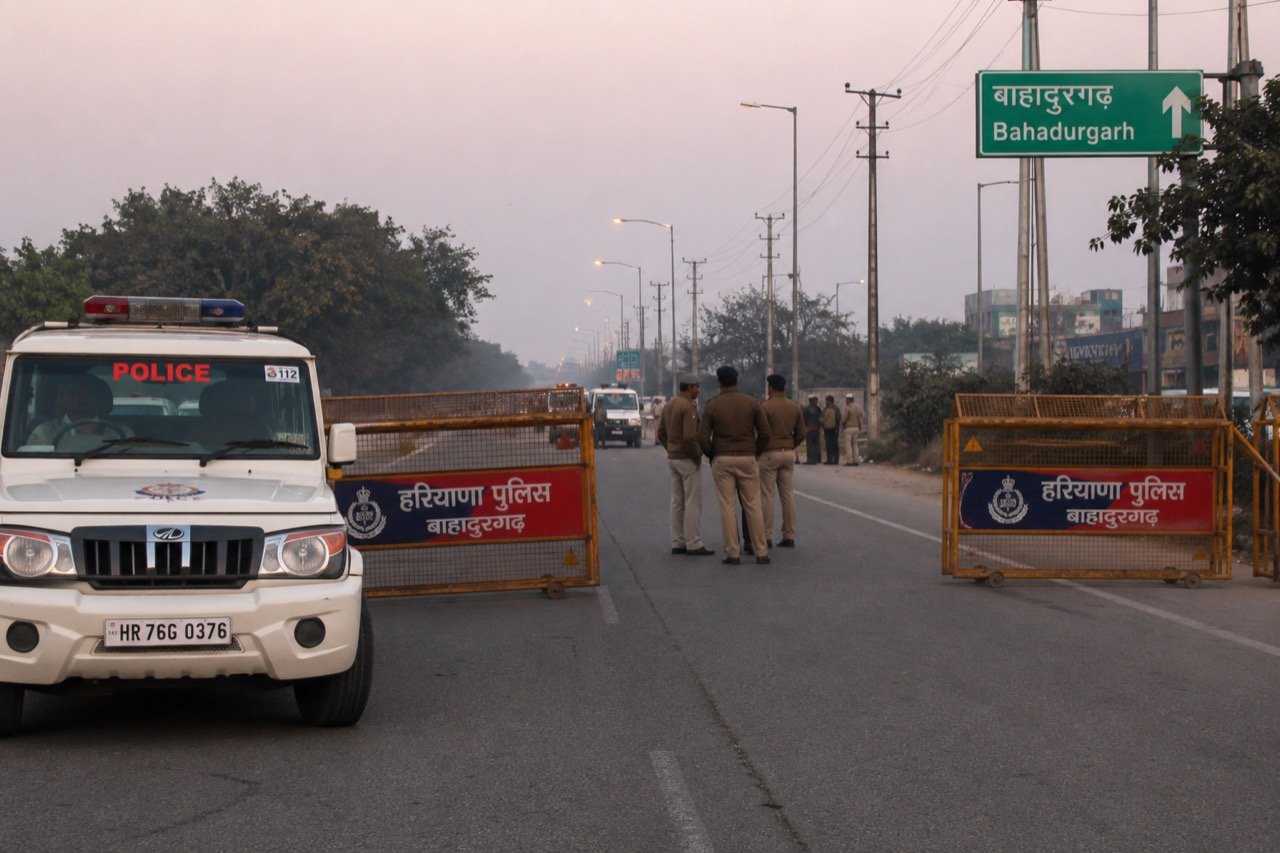
Bishnoi Gang Suspects Injured in Haryana Encounter as Police Tighten Net
A joint Haryana-Delhi Police operation in Bahadurgarh left two suspected Lawrence Bishnoi gang members injured, spotlighting the multi-state coordination now central to India's fight against organised crime networks.