Jaipur Woman Arrested Under UAPA Over Alleged Jaish Links
Rajasthan's ATS has arrested a Jaipur woman under the UAPA over alleged online contact with Jaish-e-Mohammed-linked individuals, putting the spotlight on digital trails in national-security probes.
Commentary & Analysis ·
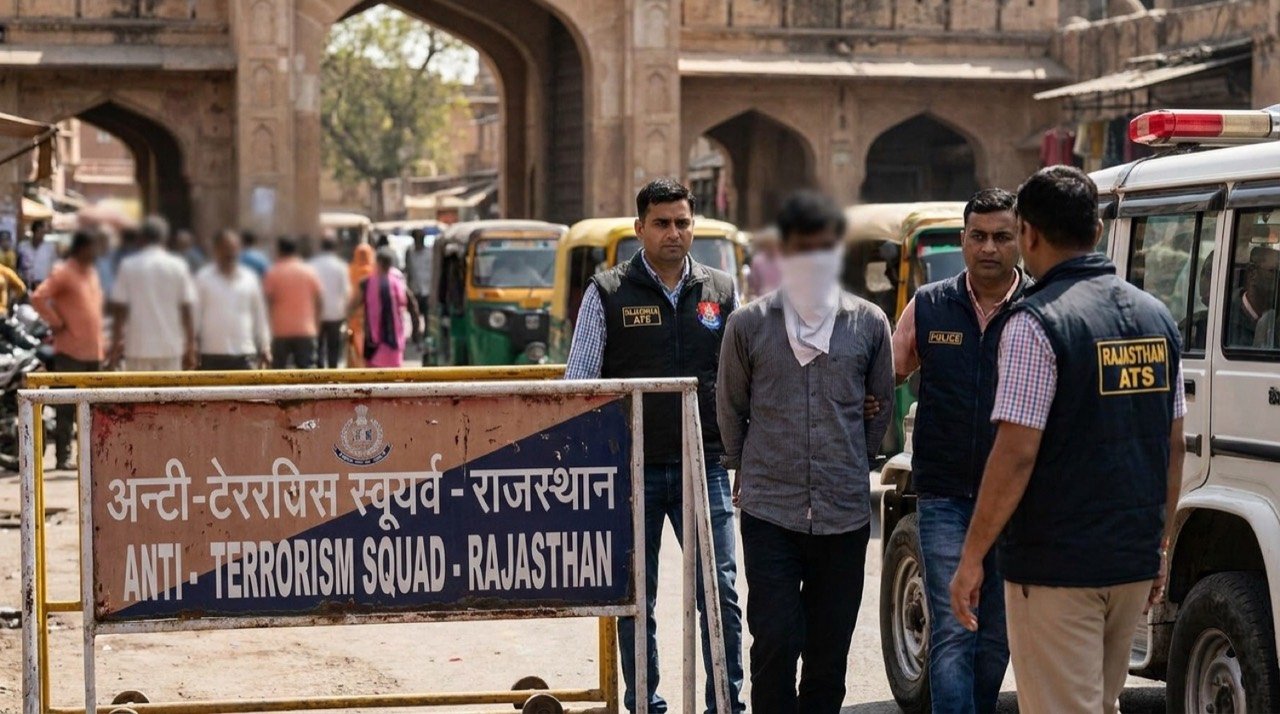
Rajasthan's Anti-Terrorism Squad (ATS) has arrested a Jaipur-based woman under the Unlawful Activities (Prevention) Act over alleged online contact with individuals linked to the Pakistan-based Jaish-e-Mohammed. The case, which remains at the allegation and investigation stage, has quickly drawn attention to how state agencies are treating social-media activity and digital identities as central evidence in security inquiries. The facts, officials stress, must be handled with care while the probe continues.
What investigators have said so far
Reports identified the accused as Babita Dhakar, also known as Khadija. According to officials, a preliminary examination of her phone turned up two SIM cards and a Facebook account containing objectionable material and links to foreign profiles. She has been remanded to police custody for questioning.
Investigators say the inquiry is centred on her online activity, communication links and the possible national-security implications of those contacts. At this stage these are allegations being tested through investigation, not findings established in court, a distinction that matters under a law as serious as the UAPA.
The digital dimension of security probes
The arrest underlines a broader shift in how agencies build cases. Messaging apps, social-media trails, SIM records and the wider digital footprint of a suspect are increasingly treated as core evidence rather than supporting detail. What once relied heavily on physical surveillance now leans on the data exhaust that modern communication leaves behind.
That shift brings both capability and responsibility. Digital evidence can be powerful, but it also demands rigorous verification, careful attribution and due process, particularly when invoked under stringent anti-terror provisions that carry heavy consequences for the accused.
Where the case stands
- The accused was arrested by the Rajasthan ATS under the UAPA.
- Reports identify her as Babita Dhakar, also known as Khadija.
- Preliminary phone checks reportedly found two SIM cards and a flagged Facebook account.
- The probe is focused on online activity and communication links abroad.
- She has been remanded to police custody and the matter is under investigation.
“The inquiry is at an early stage and is focused on online activity and communication links; the facts must be treated carefully.”
— Investigation officials, paraphrased
As the investigation proceeds, attention will turn to what the forensic examination of her devices and accounts actually establishes, and whether the digital evidence holds up to scrutiny. For now the case stands as a reminder of two parallel realities: that online networks are now central to security investigations, and that the presumption of innocence remains essential while charges are merely alleged.
The NE Times View
Digital trails are now central to terror investigations, and where genuine Jaish links exist, firm action is justified. But the UAPA's harsh bail regime makes the cost of error severe, so the evidentiary threshold must be real, not merely an online association. Security and due process are not opposites. The case will be a test of whether the ATS can substantiate intent, and whether the courts hold it to that.
This article is original commentary and analysis by The NE Times. Background facts were referenced from NDTV and The Times of India.
You may also like to read
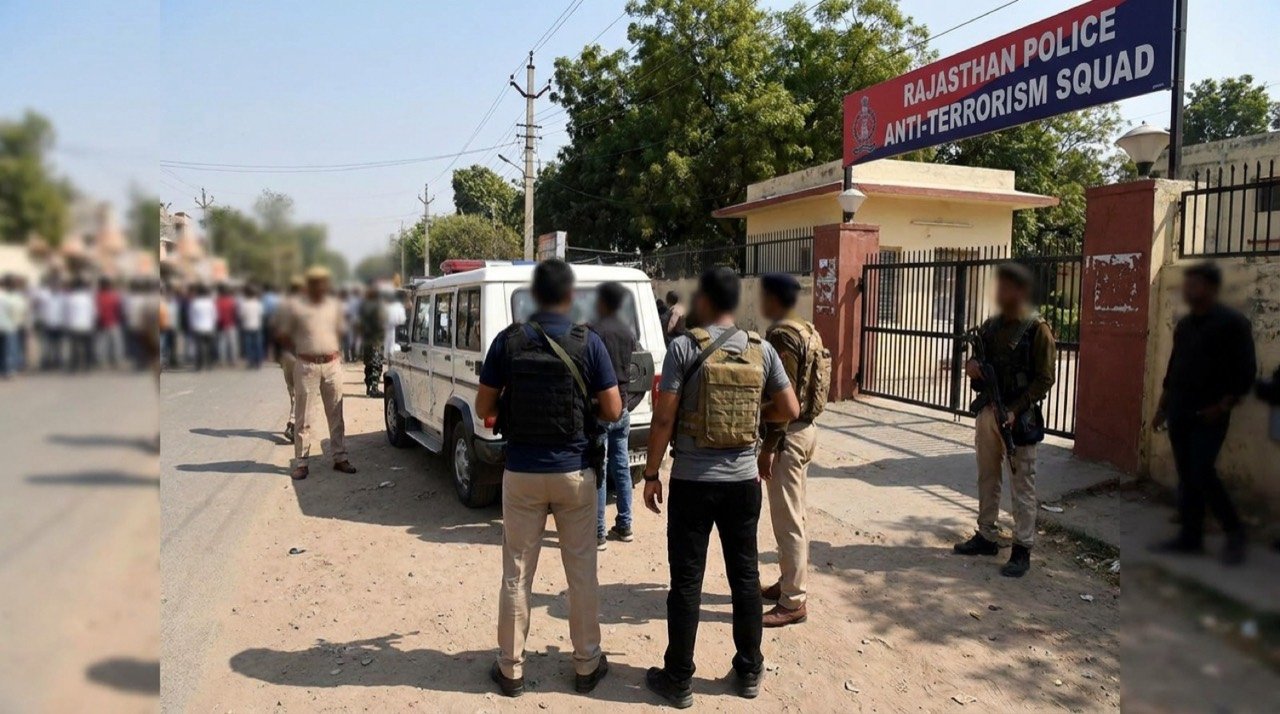
Jaipur Woman's UAPA Arrest Puts Online Radicalisation and Digital Evidence Under Scrutiny
Rajasthan's Anti-Terrorism Squad has arrested a Jaipur woman under the UAPA over alleged links to Pakistan-based Jaish-e-Mohammed, with investigators examining digital communications and deleted data.
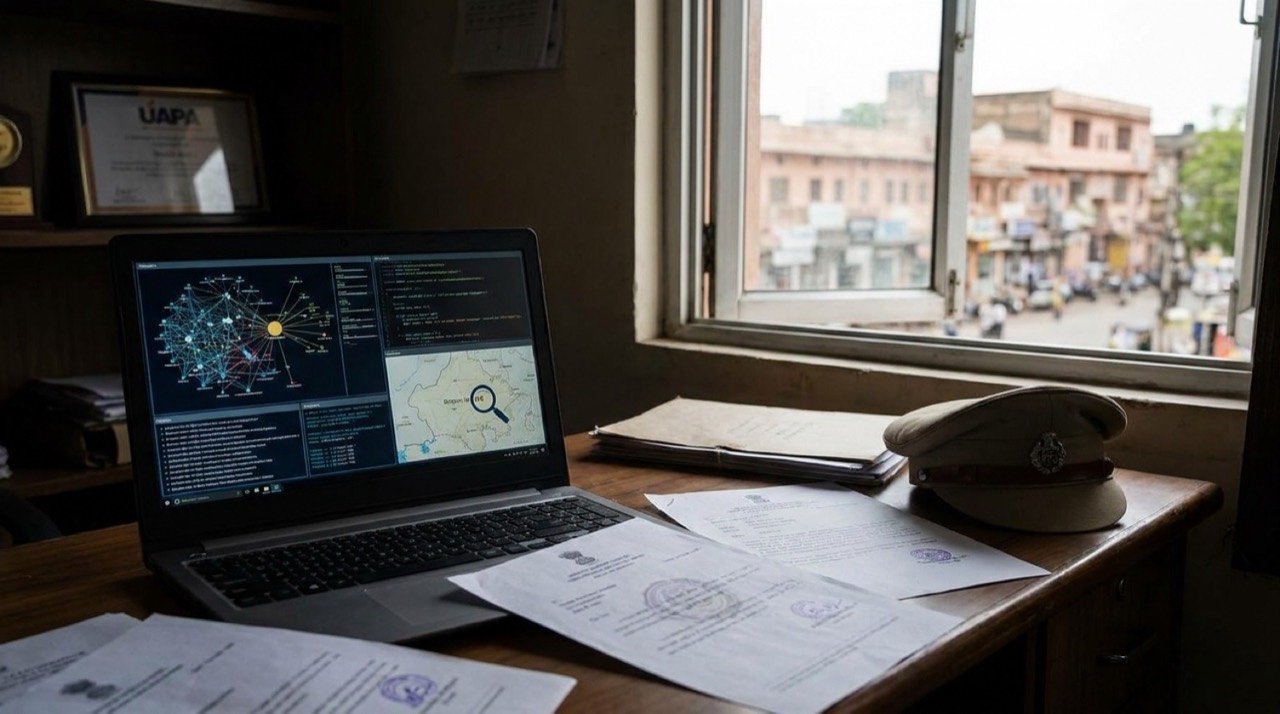
Jaipur UAPA Arrest Puts Online Radicalisation Probe Under the Spotlight
Rajasthan ATS has arrested a Jaipur woman under the UAPA over alleged online anti-national activity and contact with people linked to Jaish-e-Mohammed, with the investigation still at an early stage.
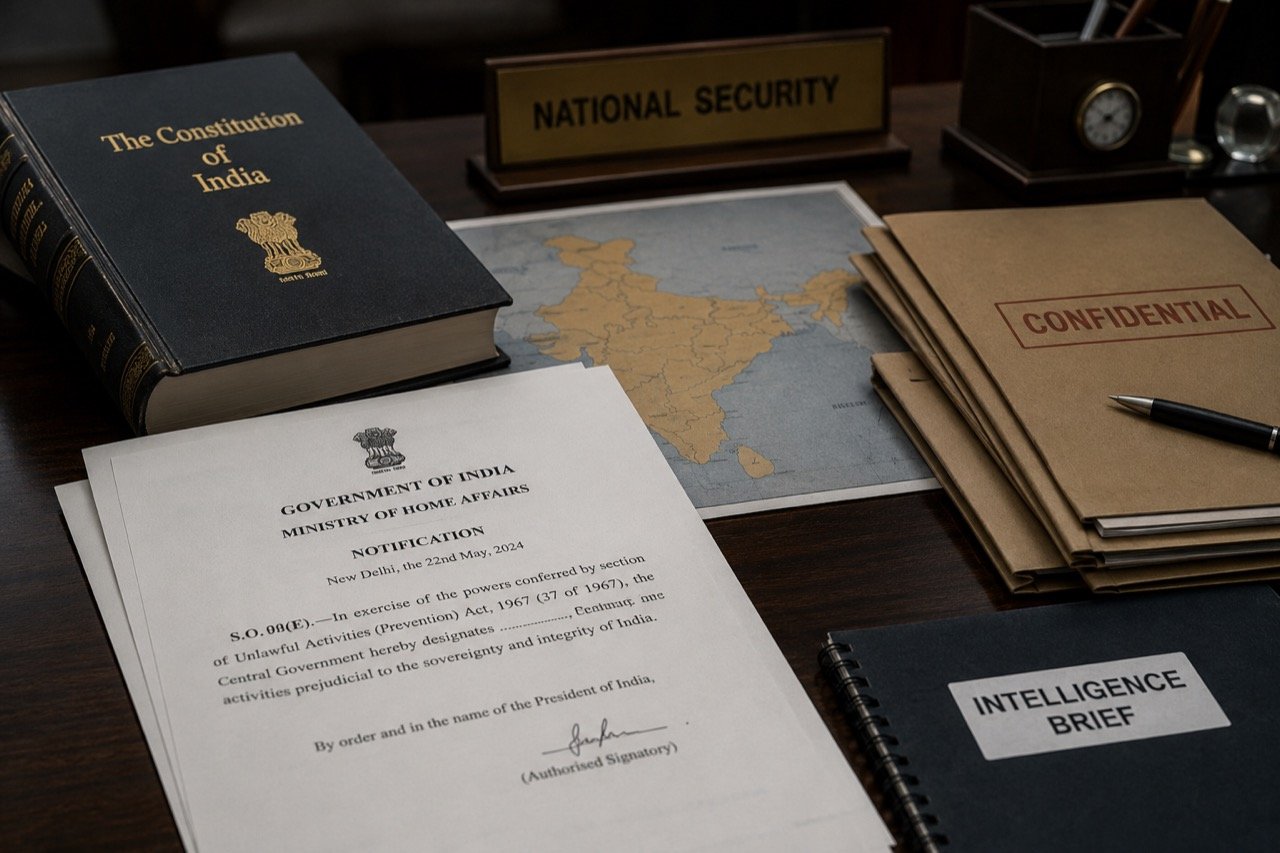
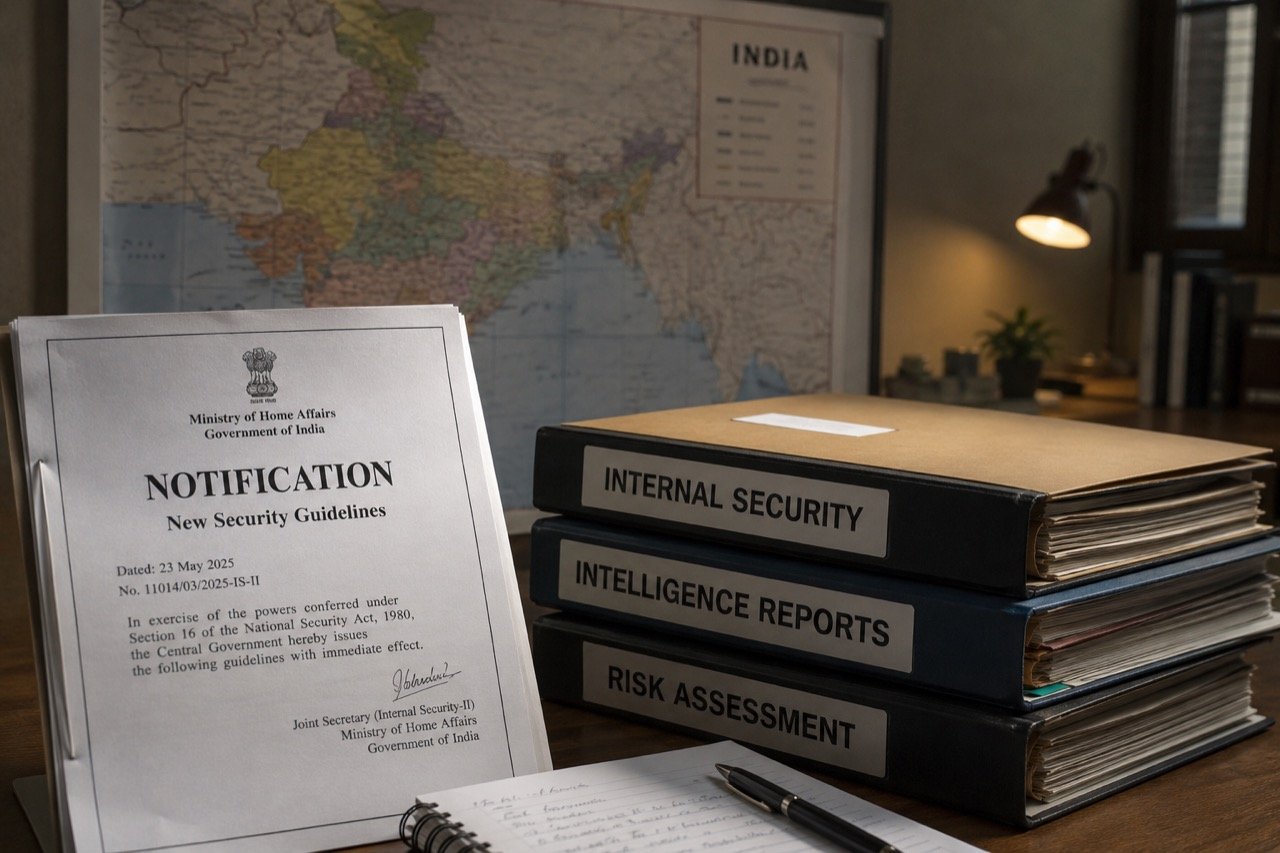
UAPA Designations: What the Latest Security Notification Means
A fresh round of designations under the Unlawful Activities (Prevention) Act has put the spotlight on how India's national-security notifications are issued, what they trigger, and the checks that follow.
Centre Names 23 More Designated Terrorists, Taking List to 80
The Union government has designated 23 more individuals as terrorists, expanding India's official list to 80 names, with several reportedly linked to attacks and cases connected to Jammu and Kashmir.
More from this section
More
AICTE Industry Fellowship 2026: Rs 1.5 Lakh Scheme Closes July 5
The AICTE Industry Fellowship Programme 2026, which places technical-education faculty inside leading companies on a Rs 1.5 lakh monthly stipend, reached its application deadline on July 5.

Bay of Bengal Low Pressure System Revives Monsoon Over Western India
A low-pressure system over the Bay of Bengal has pushed the monsoon back into an active phase, bringing steady heavy rain to Kerala, coastal Karnataka and Maharashtra, and putting Mumbai and Pune on preparedness watch.
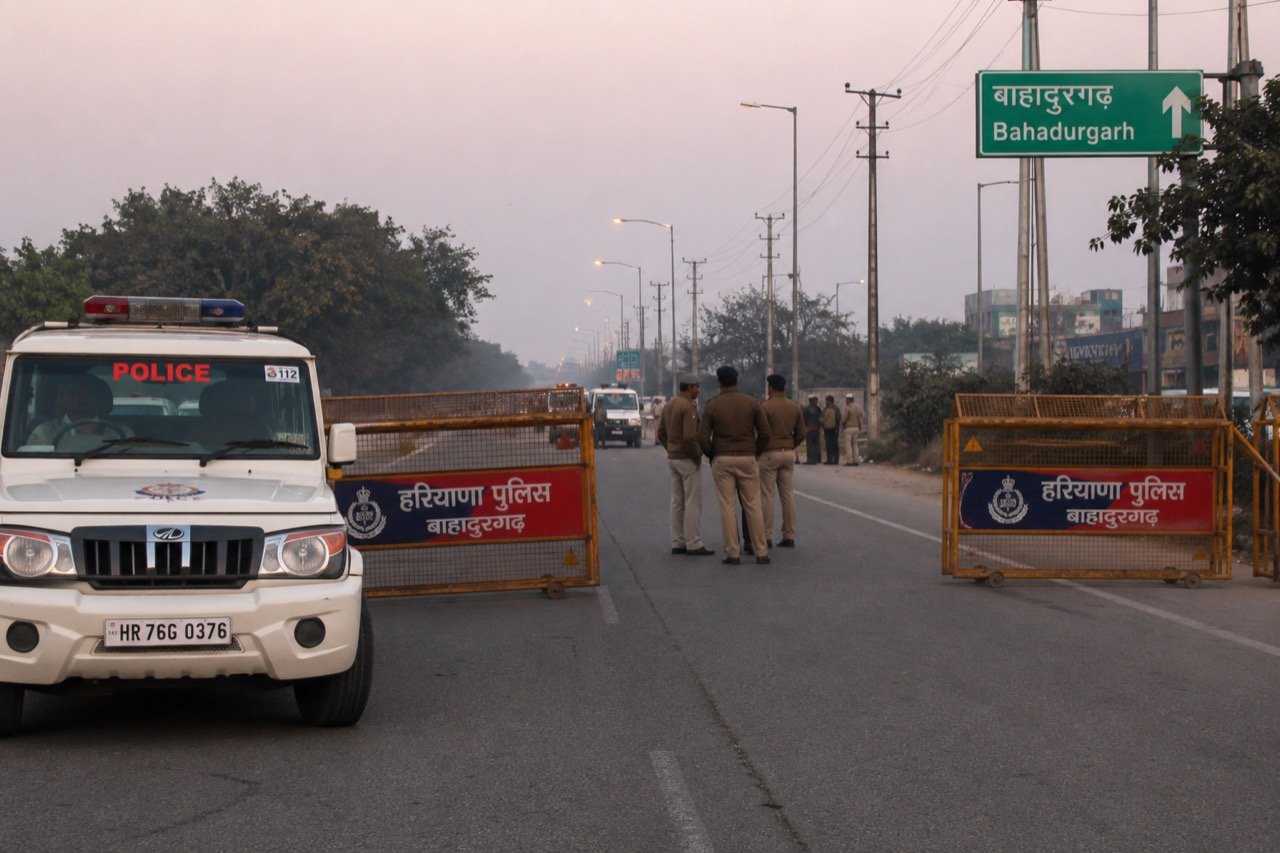
Bishnoi Gang Suspects Injured in Haryana Encounter as Police Tighten Net
A joint Haryana-Delhi Police operation in Bahadurgarh left two suspected Lawrence Bishnoi gang members injured, spotlighting the multi-state coordination now central to India's fight against organised crime networks.