Jaipur Woman's UAPA Arrest Puts Online Radicalisation and Digital Evidence Under Scrutiny
Rajasthan's Anti-Terrorism Squad has arrested a Jaipur woman under the UAPA over alleged links to Pakistan-based Jaish-e-Mohammed, with investigators examining digital communications and deleted data.
Commentary & Analysis ·
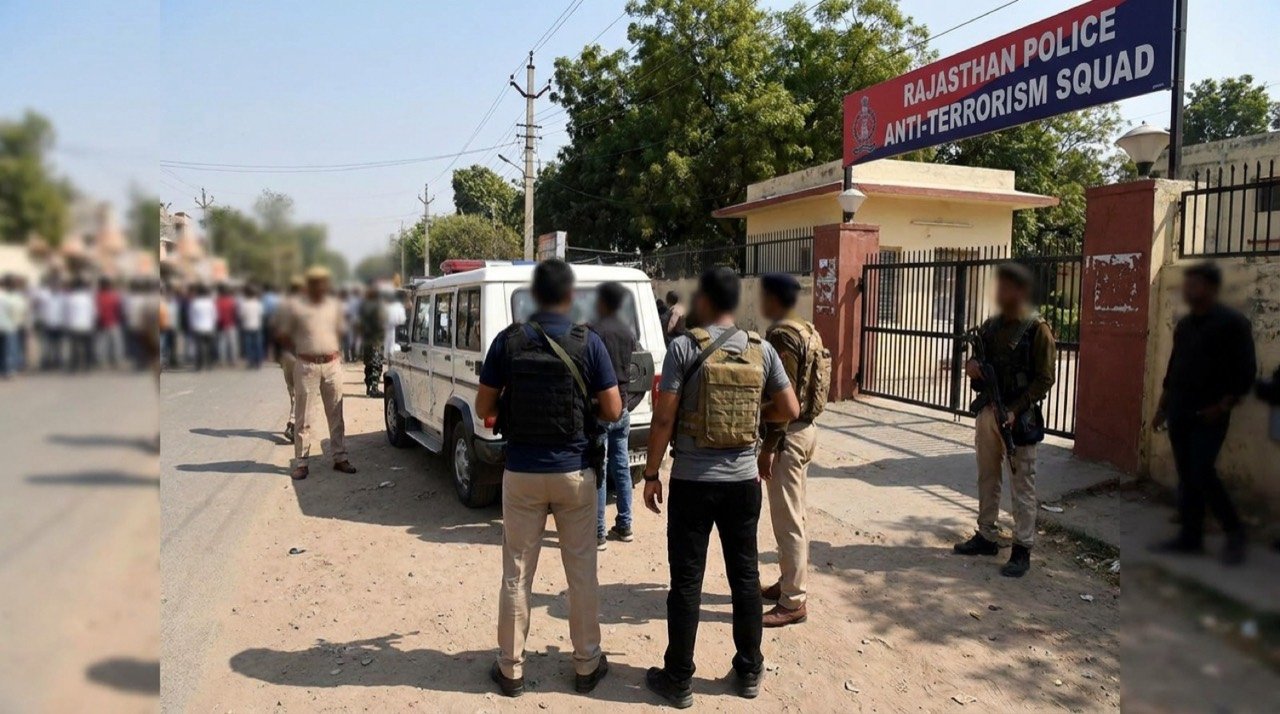
Rajasthan's Anti-Terrorism Squad has arrested a Jaipur woman, identified in reports as Babita, under the Unlawful Activities (Prevention) Act over alleged links with the Pakistan-based Jaish-e-Mohammed and suspected anti-national online activity. On the surface this is a single arrest in a single city. Beneath it, though, lies a set of questions that recur in almost every contemporary terror investigation in India: how digital evidence is gathered, how cross-border contact is established, how conversion and radicalisation are proved rather than merely suspected, and how the extraordinary powers of the UAPA are checked by due process. This case, still at an early and unproven stage, offers a useful lens through which to examine all of these strands together.
What investigators allege
According to available reports, investigators are examining Babita's digital communications, her alleged foreign contacts, details relating to a possible religious conversion, and data that had apparently been deleted from her devices. Each of these threads points to a different dimension of the case. The digital communications are presumably being mined for evidence of contact with handlers or sympathisers linked to Jaish-e-Mohammed. The foreign-contact angle goes to the heart of the UAPA charge, since establishing a demonstrable link to a proscribed organisation based across the border is what elevates a case from ordinary criminal conduct to terrorism-related activity. The conversion angle, meanwhile, is being scrutinised presumably as part of the broader radicalisation narrative investigators are attempting to construct. And the recovery of deleted data suggests that at least part of the investigative effort has gone into forensic reconstruction of material the accused may have tried to erase.
Taken together, these four strands describe an investigation that rests overwhelmingly on electronic trails rather than on physical evidence of the kind that once dominated terror prosecutions, such as recovered weapons, explosives or written correspondence. That shift is neither new nor unique to this case, but it is worth pausing on, because it changes both how such cases are built and how they must eventually be tested in court.
Allegations, not yet proof
However serious the charges may sound, it is essential to be clear that what has been made public so far constitutes allegations by an investigating agency, not findings established in a court of law. The UAPA is among the most stringent statutes in the Indian criminal justice system, carrying a punishing bail regime and reversing, in practical terms, much of the ordinary presumption of ease of bail that applies to other offences. Precisely because the law is so severe, the burden of proof it places on the prosecution is correspondingly heavy: it is not enough to show suspicious contact or ambiguous messages, the prosecution must substantiate an actual link to a proscribed organisation and demonstrate intent consistent with the statutory definitions of unlawful activity.
Babita, like any other accused person, retains the presumption of innocence unless and until a court finds otherwise. That principle can be easy to lose sight of amid the seriousness of terrorism-related allegations, but it is precisely in such high-stakes cases that the presumption matters most. The eventual judicial scrutiny of whatever evidence is presented, whether digital, testimonial or circumstantial, will determine whether the charges hold up. Until then, the case remains, formally and correctly, at the stage of allegation.
The wider public-interest angle
This arrest does not exist in isolation. It sits within a much larger and increasingly urgent national conversation about online radicalisation, the collection and handling of digital evidence, and the legal protections owed to those accused under anti-terror statutes. As radicalisation increasingly unfolds not in physical meetings but on encrypted messaging platforms and social media, investigative agencies across India have had to adapt their methods, leaning ever more heavily on digital forensics to reconstruct intent, contact and ideology from fragments of data.
That adaptation brings its own complications. Digital evidence is, by its nature, more fragile and more easily contested than physical evidence. Questions of chain of custody, the integrity of forensic extraction, the authenticity of deleted-and-recovered material, and the correct attribution of online activity to a specific individual all become central to whether such evidence can survive cross-examination. In a case built substantially around examination of communications, alleged foreign contacts, conversion details and recovered deleted data, each of these evidentiary hurdles will likely come into play as the matter progresses through the courts.
There is also a balance to be struck between the legitimate imperative of national security investigation and the legal safeguards that protect individuals from overreach. As one case summary has put it, the allegations are serious, but they remain claims by investigating agencies until tested in court. That balance is not merely an abstract legal nicety; it is the practical mechanism by which a democracy distinguishes between genuine counter-terror necessity and the misuse of sweeping statutory powers.
Why the case will be watched
Cases of this kind inevitably raise difficult questions about how digital evidence is gathered, preserved and ultimately presented in court, and about the threshold that should be required before invoking a law as serious as the UAPA. Civil liberties advocates have long argued that rigorous evidentiary standards are essential precisely because the law's provisions are so stringent and its bail conditions so restrictive; without such rigour, there is a risk that the gravity of a statute becomes a substitute for the strength of the evidence behind any particular case.
How this investigation fares under judicial examination, whether the digital trail holds together, whether the alleged foreign contacts can be substantiated, and whether the conversion and radicalisation narrative withstands scrutiny, will offer a small but telling window into the broader interplay between national security imperatives and individual rights as it continues to play out in India's courts. For now, however, the matter remains firmly and properly at the stage of allegation, with the accused entitled to the full protections the law affords her.
The NE Times View
This case underscores how radicalisation now travels through encrypted chats and deleted files rather than through the more visible channels of an earlier era, and why digital forensics has become central to counter-terror work in India. It also raises, once again, the harder civil-liberties question that the UAPA always poses: the law's broad powers and punishing bail regime demand that digital evidence be rigorously verified, not simply assumed on the basis of suspicion or association. A conviction, if one is to follow, must rest on proof that survives the full scrutiny of a court, not on the gravity of the allegation alone. Until that scrutiny takes place, the appropriate posture for observers, and for the press, is one of careful attention rather than presumption of guilt.
Key takeaways
- Rajasthan's Anti-Terrorism Squad has arrested a Jaipur woman, identified as Babita, under the UAPA over alleged links to Jaish-e-Mohammed and suspected anti-national online activity.
- The investigation centres on digital communications, alleged foreign contacts, possible religious conversion details and recovered deleted data, reflecting the growing centrality of digital forensics in terror probes.
- The UAPA's stringent provisions and restrictive bail regime place a heavy burden of proof on the prosecution, and the accused retains the presumption of innocence pending judicial scrutiny.
- The case highlights the broader tension between national security investigation and the legal safeguards meant to prevent misuse of anti-terror statutes.
- How the evidence withstands court examination will be closely watched as a marker of the evolving balance between security imperatives and individual rights in India.
You may also like to read
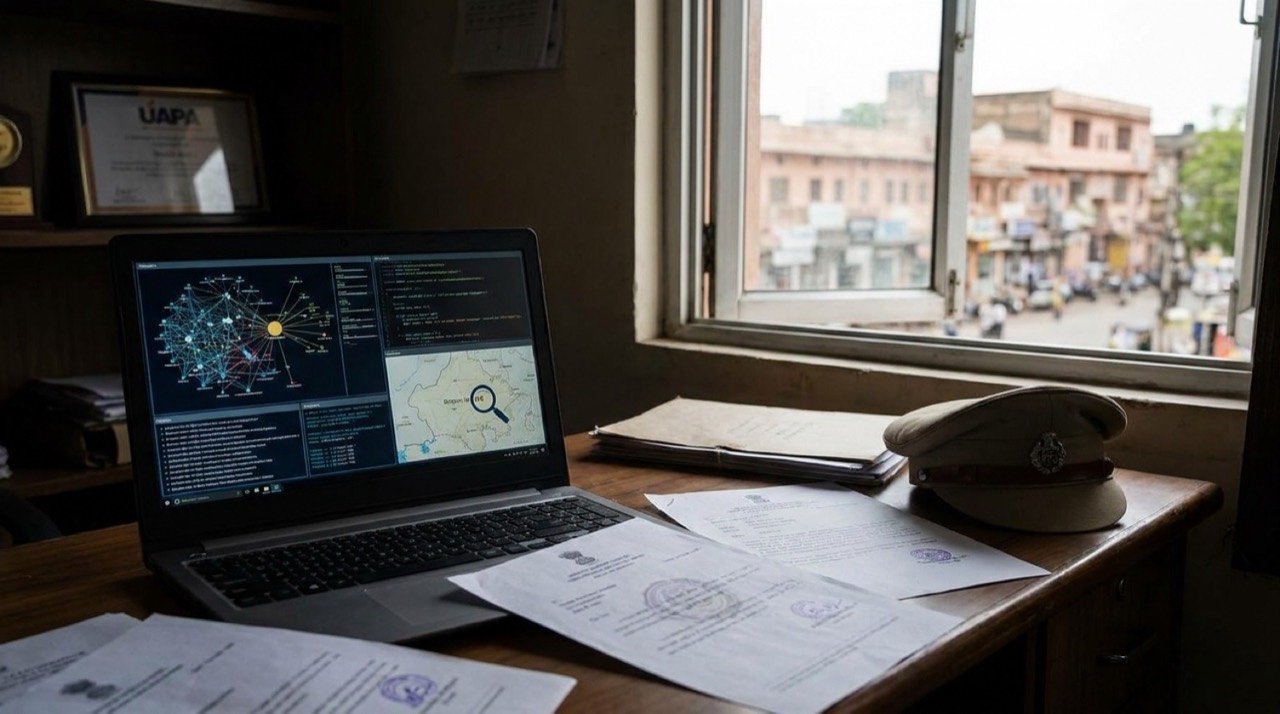
Jaipur UAPA Arrest Puts Online Radicalisation Probe Under the Spotlight
Rajasthan ATS has arrested a Jaipur woman under the UAPA over alleged online anti-national activity and contact with people linked to Jaish-e-Mohammed, with the investigation still at an early stage.
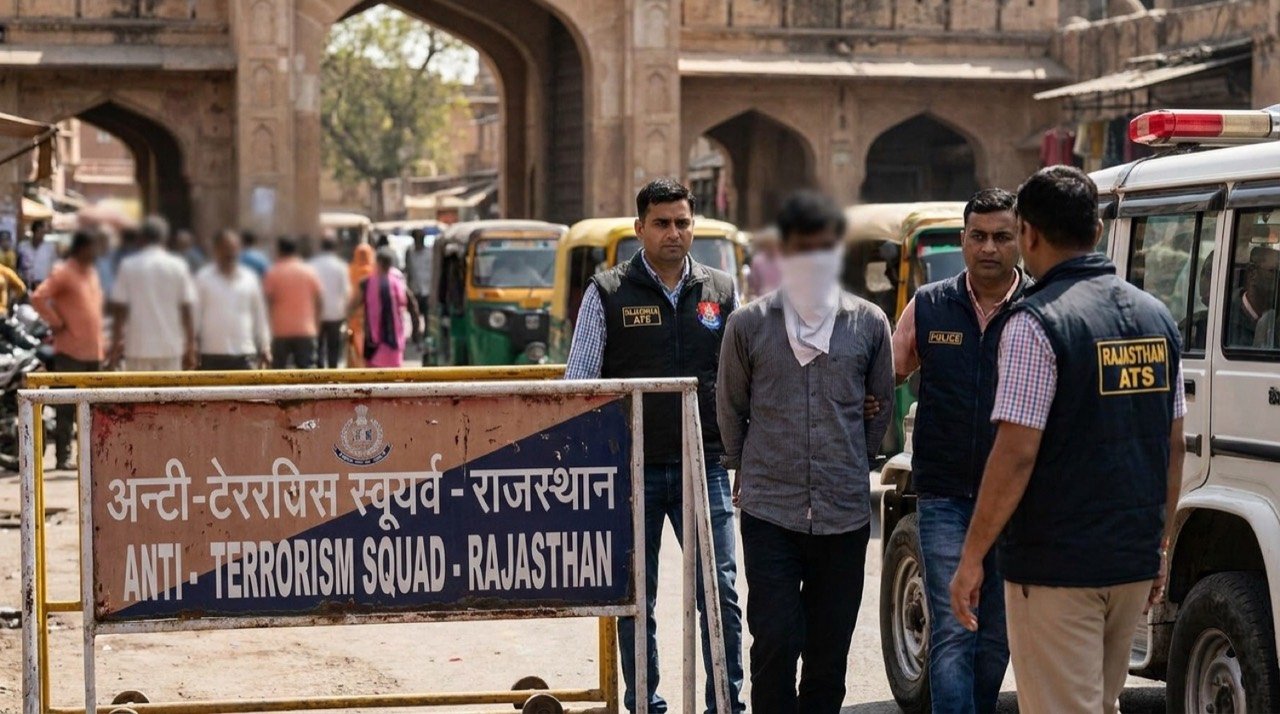
Jaipur Woman Arrested Under UAPA Over Alleged Jaish Links
Rajasthan's ATS has arrested a Jaipur woman under the UAPA over alleged online contact with Jaish-e-Mohammed-linked individuals, putting the spotlight on digital trails in national-security probes.
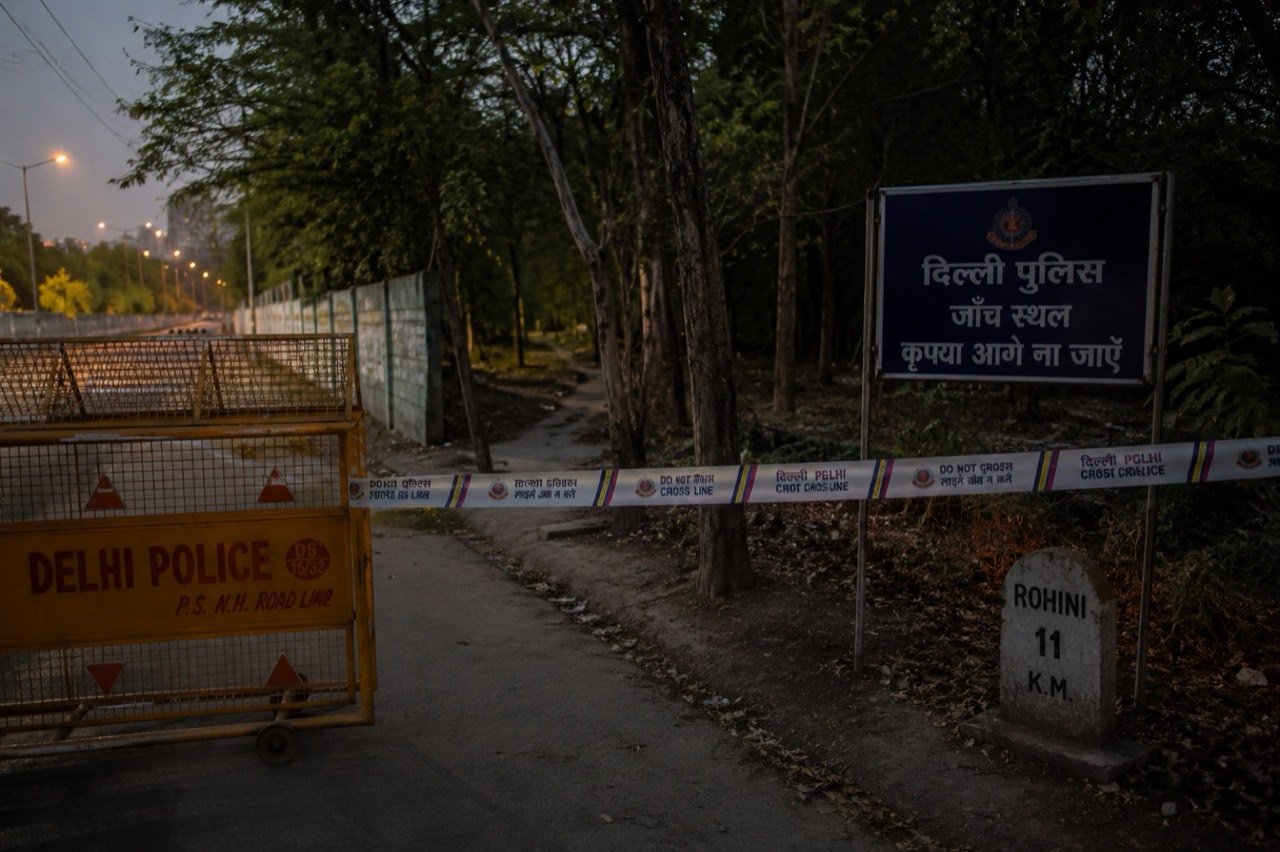
Delhi Child Murder Case Puts Footpath Safety and Fast Policing Under Scrutiny
The killing of a 10-year-old girl sleeping on a Delhi footpath, with an arrest made within hours, has forced hard questions about pavement dwellers, night-time safety and the speed of missing-child response.

Ayodhya Ram Temple Donation Probe: SIT Report Puts Fund Controls Under Scrutiny
A Special Investigation Team report into alleged irregularities in donations linked to the Ayodhya Ram Temple has placed fund-handling systems, receipts and local accountability under fresh scrutiny.
More from this section
More
AICTE Industry Fellowship 2026: Rs 1.5 Lakh Scheme Closes July 5
The AICTE Industry Fellowship Programme 2026, which places technical-education faculty inside leading companies on a Rs 1.5 lakh monthly stipend, reached its application deadline on July 5.

Bay of Bengal Low Pressure System Revives Monsoon Over Western India
A low-pressure system over the Bay of Bengal has pushed the monsoon back into an active phase, bringing steady heavy rain to Kerala, coastal Karnataka and Maharashtra, and putting Mumbai and Pune on preparedness watch.
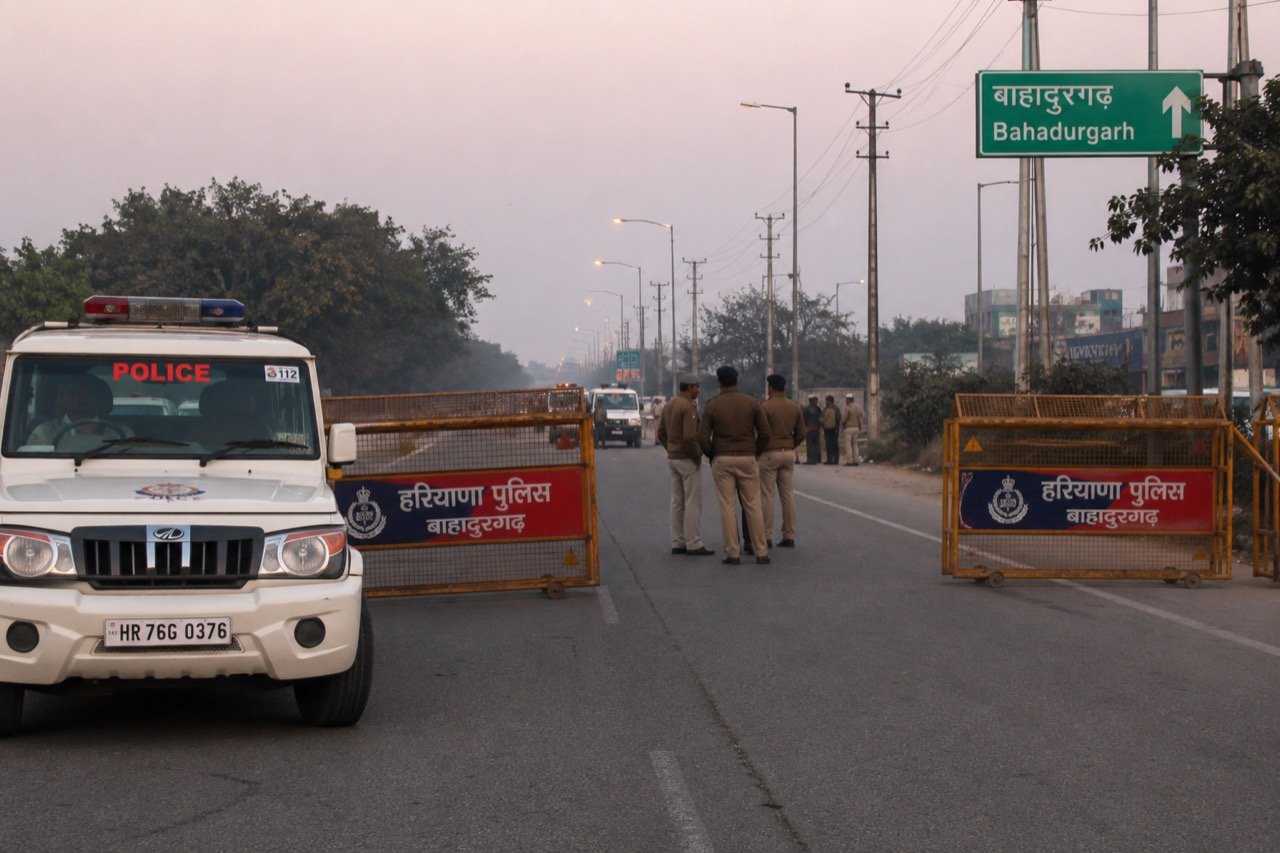
Bishnoi Gang Suspects Injured in Haryana Encounter as Police Tighten Net
A joint Haryana-Delhi Police operation in Bahadurgarh left two suspected Lawrence Bishnoi gang members injured, spotlighting the multi-state coordination now central to India's fight against organised crime networks.