Ayodhya Ram Temple Donation Probe: SIT Report Puts Fund Controls Under Scrutiny
A Special Investigation Team report into alleged irregularities in donations linked to the Ayodhya Ram Temple has placed fund-handling systems, receipts and local accountability under fresh scrutiny.
Commentary & Analysis ·

A Special Investigation Team (SIT) report into alleged irregularities involving donations linked to the Ayodhya Ram Temple has put fund-handling systems, receipt records and local accountability under renewed scrutiny. The findings have reopened questions about how high-trust religious fundraising is monitored, and they arrive against a backdrop of intense public sentiment surrounding one of India's most prominent temple projects.
What the report flags
According to reports, the SIT's preliminary findings point to claims of possible embezzlement or misuse of funds that officials must now examine through due process. The investigation is understood to focus on how donations were received, recorded and accounted for, and on whether the systems in place were adequate to track the large and continuous inflow of contributions.
Crucially, preliminary findings are not conclusions. The task before investigators is to verify documentary trails, reconcile receipts and establish whether any lapse was administrative, accidental or deliberate before any allegation can be substantiated.
Why the case is sensitive
The Ayodhya temple carries deep public and religious significance and draws donations from across India and the global diaspora. That breadth of contribution makes both the integrity of the funds and the credibility of any inquiry matters of wide public interest. Mishandled, the episode could dent donor confidence; handled well, it could reinforce trust in the project's stewardship.
Due process and transparency
A credible investigation must separate verified financial lapses from rumour and ensure that anyone accused receives fair due process. Equally important is transparency in the system itself: clear receipting, independent audits and public reporting are the mechanisms that sustain confidence in religious and public fundraising of this scale.
- An SIT examined alleged irregularities in Ayodhya temple donations.
- Preliminary findings reportedly cite possible embezzlement or misuse claims.
- The probe focuses on fund handling, receipts and local accountability.
- Donations flow in from across India and the diaspora, raising the stakes.
- Due process and donor confidence are central to a credible inquiry.
“Trust in any large religious fund rests on transparent receipts, independent audit and a fair process for anyone named.”
— Public-trust governance analyst
The larger issue the case raises is transparency in high-trust religious and public fundraising, where vast sums move on goodwill and faith. The outlook will depend on how thoroughly officials pursue verification, how openly findings are communicated, and whether any reforms to fund controls follow. For now, the priority is a measured inquiry that protects both donor confidence and the rights of those under examination.
The NE Times View
Scrutiny of how donations are handled is not an attack on faith but a safeguard for it; devotees who give in good faith deserve airtight accountability. The SIT report should be judged on evidence, not on the political charge the subject carries. Religious trusts handling vast public money must meet the same audit and receipt standards as any large institution. Transparency protects the temple's credibility more than silence ever could.
This article is original commentary and analysis by The NE Times. Background facts were referenced from Hindustan Times and The Indian Express.
You may also like to read
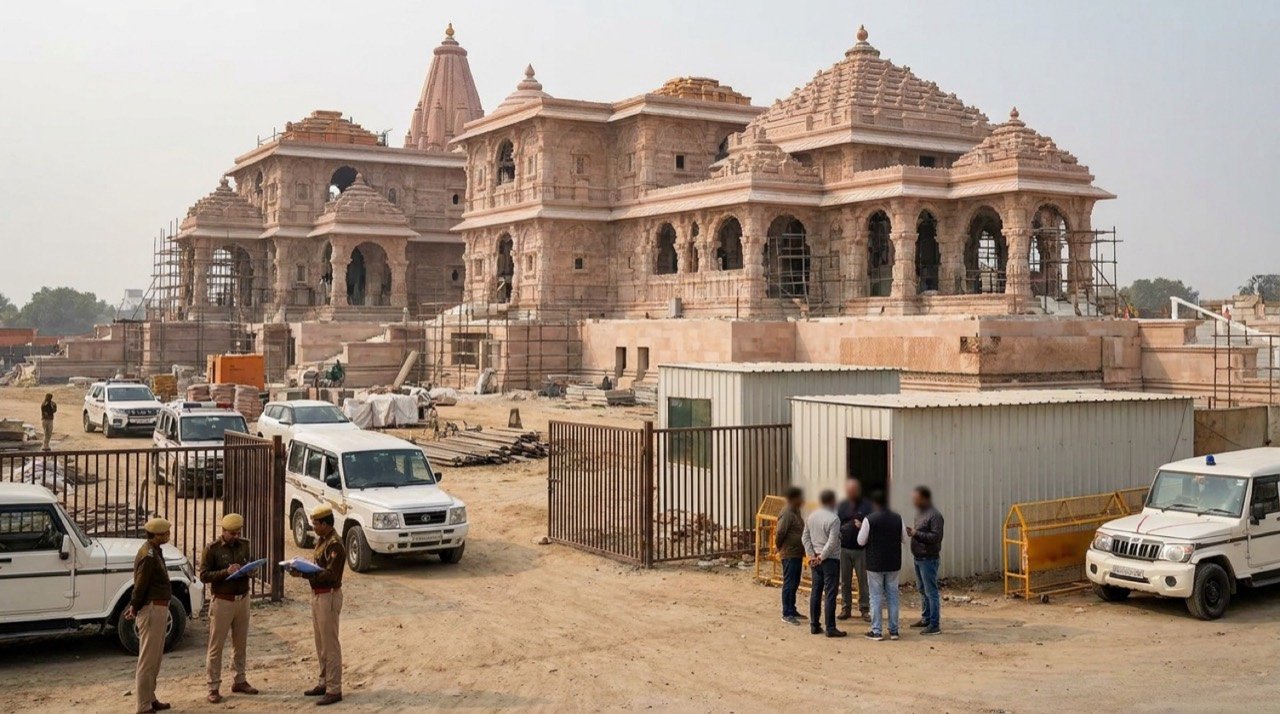
SIT Submits Preliminary Report in Ayodhya Ram Temple Donation Probe
A Special Investigation Team probing alleged embezzlement of Ayodhya Ram Temple donations has handed the Uttar Pradesh government a preliminary report flagging lapses in handling, counting and banking of funds.

Ayodhya Ram Mandir Donation Case Reaches Supreme Court as Judges Seek SIT Status Report and Trust Response
The court’s intervention intensifies scrutiny of an alleged donation embezzlement case that has already led to arrests, leadership exits and demands for stronger safeguards.
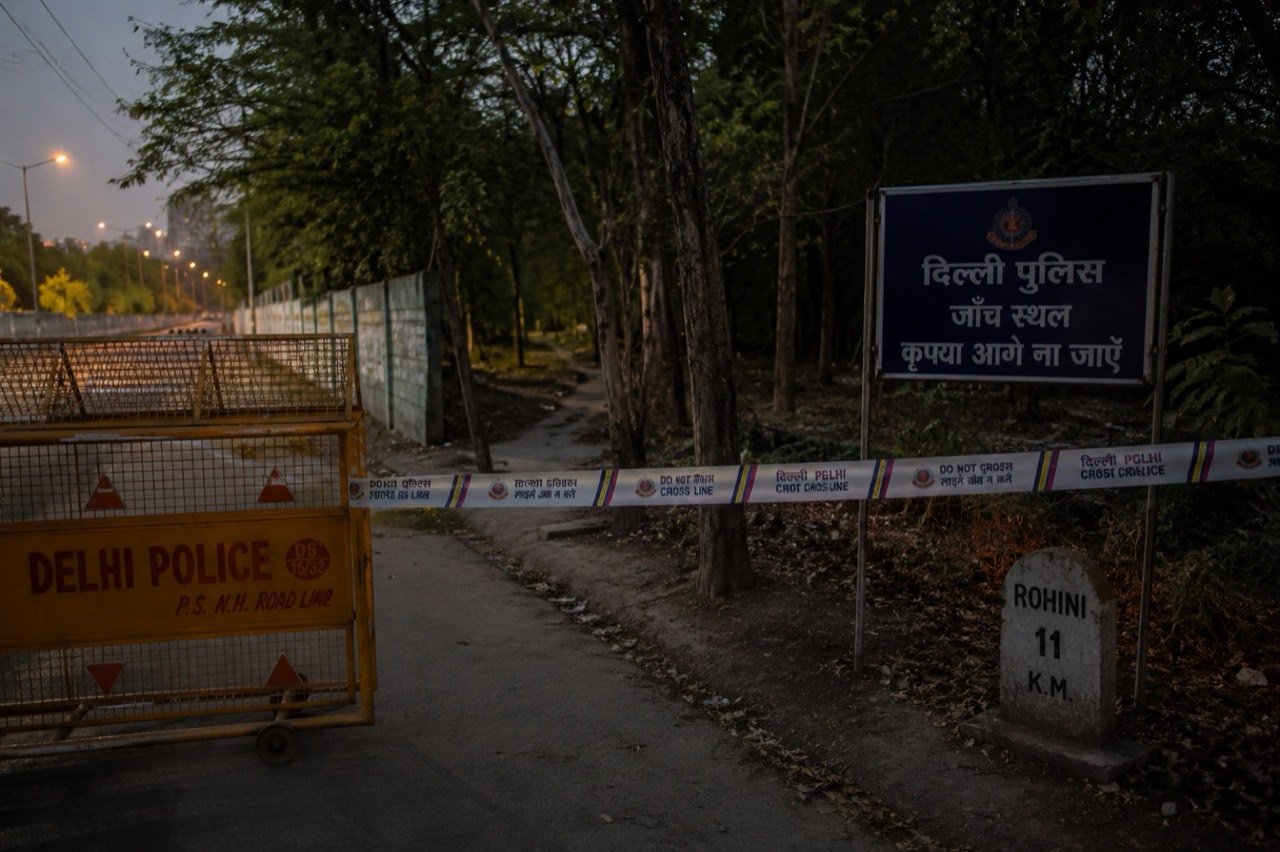
Delhi Child Murder Case Puts Footpath Safety and Fast Policing Under Scrutiny
The killing of a 10-year-old girl sleeping on a Delhi footpath, with an arrest made within hours, has forced hard questions about pavement dwellers, night-time safety and the speed of missing-child response.
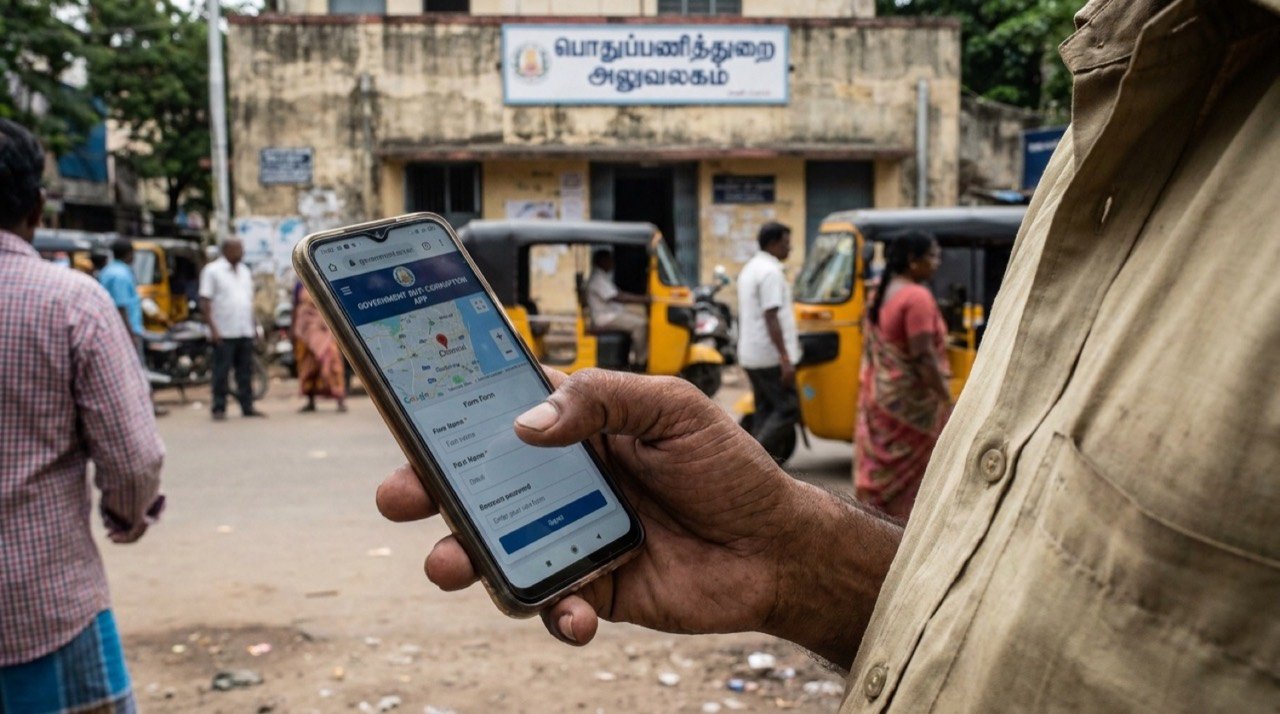
Tamil Nadu Engineer's Anti-Bribe Portal Maps Everyday Corruption
A Tamil Nadu software engineer has built a public website that asks one blunt question, whether you paid a bribe, turning scattered grievances into searchable data on petty corruption.
More from this section
More
AICTE Industry Fellowship 2026: Rs 1.5 Lakh Scheme Closes July 5
The AICTE Industry Fellowship Programme 2026, which places technical-education faculty inside leading companies on a Rs 1.5 lakh monthly stipend, reached its application deadline on July 5.

Bay of Bengal Low Pressure System Revives Monsoon Over Western India
A low-pressure system over the Bay of Bengal has pushed the monsoon back into an active phase, bringing steady heavy rain to Kerala, coastal Karnataka and Maharashtra, and putting Mumbai and Pune on preparedness watch.
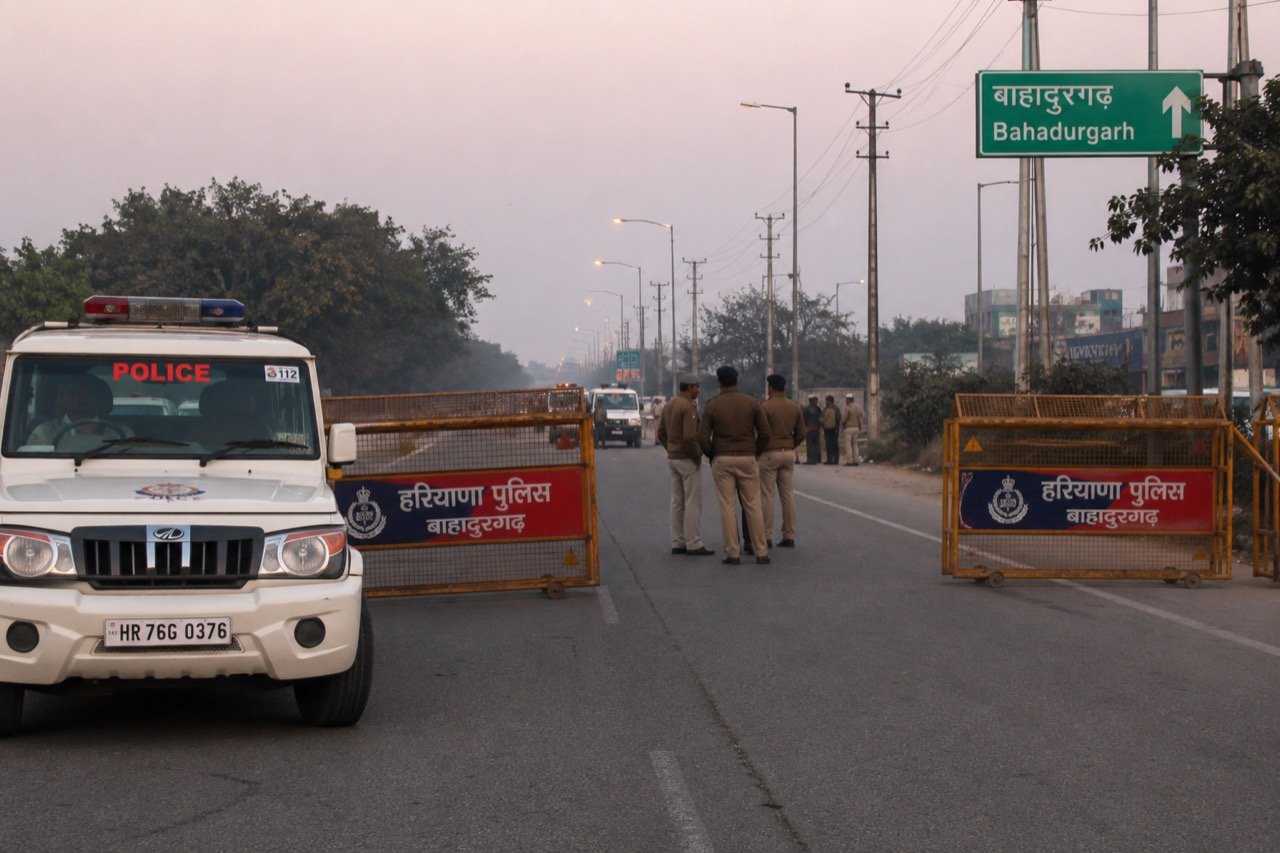
Bishnoi Gang Suspects Injured in Haryana Encounter as Police Tighten Net
A joint Haryana-Delhi Police operation in Bahadurgarh left two suspected Lawrence Bishnoi gang members injured, spotlighting the multi-state coordination now central to India's fight against organised crime networks.