Jaipur UAPA Arrest Puts Online Radicalisation Probe Under the Spotlight
Rajasthan ATS has arrested a Jaipur woman under the UAPA over alleged online anti-national activity and contact with people linked to Jaish-e-Mohammed, with the investigation still at an early stage.
Commentary & Analysis ·
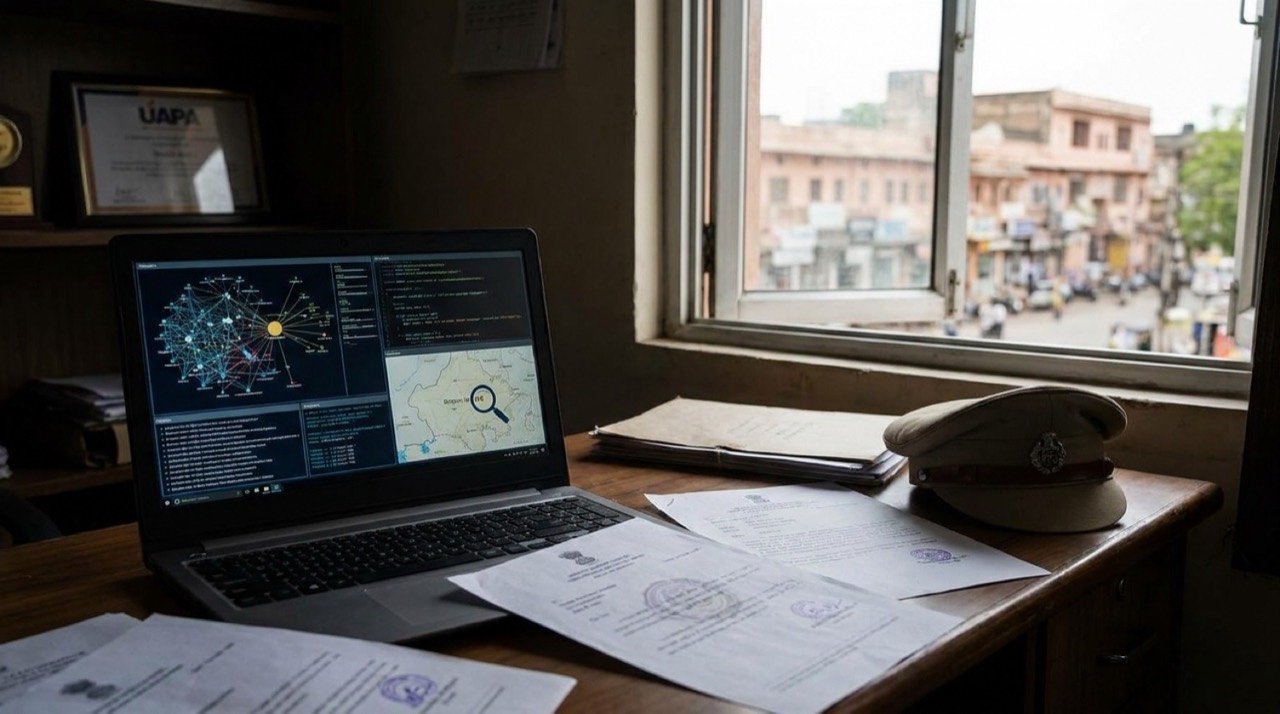
The Rajasthan Anti-Terrorism Squad has arrested a woman from Jaipur in a case that has turned fresh attention to online radicalisation and the digital trail of suspected anti-national activity. The arrest, of a woman identified as Babita, centres on her alleged online conduct and contacts that investigators are still working to piece together. On the surface, it is a single case involving one individual. But it sits at the intersection of several concerns that have preoccupied Indian security agencies for years: the use of digital platforms to cultivate cross-border contacts, the difficulty of separating genuine threat from incidental online contact, and the perennial tension between the state's counter-terrorism mandate and the rights of the accused under a law as sweeping as the Unlawful Activities (Prevention) Act.
What the ATS has said
According to the ATS, the woman was held over alleged online anti-national activity and contact with people linked to the banned outfit Jaish-e-Mohammed. Police described the arrest as the opening of a line of inquiry rather than a settled conclusion. Investigators said the probe was at an early stage and that they were examining her accounts, any foreign contacts, and the broader question of whether she had been drawn in or trapped through online channels. That last formulation is significant. It signals that the ATS itself is not yet certain whether it is dealing with a case of deliberate radicalisation, naive engagement with bad actors, or something in between. Such candour, while limited, is a reminder that the investigative process is meant to test a hypothesis, not confirm one that has already been reached.
The wider question of online networks
The case sits within a growing concern among security agencies about how digital platforms can be used to cultivate contacts and spread influence across borders. Encrypted messaging apps, social media direct messages and anonymous accounts have made it far easier for handlers operating from outside India to identify, approach and gradually cultivate individuals without ever meeting them in person. Tracing such activity often involves reconstructing patterns of communication and verifying whom an individual was actually in touch with, which is rarely as simple as it sounds. A single flagged contact or message thread can look alarming in isolation but may turn out, on closer examination, to be innocuous, coerced, or the product of impersonation rather than genuine affiliation. This is precisely why investigators emphasise that establishing intent and knowledge, not just the existence of contact, is the crux of any prosecutable case.
The forensic burden of proof
Because much of the evidence in such cases is digital, the investigation is likely to rely heavily on the forensic examination of devices and accounts, a process that takes time and care to establish what occurred and with what intent. Digital forensics in matters of this kind typically involves recovering deleted communications, verifying the authenticity of accounts, tracing IP addresses and device metadata, and corroborating claims of contact with independent evidence. This is painstaking work, and it is also easily politicised: partial or preliminary findings, if leaked or reported prematurely, can shape public perception of guilt long before a chargesheet is filed, let alone before a trial concludes. For a case built substantially on digital trails, the credibility of the eventual prosecution will depend on the rigour of this forensic process rather than on the fact of the arrest itself.
Due process and the early stage
Officials have been careful to stress that the inquiry is still developing. Under the law, the allegations will need to be substantiated through investigation and tested before the courts before any conclusions can be drawn about culpability. This is a standard that applies to every criminal case, but it carries particular weight under the UAPA, a statute that grants investigating agencies extended powers of detention and makes bail considerably harder to secure than under ordinary criminal law. That combination, extended pre-trial custody paired with a low overall conviction rate in UAPA cases nationally, means the practical consequences of an arrest can be severe well before any court has weighed the evidence. For the person accused, the process itself can function as a significant penalty, regardless of the eventual outcome. This is why the emphasis on the investigation being "at an early stage" is not a minor caveat but a central fact that ought to shape how the case is reported and understood.
Balancing security imperatives with civil liberties
The case is likely to feed into a wider debate over how individuals are influenced online and how agencies balance security imperatives with due process. On one side sits the legitimate and pressing need to intercept genuine threats before they translate into violence; on the other sits the risk that a broadly worded anti-terror statute, applied against online speech and association, can sweep up individuals whose conduct falls well short of any real threat. Civil liberties advocates have long pointed to the UAPA's low conviction rate as evidence that the law is used more often to detain than to ultimately convict, raising questions about proportionality even when security concerns are genuine. Security officials, for their part, argue that early intervention, before an online contact escalates into operational involvement, is precisely the point of such surveillance and enforcement. Both positions have merit, and reconciling them requires exactly the kind of careful, evidence-led investigation that the ATS says is currently under way.
The NE Times View
Online radicalisation is a real and rising threat, and security agencies are right to take alleged terror links seriously. But the UAPA's sweeping powers and notoriously low conviction rate demand caution, especially when an investigation is admittedly at an early stage. The line between genuine threat and criminalising speech is thin. Justice here means hard evidence and a fair trial, not prejudgement; the courts, not the headlines, must decide. As this case develops, the burden lies with investigators to distinguish between a woman who was a knowing participant in a banned network and one who may have been unwittingly drawn into contact with bad actors online. Until that forensic and legal work is complete, restraint in judgement, both by the state and by the public, is warranted.
Key takeaways
- The Rajasthan ATS has arrested a Jaipur woman, Babita, over alleged online anti-national activity and contact with individuals linked to Jaish-e-Mohammed.
- Investigators say the probe is at an early stage, focused on her accounts, possible foreign contacts, and whether she was complicit or unwittingly drawn in online.
- The case underscores the growing role of digital forensics, and its slow, careful pace, in prosecuting alleged terror-linked online activity.
- The UAPA's extended detention powers and low conviction rate mean the arrest itself carries real consequences well ahead of any trial outcome.
- The NE Times urges caution: allegations must be tested through rigorous investigation and fair trial, not settled by early reporting or public assumption.
You may also like to read
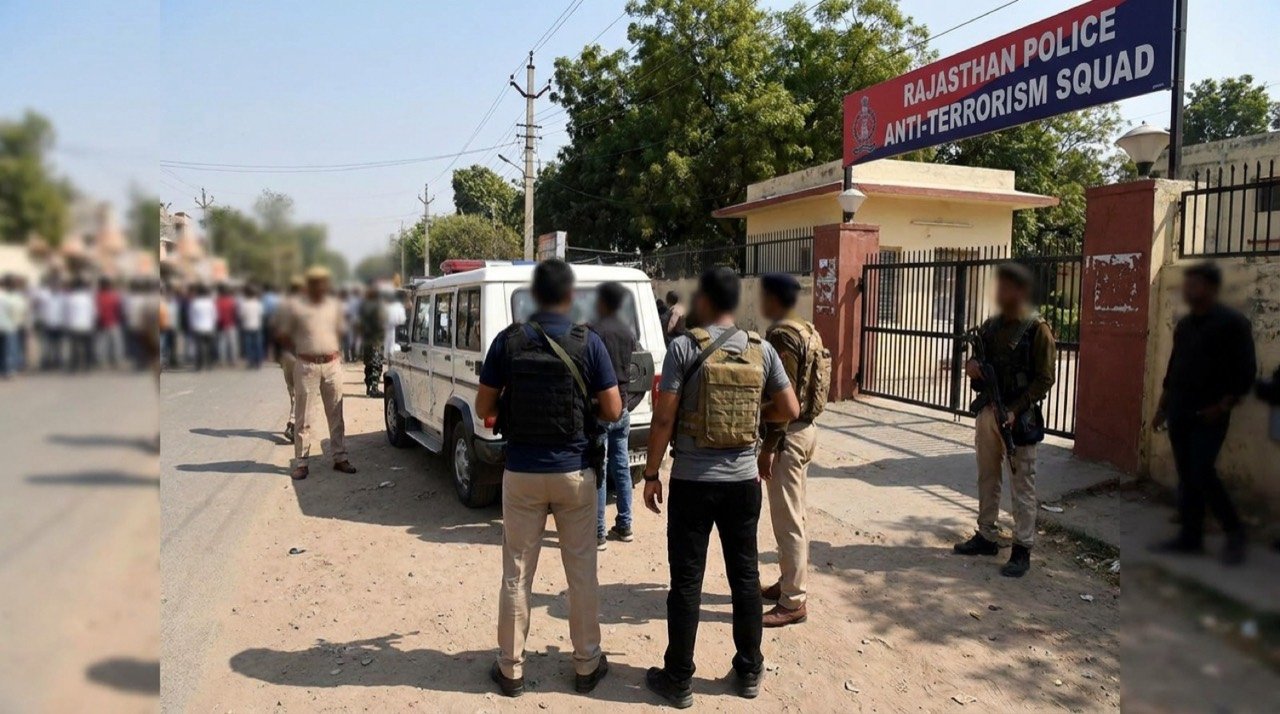
Jaipur Woman's UAPA Arrest Puts Online Radicalisation and Digital Evidence Under Scrutiny
Rajasthan's Anti-Terrorism Squad has arrested a Jaipur woman under the UAPA over alleged links to Pakistan-based Jaish-e-Mohammed, with investigators examining digital communications and deleted data.
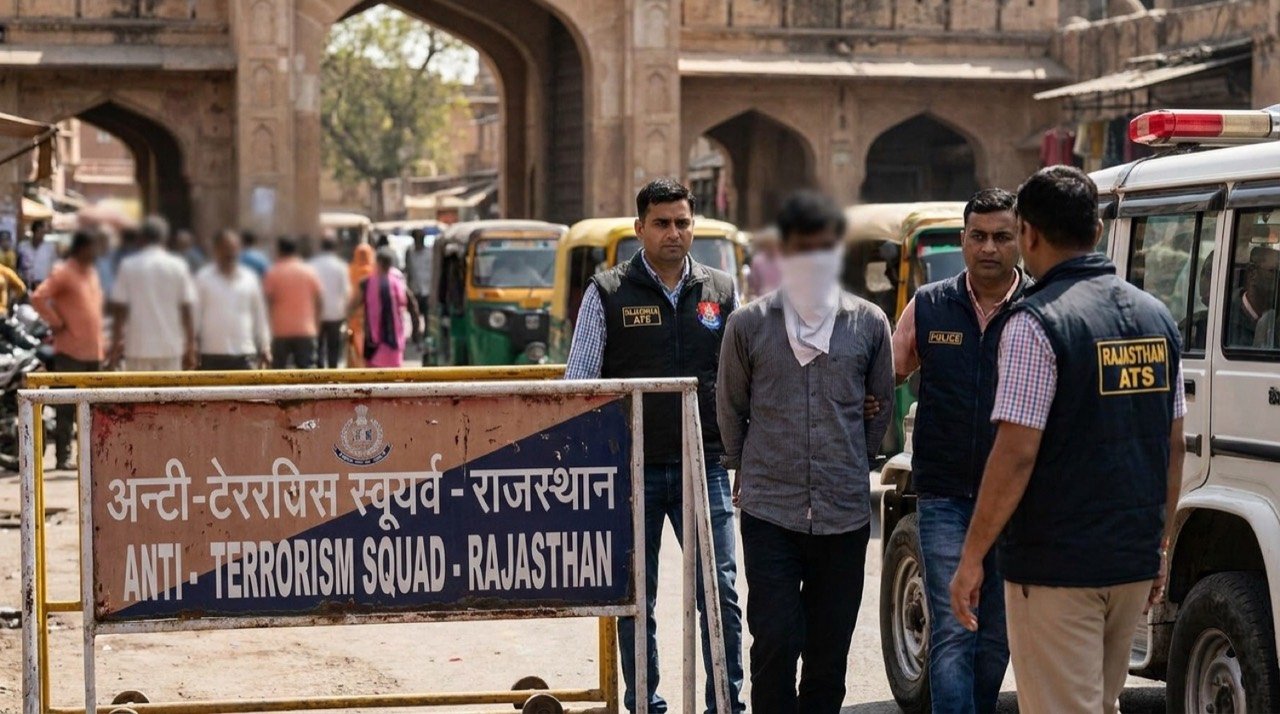
Jaipur Woman Arrested Under UAPA Over Alleged Jaish Links
Rajasthan's ATS has arrested a Jaipur woman under the UAPA over alleged online contact with Jaish-e-Mohammed-linked individuals, putting the spotlight on digital trails in national-security probes.

Ayodhya Ram Temple Donation Probe: SIT Report Puts Fund Controls Under Scrutiny
A Special Investigation Team report into alleged irregularities in donations linked to the Ayodhya Ram Temple has placed fund-handling systems, receipts and local accountability under fresh scrutiny.
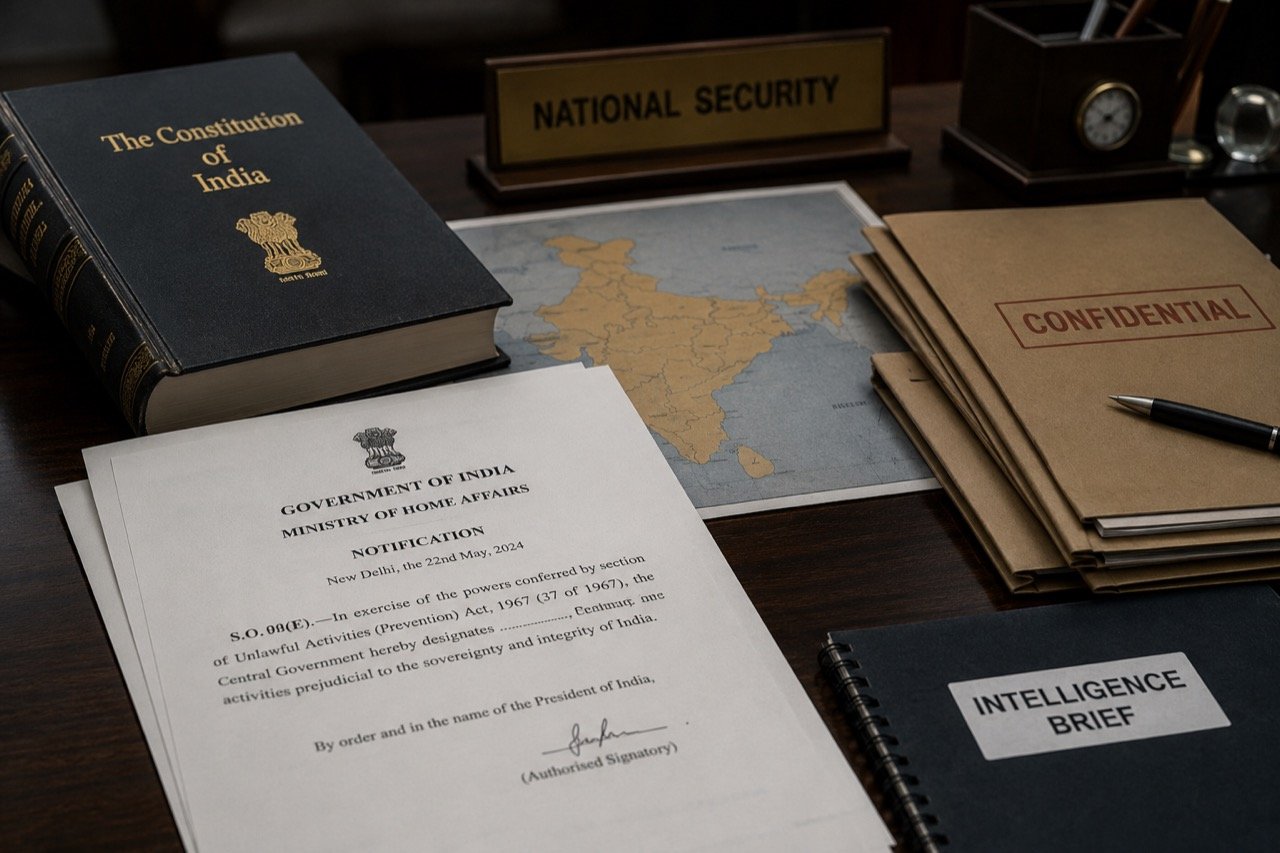
UAPA Designations: What the Latest Security Notification Means
A fresh round of designations under the Unlawful Activities (Prevention) Act has put the spotlight on how India's national-security notifications are issued, what they trigger, and the checks that follow.
More from this section
More
AICTE Industry Fellowship 2026: Rs 1.5 Lakh Scheme Closes July 5
The AICTE Industry Fellowship Programme 2026, which places technical-education faculty inside leading companies on a Rs 1.5 lakh monthly stipend, reached its application deadline on July 5.

Bay of Bengal Low Pressure System Revives Monsoon Over Western India
A low-pressure system over the Bay of Bengal has pushed the monsoon back into an active phase, bringing steady heavy rain to Kerala, coastal Karnataka and Maharashtra, and putting Mumbai and Pune on preparedness watch.
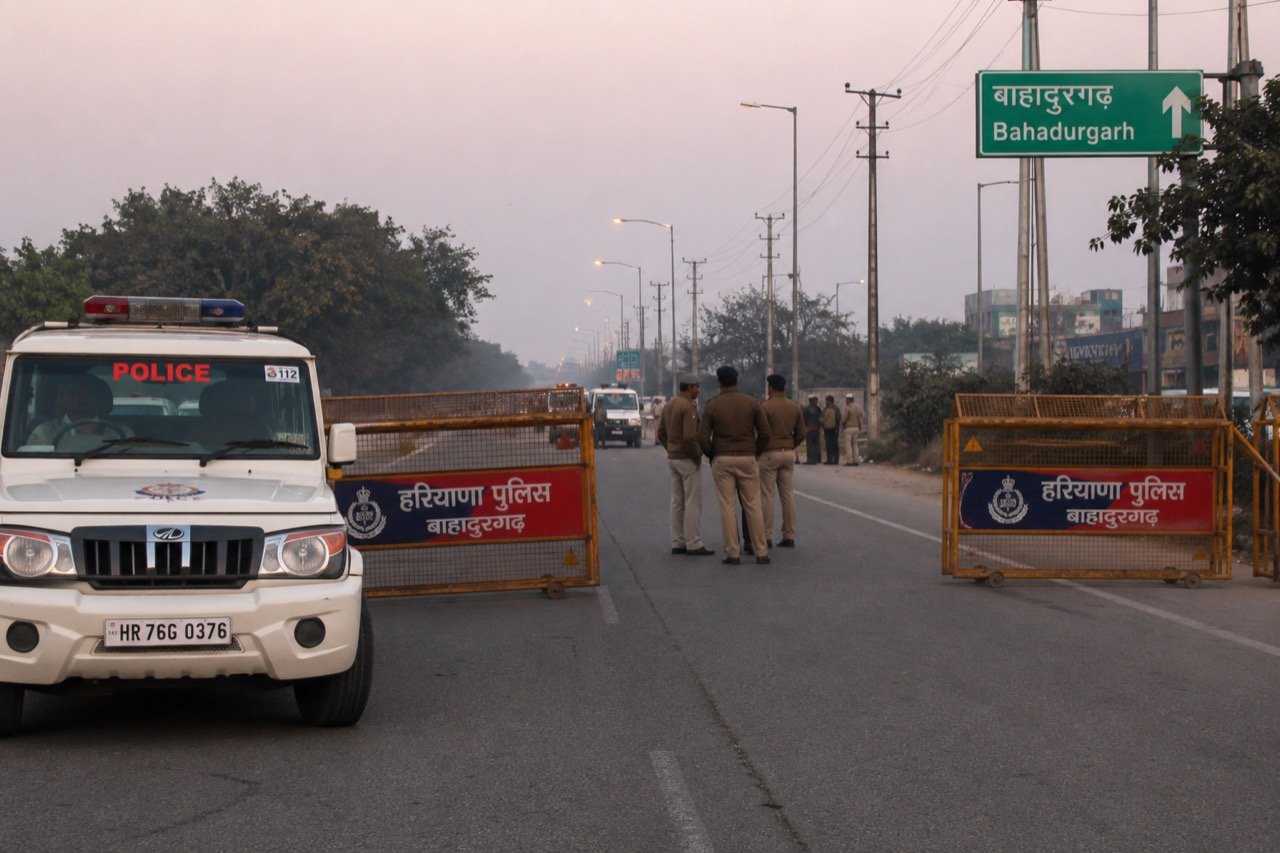
Bishnoi Gang Suspects Injured in Haryana Encounter as Police Tighten Net
A joint Haryana-Delhi Police operation in Bahadurgarh left two suspected Lawrence Bishnoi gang members injured, spotlighting the multi-state coordination now central to India's fight against organised crime networks.