Khatu Shyamji Rail Connectivity Plan Could Ease Rajasthan Pilgrimage Pressure
A rail-connectivity push for Rajasthan's high-footfall Khatu Shyamji could reshape how pilgrims travel, easing road congestion and supporting local businesses if delivered well.
Commentary & Analysis ·
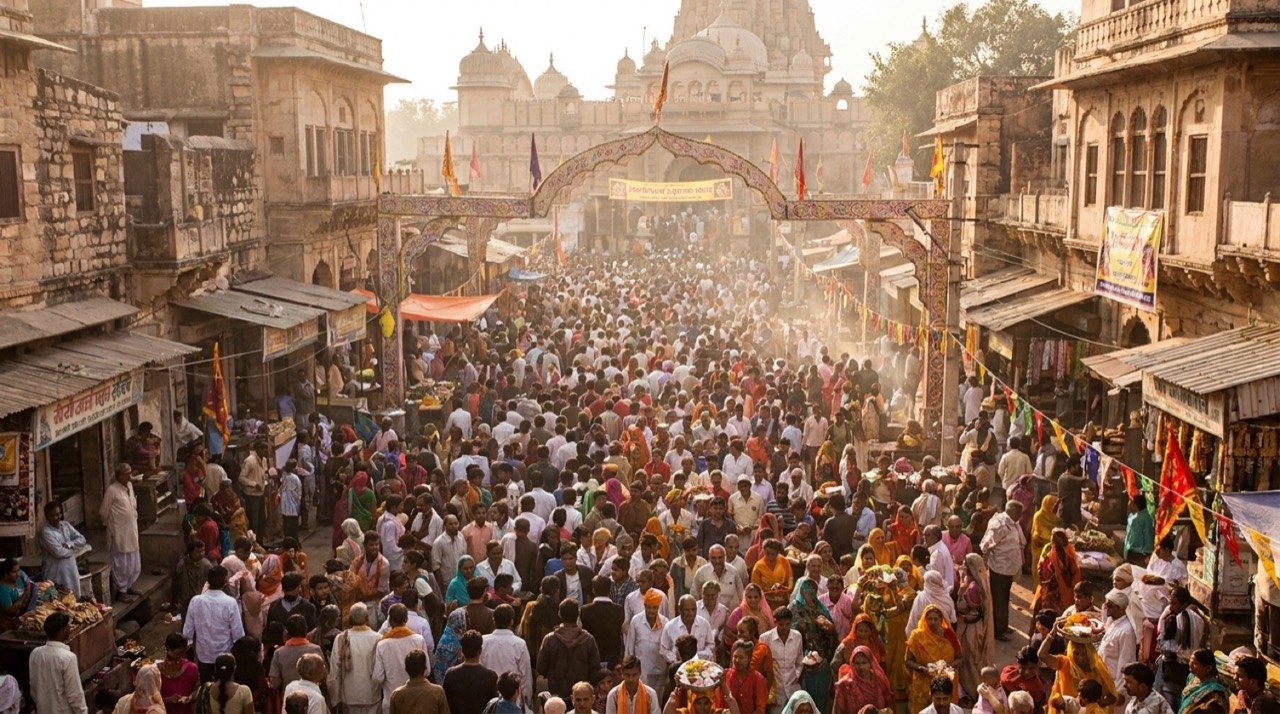
A plan to improve rail connectivity to Khatu Shyamji is drawing attention for reasons that go well beyond a single station. The Rajasthan pilgrimage town draws enormous crowds, particularly around fairs and religious occasions, and better railway access could reshape how devotees travel, how roads cope and how the local economy manages its busiest weeks. On its face, this is a modest infrastructure proposal. Looked at more closely, it touches questions of public safety, seasonal economic planning and the coordination capacity of multiple layers of government, all converging on one temple town.
A town under periodic pressure
Khatu Shyamji is among Rajasthan's most visited religious destinations, and its footfall is highly seasonal, spiking sharply during fairs that can overwhelm road approaches and local services. This seasonality is the crux of the problem. A town that can comfortably absorb visitor numbers on an ordinary week can find itself overwhelmed within days once a major fair begins, as demand for road space, parking, accommodation and basic services rises far faster than the town's everyday infrastructure was built to handle. At present, many pilgrims arrive by road, contributing to congestion that strains both traffic management and safety arrangements for district authorities. Roads leading into pilgrimage towns are rarely designed for the kind of surge traffic that a major fair produces, and when thousands of vehicles converge on the same narrow approaches within a compressed window, the result is not merely inconvenience but a genuine safety hazard, one that district administrations have to manage every season with limited tools.
Improved rail access offers an alternative artery, one that can move large numbers of people more predictably than buses and private vehicles crowding the same routes. Trains, unlike road traffic, run to fixed schedules and fixed capacities, which means authorities can plan around known arrival and departure windows rather than trying to guess how many vehicles will show up on a given morning. That predictability is itself a form of safety infrastructure, even before a single additional platform or crowd barrier is built.
Small links, large effects
The story is also a reminder that infrastructure value is not measured only in headline megaprojects. It is tempting to associate transformative infrastructure with grand, multi-billion-rupee corridors, but the experience of pilgrimage towns across India suggests otherwise. A relatively modest station link can generate outsized social and economic returns when it serves a high-footfall religious site, smoothing pilgrim travel while giving local vendors, hotels and transport operators a steadier, more forecastable flow of visitors. For small businesses that depend on pilgrim traffic, predictability is often worth more than sheer volume. A shopkeeper or guesthouse owner who can anticipate the rhythm of arrivals is better placed to stock, staff and price accordingly than one who is perpetually reacting to unpredictable road-based surges.
Better connectivity can also strengthen crowd management, allowing authorities to anticipate arrivals rather than react to sudden surges on the roads. This is a subtle but important shift in the posture of local administration, from reactive crisis management during fair season to proactive planning built around known train schedules. It changes the nature of the coordination challenge facing police, municipal bodies and temple trust administrators, turning what is currently an exercise in damage control into something closer to routine event management.
The questions that decide success
Whether the project delivers will depend less on ambition than on execution. A number of practical questions will determine whether the plan translates into real relief for the town, or remains another announcement that takes years to materialise. Timelines matter first: how quickly the connectivity work can realistically be delivered, given that rail projects of even modest scope typically involve survey, design, approval and construction phases that can stretch over several years. Funding is the second variable, covering not just the initial capital outlay but the sequencing of investment so that work is not stalled midway for want of the next tranche.
Land acquisition and clearances needed for any station or track work represent a third, often underestimated hurdle. Even small-footprint rail projects can be delayed for years by disputes over land, compensation or environmental clearance, particularly in built-up temple towns where available space is already at a premium. Fourth is last-mile transport: linking the station to the temple town smoothly, since a new railway station that dumps pilgrims a considerable distance from the shrine, without adequate local transport to bridge that final stretch, would simply relocate the congestion problem rather than solve it. Finally, there is the matter of coordination between railway authorities, state agencies and town administrators, a multi-agency alignment that is frequently the weakest link in Indian infrastructure delivery, regardless of how well-funded or well-designed the core project is.
Weighing the wider stakeholder interests
Different stakeholders will judge this plan by different measures. For pilgrims and devotee associations, success will simply mean a safer, less exhausting journey to the shrine, particularly for elderly visitors and families travelling during peak fair periods when road journeys can become genuinely gruelling. For district and state authorities, the calculus is about risk reduction: fewer road accidents, more manageable crowd flows and less strain on emergency services during the town's most demanding weeks of the year. For the local economy, meanwhile, predictable rail arrivals could support longer-term investment decisions, from hotel expansions to vendor stalls, that are currently difficult to justify when footfall arrives in unpredictable road-based waves.
Railway authorities and planners, for their part, will be weighing this project against competing demands on limited capital and construction capacity elsewhere in the network. Pilgrimage-linked rail projects often have to make their case in terms of social utility rather than pure traffic economics, since ridership is concentrated in short, intense bursts around fairs rather than spread evenly across the year. That makes the funding and prioritisation conversation somewhat different from a typical commuter or freight corridor, and is worth watching as the proposal moves from intent toward budgetary commitment.
The NE Times View
Rail links to high-footfall pilgrimage towns can transform local economies and ease dangerous road crushes, but only if the line is matched with crowd management at the shrine itself. Connectivity that funnels even larger numbers into an unprepared town trades road chaos for platform chaos. A well-built station that feeds pilgrims into the same narrow lanes, the same undersized parking areas and the same stretched local services will not have solved the underlying problem; it will simply have moved the point of failure from the highway to the platform gate. Deliver the railway and the destination infrastructure together, or the bottleneck simply moves. That means matching any rail investment with parallel upgrades to last-mile transport, crowd barriers, sanitation and emergency response capacity within the town itself, planned on the same timeline as the track work rather than as an afterthought once the trains start running.
Key takeaways
- Khatu Shyamji's highly seasonal pilgrim footfall currently relies heavily on road access, straining traffic management and safety arrangements during major fairs.
- A modest rail link, rather than a grand infrastructure project, could still deliver outsized benefits by making pilgrim arrivals predictable rather than chaotic.
- Success hinges on execution across five practical fronts: timelines, funding, land acquisition, last-mile transport and coordination between railway, state and town authorities.
- Predictable arrivals would benefit local vendors, hotels and transport operators by turning erratic seasonal surges into plannable demand.
- The project's value depends on pairing rail connectivity with equally serious upgrades to destination-level crowd management, or risk merely shifting congestion from the roads to the station.
You may also like to read

Railways To Flag Off Five New Vande Bharat Trains As Fleet Crosses 160 Services
Indian Railways is set to add five Vande Bharat Express services on June 26, extending semi-high-speed connectivity to more districts as the fleet pushes past 160 services nationwide.
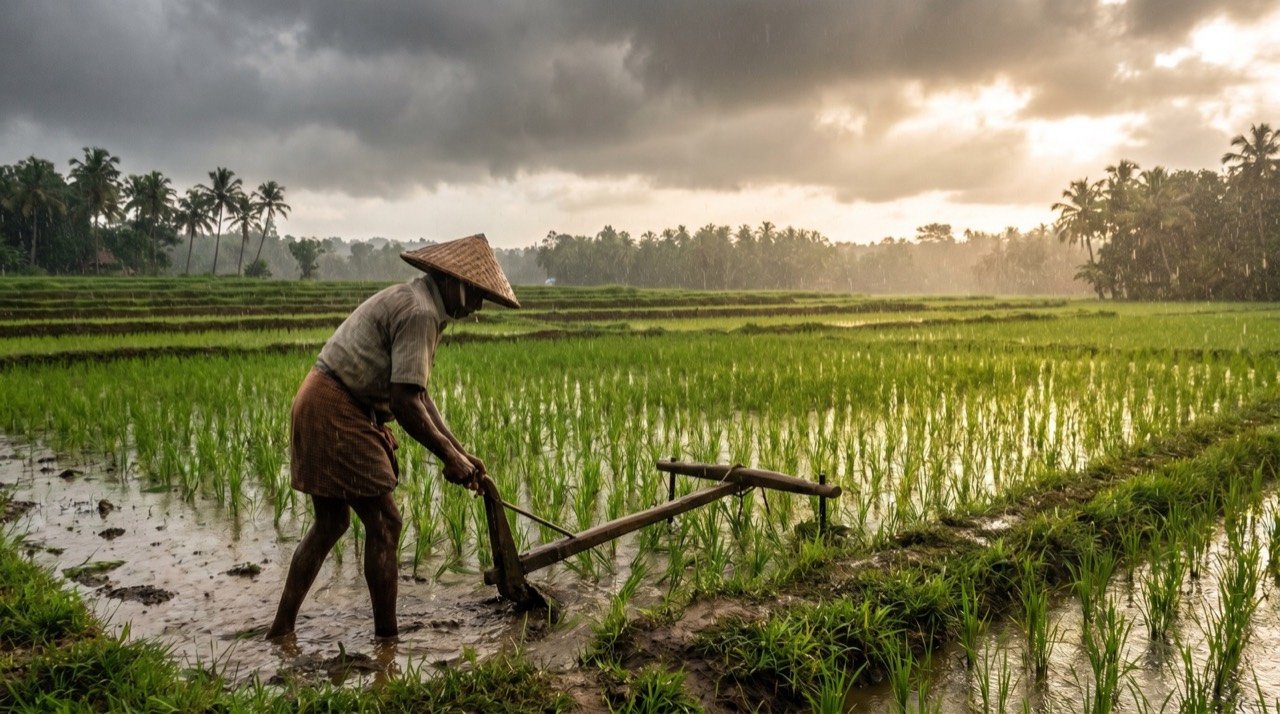
Delhi-Kolkata Six-Lane Corridor Nears Completion as Highway Push Accelerates
The 31,700-crore-rupee, roughly 610-km expressway across four states is being readied for completion, part of a broader expansion of India's high-speed road network.
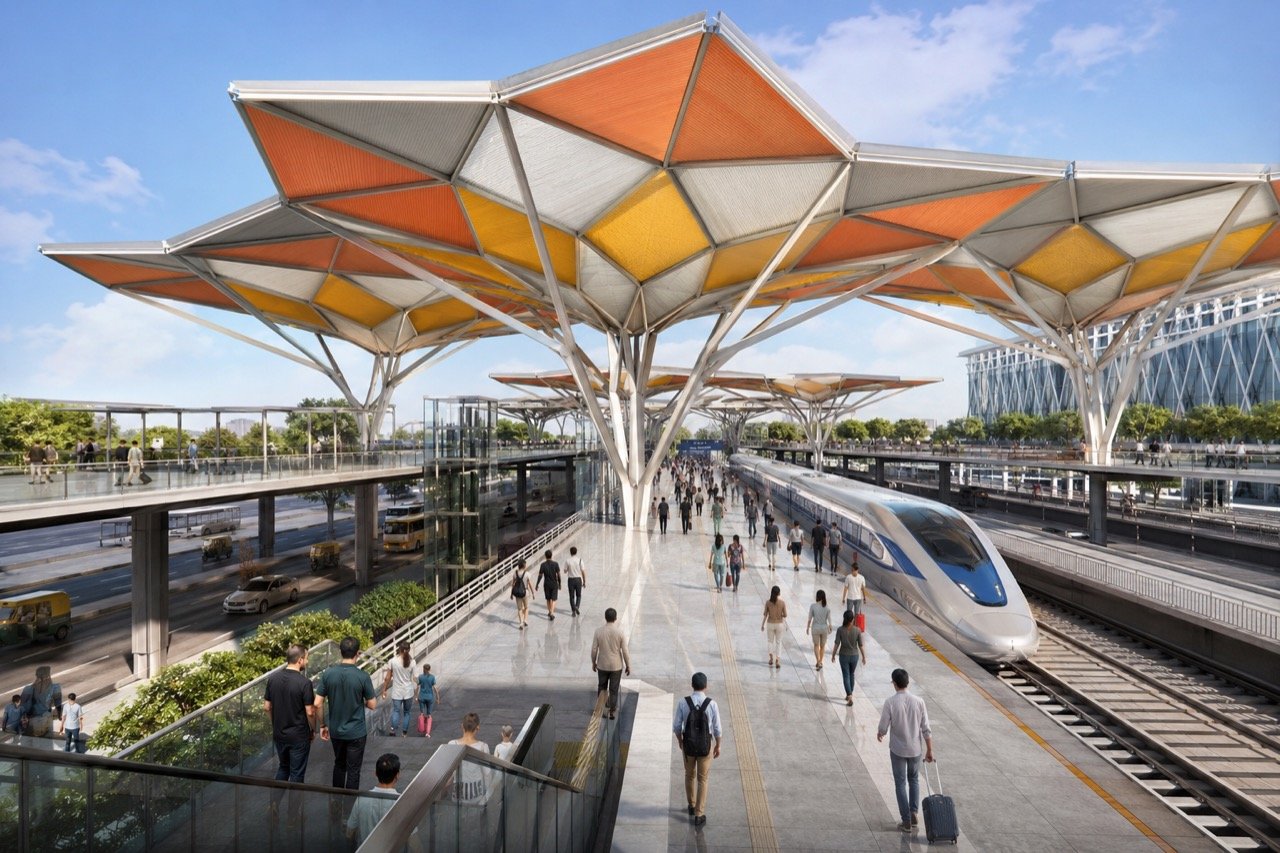
Ahmedabad Bullet Train Station Gets Kite-Inspired Multimodal Hub Plan
Ahmedabad's bullet train station is set to be developed as a multimodal transport hub with a kite-inspired design, giving India's high-speed rail project a distinctive urban landmark rooted in local identity.
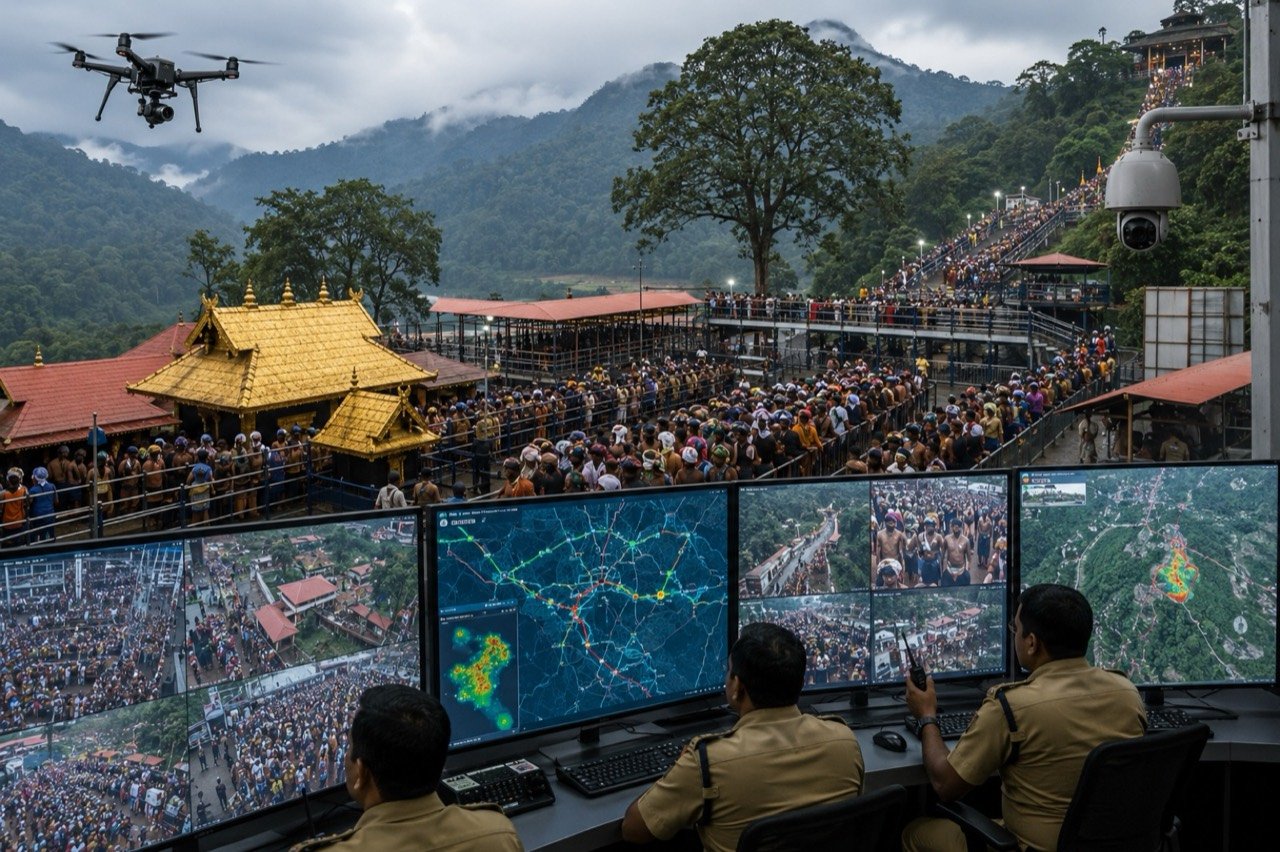
Sabarimala to Get AI-Powered Crowd Control for 2026 Pilgrimage Season
Kerala temple authorities are readying an AI-enabled system of smart cameras, drones and GIS mapping to monitor crowds and predict congestion at Sabarimala ahead of the busy pilgrimage season.
More from this section
More
AICTE Industry Fellowship 2026: Rs 1.5 Lakh Scheme Closes July 5
The AICTE Industry Fellowship Programme 2026, which places technical-education faculty inside leading companies on a Rs 1.5 lakh monthly stipend, reached its application deadline on July 5.
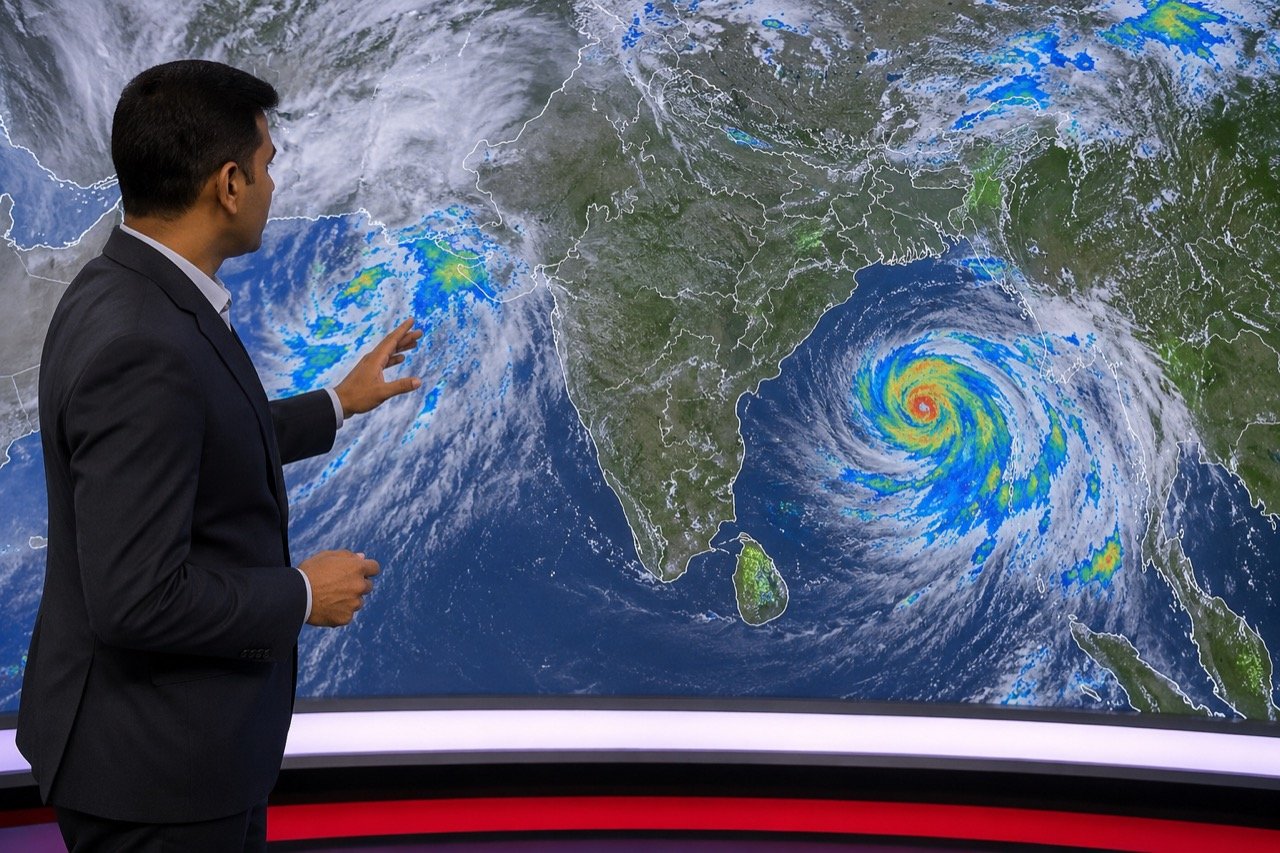
Bay of Bengal Low Pressure System Revives Monsoon Over Western India
A low-pressure system over the Bay of Bengal has pushed the monsoon back into an active phase, bringing steady heavy rain to Kerala, coastal Karnataka and Maharashtra, and putting Mumbai and Pune on preparedness watch.
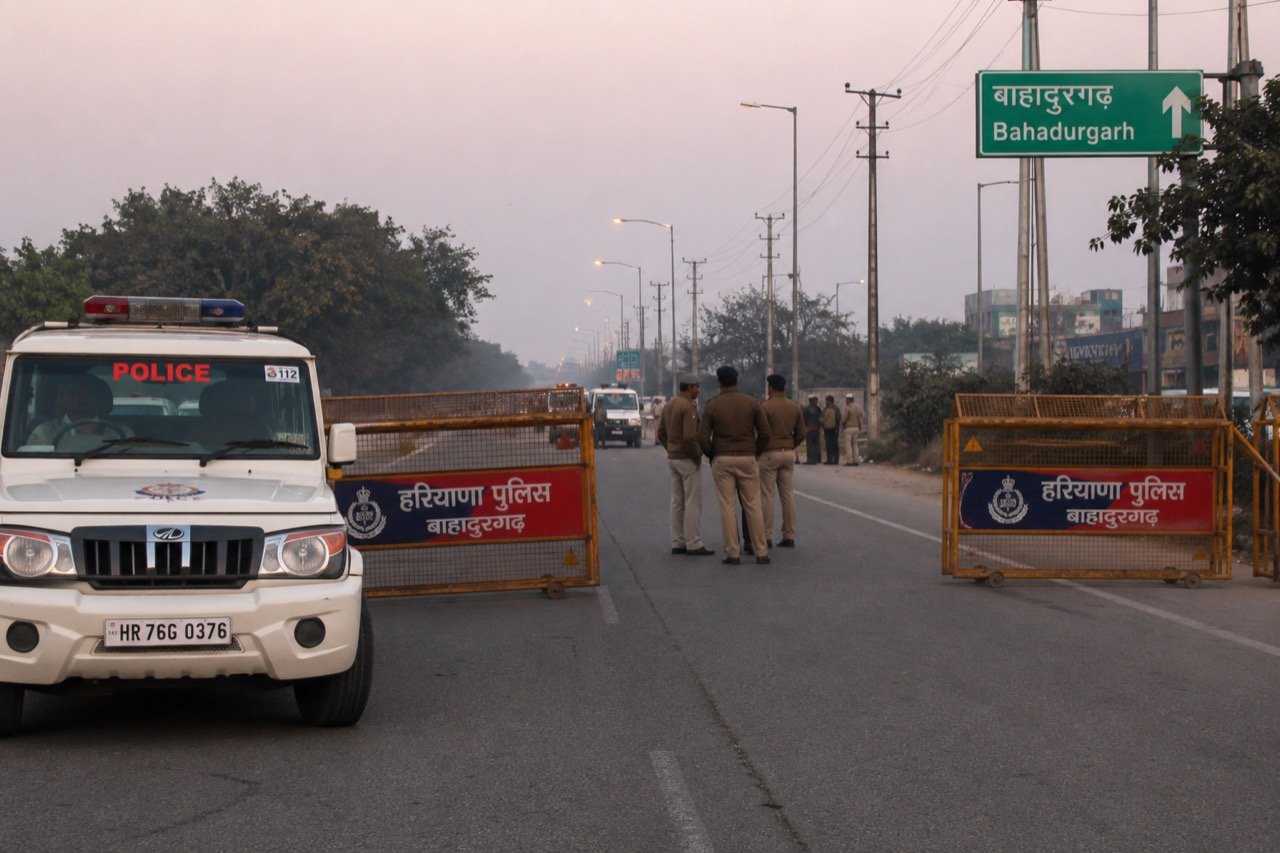
Bishnoi Gang Suspects Injured in Haryana Encounter as Police Tighten Net
A joint Haryana-Delhi Police operation in Bahadurgarh left two suspected Lawrence Bishnoi gang members injured, spotlighting the multi-state coordination now central to India's fight against organised crime networks.