Delhi-Kolkata Six-Lane Corridor Nears Completion as Highway Push Accelerates
The 31,700-crore-rupee, roughly 610-km expressway across four states is being readied for completion, part of a broader expansion of India's high-speed road network.
Commentary & Analysis ·

Work on the Delhi-Kolkata six-lane expressway is in its final stages, with the 31,700-crore-rupee corridor being readied for completion. The route stretches roughly 610 kilometres and passes through Uttar Pradesh, Bihar, Jharkhand and West Bengal. As one of the major arteries planned to link the capital region with the eastern seaboard, the corridor is intended to transform travel and freight movement across a densely populated and economically significant stretch of the country.
The project is among several major expressways advancing through 2026, as the government works to expand high-speed connectivity between economic hubs and reduce freight travel times across the eastern corridor. Faster, more reliable road links between major cities are central to the broader strategy of lowering the cost of moving goods and improving the competitiveness of regional economies.
A corridor across four states
Spanning roughly 610 kilometres across Uttar Pradesh, Bihar, Jharkhand and West Bengal, the expressway threads through some of India's most populous regions. A high-speed route of this kind can compress travel times substantially, ease congestion on older roads and improve access to markets for the towns and industries along its path.
Large multi-state corridors also tend to spur development around their interchanges and service points, drawing logistics facilities, warehousing and allied industry. The economic effects of such a route often extend well beyond the road itself, shaping investment patterns in the regions it connects.
Wider network expansion
On the parallel Delhi-Mumbai Expressway, the Delhi-Vadodara section is being completed, with a large share of the 1,445-km project already operational. Three packages in Gujarat, however, have slipped, pushing parts of the Vadodara-Mumbai stretch to a later timeline. The mixed picture illustrates both the momentum behind India's expressway programme and the practical difficulties of delivering projects on this scale.
The status of the country's flagship corridors reflects a programme advancing on several fronts at once:
- Delhi-Kolkata: 31,700-crore-rupee, roughly 610-km, six-lane route across four states nearing completion
- Delhi-Mumbai: a large share of the 1,445-km expressway already operational
- Delhi-Vadodara section being completed
- Three packages in Gujarat delayed, pushing parts of the Vadodara-Mumbai stretch to a later timeline
Why it matters
Officials have framed the corridors as central to lowering logistics costs and improving regional links, even as some segments face construction delays tied to land and execution challenges. High logistics costs have long been cited as a drag on India's competitiveness, and faster road corridors are seen as one of the most direct ways to bring them down.
The delays in Gujarat are a reminder that land acquisition and on-ground execution remain persistent hurdles, capable of slipping timelines even on high-priority projects. Managing these challenges is as much a part of the programme's success as the engineering itself.
The outlook
As the Delhi-Kolkata corridor moves toward completion and other expressways advance in parallel, the coming months should see meaningful additions to India's high-speed road network. The pace of progress will depend on resolving the remaining land and execution bottlenecks, but the broader trajectory points to a steadily expanding network aimed at knitting the country's economic centres more closely together.
The NE Times View
A 610-km corridor across four states is the kind of spine that genuinely lowers logistics costs, which remain stubbornly high and quietly tax every Indian business. The construction pace is impressive; the harder question is maintenance and tolling once the ribbon is cut. Expressways deliver returns only if the freight and industry along them materialise. Built well, this knits eastern India closer to the capital's economy, a connection long underexploited.
This article is original commentary and analysis by The NE Times. Background facts were referenced from India TV, Swarajya.
You may also like to read

Delhi-Dehradun Expressway Opens In Phases As NHAI Pushes Highway Timelines
Sections of the access-controlled Delhi-Dehradun Expressway are opening in stages in 2026, the latest milestone in a national highway push that has repeatedly tested NHAI's construction deadlines.
Pune Metro Line 3 Enters Safety Inspection, First Stretch Nears Launch
India's first public-private metro corridor is undergoing statutory safety checks in mid-June, clearing the way for a planned opening of its initial 12-station section to commuters.
Chennai Metro readies its first double-decker corridor along Arcot Road
Part of the Phase II network, the stacked viaduct on Arcot Road places two metro corridors one above the other, with services on the Poonamallee Bypass to Vadapalani stretch cleared for operations and the Porur section moving toward commissioning.
Bengaluru's Airport Metro Nears Finish Line As Blue Line Works Target Completion
Karnataka officials say construction on the Silk Board-K R Puram-airport corridor is on course for completion this month, promising the city a long-awaited rail link to its airport.
More from this section
More
AICTE Industry Fellowship 2026: Rs 1.5 Lakh Scheme Closes July 5
The AICTE Industry Fellowship Programme 2026, which places technical-education faculty inside leading companies on a Rs 1.5 lakh monthly stipend, reached its application deadline on July 5.
Bay of Bengal Low Pressure System Revives Monsoon Over Western India
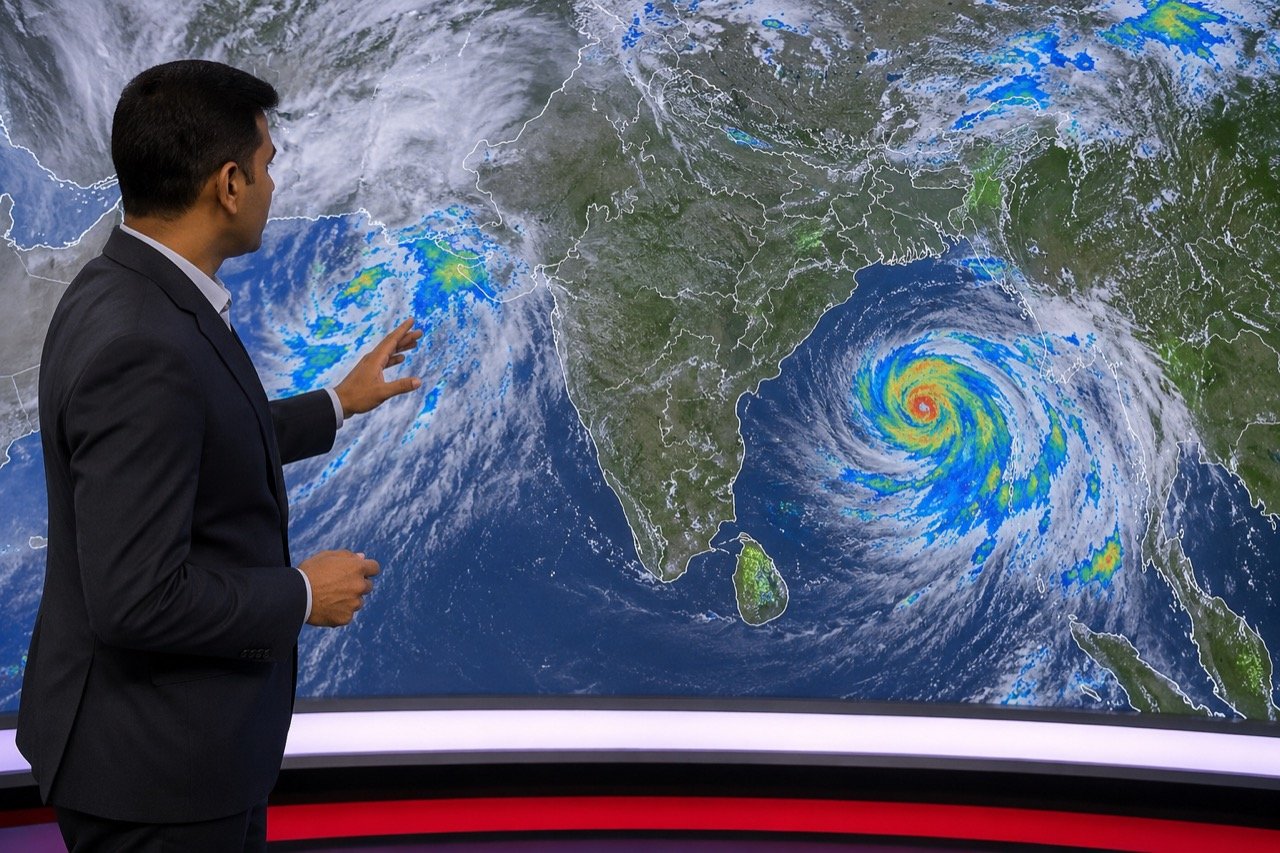
A low-pressure system over the Bay of Bengal has pushed the monsoon back into an active phase, bringing steady heavy rain to Kerala, coastal Karnataka and Maharashtra, and putting Mumbai and Pune on preparedness watch.
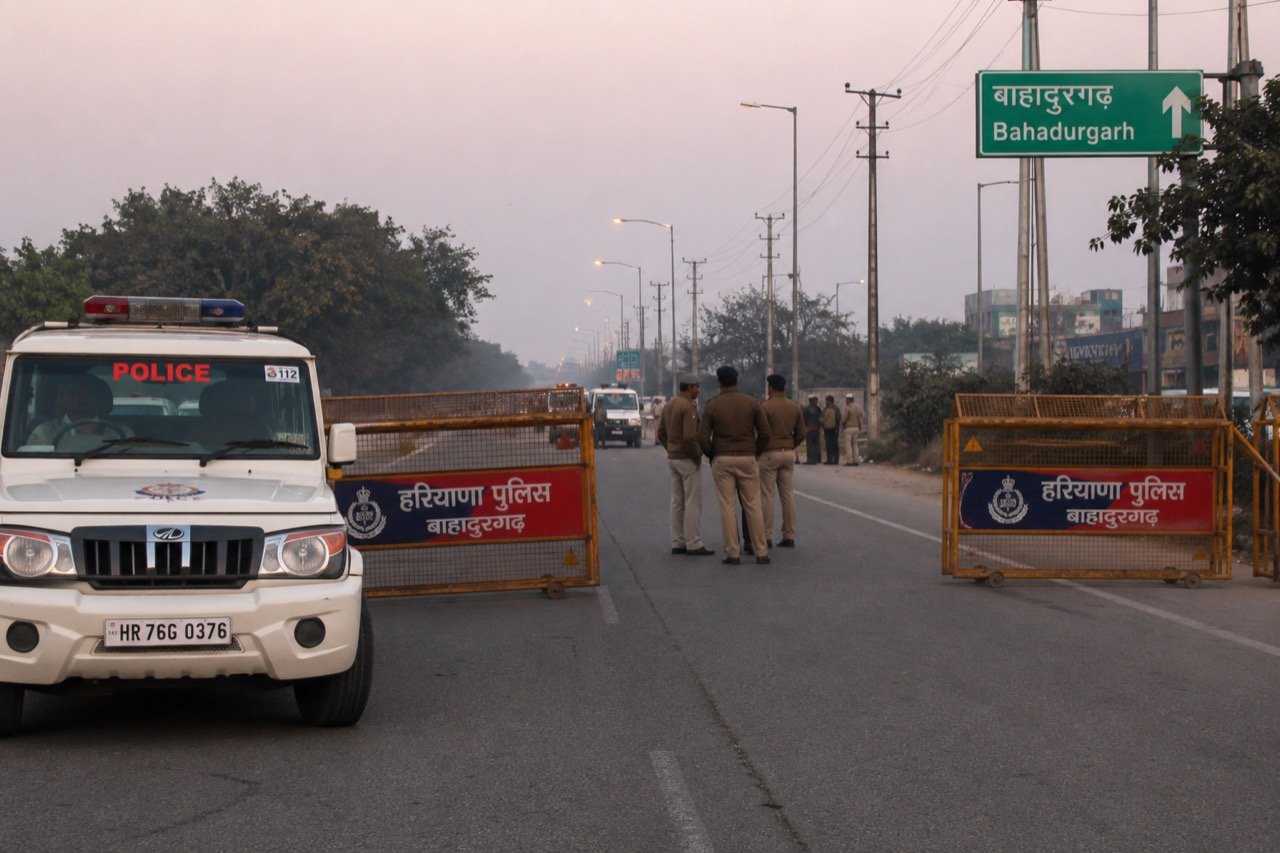
Bishnoi Gang Suspects Injured in Haryana Encounter as Police Tighten Net
A joint Haryana-Delhi Police operation in Bahadurgarh left two suspected Lawrence Bishnoi gang members injured, spotlighting the multi-state coordination now central to India's fight against organised crime networks.