India Passport Ranking 2026: 125th Place Renews Visa-Free Debate
India's 125th position in the latest global passport index, a list topped by Singapore, has revived questions about visa-free access, travel friction and what mobility rankings really measure for ordinary travellers.
Commentary & Analysis ·
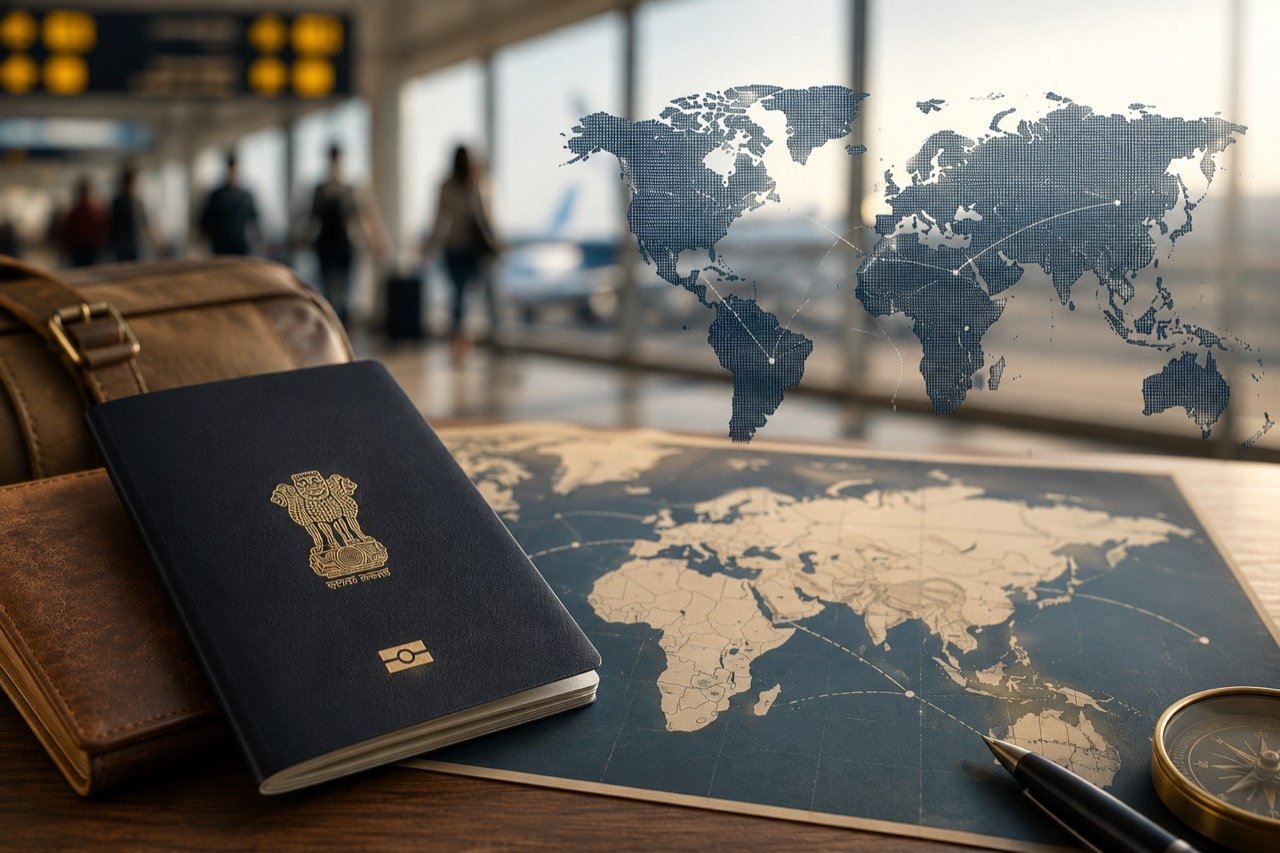
India stands at 125th in the latest global passport index, according to July 5 updates carried by Hindustan Times and Mint, while Singapore holds the top spot. On the surface, this is a routine annual data point, the kind of ranking that circulates briefly on social media before fading from view. But passport rankings endure as a subject of public conversation because they convert an abstract question of foreign policy and diplomacy into something every traveller, student and businessperson can immediately understand: how many borders can you cross without first securing a pre-approved visa? That simplicity is precisely what gives the number its staying power, and why India's 125th-place standing is worth examining more closely rather than dismissing as a footnote.
What the ranking actually measures
Different passport indexes rely on different methodologies, but most converge on a similar approach: they compare the number of destinations a passport holder can enter visa-free, on a visa-on-arrival basis, or through other simplified access arrangements, and then rank countries accordingly. Singapore's position at the top of the table reflects the breadth of destinations open to its citizens with minimal pre-travel formality. India's position at 125th, by contrast, signals that Indian passport holders face considerably more pre-travel approval requirements than citizens of higher-ranked nations.
It is worth being precise about what this figure does and does not capture. A single composite score cannot account for every real-world friction a traveller experiences, from the cost of visa fees and the length of processing times to the discretion individual consulates exercise when reviewing applications. Two travellers from the same country, applying to the same destination, can have very different experiences depending on documentation, financial history or simply the mood of an immigration officer that day. The index, in other words, is a useful proxy for mobility, not a perfect measure of it. Readers should treat the number as directional, a broad signal of where India stands relative to its peers, rather than as a definitive verdict on every individual's travel prospects.
The everyday cost of low mobility
For all its imperfections, the ranking captures something real and keenly felt. Students racing to meet university admission deadlines abroad, professionals trying to confirm attendance at an international conference, business visitors attempting to close a deal on a tight timeline, and tourists simply planning a holiday all encounter the same underlying friction: paperwork to assemble, appointment backlogs to navigate, visa fees to pay, and an uncertain wait for an outcome that is not guaranteed even after all of that effort. This is why the passport ranking resonates well beyond diplomatic and policy circles each time it is published. It is not an abstraction to the millions of Indians who study, work, trade and travel internationally every year; it is a lived administrative burden that shapes decisions about where to apply, when to book flights, and how much contingency time to build into any cross-border plan.
Seen from this angle, the ranking is less a scorecard for bureaucrats and more a rough index of national convenience, or its absence. A country's citizens spending disproportionate time and money securing permission to travel is a hidden tax on ambition, one that does not show up in trade statistics or GDP figures but is nonetheless real to the individuals and businesses who absorb it.
Why the gap with India's economic weight matters
India's economic profile has been rising steadily on the world stage, with growing trade volumes, an expanding consumer market, and a larger footprint in global supply chains. Yet passport mobility has not kept pace with that economic ascent. This is one of the more telling asymmetries in India's global story: a country courted for its market size and manufacturing potential still sends its citizens through the same visa queues and documentation hurdles as nations with far less economic leverage. Trade deals get signed, summits produce photographs of leaders shaking hands, and bilateral relationships are periodically upgraded on paper, but none of that has yet translated into meaningfully smoother movement for ordinary Indian citizens seeking to travel, study or do business abroad.
This disconnect between economic stature and travel friction deserves more sustained policy attention than it typically receives. Visa liberalisation is not simply a courtesy extended between friendly governments; it is a negotiated form of leverage, no different in principle from tariff concessions or investment guarantees. A country with India's growing market power has genuine diplomatic cards to play on the question of mobility, not just on trade terms or defence cooperation. The question is whether Indian negotiators are using that leverage as deliberately on visa matters as they do on commercial ones.
What the diplomatic path forward could look like
If passport mobility is treated as a legitimate subject of bilateral negotiation rather than an afterthought, there is a plausible route to improvement. Reciprocal visa waiver agreements, streamlined visa-on-arrival arrangements, and simplified documentation requirements are all tools that have been used by other rising economies to improve their citizens' access to international destinations. None of these require India to alter its own visa policy toward incoming travellers in ways that would compromise security screening; they simply require sustained diplomatic effort to negotiate reciprocal ease of movement, destination by destination.
The more useful follow-up coverage on this subject, going forward, would map precisely which destinations Indian passport holders can already enter with minimal friction, and track whether new bilateral visa agreements meaningfully shift that picture over the coming year. A single annual ranking captures a snapshot, but the real story is in the trend line: is the number of easily accessible destinations expanding, holding flat, or contracting as global travel and security policies evolve elsewhere in the world?
The NE Times View
The gap between India's economic weight and its passport's standing is one of the more telling asymmetries in the country's global story. Trade deals and summit photographs have not yet translated into smoother movement for ordinary citizens, and that disconnect deserves more policy attention than it gets. Visa liberalisation is negotiated leverage, and India's growing market power gives its diplomats real cards to play on mobility, not just tariffs.
We would also urge readers to treat index positions as directional rather than definitive, but the direction itself is clear: Indian travellers carry more friction than their country's stature should warrant. Closing that gap will not happen through a single agreement or announcement; it will require patient, destination-by-destination diplomacy that treats ease of travel as seriously as trade access. Until that happens, the passport ranking will continue to serve as an annual reminder of unfinished business between India's economic ambitions and the everyday experience of its citizens abroad.
Key takeaways
- India ranked 125th in the latest global passport index reported on July 5 by Hindustan Times and Mint, while Singapore topped the list.
- Passport indexes measure visa-free, visa-on-arrival and similar easy-access arrangements, but do not capture every real-world factor such as fees, processing times or consular discretion.
- Low passport mobility imposes a tangible, recurring burden on Indian students, professionals, business travellers and tourists.
- India's rising economic weight has not yet translated into proportionate gains in visa-free travel access for its citizens.
- Future coverage should track which destinations remain easiest for Indians to access and whether new bilateral agreements improve the ranking over time.
You may also like to read
India Passport Ranking 2026: Mobility Gains Meet Citizenship Debate
India's improved position on the Henley Passport Index 2026 has widened visa-free access for travellers, even as a parallel domestic debate asks what a passport actually proves about citizenship.
Rajasthan Detention Over RSS-Linked Instagram Video Reignites Free-Speech Debate
The detention of an Instagram user in Rajasthan over a video involving RSS-linked imagery has reopened a debate on social-media speech, proportionate policing and online public order.

Rushikonda Complex PPP Plan Revives Andhra Coastal Asset Debate
Andhra Pradesh has invited private operators to run the nearly Rs 450 crore Rushikonda Building Complex in Visakhapatnam, reopening questions about tourism potential, transparency and the future of a politically contested coastal asset.
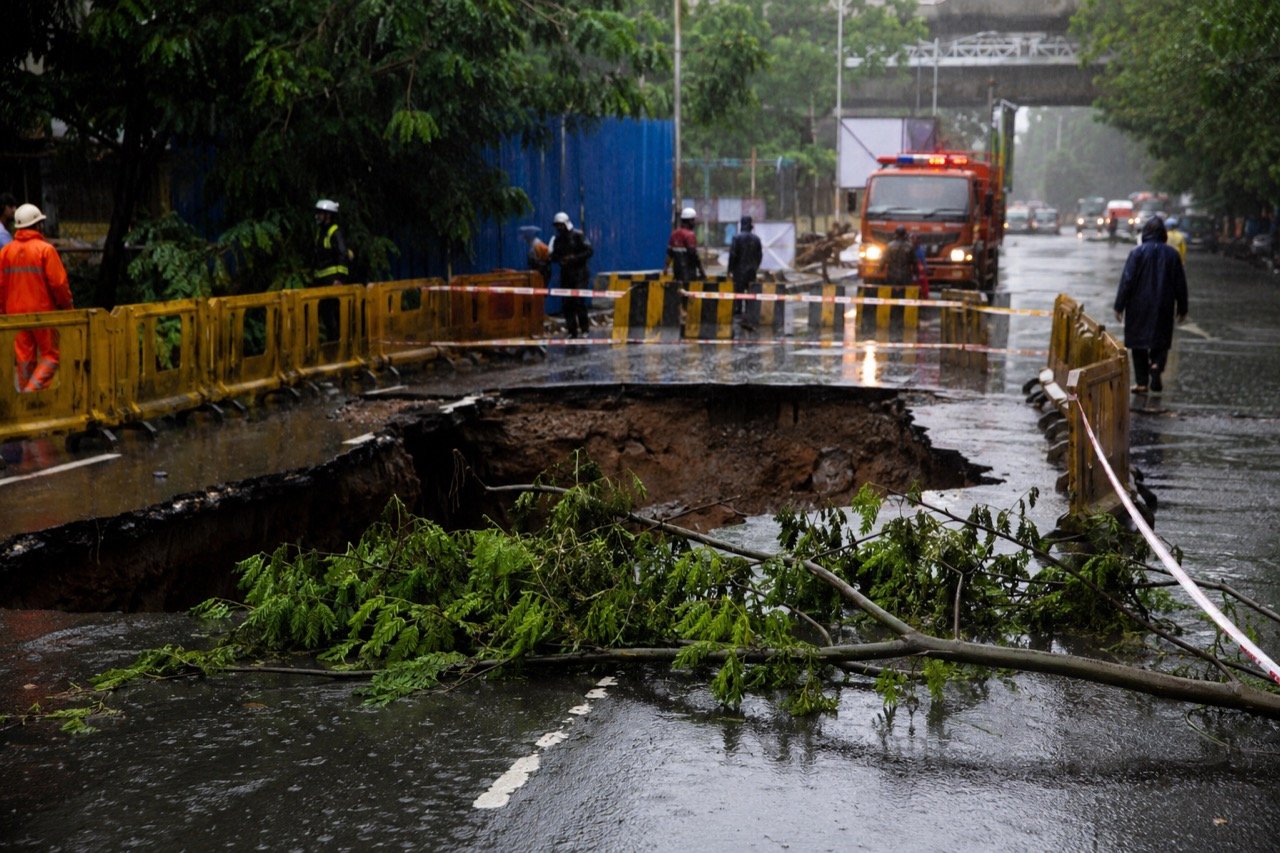
Mumbai Rains: Bhandup Road Cave-In Renews Monsoon Safety Fears
A stretch of LBS Marg in Bhandup West collapsed during intense monsoon rain, sending a vehicle into an excavation pit and reviving hard questions about Mumbai's construction safety and drainage readiness.
More from this section
More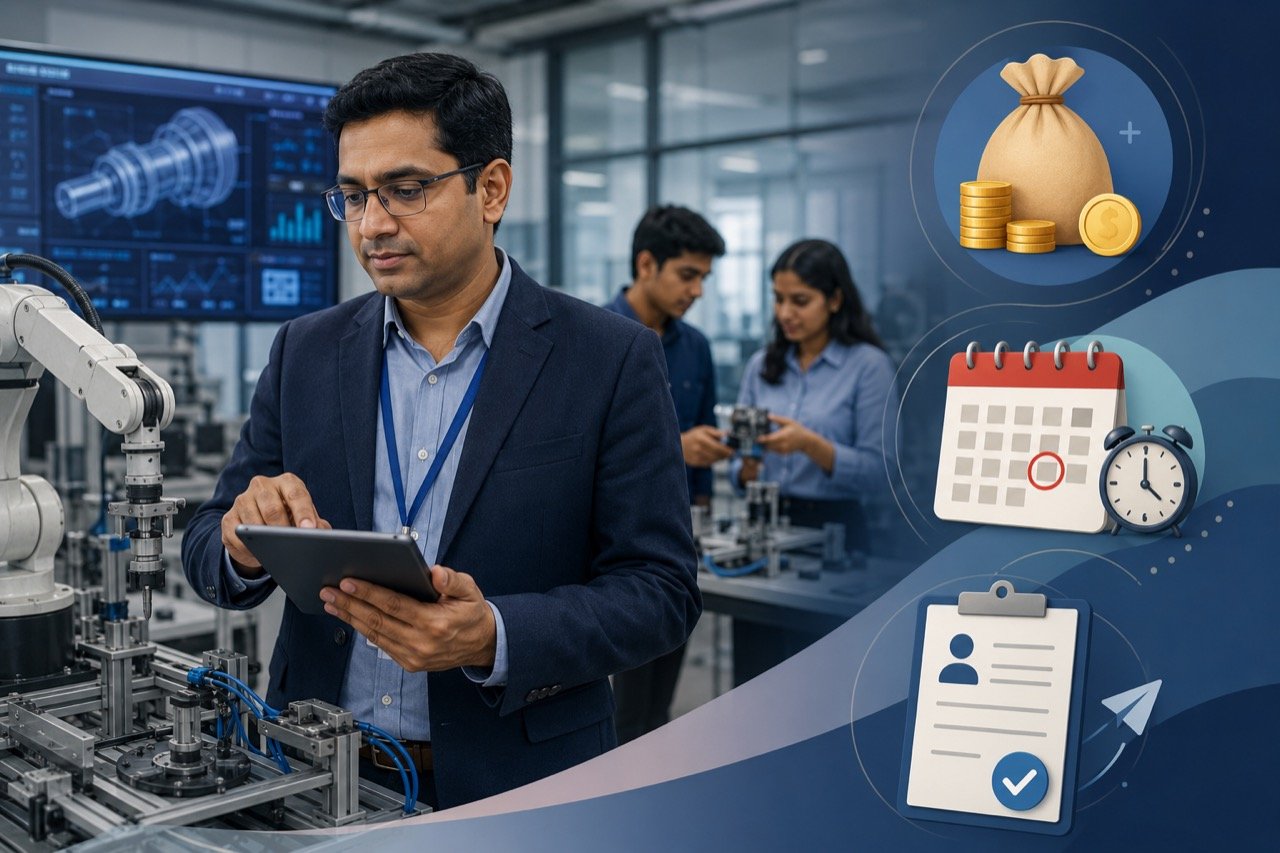
AICTE Industry Fellowship 2026: Rs 1.5 Lakh Scheme Closes July 5
The AICTE Industry Fellowship Programme 2026, which places technical-education faculty inside leading companies on a Rs 1.5 lakh monthly stipend, reached its application deadline on July 5.
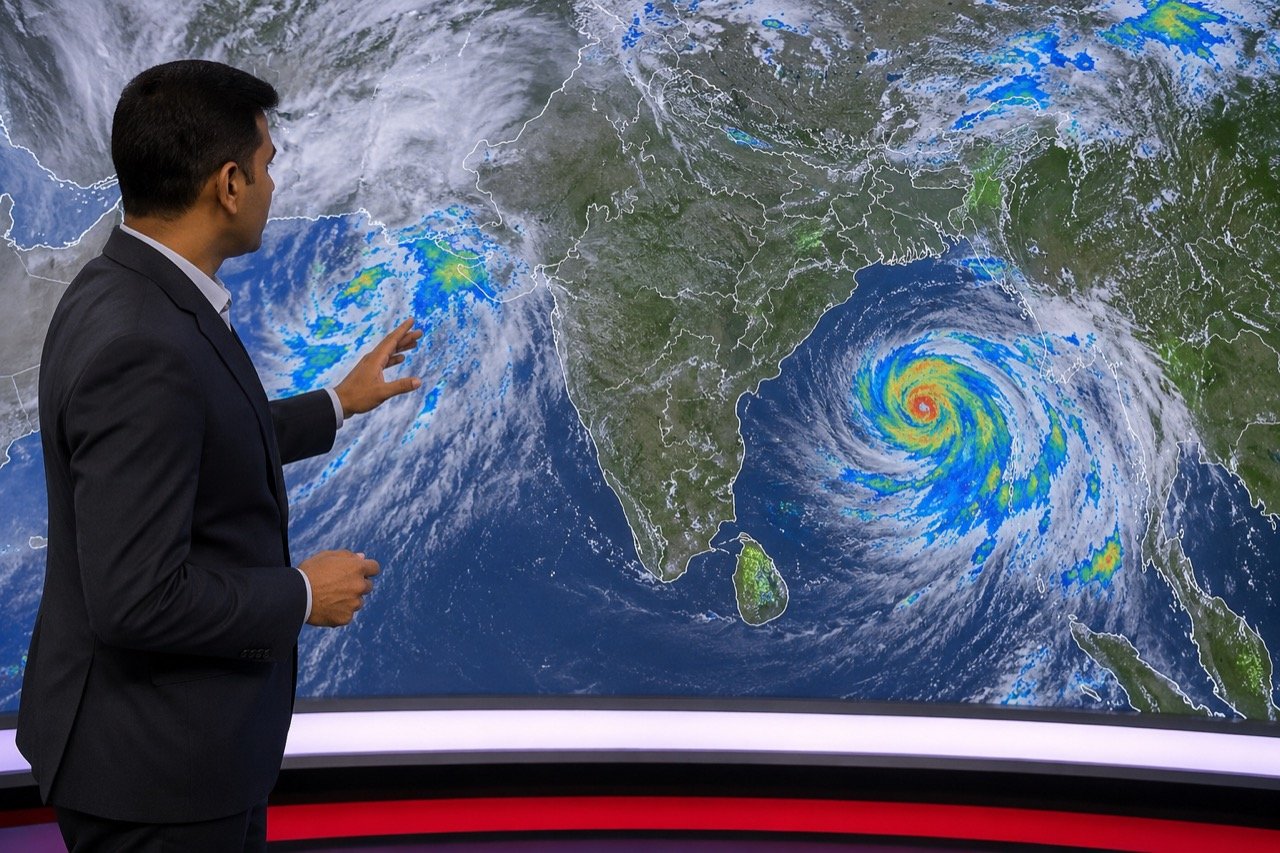
Bay of Bengal Low Pressure System Revives Monsoon Over Western India
A low-pressure system over the Bay of Bengal has pushed the monsoon back into an active phase, bringing steady heavy rain to Kerala, coastal Karnataka and Maharashtra, and putting Mumbai and Pune on preparedness watch.
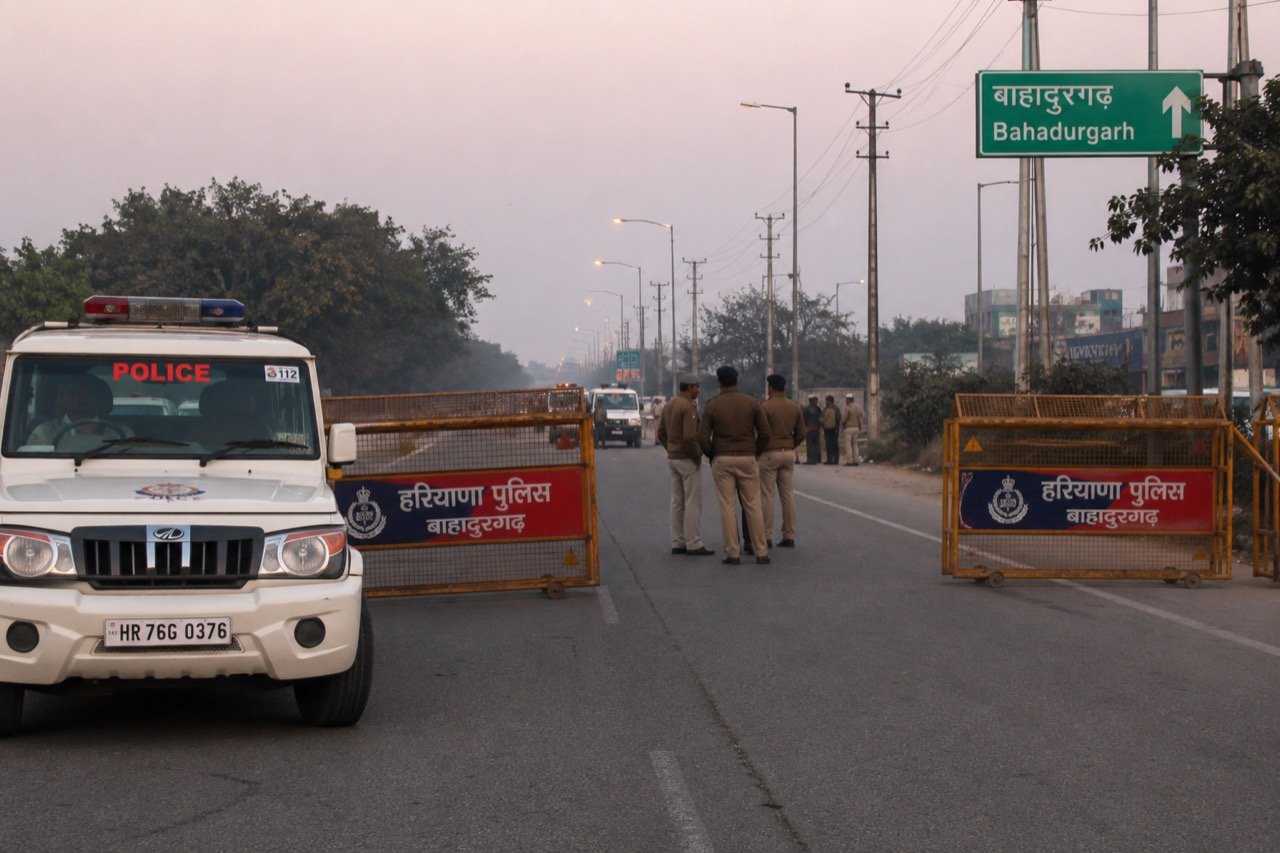
Bishnoi Gang Suspects Injured in Haryana Encounter as Police Tighten Net
A joint Haryana-Delhi Police operation in Bahadurgarh left two suspected Lawrence Bishnoi gang members injured, spotlighting the multi-state coordination now central to India's fight against organised crime networks.