Mumbai Rains: Bhandup Road Cave-In Renews Monsoon Safety Fears
A stretch of LBS Marg in Bhandup West collapsed during intense monsoon rain, sending a vehicle into an excavation pit and reviving hard questions about Mumbai's construction safety and drainage readiness.
Commentary & Analysis ·
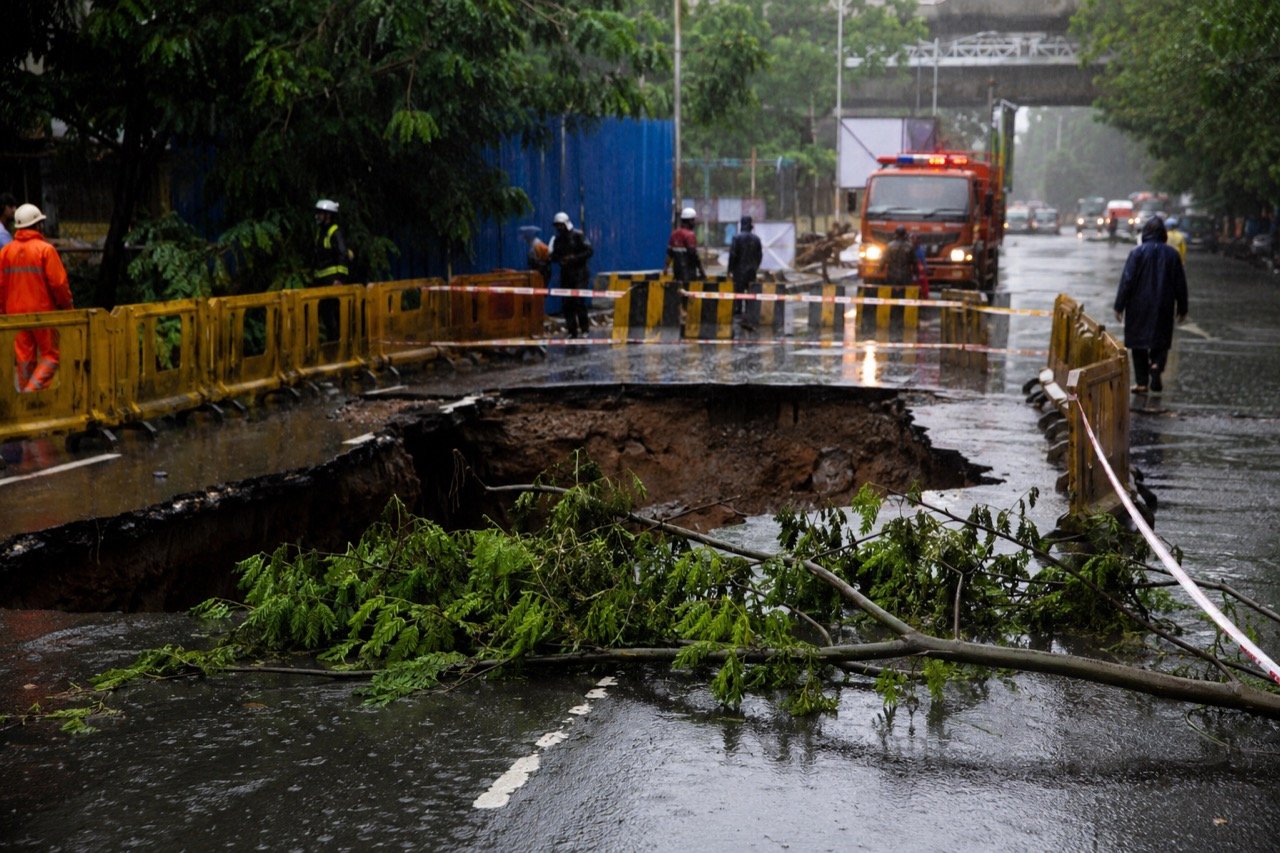
Heavy monsoon rain in Mumbai turned a local work site into a citywide warning after a major section of LBS Marg in Bhandup West caved in, reportedly near the Asian Paints premises. The collapse uprooted trees and sent a vehicle tumbling into an excavation pit, though no injuries were reported in available coverage. On the surface it reads as one more monsoon mishap in a city inured to them. Looked at more carefully, it is a case study in how a single point of failure on a busy road can cascade through traffic, civic operations and public trust within hours.
More than a traffic problem
Road cave-ins during rain are rarely just about diversions. They can signal weak backfilling, stormwater pressure, blocked drainage channels, poor barricading or soil movement around active construction. Each of these has a distinct cause and a distinct fix, which is precisely why cave-ins deserve more scrutiny than they typically receive. A road that collapses because a drain was blocked points to maintenance failure. One that collapses because an excavation was left inadequately shored points to contractor and supervisory failure. Conflating the two, or waving both away as "monsoon damage," lets the actual cause go uninvestigated and uncorrected.
On a busy arterial like LBS Marg — a key corridor for the eastern suburbs — such a failure threatens commuters, pedestrians, emergency access and nearby businesses, and diversions are harder when alternative routes are themselves waterlogged. This is the compounding effect that makes Mumbai's monsoon infrastructure failures worse than they might be in a drier city or a less congested one. A cave-in in a low-traffic area during dry weather is a repair job. The same cave-in on a congested eastern-suburb corridor, during a spell of heavy rain, with a vehicle already in the pit, becomes a multi-agency emergency with knock-on effects for everyone who depends on that stretch of road to reach work, school, hospitals or connecting transport.
A wider spell of extreme weather
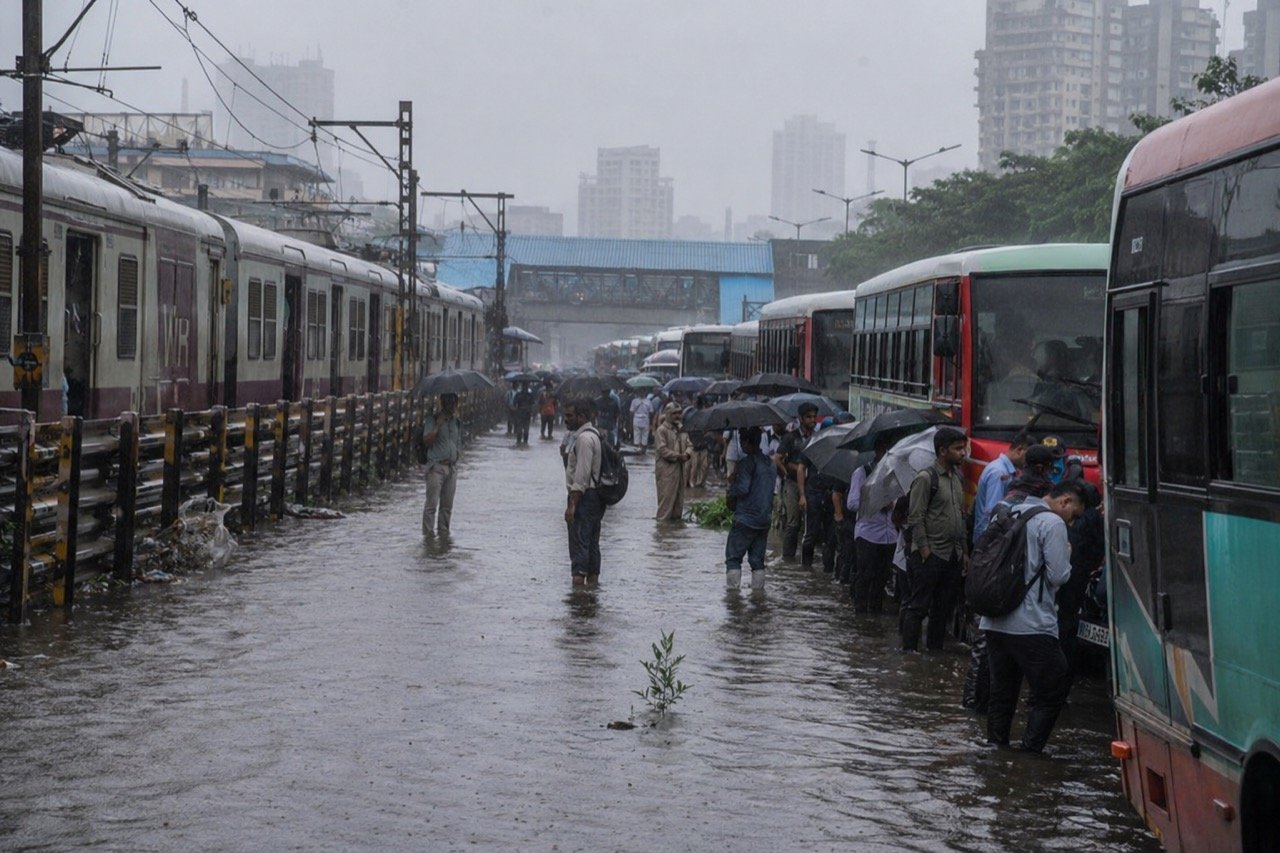
The incident came amid a wider spell of intense rain across the metropolitan region, with reports of waterlogging, rail and road delays, and localised closures. This context matters. The Bhandup collapse did not happen in isolation; it happened as part of a broader stress test that the monsoon annually imposes on Mumbai's drainage, transport and construction oversight systems simultaneously. When several parts of the city are waterlogged at once, civic agencies are stretched thin, response times lengthen, and problems that might otherwise be caught early — a sagging road edge, a slow leak into an excavation pit — can go unnoticed until they fail outright.
Civic agencies faced simultaneous tasks: securing the collapse site, clearing fallen trees, checking the stability of adjoining road sections, managing traffic and keeping residents informed. Each of these tasks alone requires coordination between different departments — roads, disaster management, tree authority, traffic police and public communications. Doing all of them at once, in the rain, while other parts of the city are also experiencing flooding, is a demanding operational test, and it is one that recurs every monsoon rather than being a one-off emergency.
The questions planners must answer
A technical review should establish whether the excavation was properly protected, whether rainwater undermined the road edge, whether drainage was blocked, and whether warning signage was adequate. These are not abstract questions. Each has a concrete answer that a site inspection, drainage survey and contractor audit can uncover, and each answer implies a different remedy. If the excavation was inadequately protected, the responsibility sits with the contractor and whichever civic body signed off on the work. If drainage was blocked nearby, the responsibility shifts toward routine municipal maintenance. If signage and barricading were insufficient, that is a site-safety failure that should have been caught well before the rains intensified.
Rushing to assign blame risks missing systemic weaknesses; avoiding accountability risks leaving the same hazards in place for the next downpour. This tension is the crux of how Mumbai — or any dense, rapidly built-up city — should respond to incidents like this. A hasty press statement naming a single culprit satisfies public anger for a day but does nothing to fix the underlying pattern if the same categories of failure exist across dozens of other active work sites. Equally, a slow, deflecting response that treats the incident as unavoidable monsoon damage lets contractors and departments avoid scrutiny they should face.
A recurring pattern across the city
The episode fits a larger pattern: extreme rain events are straining both Mumbai's ageing infrastructure and its dense new construction zones. This is worth dwelling on because it is easy to treat each cave-in, waterlogged street or delayed train as a discrete news item rather than as evidence of a structural problem. Mumbai is simultaneously an old city with decades-old drainage and road infrastructure, and one of the busiest construction markets in the country, with excavation and digging work under way across many suburbs at any given time. The overlap of old infrastructure under stress and new construction sites vulnerable to rain is precisely where incidents like the Bhandup cave-in are most likely to occur.
The city needs stronger contractor compliance, real-time monitoring of vulnerable sites, functioning drainage and transparent public reporting — with pre-monsoon audits treated as engineering exercises, not paperwork. This is the practical takeaway that follows from the pattern described above. Pre-monsoon audits exist precisely to catch exactly this kind of failure before the rain arrives, not to generate a checklist that gets filed and forgotten. If audits are conducted as genuine engineering assessments — testing drainage capacity, verifying excavation shoring, checking barricades and signage — they can meaningfully reduce the odds of a repeat. If they are conducted as a bureaucratic formality, incidents like Bhandup will keep recurring, dressed up each time as unfortunate but unavoidable.
The NE Times View
Mumbai has learned to shrug at monsoon chaos, but a road swallowing a vehicle on a major corridor should not be filed under routine disruption. The Bhandup cave-in is precisely the kind of preventable failure that pre-monsoon audits exist to catch, and the fact that it happened at an active work site makes contractor oversight the central question. The city cannot rain-proof itself, but it can insist that excavation pits are secured, barricades are visible and vulnerable stretches are monitored before the skies open. Whether this incident produces tighter site controls before the next heavy spell is the real test — for the BMC and for every agency that signs off on digging up Mumbai's roads. Public patience with monsoon disruption has limits, and those limits are reached fastest when the same avoidable failures recur year after year without a visible change in how sites are inspected, monitored and held to account.
Key takeaways
- A major section of LBS Marg in Bhandup West caved in near the Asian Paints premises, uprooting trees and pulling a vehicle into an excavation pit, with no injuries reported.
- The collapse occurred amid a wider spell of heavy rain across Mumbai that also caused waterlogging and rail and road delays elsewhere in the city.
- A proper technical review must determine whether the excavation was adequately protected, whether drainage was blocked, and whether rainwater undermined the road edge.
- The incident reflects a broader strain on both Mumbai's ageing infrastructure and its active construction zones during the monsoon.
- The real test is whether the BMC and other civic agencies tighten contractor compliance, site monitoring and pre-monsoon audits before the next heavy spell arrives.
You may also like to read
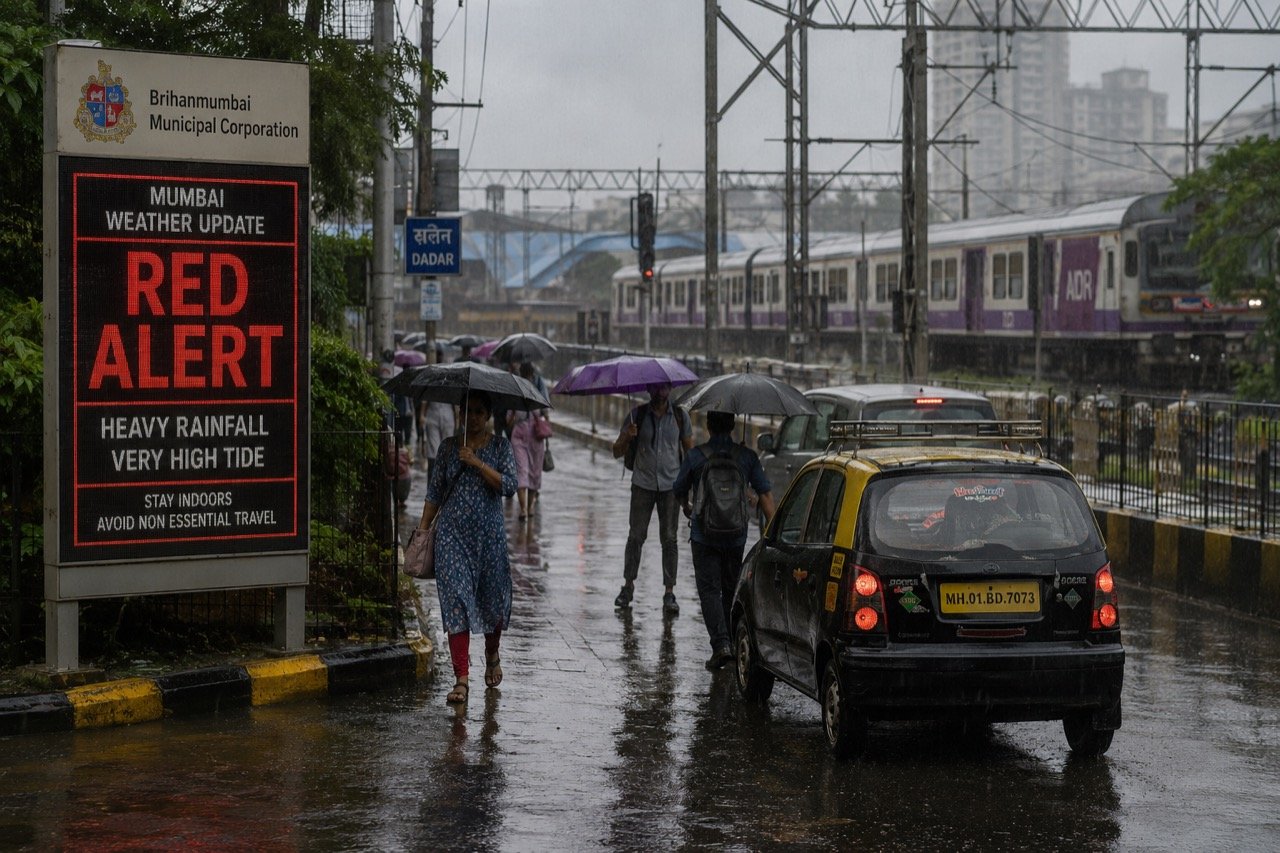
Mumbai Rains: Red Alert and Flight Diversions Test Monsoon Readiness
A red alert for heavy rainfall in Mumbai and reports of flight diversions have renewed scrutiny of the city's monsoon preparedness, from airport operations to local trains and drainage.
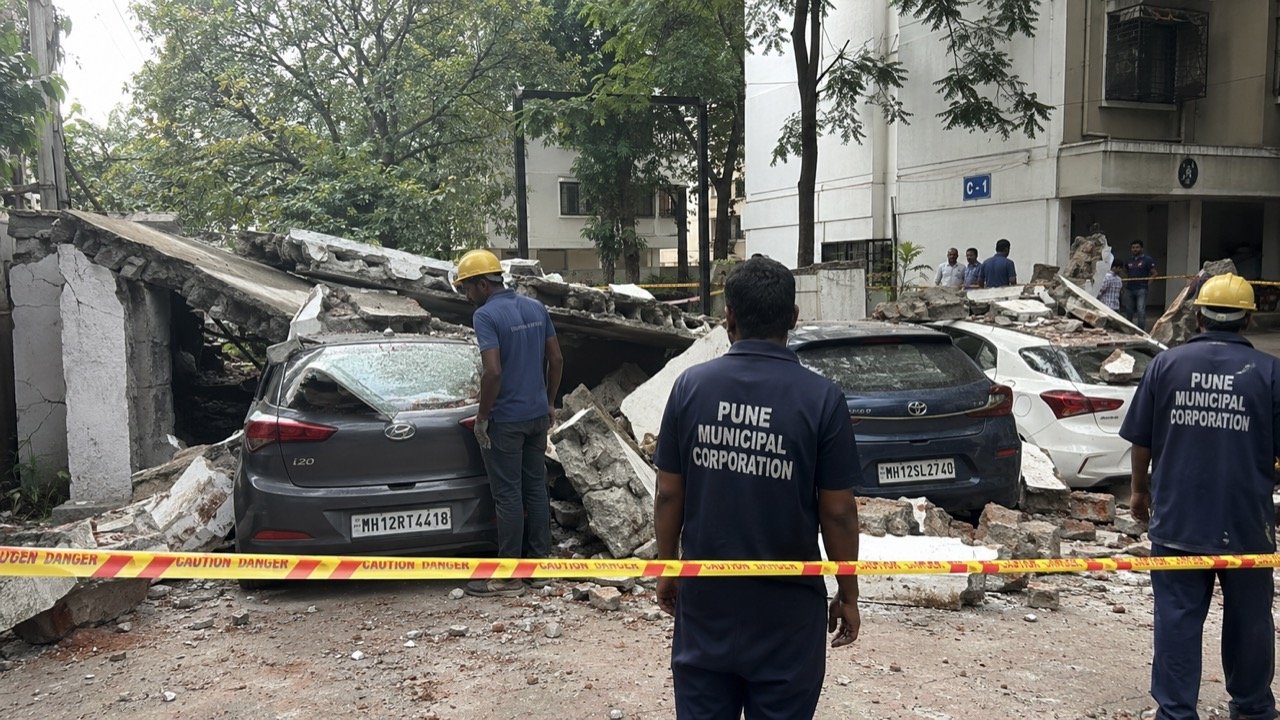
Pune Wall Collapse Damages Vehicles, Raises Monsoon Safety Alarm
A wall collapse in Pune damaged several parked vehicles, renewing scrutiny of how ageing structures, heavy rain and patchy civic maintenance combine into sudden monsoon-season hazards for residents.
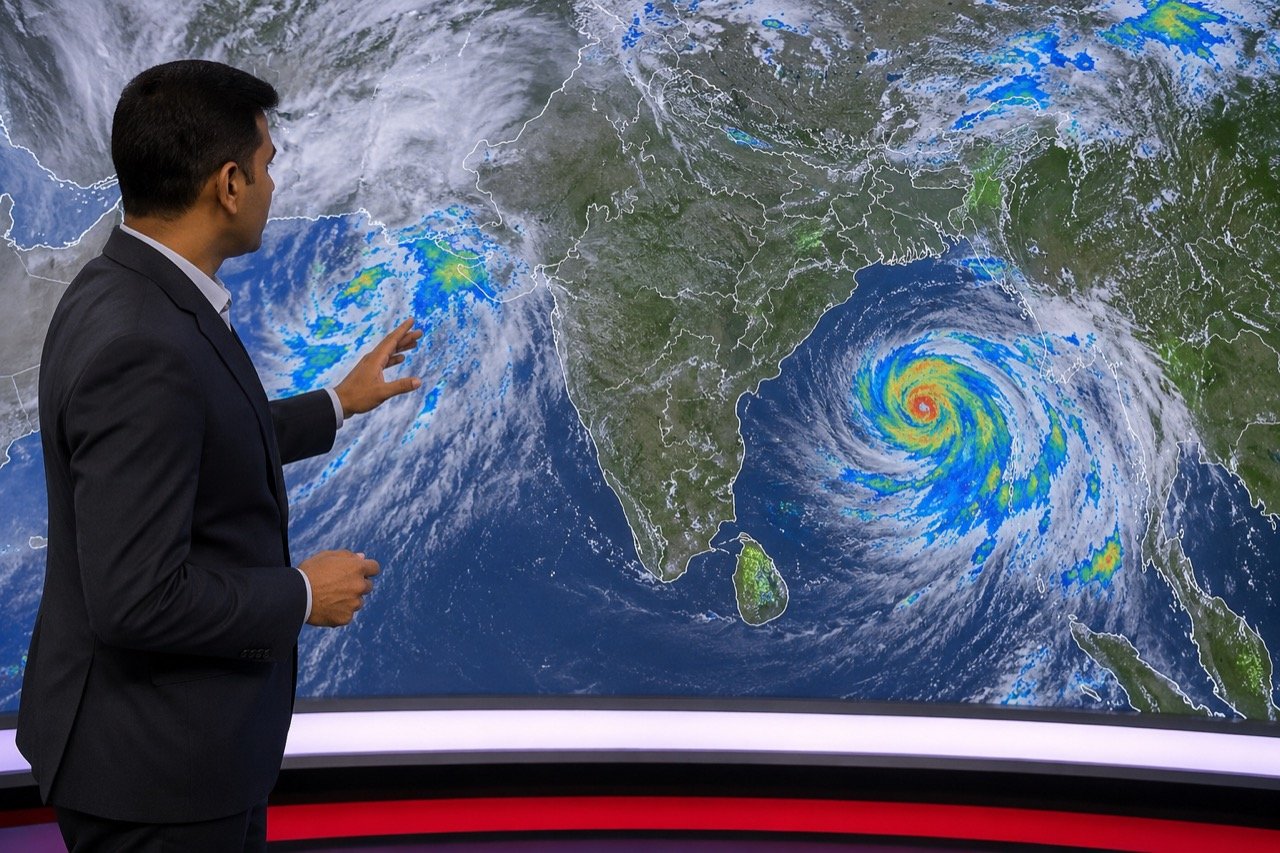
Bay of Bengal Low Pressure System Revives Monsoon Over Western India
A low-pressure system over the Bay of Bengal has pushed the monsoon back into an active phase, bringing steady heavy rain to Kerala, coastal Karnataka and Maharashtra, and putting Mumbai and Pune on preparedness watch.
Mumbai Floods: Red Alert Rain Disrupts Roads, Trains and Metro
Heavy rain of over 200 mm in about 10 hours triggered a red alert in Mumbai, flooding roads and disrupting local trains and Metro services in a fresh test of the city's monsoon preparedness.
More from this section
More
AICTE Industry Fellowship 2026: Rs 1.5 Lakh Scheme Closes July 5
The AICTE Industry Fellowship Programme 2026, which places technical-education faculty inside leading companies on a Rs 1.5 lakh monthly stipend, reached its application deadline on July 5.
Bay of Bengal Low Pressure System Revives Monsoon Over Western India
A low-pressure system over the Bay of Bengal has pushed the monsoon back into an active phase, bringing steady heavy rain to Kerala, coastal Karnataka and Maharashtra, and putting Mumbai and Pune on preparedness watch.
Bishnoi Gang Suspects Injured in Haryana Encounter as Police Tighten Net
A joint Haryana-Delhi Police operation in Bahadurgarh left two suspected Lawrence Bishnoi gang members injured, spotlighting the multi-state coordination now central to India's fight against organised crime networks.