Pune Wall Collapse Damages Vehicles, Raises Monsoon Safety Alarm
A wall collapse in Pune damaged several parked vehicles, renewing scrutiny of how ageing structures, heavy rain and patchy civic maintenance combine into sudden monsoon-season hazards for residents.
Commentary & Analysis ·
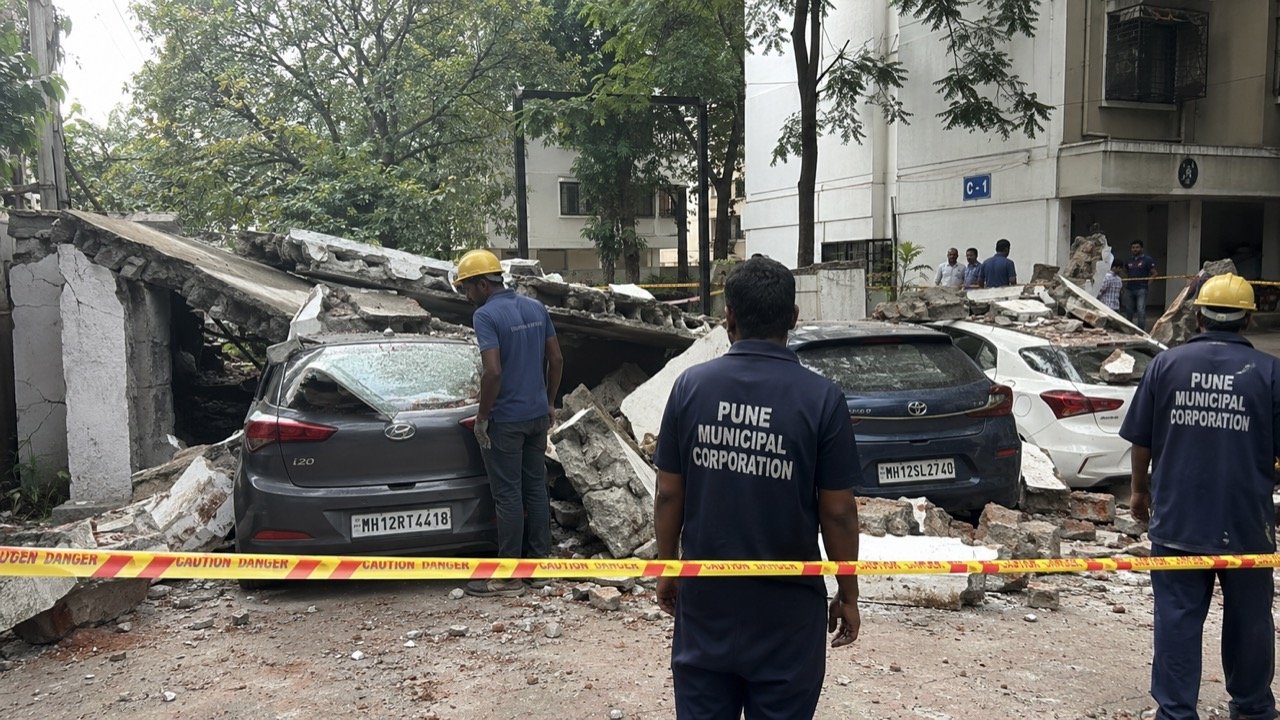
A wall collapse in Pune has damaged multiple parked vehicles, according to local reports, turning a single incident into a fresh test of the city's monsoon-season preparedness. No structure falls in isolation during the rains: saturated soil, ageing masonry and blocked drainage routinely combine to create sudden risks in residential and commercial areas. Reports carried by city desks including the Indian Express and the Times of India indicated that several vehicles parked alongside the structure were affected when it gave way. The immediate loss is property damage, but the incident has put civic safety squarely back under watch as the monsoon continues.
On the surface, this is a modest story. No injuries have been reported, and the damage described is confined to vehicles rather than people. But the mundaneness of the incident is precisely what makes it worth examining closely. Wall collapses of this kind rarely make front-page news on their own; they are absorbed into the general noise of the monsoon season, treated as an unfortunate but unremarkable side effect of heavy rain. That framing is convenient for civic authorities and property owners alike, because it locates the cause in the weather rather than in decisions, or the absence of decisions, made well before the rain began to fall.
A familiar monsoon pattern
Wall collapses are often filed away as one-off accidents. The pattern across Indian cities suggests otherwise: each monsoon brings a cluster of such failures, and it is usually only after repeated damage that a wider maintenance problem is acknowledged. Pre-monsoon structural audits, notices to building owners, drainage clearance and rapid emergency response are the standard toolkit — the question is how consistently they are applied.
The recurrence of these incidents year after year points to a structural weakness not just in the walls themselves but in the systems meant to catch problems before they become emergencies. Pre-monsoon audits are, in principle, a routine civic exercise conducted in most Indian cities, Pune included. Municipal engineers are expected to survey ageing walls, compound structures and retaining walls in vulnerable localities, flag those in poor condition, and issue notices to owners requiring repair or demolition. In practice, the consistency of this exercise varies considerably from ward to ward and year to year, and enforcement of repair notices on private owners is often weak, since municipal bodies have limited power to compel swift compliance and even less capacity to follow up once a notice has been served.
Drainage plays an equally important role in these failures. Waterlogging at the base of a wall, caused by blocked or inadequate stormwater drains, can saturate soil and foundations over days or weeks, weakening structures that might otherwise withstand the rain. This is why civic preparedness for the monsoon is not simply about de-silting drains for the sake of preventing flooding on roads; it is also, indirectly, about protecting the structural integrity of walls, compounds and retaining structures nearby. When drainage clearance is patchy, the effects are not always immediately visible until a wall gives way weeks into the season, as appears to be the case here.
Why property damage incidents still matter
It would be easy to treat this incident as low-stakes precisely because the reported damage was limited to parked vehicles rather than people. But vehicle owners facing repair bills or write-offs are not merely inconvenienced; for many middle-class households, a car or two-wheeler represents a significant asset, and unplanned repair costs following a civic infrastructure failure raise legitimate questions about liability and compensation. If a wall was known to be weak, or ought reasonably to have been identified as such during a pre-monsoon audit, the question of who bears financial responsibility for the resulting damage becomes more than academic.
There is also a broader safety dimension that outlasts this particular incident. A wall that collapses onto parked vehicles could just as easily collapse onto pedestrians, cyclists, or people sheltering from rain nearby. The fact that this occurrence caused property damage rather than injury or loss of life should be read as a warning rather than a reassurance. Any locality where one wall has failed is a locality where the underlying conditions, ageing masonry, saturated soil, inadequate drainage, are present in other structures too, some of which may be closer to areas with higher footfall.
What happens next
The responsible authorities and affected residents will now have to establish structural responsibility — whether the wall was flagged as vulnerable, who owned and maintained it, and whether drainage or recent rainfall played a decisive role. Until official findings are available, apportioning blame would be premature; what is not premature is asking whether nearby structures carry the same risk.
In cases like this, the process of establishing responsibility can be slow and, at times, indefinite. If the wall belonged to a private property owner, the municipal corporation's role may be limited to assessing whether adequate warning notices had been issued in the past, and whether the owner failed to act on them. If the wall was part of public infrastructure or a boundary maintained by a government body, the questions shift toward institutional accountability, inspection records and budget allocation for repairs. Either way, without a transparent account of what inspections were carried out and what, if anything, was flagged beforehand, residents and vehicle owners are left with little more than an assurance that the matter is being "looked into."
The wider civic accountability gap
Incidents such as this expose a recurring weakness in how Indian municipal bodies communicate risk to the public. Pre-monsoon audits, where they are conducted, are rarely published in a form that ordinary residents can consult. A resident living or parking near an old compound wall has no easy way to check whether that wall has been inspected recently, whether it has been flagged as weak, or whether a repair notice has been issued and ignored. This information asymmetry means that the public bears the risk of civic negligence without having the information needed to avoid it, for instance, by choosing not to park a vehicle against a wall known to be unstable.
Making audit lists and notice records public, even in a simple form, would shift some of that risk back where it belongs. It would also create a paper trail that makes it far harder for civic bodies to claim, after the fact, that a structure's condition was unknown or unforeseeable. Verification of drainage clearance is a related issue: municipal bodies often declare that de-silting and clearance work has been completed, but such declarations are not always independently verified. A more rigorous, checkable process, rather than a self-reported one, would close some of the gap between stated policy and what is actually done on the ground.
The NE Times View
Pune got off relatively lightly this time — crushed vehicles rather than lost lives — but that is luck, not policy. Indian cities treat monsoon structural failures as weather stories when they are really maintenance stories, written months earlier in skipped inspections and ignored notices. The fix is unglamorous: publish pre-monsoon audit lists, enforce repair notices on private owners, and make drainage clearance verifiable rather than declared. Until civic bodies are held to that standard, every heavy shower will keep converting neglect into rubble.
What separates a well-prepared city from a poorly prepared one is not the absence of old walls or heavy rain, both are unavoidable facts of urban India during the monsoon, but the presence of systems that catch weakness before it becomes collapse. That means audits that are actually completed and acted upon, not merely scheduled; notices that carry consequences for non-compliance, not just paperwork; and drainage work that can be verified by someone other than the body that claims to have done it. None of this requires new technology or extraordinary expenditure. It requires consistency, transparency and the political will to treat monsoon preparedness as a year-round administrative responsibility rather than a seasonal press release.
Key takeaways
- A wall collapse in Pune damaged several parked vehicles, with no injuries reported, but it highlights recurring monsoon-season structural risks in Indian cities.
- Such failures typically result from a combination of saturated soil, ageing masonry and inadequate drainage rather than the rain alone.
- Establishing responsibility will depend on whether the wall was previously flagged, who owned and maintained it, and whether drainage conditions contributed to the failure.
- Weak enforcement of pre-monsoon audits and repair notices, and a lack of public transparency around inspection records, leave residents unable to gauge risk themselves.
- Verifiable drainage clearance and published audit lists, rather than self-reported compliance, are needed to convert monsoon preparedness from a seasonal claim into an accountable practice.
You may also like to read
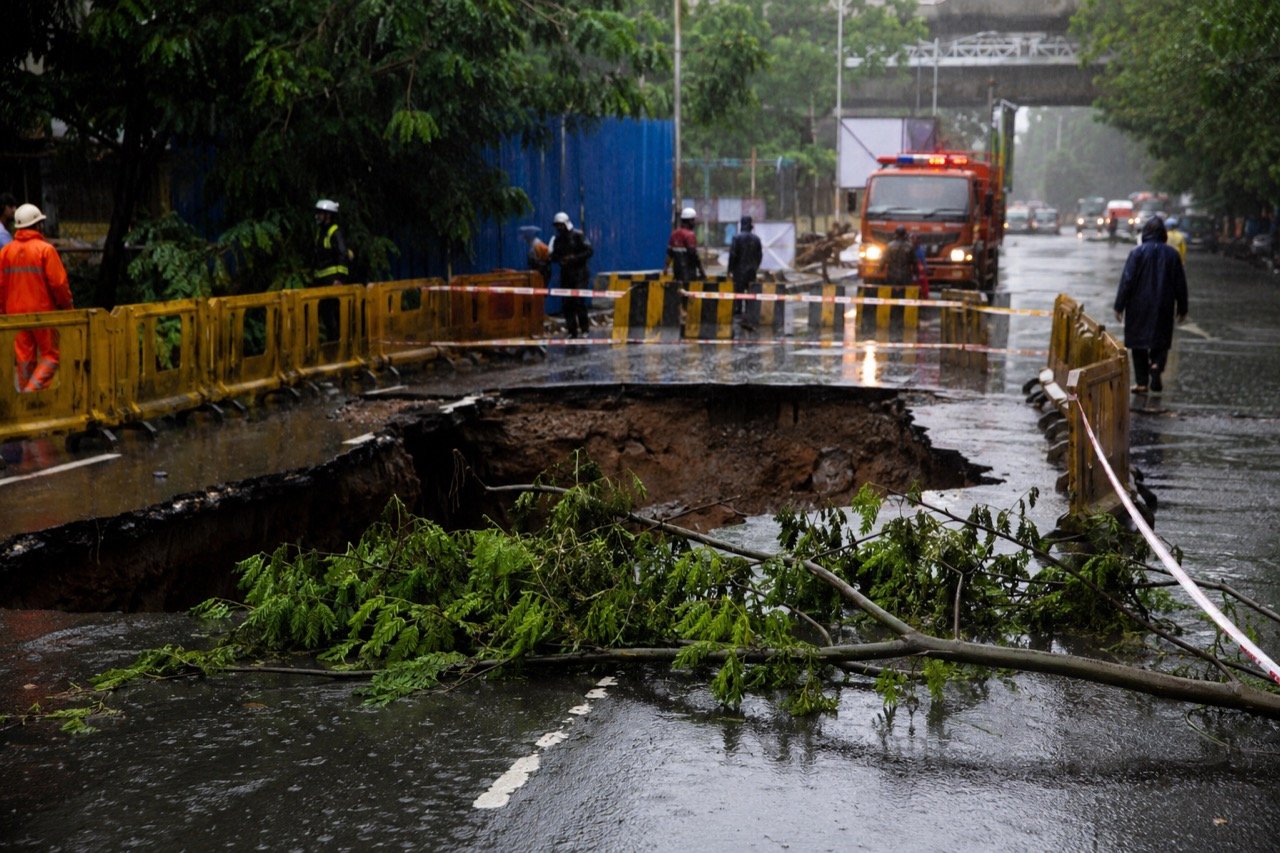
Mumbai Rains: Bhandup Road Cave-In Renews Monsoon Safety Fears
A stretch of LBS Marg in Bhandup West collapsed during intense monsoon rain, sending a vehicle into an excavation pit and reviving hard questions about Mumbai's construction safety and drainage readiness.
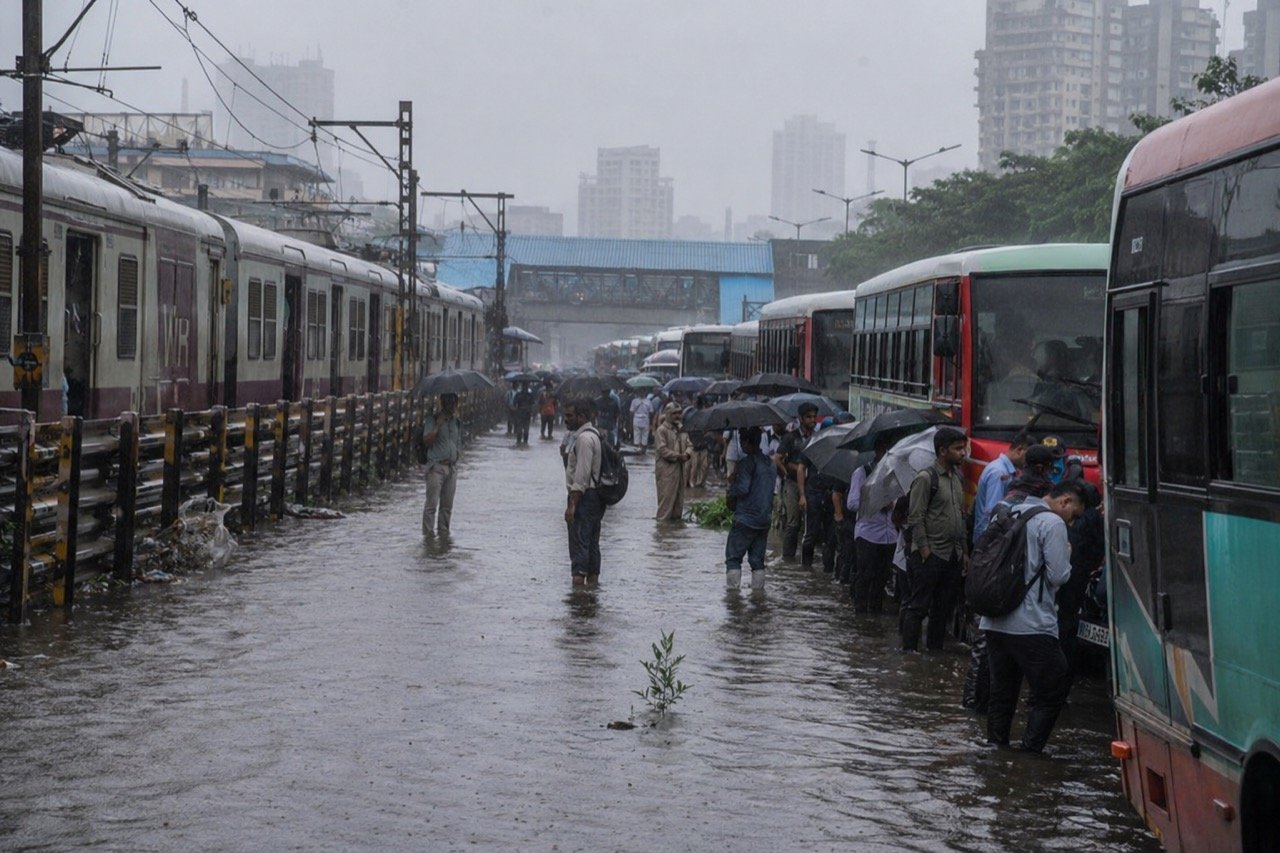
Mumbai Floods: Red Alert Rain Disrupts Roads, Trains and Metro
Heavy rain of over 200 mm in about 10 hours triggered a red alert in Mumbai, flooding roads and disrupting local trains and Metro services in a fresh test of the city's monsoon preparedness.
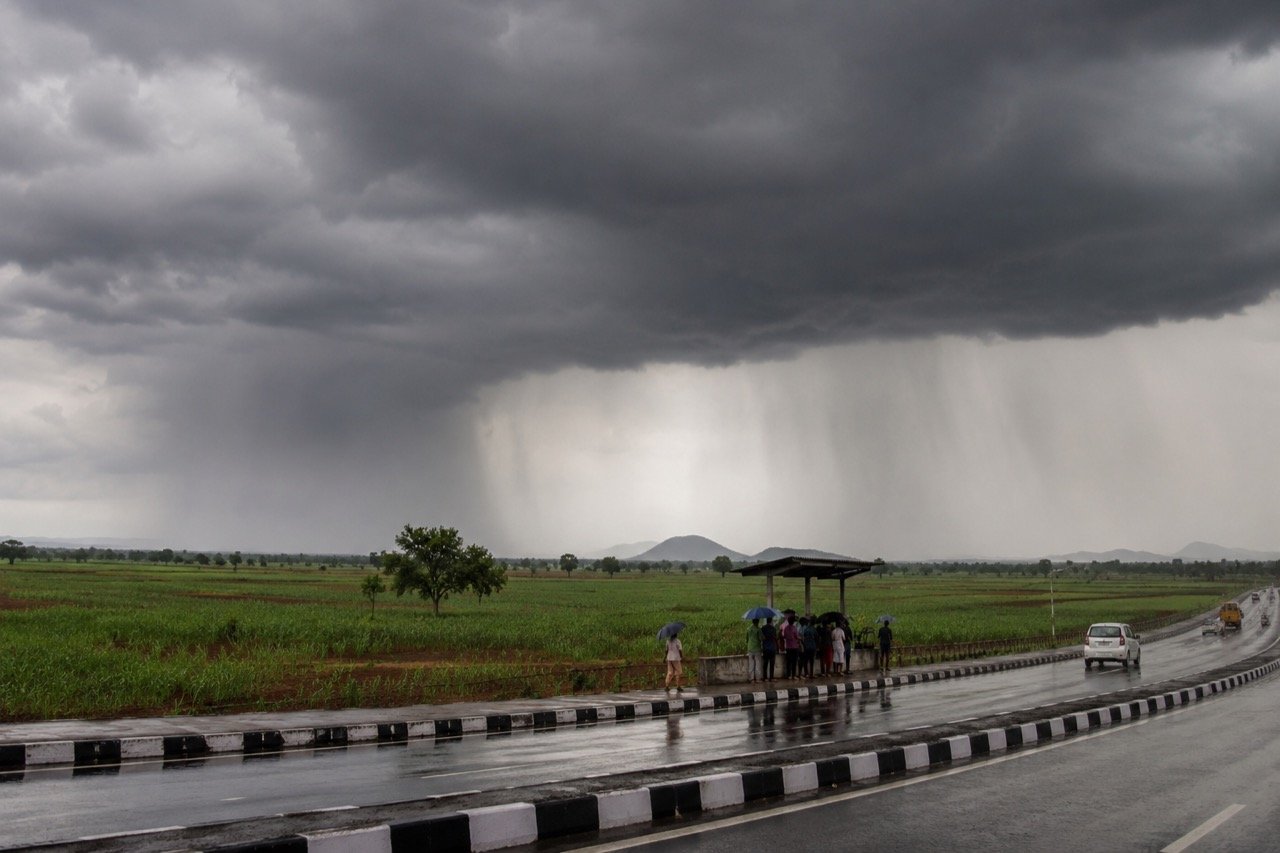
IMD Forecast: Active Monsoon Over Central India Narrows Rain Deficit
The IMD expects the southwest monsoon to stay active over central India for four to five days, driven by a Bay of Bengal low-pressure system that has sharply narrowed the season's rainfall deficit.
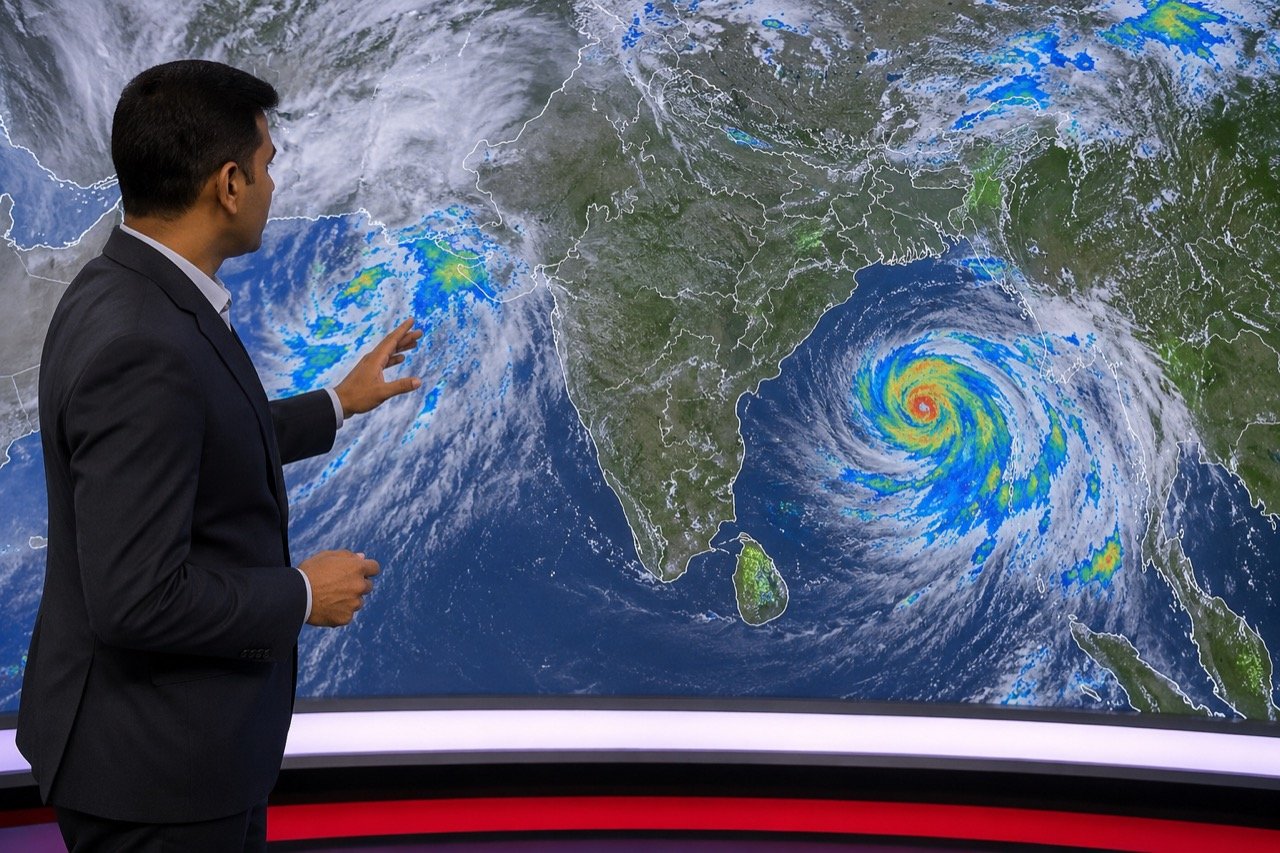
Bay of Bengal Low Pressure System Revives Monsoon Over Western India
A low-pressure system over the Bay of Bengal has pushed the monsoon back into an active phase, bringing steady heavy rain to Kerala, coastal Karnataka and Maharashtra, and putting Mumbai and Pune on preparedness watch.
More from this section
More
AICTE Industry Fellowship 2026: Rs 1.5 Lakh Scheme Closes July 5
The AICTE Industry Fellowship Programme 2026, which places technical-education faculty inside leading companies on a Rs 1.5 lakh monthly stipend, reached its application deadline on July 5.
Bay of Bengal Low Pressure System Revives Monsoon Over Western India
A low-pressure system over the Bay of Bengal has pushed the monsoon back into an active phase, bringing steady heavy rain to Kerala, coastal Karnataka and Maharashtra, and putting Mumbai and Pune on preparedness watch.
Bishnoi Gang Suspects Injured in Haryana Encounter as Police Tighten Net
A joint Haryana-Delhi Police operation in Bahadurgarh left two suspected Lawrence Bishnoi gang members injured, spotlighting the multi-state coordination now central to India's fight against organised crime networks.