IMD Forecast: Active Monsoon Over Central India Narrows Rain Deficit
The IMD expects the southwest monsoon to stay active over central India for four to five days, driven by a Bay of Bengal low-pressure system that has sharply narrowed the season's rainfall deficit.
Commentary & Analysis ·
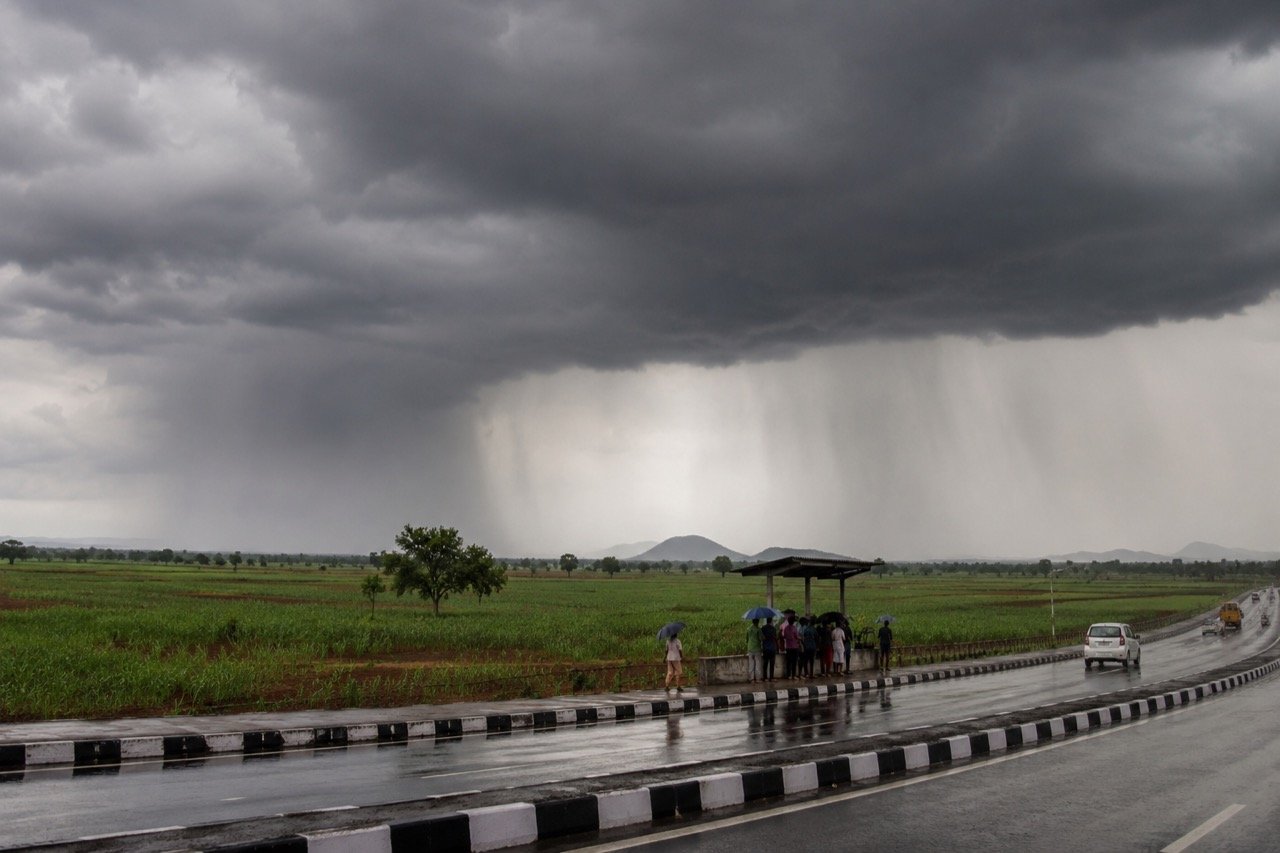
The southwest monsoon is set to remain in an active phase over central India for the next four to five days, according to a forecast from the India Meteorological Department. The trigger is a well-marked low-pressure area over the northwest Bay of Bengal, which is driving a stronger spell of rainfall across the region. The practical effect of this system has already shown up in the national data: the cumulative all-India rainfall deficit has narrowed sharply in recent days as the spell has taken hold.
Relief after a weak start
For a monsoon season that began on a weaker footing, this recovery is significant. India's agricultural calendar is built around the timely and adequate arrival of rain in the core central belt, and a narrowing deficit at this stage improves sowing confidence for kharif crops at precisely the point in the season when farmers are making decisions about what to plant and how much to invest in inputs. Soil moisture built up during an active spell reduces the need for supplementary irrigation, which in turn eases pressure on groundwater and on reservoir management further downstream.
July occupies an outsized place in the monsoon calendar. It is the month in which the bulk of the season's rainfall is typically recorded, and it is also the month in which planting decisions for the main kharif crops are effectively locked in. A strong central-India phase arriving now, rather than later in the season, therefore carries more weight than the same volume of rain would if it arrived in August or September. Reservoir operators, too, watch July closely, since inflows recorded this month often determine how comfortably irrigation and drinking-water supplies can be managed through the drier months that follow. In that sense, the timing of this active phase is as important as its intensity.
There is also a broader economic dimension. Rural demand, which underpins a meaningful share of consumption in the Indian economy, tends to track the health of the monsoon closely. A recovering rainfall deficit, arriving during the critical sowing window, feeds through into expectations for farm incomes later in the year, and by extension into sentiment around rural spending. None of this is guaranteed by a single active phase, but the psychological and planning value of a narrowing deficit at this stage of the season should not be understated.
The other side of an active phase
Active monsoon systems, however, are rarely gentle, and the same weather pattern that is being welcomed for refilling reservoirs and improving sowing conditions is capable of producing intense local downpours, urban flooding, traffic disruption and landslide risk in hilly and otherwise vulnerable areas. This is the paradox of an active spell: the aggregate national number improves precisely because rainfall is heavier and more concentrated, and concentrated rainfall is what overwhelms drains, saturates slopes and swells rivers.
Timing and geography matter as much as the totals themselves. Rain that is unambiguously beneficial for farmland in Madhya Pradesh or Vidarbha can, on the same weather track, simultaneously strain drainage systems in cities that lie along that same corridor. A single meteorological system, in other words, can be producing a agricultural good news story and an urban infrastructure stress story at the same time, in the same window of days. This is why treating the monsoon as one undifferentiated event, rather than as a set of overlapping and sometimes contradictory local impacts, tends to obscure more than it reveals.
For state and local administrations, the immediate task is one of coordination: aligning weather advisories, drainage readiness and reservoir release operations with the updated forecast, rather than treating each as a separate function operating on its own timetable. Reservoir managers deciding how much water to release, urban civic bodies responsible for clearing storm drains, and district disaster-management authorities issuing alerts all need to be working from the same forecast picture and adjusting on a similar timeline if the benefits of the active phase are to be captured without a corresponding spike in avoidable damage.
What this means for households and travellers
For ordinary households and travellers, the practical guidance that follows from this pattern is to rely on district-level alerts rather than national summaries. A national bulletin describing a narrowing all-India deficit says very little about whether a particular neighbourhood, highway stretch or hill town is about to experience disruptive flooding or landslide risk over the coming days. Because impacts during an active phase are intensely local, the appropriate response is also local: checking district-level advisories, being cautious about travel through low-lying or hilly stretches during the forecast window, and treating the encouraging national headline as background context rather than as a substitute for local information.
This distinction also matters for how the public interprets news coverage of the monsoon more broadly. Headlines about a narrowing deficit are, on their own terms, accurate and welcome. But they can create a false sense that the risk picture has uniformly improved, when in fact an active phase often means the risk has simply changed in character, shifting from a deficit-driven concern about drought and delayed sowing to a surplus-driven concern about flooding and drainage failure in specific pockets.
The NE Times View
India still reads the monsoon as a single national number, and this week shows why that habit misleads. A recovering deficit is genuinely good news for farmers and for the wider economy, but averages conceal the districts that will now face too much rain too quickly. In our view, the monsoon story readers should track is preparedness: whether cities clear their drains before the spell peaks, and whether warning systems reach the hill and river communities most exposed to landslide and flash-flood risk. These are not abstract concerns; they are the concrete, testable measures of whether administrations have used the lead time provided by an accurate forecast.
Celebrating rainfall recovery and demanding flood readiness are not contradictory positions — they are the same position, held responsibly. A news culture that only tracks the aggregate deficit number risks cheering the average while missing the extremes that average is built from. The more useful frame, and the one this newspaper intends to keep applying to monsoon coverage through the rest of the season, is to ask not simply whether it rained enough nationally, but whether the right places got the rain they needed without the wrong places paying an unmanageable price for it.
Key takeaways
- The IMD has forecast an active monsoon phase over central India for four to five days, driven by a well-marked low-pressure area over the northwest Bay of Bengal, and the all-India rainfall deficit has narrowed sharply as a result.
- The recovery is well timed for kharif sowing decisions and reservoir planning, since July is the most consequential month in the monsoon calendar for both agriculture and water management.
- The same active spell raises the risk of intense local downpours, urban flooding, traffic disruption and landslides, particularly in hilly and low-lying areas along the same weather track that benefits farmland.
- Administrations need to align advisories, drainage readiness and reservoir operations with the forecast, while households and travellers should prioritise district-level alerts over national summaries.
- The NE Times View holds that welcoming the rainfall recovery and demanding flood preparedness are complementary, not contradictory, positions.
You may also like to read
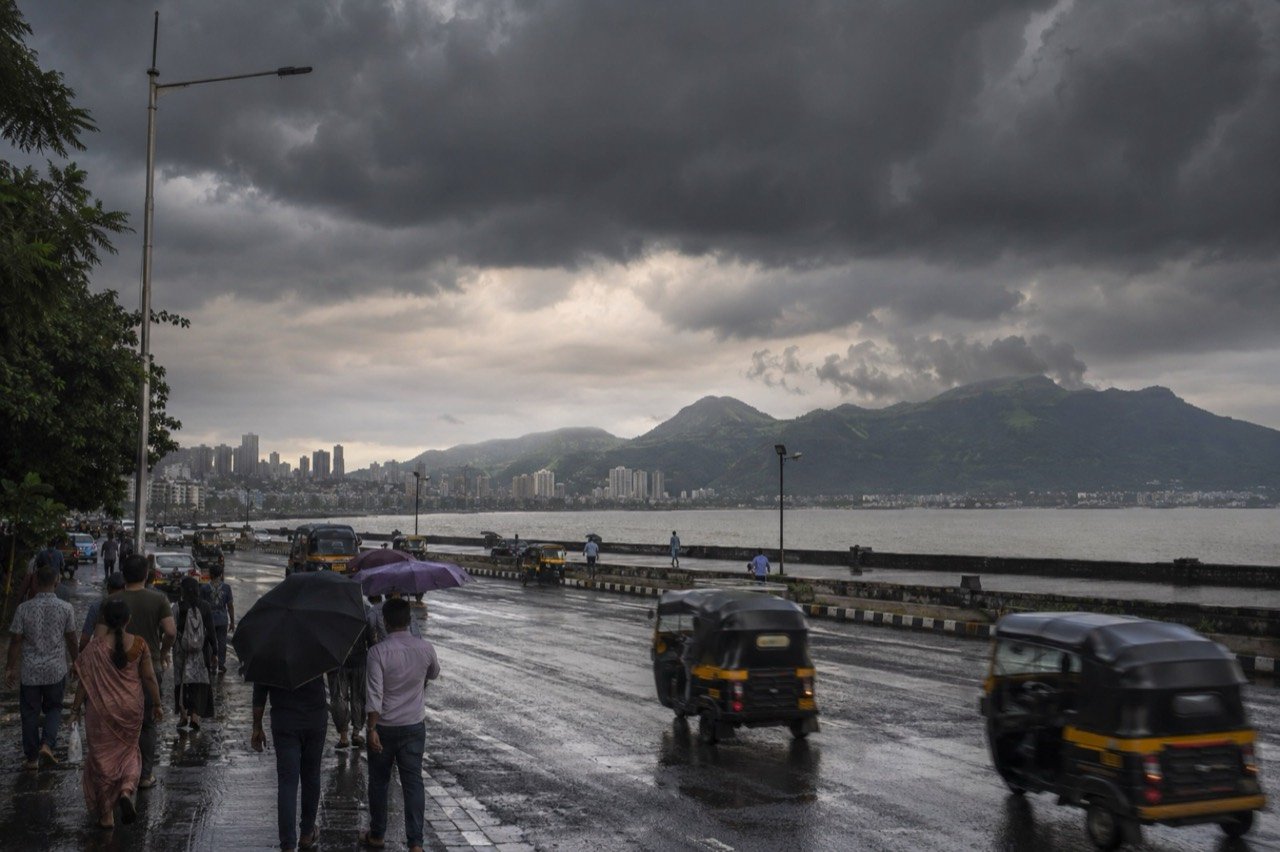
Monsoon Revival Forecast Triggers Rain Alerts Across India as Heat Lingers
India's southwest monsoon is set to regain strength this week, bringing very heavy rain to the Northeast and Maharashtra even as central districts stay under heatwave warnings.
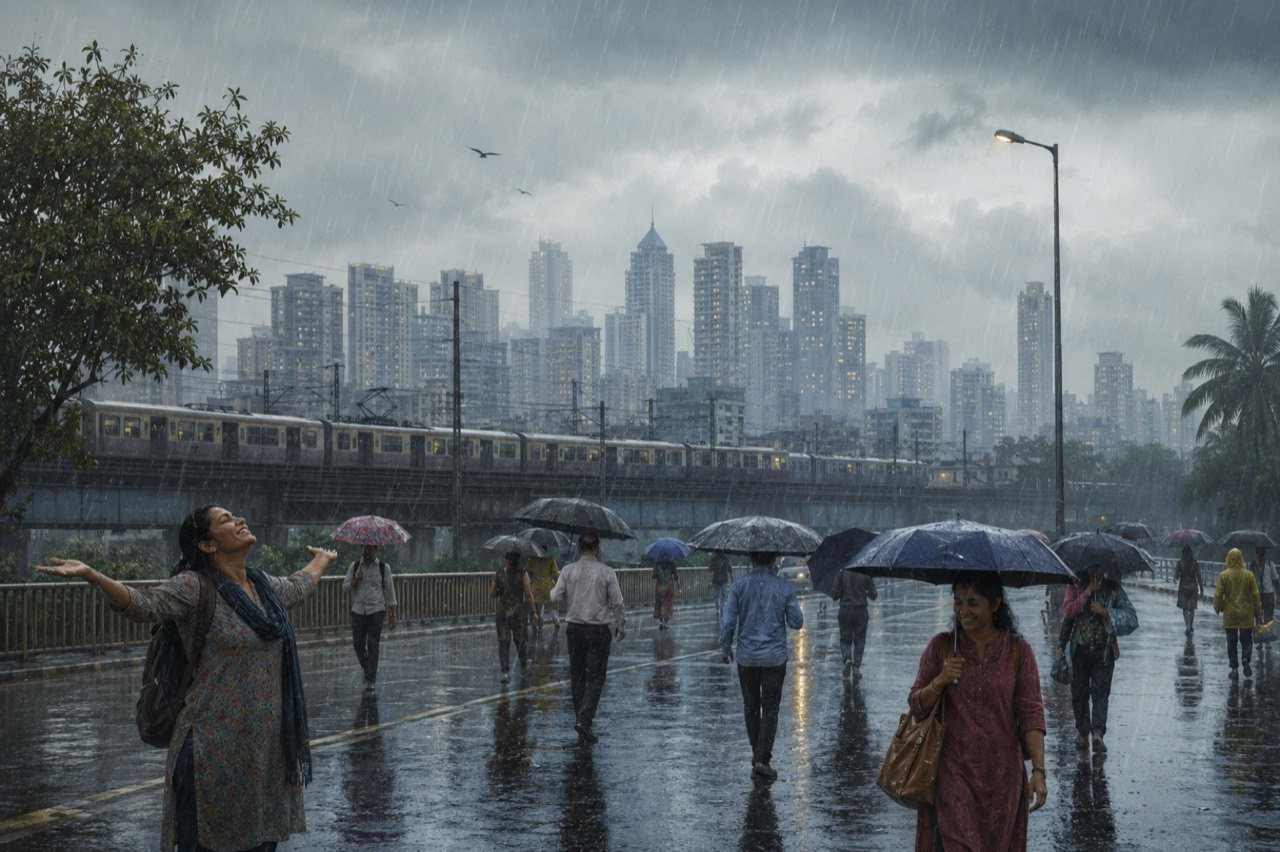
Mumbai Rain Brings Relief as Official Monsoon Onset Is Still Awaited
Heavy showers swept Mumbai on 22 June 2026, easing weeks of humid heat and lifting hopes of monsoon advance, even as forecasters held off on a formal onset declaration.
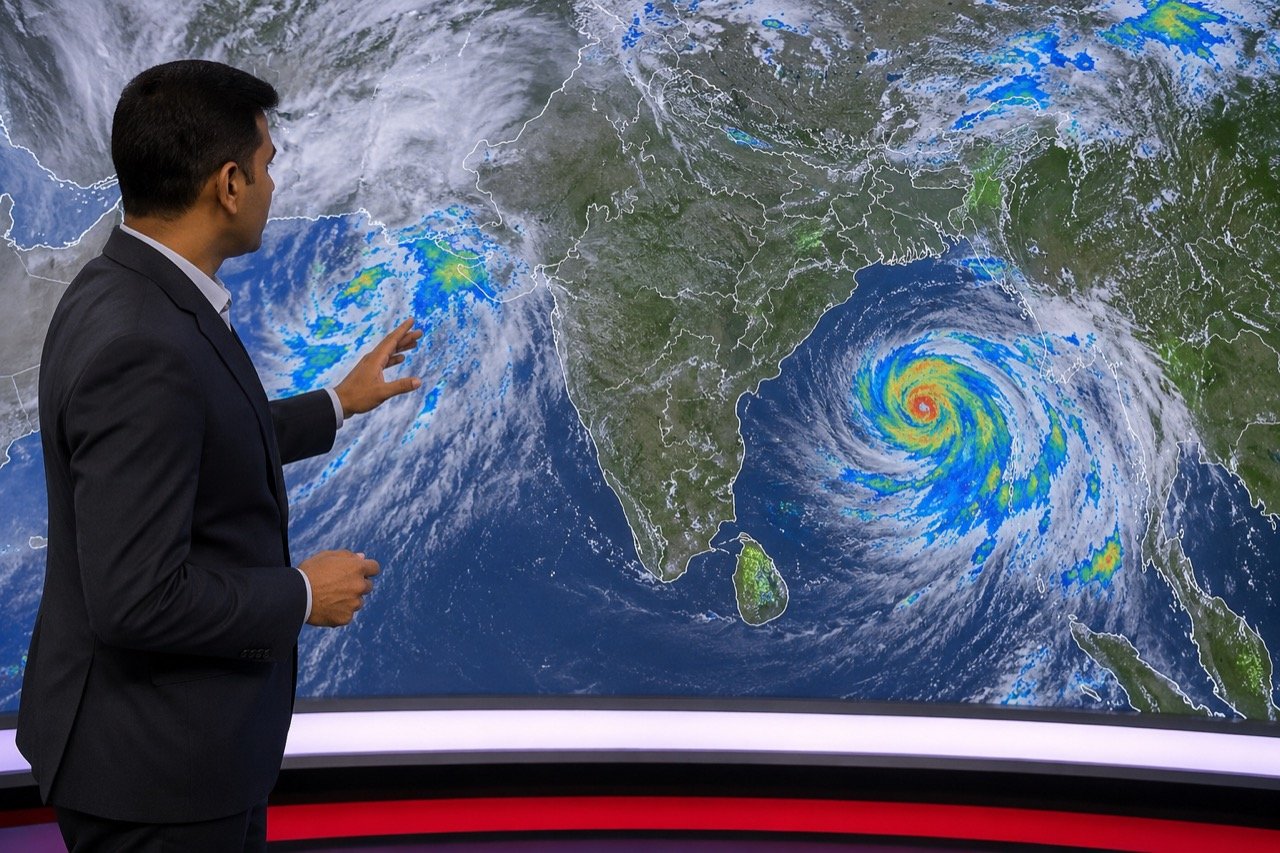
Bay of Bengal Low Pressure System Revives Monsoon Over Western India
A low-pressure system over the Bay of Bengal has pushed the monsoon back into an active phase, bringing steady heavy rain to Kerala, coastal Karnataka and Maharashtra, and putting Mumbai and Pune on preparedness watch.
Monsoon advances across the country in June, but IMD warns of a below-normal season
After reaching Kerala on 4 June, the southwest monsoon has spread into eastern and central India, even as the weather office trims its seasonal rainfall forecast to 90% of the long-period average.
More from this section
More
AICTE Industry Fellowship 2026: Rs 1.5 Lakh Scheme Closes July 5
The AICTE Industry Fellowship Programme 2026, which places technical-education faculty inside leading companies on a Rs 1.5 lakh monthly stipend, reached its application deadline on July 5.
Bay of Bengal Low Pressure System Revives Monsoon Over Western India
A low-pressure system over the Bay of Bengal has pushed the monsoon back into an active phase, bringing steady heavy rain to Kerala, coastal Karnataka and Maharashtra, and putting Mumbai and Pune on preparedness watch.
Bishnoi Gang Suspects Injured in Haryana Encounter as Police Tighten Net
A joint Haryana-Delhi Police operation in Bahadurgarh left two suspected Lawrence Bishnoi gang members injured, spotlighting the multi-state coordination now central to India's fight against organised crime networks.