Mumbai Rain Brings Relief as Official Monsoon Onset Is Still Awaited
Heavy showers swept Mumbai on 22 June 2026, easing weeks of humid heat and lifting hopes of monsoon advance, even as forecasters held off on a formal onset declaration.
Commentary & Analysis ·
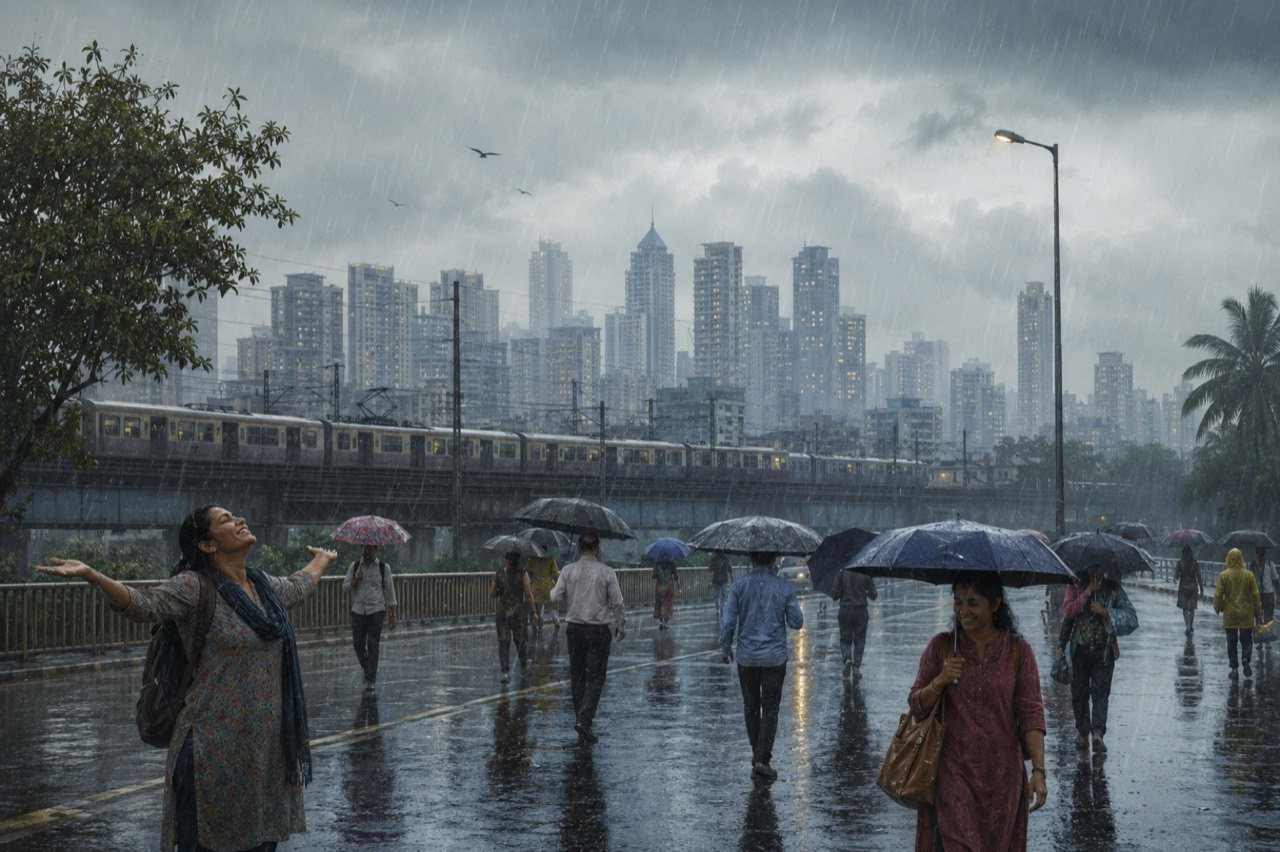
Mumbai woke to heavy showers across several neighbourhoods on 22 June 2026, a welcome turn after an unusually weak and sticky start to the month. The rain cooled the city, cut through the oppressive humidity and revived hopes that the southwest monsoon was at last advancing over the metropolis and its suburbs. For a metropolis of more than twelve million people whose daily life, transport and civic planning are all calibrated to the rhythm of the monsoon, even a single day of heavy rain carries outsized significance, both as a psychological release and as a marker that the season may finally be turning a corner.
Relief after a dry, humid spell
Residents had endured weeks of warm, muggy conditions with little rain, making the downpour a genuine reprieve. The build-up to a delayed monsoon is often more uncomfortable than the rain itself: humidity climbs, air quality stagnates and the anticipation of relief becomes its own form of civic stress. Weather updates flagged alerts for Mumbai, Thane, Palghar and adjoining suburbs as the system strengthened over the Konkan belt, suggesting that the moisture-laden air mass driving the downpour was not a localised, one-off cloudburst but part of a broader weather system moving up the west coast. That distinction matters, because isolated pre-monsoon showers tend to be patchy and short-lived, whereas a system spanning multiple districts along the Konkan coast points to a more organised weather pattern with greater potential to sustain itself. For a city whose rhythm is shaped by the monsoon, the showers were a reminder that the season's arrival is as much about relief as it is about disruption, and that the two are rarely separable in the Mumbai experience of the rains.
Rain is not the same as onset
The crucial distinction, often blurred in everyday conversation, is that widespread rain does not automatically signal an official monsoon onset. Meteorological agencies declare onset only when a prescribed combination of wind patterns, sustained rainfall and atmospheric conditions is satisfied across designated stations. This is a technical and procedural threshold, not a subjective judgement based on how wet a city feels on a given morning. Until those thresholds are met, even a soaking day remains a pre-monsoon or transitional event rather than a confirmed start to the season, which is why forecasters held back from a formal call despite the orange-alert conditions. This caution is not bureaucratic pedantry. Declaring an onset prematurely, only for the rains to falter afterwards, would carry consequences well beyond semantics: it would shape decisions on sowing schedules for farmers, reservoir management for utilities, and public messaging for disaster preparedness agencies. The gap between what a city experiences as rain and what an agency is willing to certify as onset is, in effect, a buffer against overconfidence in a system that remains inherently variable from year to year.
What it means on the ground
For commuters, the immediate worry is slippery roads, suburban train delays and pockets of waterlogging that can snarl the morning rush. Mumbai's suburban rail network, the backbone of the city's daily commute, is notoriously sensitive to heavy rainfall, and even moderate downpours can cascade into delays that ripple across the working day for millions of passengers. Waterlogging at low-lying junctions, a perennial feature of the city's monsoon season, tends to reappear with the first heavy spells before drainage systems and civic clean-up crews have been fully tested for the year. For the authorities managing the city's water supply, however, the calculus is entirely different. A single wet day matters far less than sustained rainfall over the catchment areas that feed Mumbai's reservoirs. Those reservoirs, which supply drinking water to the city through the dry months that follow, depend not on dramatic one-day totals but on weeks of consistent rain replenishing the lakes upstream. This divergence between the commuter's experience of the rain and the water manager's assessment of it captures a recurring tension in how the monsoon is reported and understood: what disrupts a morning commute is not necessarily what secures a city's water security for the year ahead.
Balancing celebration with caution
Mumbai's long wait for the monsoon may be close to ending, with the broader system edging towards the conditions that would justify a formal declaration. But officials have stressed that preparedness remains essential, urging residents to plan for disruption even as they celebrate the rain that finally broke the dry spell. This dual messaging, welcoming the relief while cautioning against complacency, reflects a pattern familiar to anyone who has lived through a Mumbai monsoon: the same system that eases the heat and refills the reservoirs is also the one that floods streets, delays trains and tests the resilience of civic infrastructure built up over decades. The period between the first heavy showers and a confirmed onset is therefore not merely a technical waiting game for meteorologists. It is a window in which civic bodies, transport operators and residents alike must recalibrate for a season that could intensify at short notice, even as the formal declaration is still pending.
The NE Times View
Mumbai's relief is real, but the gap between showers and an official onset declaration is the story worth watching, because it shapes farm, water and power planning nationwide. A city's monsoon is never only a local story; the same broad weather system moving up the Konkan coast is being tracked by agricultural planners in the hinterland, power utilities anticipating hydropower generation, and water boards calculating reservoir levels for the months ahead. The recurring civic question is whether the same rain that delights residents one week will flood low-lying wards the next, a tension that has defined Mumbai's relationship with its monsoon for generations. Drainage readiness, not rainfall, is the metric by which the city should be judged this season. A heavy shower is, in the end, only as disruptive as the drains and pumping stations are prepared to handle it, and that preparedness is squarely within civic control in a way that the timing and intensity of the rains themselves are not.
Key takeaways
- Heavy rain fell across several Mumbai areas on 22 June 2026, with alerts issued for Mumbai, Thane, Palghar and nearby suburbs as the system strengthened over the Konkan belt.
- Widespread rain does not equal an official monsoon onset, which requires a specific combination of wind, rainfall and atmospheric thresholds to be met at designated stations.
- Commuters face near-term risks of slippery roads, suburban train delays and localised waterlogging, even as the rain brings welcome relief from weeks of dry, humid conditions.
- Water managers care less about a single wet day in the city and more about sustained rainfall over the catchment areas that feed Mumbai's reservoirs.
- The real test for the city this season is drainage readiness rather than rainfall totals alone, since preparedness, not the rains themselves, is what civic authorities can control.
You may also like to read
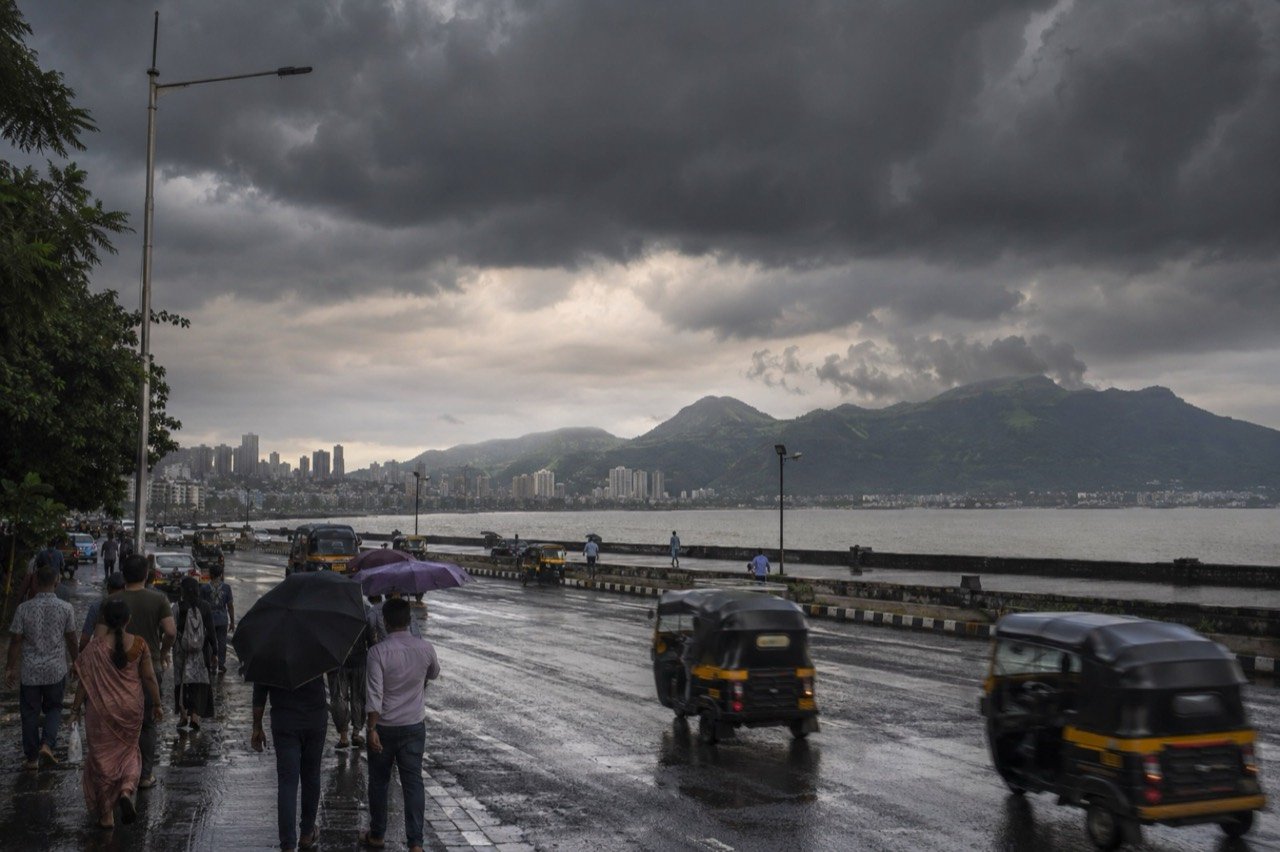
Monsoon Revival Forecast Triggers Rain Alerts Across India as Heat Lingers
India's southwest monsoon is set to regain strength this week, bringing very heavy rain to the Northeast and Maharashtra even as central districts stay under heatwave warnings.
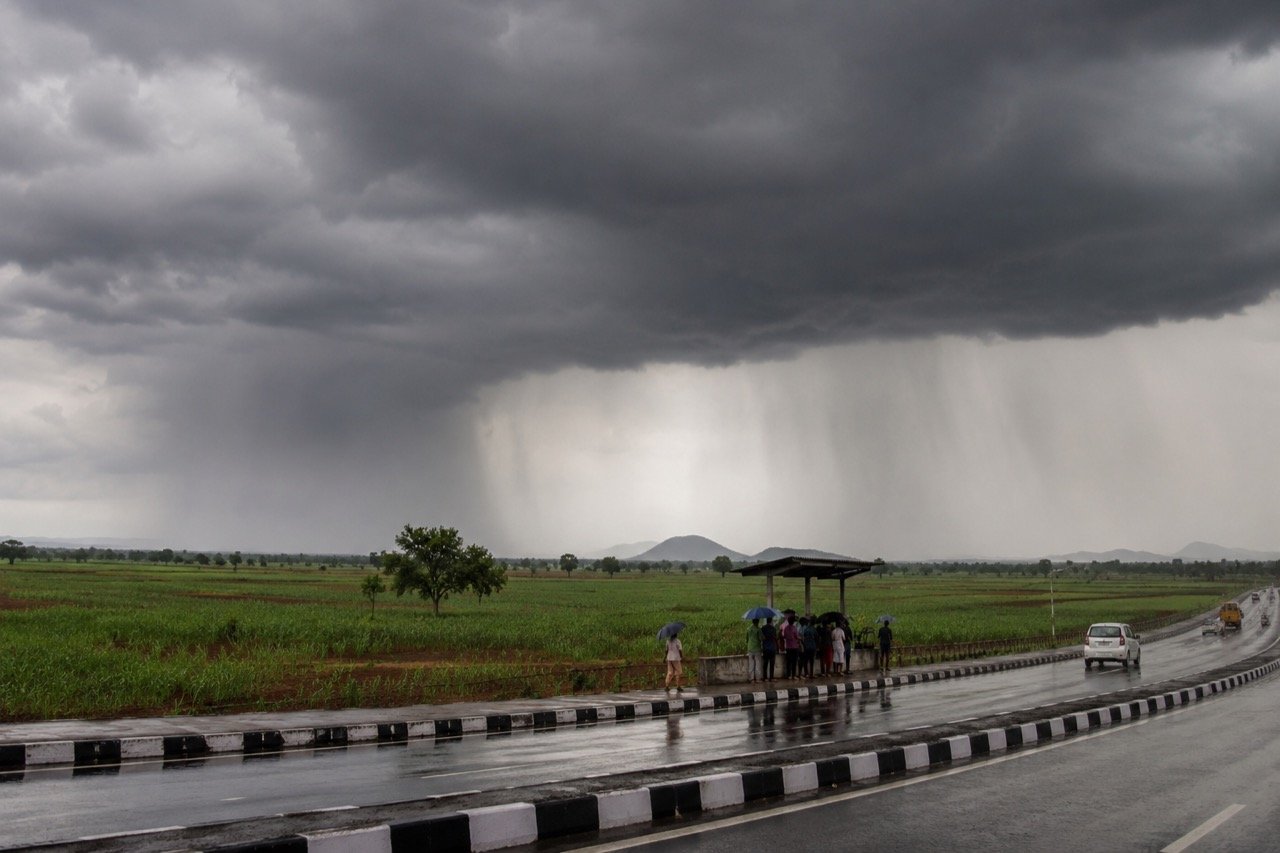
IMD Forecast: Active Monsoon Over Central India Narrows Rain Deficit
The IMD expects the southwest monsoon to stay active over central India for four to five days, driven by a Bay of Bengal low-pressure system that has sharply narrowed the season's rainfall deficit.
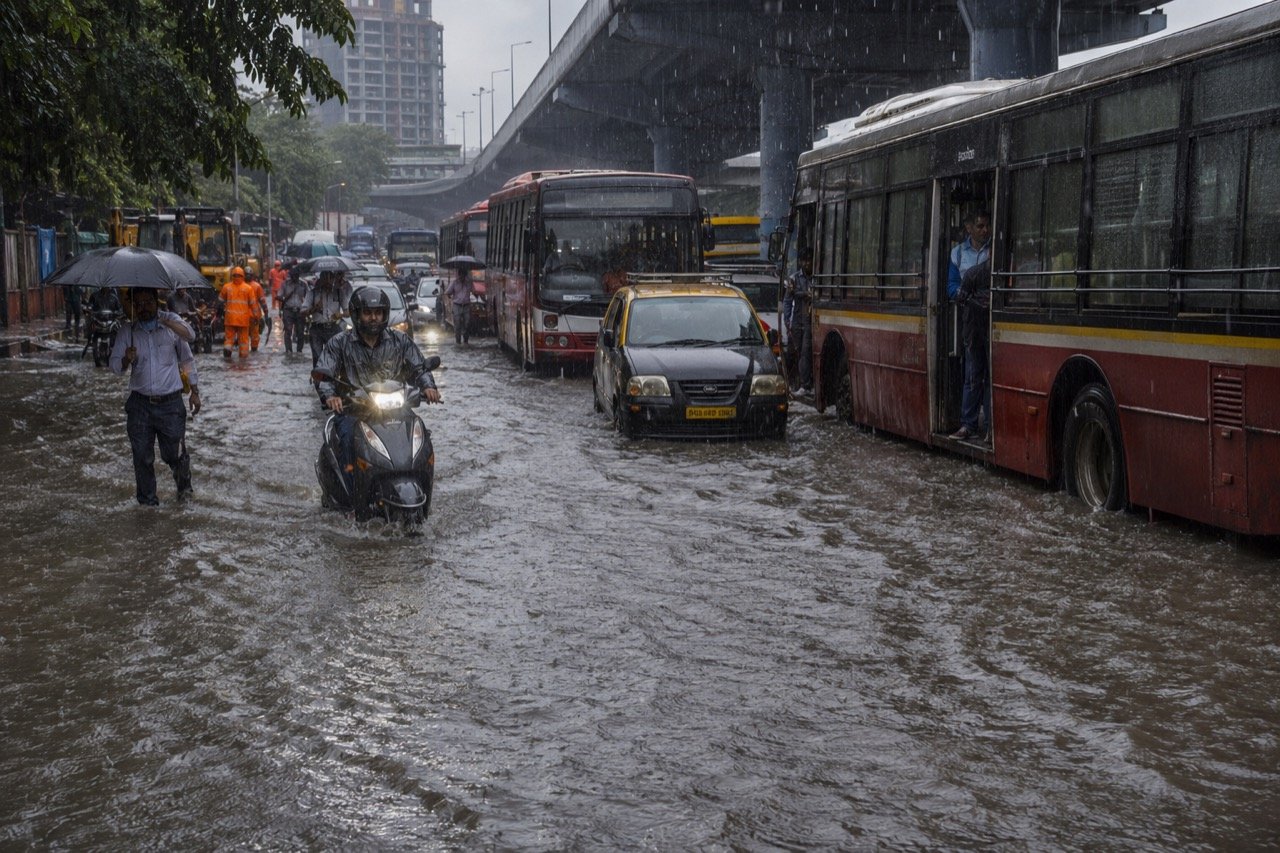
Mumbai Suburbs Drenched: 100 mm Overnight Rain Snarls Commute
Heavy overnight monsoon showers dumped more than 100 mm of rain on several Mumbai suburbs in a short window, triggering waterlogging and traffic disruption and renewing scrutiny of the city's monsoon preparedness.
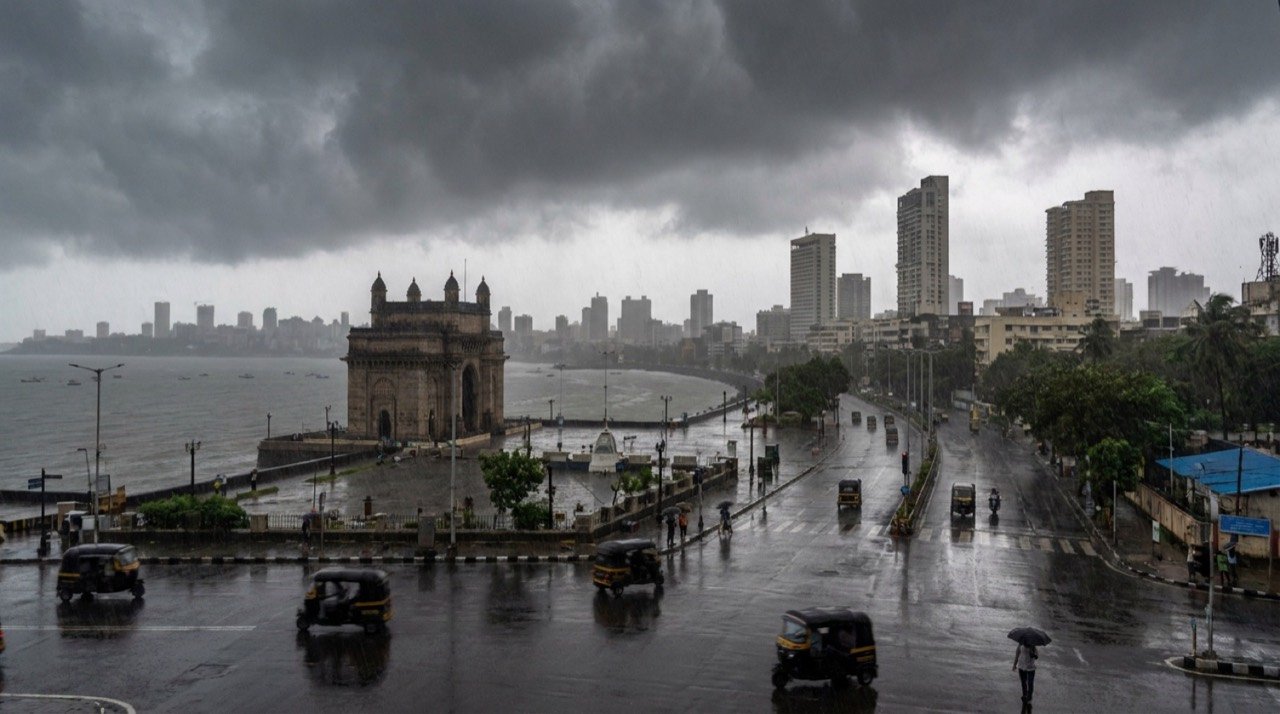
IMD Confirms Southwest Monsoon Onset Over Mumbai After Delayed Spell
The India Meteorological Department has confirmed the Southwest Monsoon's arrival over Mumbai on June 23, bringing relief after a dry, unusually warm early June and pushing the city into full monsoon readiness.
More from this section
More
AICTE Industry Fellowship 2026: Rs 1.5 Lakh Scheme Closes July 5
The AICTE Industry Fellowship Programme 2026, which places technical-education faculty inside leading companies on a Rs 1.5 lakh monthly stipend, reached its application deadline on July 5.
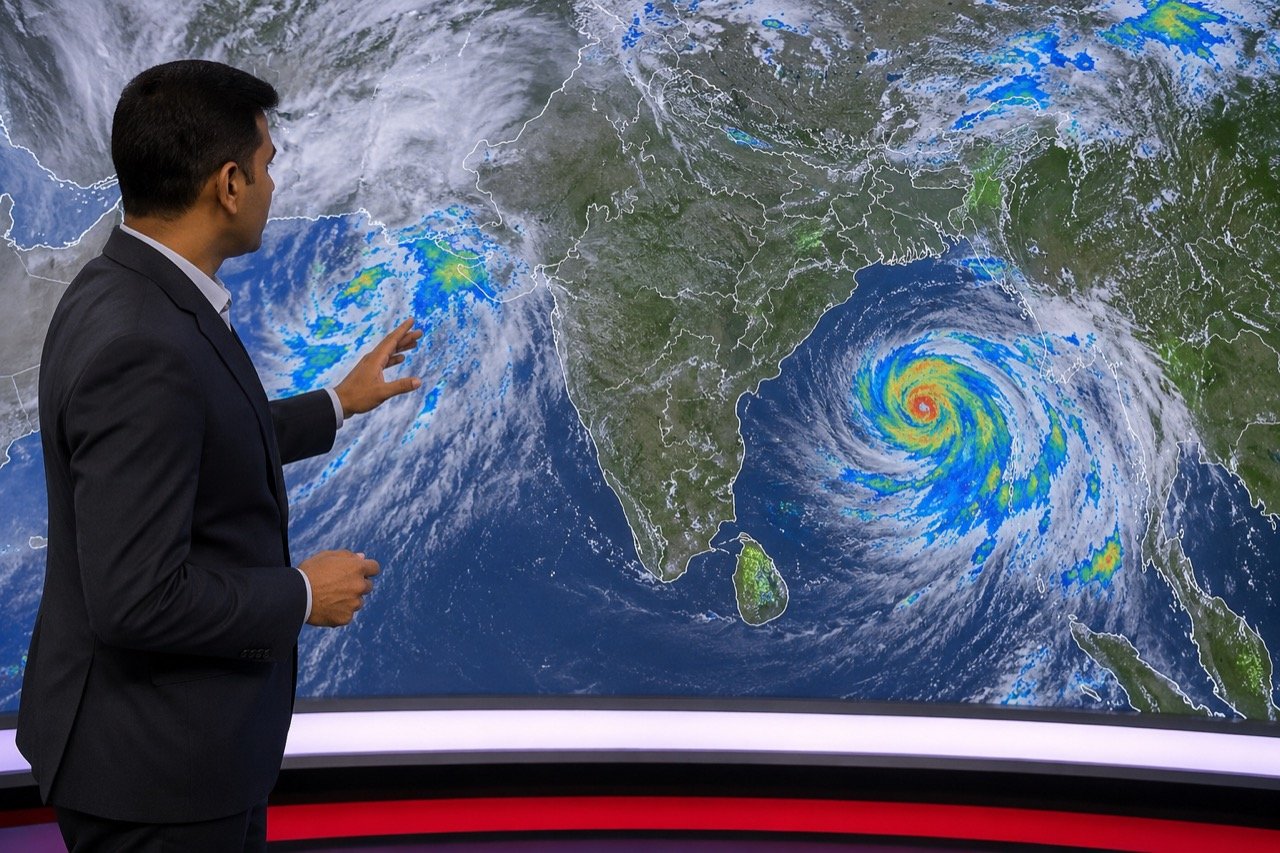
Bay of Bengal Low Pressure System Revives Monsoon Over Western India
A low-pressure system over the Bay of Bengal has pushed the monsoon back into an active phase, bringing steady heavy rain to Kerala, coastal Karnataka and Maharashtra, and putting Mumbai and Pune on preparedness watch.
Bishnoi Gang Suspects Injured in Haryana Encounter as Police Tighten Net
A joint Haryana-Delhi Police operation in Bahadurgarh left two suspected Lawrence Bishnoi gang members injured, spotlighting the multi-state coordination now central to India's fight against organised crime networks.