Rushikonda Complex PPP Plan Revives Andhra Coastal Asset Debate
Andhra Pradesh has invited private operators to run the nearly Rs 450 crore Rushikonda Building Complex in Visakhapatnam, reopening questions about tourism potential, transparency and the future of a politically contested coastal asset.
Commentary & Analysis ·
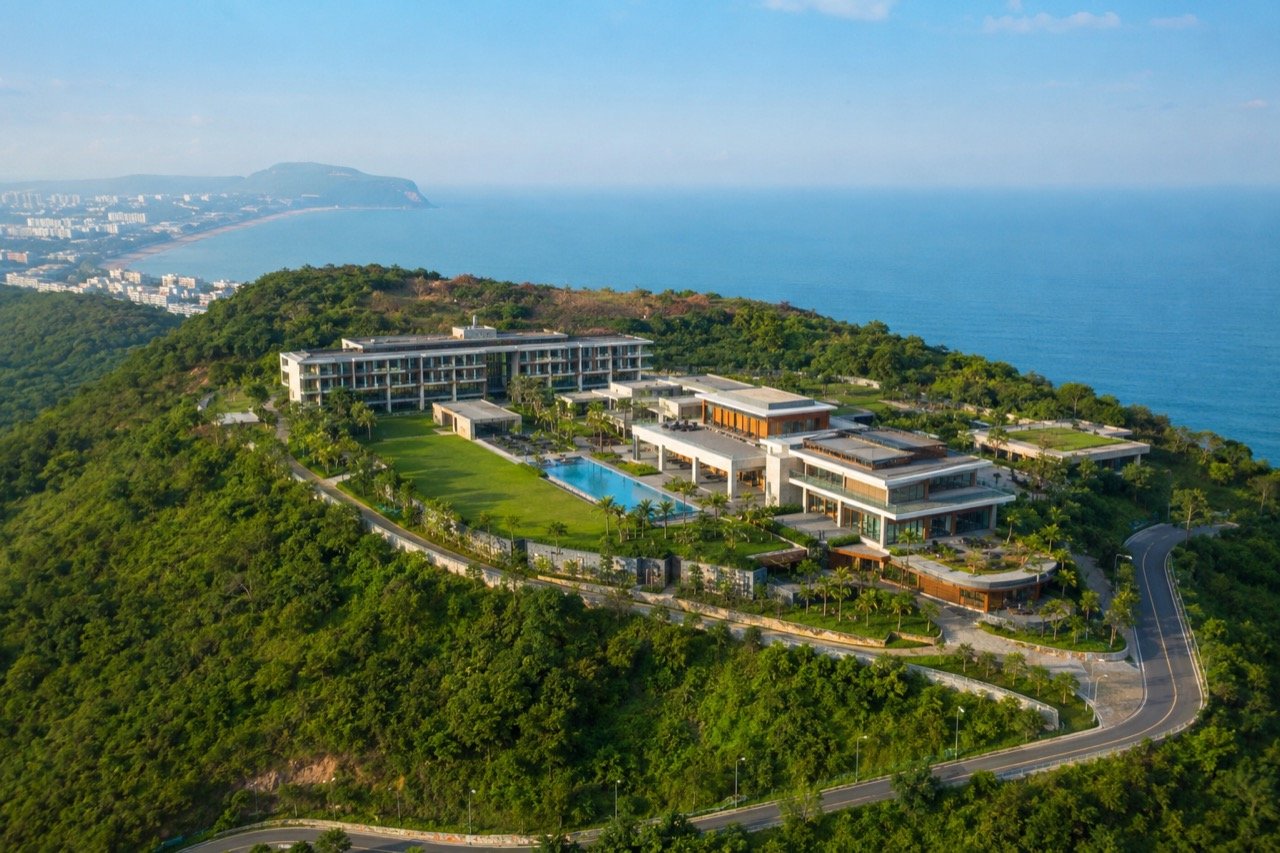
Andhra Pradesh's plan to bring in private operators for the Rushikonda complex has returned one of Visakhapatnam's most debated coastal assets to the centre of the state's tourism and governance conversation. The Andhra Pradesh Tourism Development Corporation has invited expressions of interest from hospitality operators, hotel chains, resort developers, infrastructure firms and investors to operate, maintain and develop the nearly Rs 450 crore Rushikonda Building Complex, along with an adjoining land parcel. On the surface, this reads as a routine tourism-infrastructure tender. In substance, it is a far more delicate exercise in political and administrative risk management, given the history attached to this particular site.
A contested asset seeks a commercial future
Rushikonda has long carried political controversy over its cost, purpose and use. The complex, built at a cost of nearly Rs 450 crore, has for years been a lightning rod in Andhra Pradesh's public discourse, cited by critics as an example of lavish state spending and defended by successive administrations as an investment in the state's coastal tourism potential. That the government is now seeking private hospitality operators, hotel chains, resort developers, infrastructure firms and investors to take over its operation and maintenance signals an implicit acknowledgement that the public sector alone has struggled to convert this asset into a functioning, revenue-generating facility. The public-private partnership route does not erase that history. It reframes it. The question moving forward is no longer simply why the complex was built or at what cost, but whether it can now be converted into a commercially viable tourism facility while preserving transparency and public accountability. That is a materially different, and in some ways more constructive, question than the one that has dominated coverage of Rushikonda until now.
Why the fine print will matter more than the announcement
The answer to that reframed question will depend less on the announcement of the expression-of-interest process and more on the fine print of the eventual contract. Expressions of interest are, by design, an early and relatively low-commitment stage in any public procurement process. They signal appetite and gather interest from potential operators, but they do not by themselves determine outcomes such as who ultimately wins the contract, on what commercial terms, or under what obligations. For a site as politically sensitive as Rushikonda, the gap between the intent expressed at this stage and the terms eventually signed will be closely watched. Andhra Pradesh Tourism Development Corporation officials will need to demonstrate that the process moves from expressions of interest to a competitive and transparent bidding stage, rather than one that quietly narrows to a preferred outcome.
The tourism upside for Visakhapatnam
For Visakhapatnam, the tourism upside is clear enough. A professionally run resort or hospitality complex on the coastal hill could support jobs, visitor spending and the city's positioning as a conference and leisure destination on India's east coast. Visakhapatnam has, over recent years, sought to build a reputation as more than a port and industrial city, pushing its coastline, hill views and climate as assets for both leisure travellers and the growing meetings-and-conferences segment of the tourism economy. A well-managed Rushikonda facility, run by an operator with genuine hospitality expertise, could meaningfully contribute to that positioning, generating direct employment in hospitality, food service and site maintenance, alongside the indirect economic activity that flows from increased visitor footfall in the wider city. The scale of the original investment, at nearly Rs 450 crore, means the facility has real capacity; the question is whether that capacity has so far been matched by comparable utilisation and revenue.
The terms will decide public trust
Public confidence will hinge on the terms of the partnership. Three issues stand out. First, environmental safeguards on a sensitive coastline: Rushikonda sits on coastal terrain, and any intensification of commercial activity, construction or visitor traffic carries environmental implications that need to be addressed explicitly in the contract rather than left to later discretion. Second, rules on public access: a facility built with substantial public money invites a reasonable expectation that ordinary citizens retain some form of access to the site and its coastal views, rather than the complex becoming an exclusive enclave for paying guests alone. Third, how revenue-sharing and maintenance obligations are structured: the state needs clarity, and ideally public disclosure, on what share of revenue it will receive, who bears the cost of upkeep, and what performance standards the private operator must meet to retain the contract. Each of these terms will shape whether the public views this arrangement as prudent stewardship of an existing asset or as a quiet transfer of public value to private hands.
A wider pattern in state development
The episode also illustrates a wider pattern in state development across India: governments build expensive infrastructure and later lean on private operators for sector expertise they lack in-house. This is not unique to Andhra Pradesh or to tourism. It reflects a recurring reality in Indian public administration, where the state is often better positioned to fund and construct large capital projects than to run them efficiently on a day-to-day commercial basis, particularly in sectors like hospitality that demand specialised operational skill, marketing reach and service standards. That model can work well when contracts are transparent and performance-linked, allowing the private partner's incentives to align with the public interest in generating revenue, maintaining standards and expanding access. It fails, however, when public assets are undervalued in the handover, when access turns exclusionary, or when local concerns about environment, livelihoods or community use are sidelined in the rush to finalise a deal. Rushikonda's history of controversy makes it a particularly exacting test of which version of this pattern Andhra Pradesh is capable of delivering.
The NE Times View
Rushikonda's next phase is a test case that goes well beyond tourism. Andhra Pradesh has an opportunity to show that a politically charged public asset can be monetised without being given away — but only if the expression-of-interest process leads to competitive bidding, published contract terms and enforceable performance clauses. Citizens who paid for the complex, directly or indirectly through the state exchequer, deserve to know what the state will earn from any eventual agreement, who can access the site once it is operational, and how the coastline will be protected from the pressures that intensified commercial use can bring. These are not exotic or unreasonable demands; they are the baseline conditions for any public-private partnership involving an asset of this scale and this level of prior controversy. If the government treats disclosure as a strength rather than a risk, publishing the terms of the eventual contract and inviting scrutiny rather than deflecting it, this PPP could become a template for how high-value public property is handled across India. Handled opaquely, however, it will simply add a new chapter to an old controversy, reinforcing rather than resolving the scepticism that has surrounded Rushikonda since its construction.
Key takeaways
- Andhra Pradesh Tourism Development Corporation has invited expressions of interest to operate, maintain and develop the nearly Rs 450 crore Rushikonda Building Complex and an adjoining land parcel.
- The move reframes, rather than resolves, Rushikonda's long-running controversy over cost, purpose and use, shifting the debate toward commercial viability and public accountability.
- Public trust will depend on environmental safeguards for the coastline, rules on public access, and how revenue-sharing and maintenance obligations are structured in the eventual contract.
- The arrangement reflects a broader Indian pattern of states building costly infrastructure and later relying on private operators for sector expertise, a model that succeeds only with transparent, performance-linked contracts.
- The outcome hinges on whether the process moves to competitive bidding with published terms, which could set a national template, or remains opaque, which would deepen existing scepticism.
You may also like to read

Visakhapatnam Fishermen Missing: Navy, Coast Guard Search On
Indian Coast Guard, Navy and marine police teams are searching the waters off Visakhapatnam after six fishermen went missing at sea, with a passing ship reported to have rescued one person.
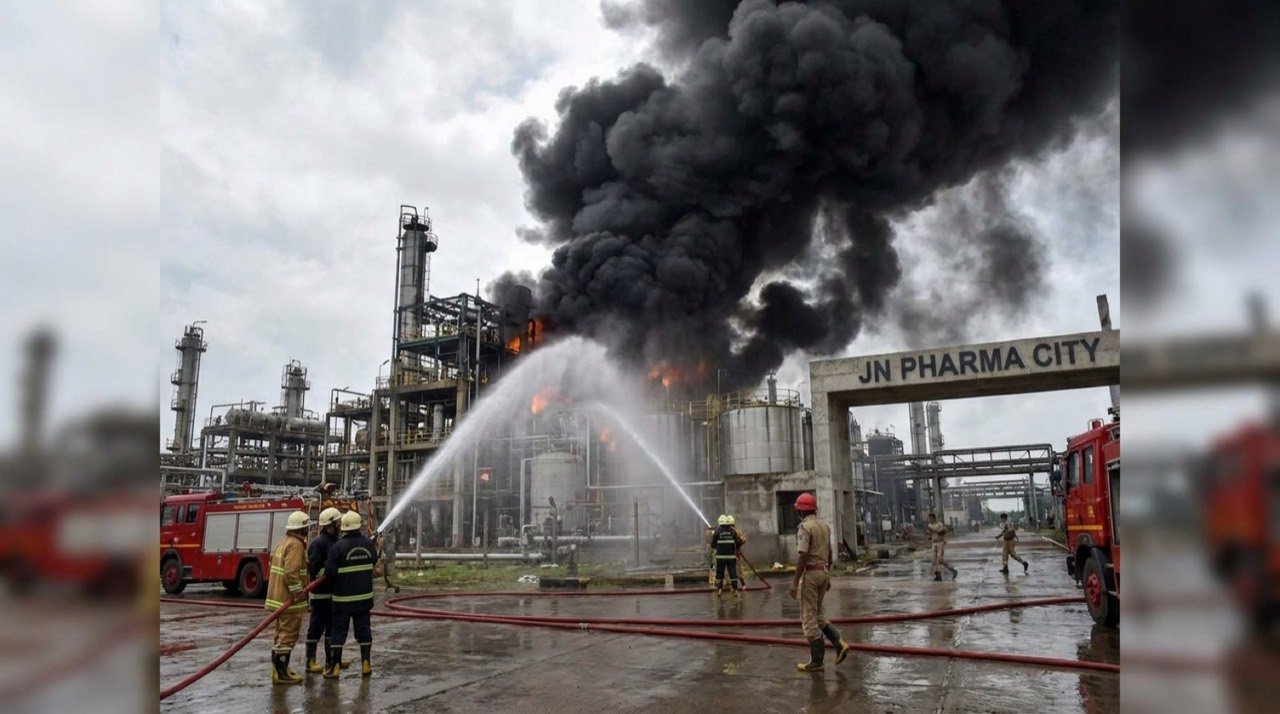
Two Workers Killed in Anakapalli Pharma City Fire at Dakshin Energy Plant
A blaze at a plastic pyrolysis unit in Andhra Pradesh's Jawaharlal Nehru Pharma City has killed two workers, reviving hard questions about safety audits in the Visakhapatnam industrial belt.
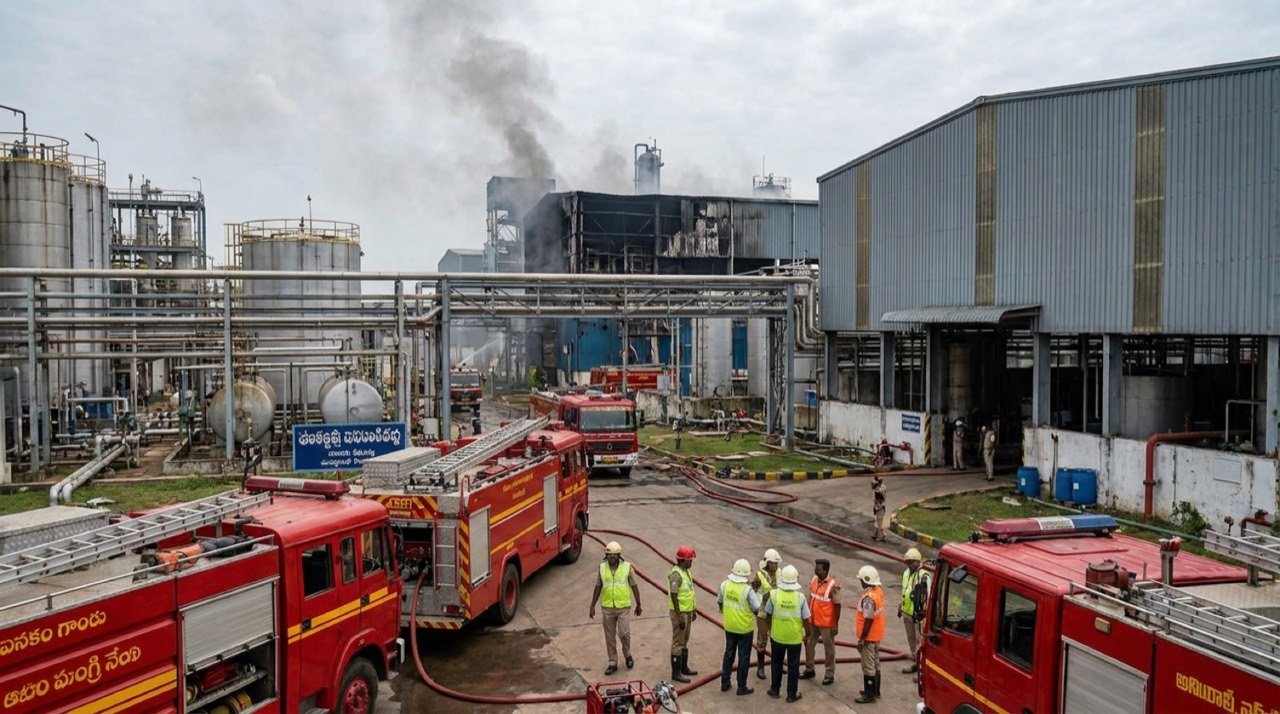
Anakapalli Pharma-City Fire Puts Andhra Pradesh Industrial Safety Back Under the Lens
A deadly fire at a unit in Andhra Pradesh's Anakapalli pharma-city has reignited scrutiny of industrial safety, compliance and worker protection across one of the state's key manufacturing belts.
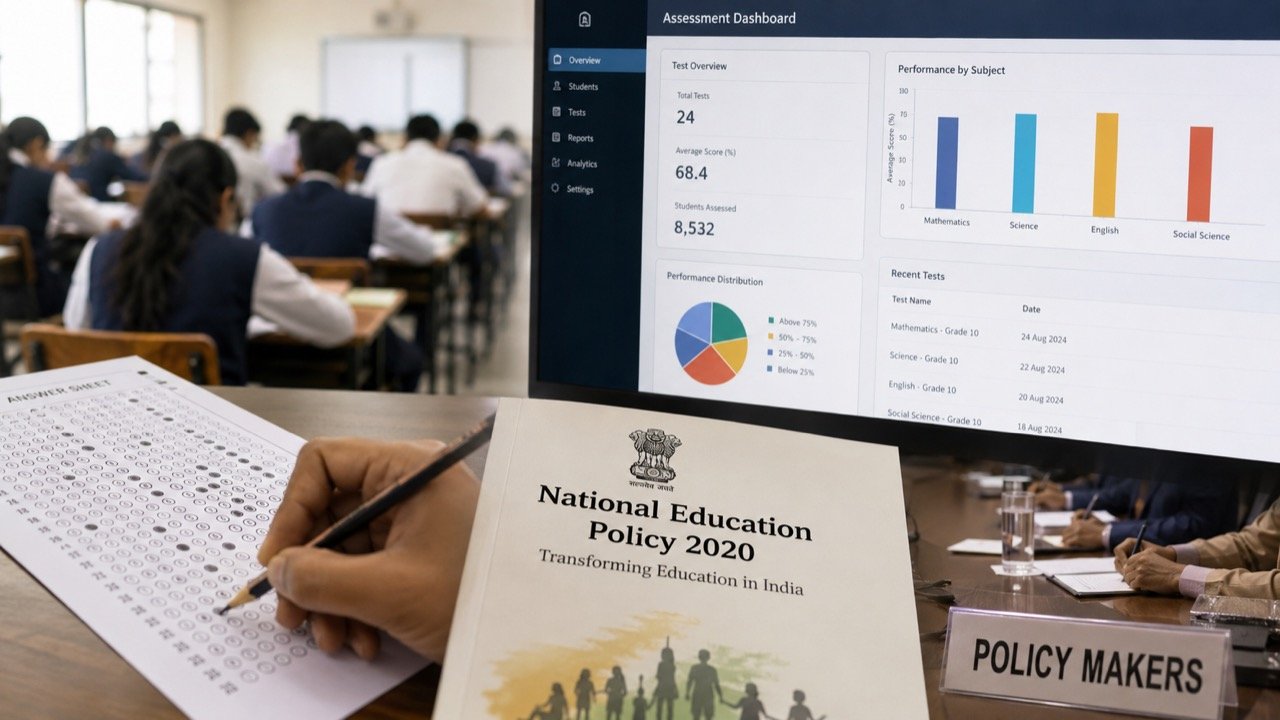
NITI Aayog MCQ Exam Proposal Revives Assessment Quality Debate
A NITI Aayog-linked recommendation backing multiple-choice exams has reignited India's debate over whether standardised testing can measure real learning without rewarding rote memorisation and coaching patterns.
More from this section
More
AICTE Industry Fellowship 2026: Rs 1.5 Lakh Scheme Closes July 5
The AICTE Industry Fellowship Programme 2026, which places technical-education faculty inside leading companies on a Rs 1.5 lakh monthly stipend, reached its application deadline on July 5.
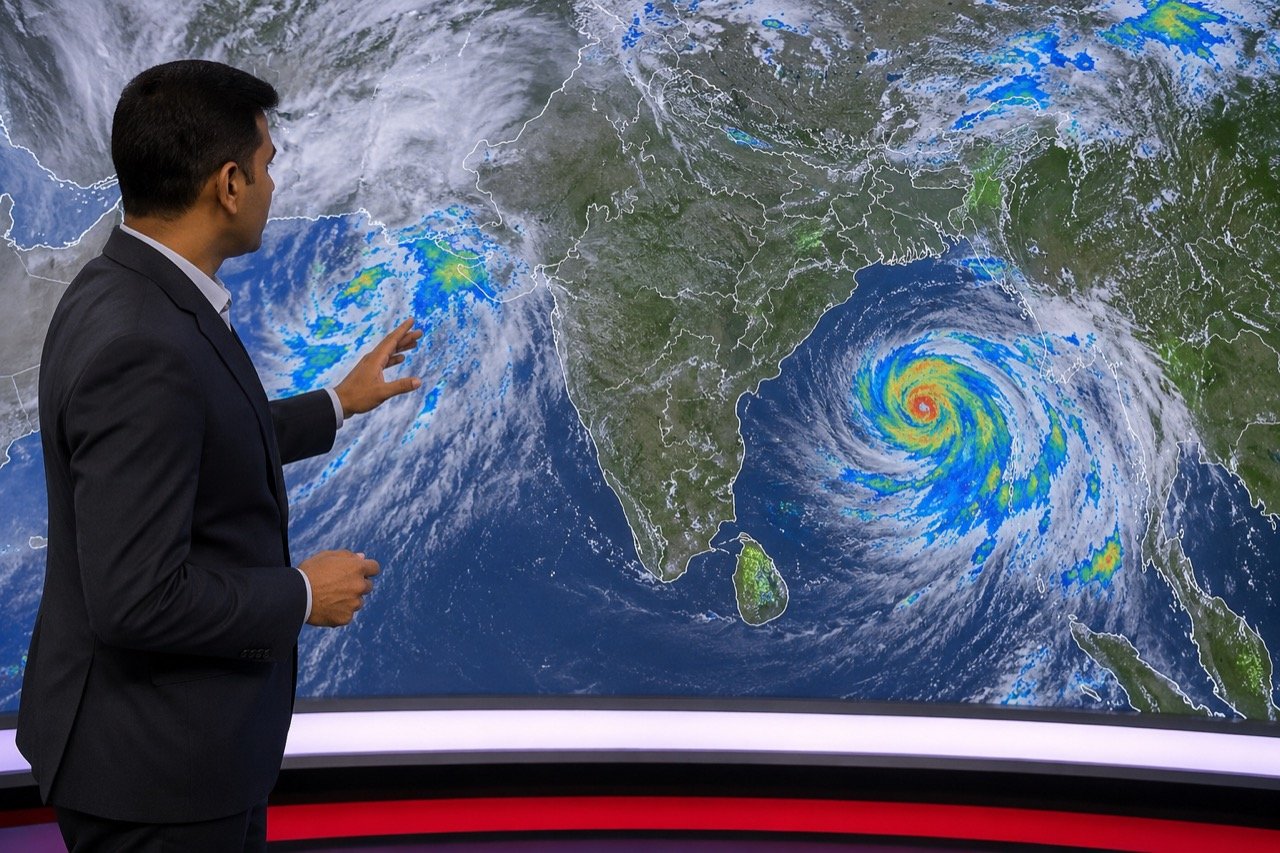
Bay of Bengal Low Pressure System Revives Monsoon Over Western India
A low-pressure system over the Bay of Bengal has pushed the monsoon back into an active phase, bringing steady heavy rain to Kerala, coastal Karnataka and Maharashtra, and putting Mumbai and Pune on preparedness watch.
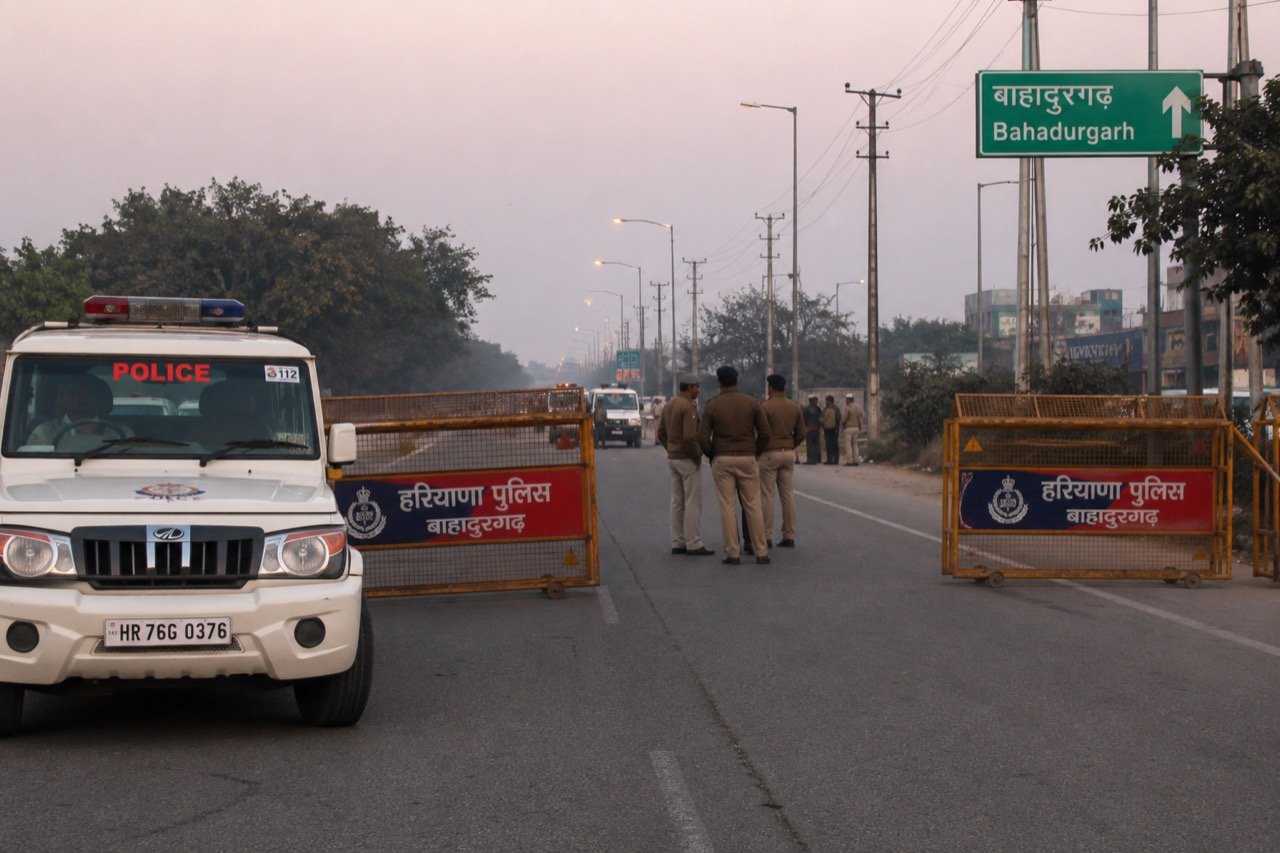
Bishnoi Gang Suspects Injured in Haryana Encounter as Police Tighten Net
A joint Haryana-Delhi Police operation in Bahadurgarh left two suspected Lawrence Bishnoi gang members injured, spotlighting the multi-state coordination now central to India's fight against organised crime networks.