Visakhapatnam Fishermen Missing: Navy, Coast Guard Search On
Indian Coast Guard, Navy and marine police teams are searching the waters off Visakhapatnam after six fishermen went missing at sea, with a passing ship reported to have rescued one person.
Commentary & Analysis ·
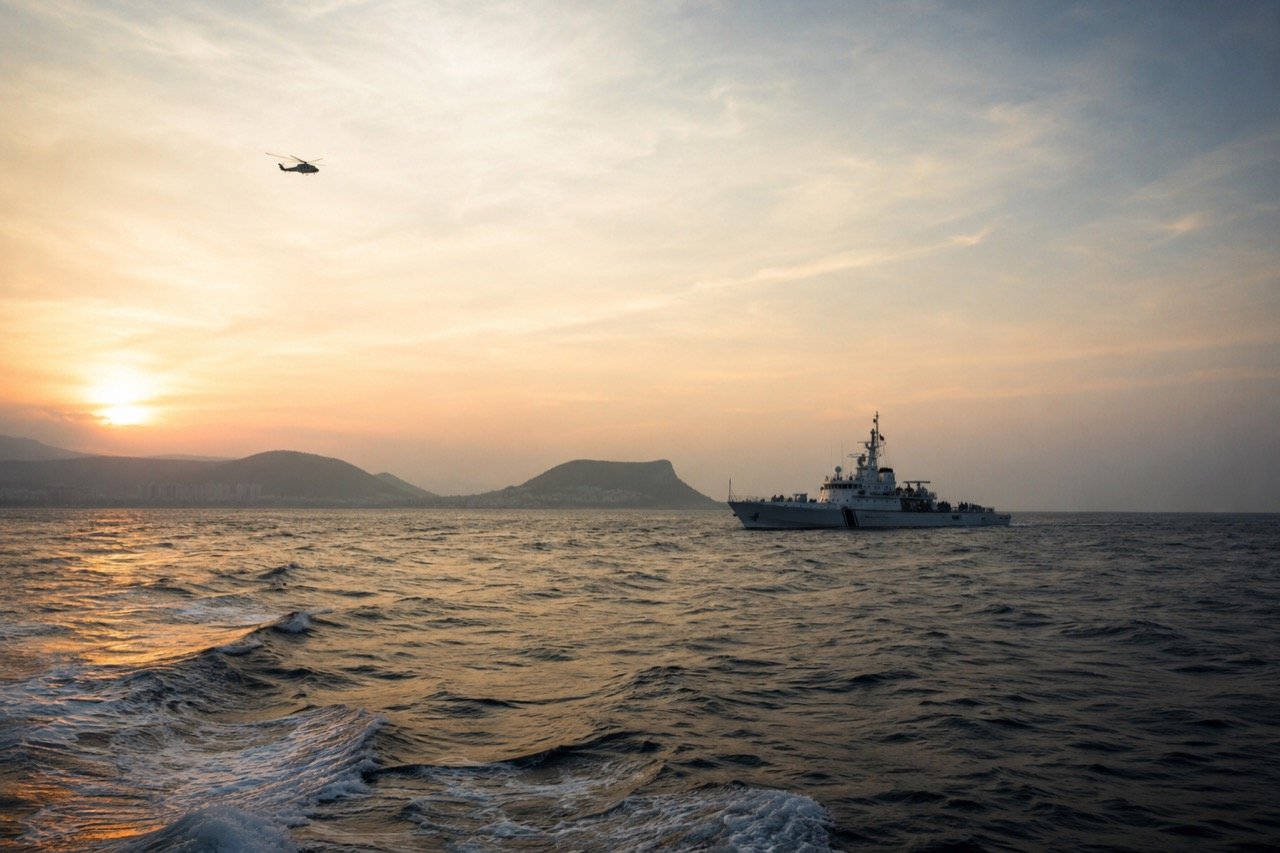
A multi-agency search operation is underway off the Visakhapatnam coast after six fishermen went missing at sea, the Indian Express reported on July 5. The Indian Coast Guard, the Navy and marine police teams are involved in the effort, with Navy helicopters providing aerial support. A passing ship has rescued one person, while the whereabouts of the remaining five have not been established. Authorities have not confirmed what caused the incident, and no cause should be assumed at this stage.
What is known so far
The facts made public remain limited but significant. Six fishermen went missing off Visakhapatnam, one has since been recovered by a passing vessel, and the search for the others continues with Coast Guard, Navy and marine police assets deployed, backed by helicopter support from the air. This is, by design, a rescue-first operation: the priority for every agency involved is locating the missing men, not establishing blame or cause. Indian Express has reported the story, and The NE Times is treating those details as the verified baseline for this commentary, adding no new facts of its own.
What is conspicuously absent from the reporting is any confirmed explanation for how six men came to be lost at sea in the first place. That gap matters. In the absence of an official account, it becomes tempting to fill in blanks with plausible guesses — a sudden squall, an engine that gave out, a compass or GPS failure, a radio that could not raise the shore. Each of these is a genuine hazard fishermen face, and any of them could be involved here. But none has been verified, and responsible reporting requires resisting the pull toward premature explanation, however reasonable it might sound.
Why the search itself is complex
Locating a handful of men in open water is a genuinely difficult logistical problem, and it is worth pausing on why. Sea search-and-rescue depends on narrowing an enormous area of ocean down to a plausible search box, using the last known position of the boat, prevailing currents, wind direction and elapsed time. Helicopters can cover distance quickly but have limited endurance and visibility constraints, especially if conditions are poor. Surface vessels from the Navy, Coast Guard and marine police can sustain a search for longer but move far more slowly across the same expanse of water. Coordinating all of this — aircraft, ships, communications, and the handoff of information between agencies with different chains of command — is itself a demanding task, separate altogether from the physical difficulty of finding people in the sea.
This is also where local knowledge becomes indispensable. Fishing communities along the Andhra Pradesh coast possess an intimate, hard-won familiarity with these waters: where currents tend to carry drifting vessels, which fishing grounds a boat was likely headed toward, and how weather typically behaves in this stretch of the Bay of Bengal at this time of year. Formal search operations are usually most effective when they are able to draw on this kind of community intelligence alongside official assets, rather than proceeding on institutional resources alone.
A hazard that recurs each monsoon
This incident, whatever its eventual explanation, sits within a much larger and grimly familiar pattern. India's coastal fishing communities face this kind of risk routinely, and the danger intensifies during the monsoon months, when sea conditions can shift from manageable to dangerous with little warning. Small fishing craft are especially vulnerable: they lack the size and structural resilience of larger vessels, and they often operate at distances from shore that put them beyond the easy reach of quick rescue.
What makes these incidents especially frustrating, from a policy perspective, is how repetitive the underlying vulnerabilities are. Time and again, the same weaknesses surface: unreliable weather alerts that do not reliably reach boats already at sea, limited or nonexistent vessel tracking on smaller craft, inadequate safety and distress equipment aboard, and reporting channels that are too slow to trigger an early response. None of these gaps are unknown or mysterious. They have been identified after previous incidents, discussed, and then, all too often, left largely unaddressed until the next emergency forces them back into view.
The human cost behind the search
Behind the operational details lies the reality facing the families of coastal Andhra Pradesh right now. For relatives of the missing men, the hours since the alert went out have been agonising, marked by uncertainty rather than answers. Fishing communities in this region live with an ever-present awareness of the sea's unpredictability, but that familiarity does not make an active search any less harrowing for those waiting on news of a father, son, or brother. The rescue of one man by a passing ship offers a measure of hope, but it does not resolve the anxiety surrounding the other five still unaccounted for.
It is this human dimension that ought to anchor how the incident is covered and discussed. Speculation about cause, particularly when unconfirmed, does little to serve the families involved and risks circulating misinformation at a moment when clarity is what is needed most.
The NE Times View
The immediate priority is rescue, and the coordinated response by the Coast Guard, Navy and marine police deserves support. These agencies are doing precisely what they should: pooling aerial and maritime assets, drawing on all available information, and working to bring the missing men home. That effort merits full public backing while it is underway.
But India cannot keep treating fishermen's safety as an emergency-response problem alone, to be solved anew each time a boat goes missing. Affordable transponders on small fishing craft, functioning distress beacons, and weather alerts that actually reach boats at sea would prevent many of these searches from being needed in the first place. These are not exotic or unaffordable technologies; the barrier has generally been one of implementation, cost distribution and follow-through rather than availability. Andhra Pradesh and the Centre should treat this incident as a prompt to audit coastal safety infrastructure, not just to conclude one search. The pattern of concern-then-forgetting that follows most such incidents is itself part of the problem: each tragedy renews calls for reform, and those calls tend to fade once the immediate headlines do, only to resurface again at the next monsoon.
Readers should follow verified official updates rather than unconfirmed social media claims, particularly while the search remains active and the fate of the remaining fishermen is unknown.
Key takeaways
- Six fishermen went missing off Visakhapatnam; one has been rescued by a passing ship, while five remain unaccounted for as Coast Guard, Navy and marine police continue a coordinated search backed by helicopters.
- No cause for the incident has been confirmed, and factors such as weather, mechanical failure, navigation trouble or communication gaps should be treated as unverified possibilities rather than established explanations.
- Monsoon-season sea conditions repeatedly expose small fishing craft to heightened risk, compounded by weak vessel tracking, unreliable weather alerts and inadequate onboard safety equipment.
- Local fishing community knowledge of currents and fishing grounds is a valuable complement to official search assets in operations of this kind.
- The NE Times urges authorities to treat this incident as an occasion to audit and strengthen coastal safety infrastructure, not merely to close out one search once it ends.
You may also like to read

Rushikonda Complex PPP Plan Revives Andhra Coastal Asset Debate
Andhra Pradesh has invited private operators to run the nearly Rs 450 crore Rushikonda Building Complex in Visakhapatnam, reopening questions about tourism potential, transparency and the future of a politically contested coastal asset.
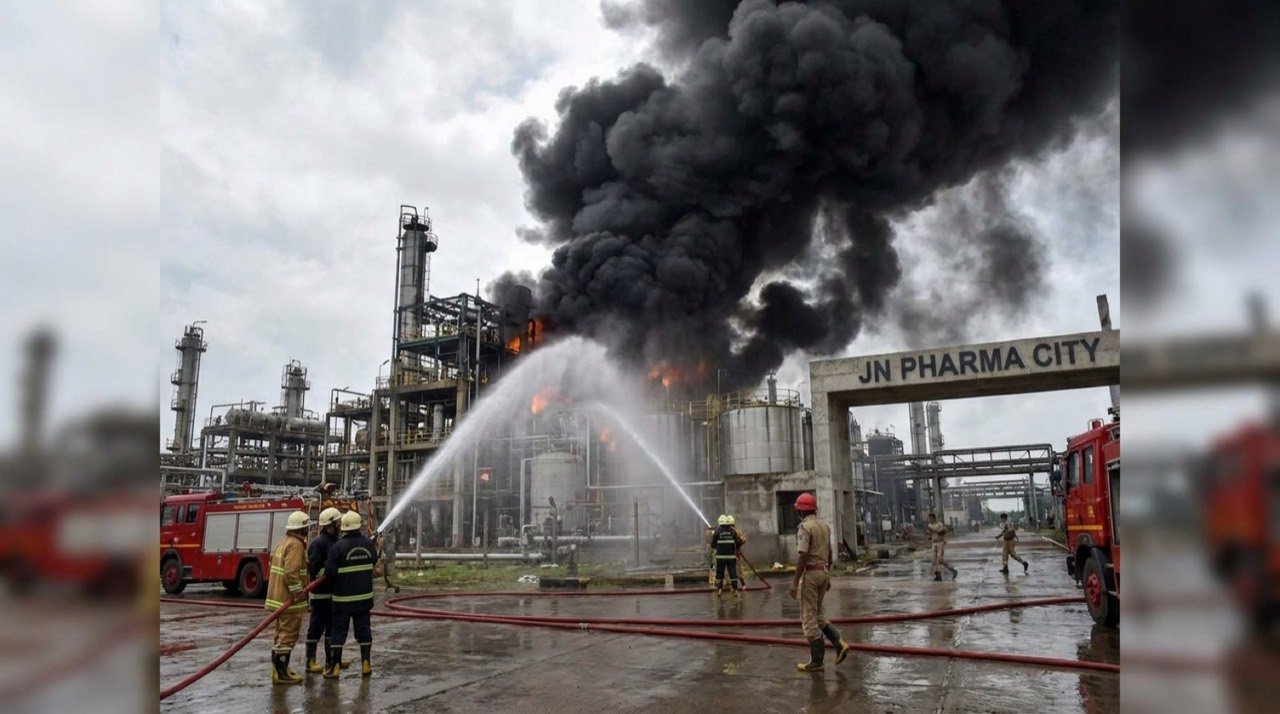
Two Workers Killed in Anakapalli Pharma City Fire at Dakshin Energy Plant
A blaze at a plastic pyrolysis unit in Andhra Pradesh's Jawaharlal Nehru Pharma City has killed two workers, reviving hard questions about safety audits in the Visakhapatnam industrial belt.
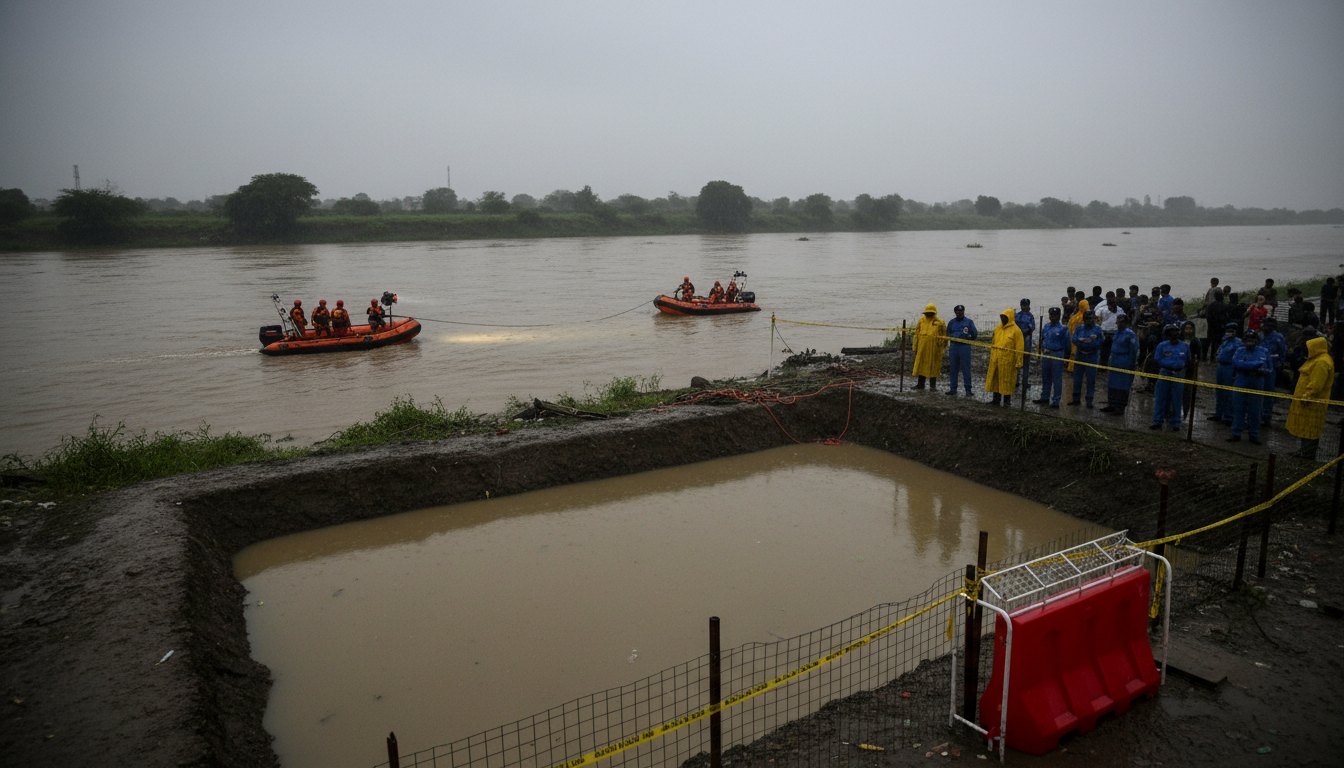
Delhi Monsoon Tragedy: Two Children Drown in Rain-Filled Pit as Search Continues for Four Missing in Yamuna
Separate incidents in Outer North Delhi show how ordinary neighbourhood spaces and riverbanks can turn lethal during the monsoon.
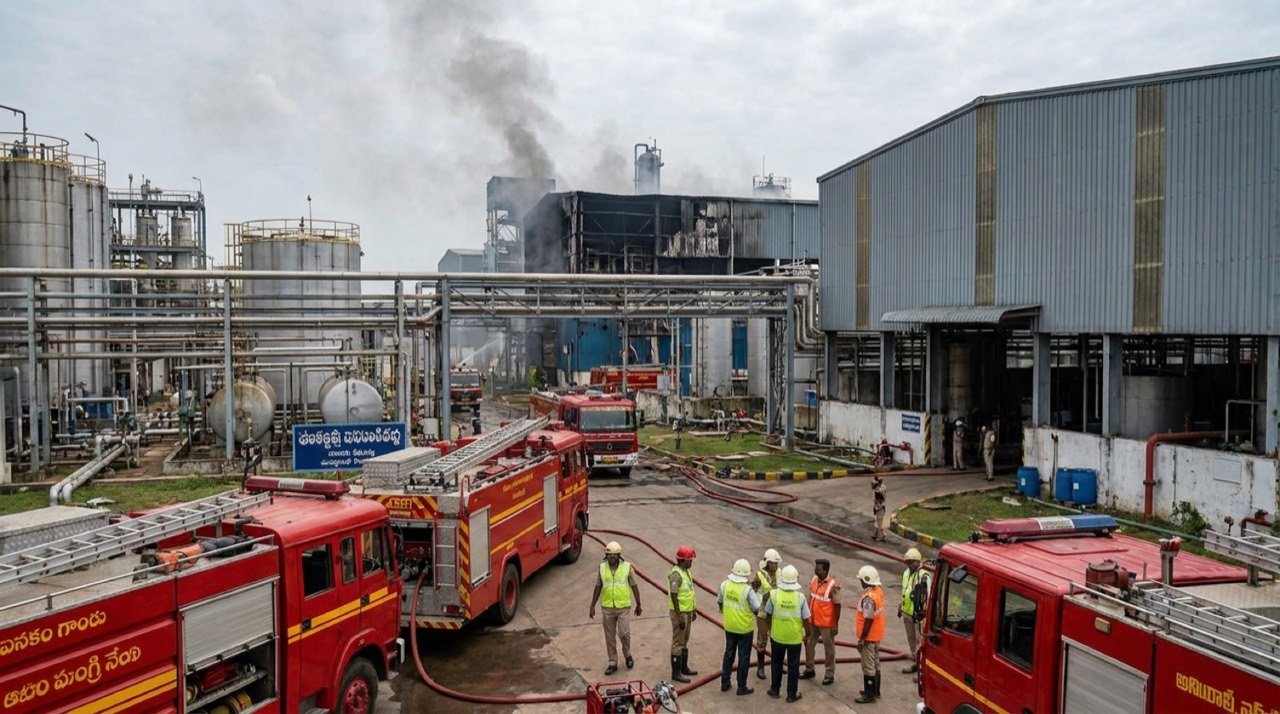
Anakapalli Pharma-City Fire Puts Andhra Pradesh Industrial Safety Back Under the Lens
A deadly fire at a unit in Andhra Pradesh's Anakapalli pharma-city has reignited scrutiny of industrial safety, compliance and worker protection across one of the state's key manufacturing belts.
More from this section
More
AICTE Industry Fellowship 2026: Rs 1.5 Lakh Scheme Closes July 5
The AICTE Industry Fellowship Programme 2026, which places technical-education faculty inside leading companies on a Rs 1.5 lakh monthly stipend, reached its application deadline on July 5.
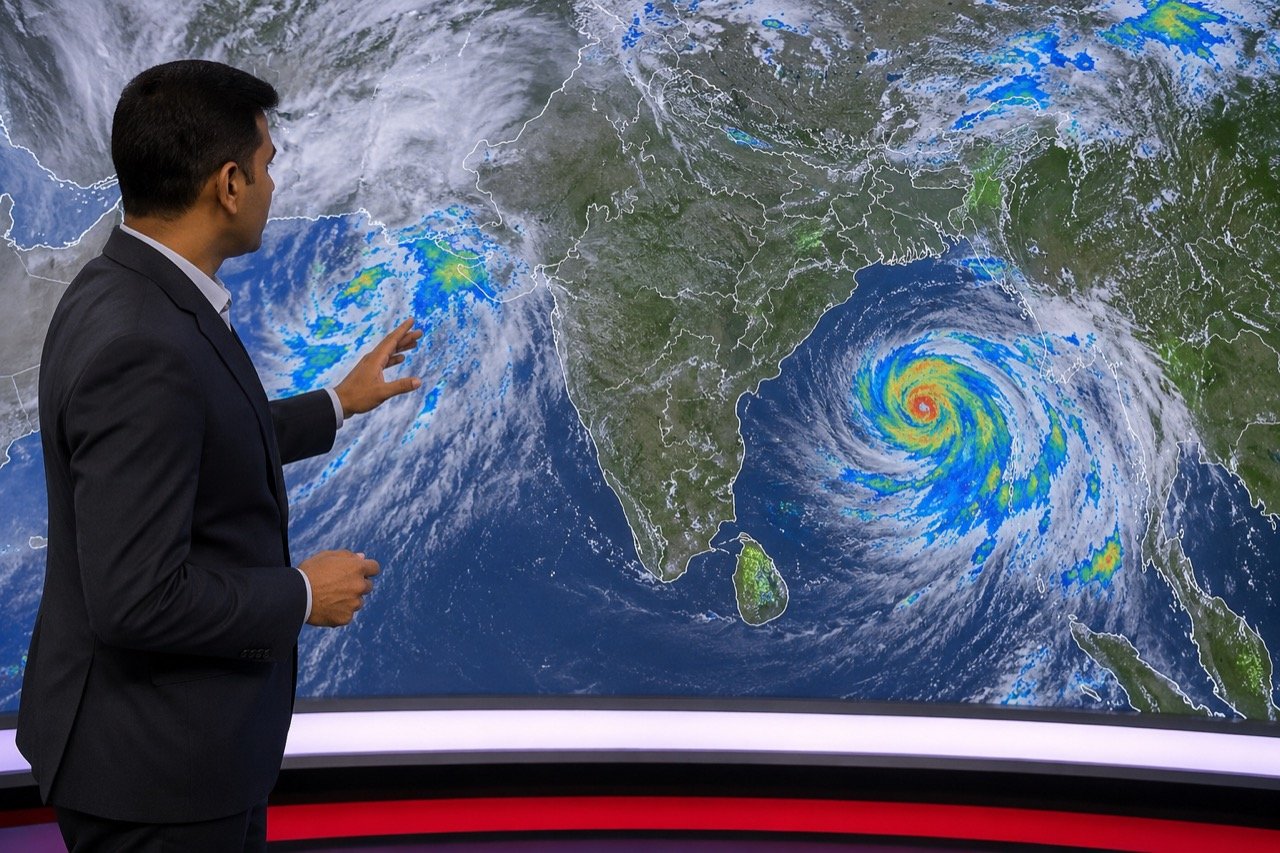
Bay of Bengal Low Pressure System Revives Monsoon Over Western India
A low-pressure system over the Bay of Bengal has pushed the monsoon back into an active phase, bringing steady heavy rain to Kerala, coastal Karnataka and Maharashtra, and putting Mumbai and Pune on preparedness watch.
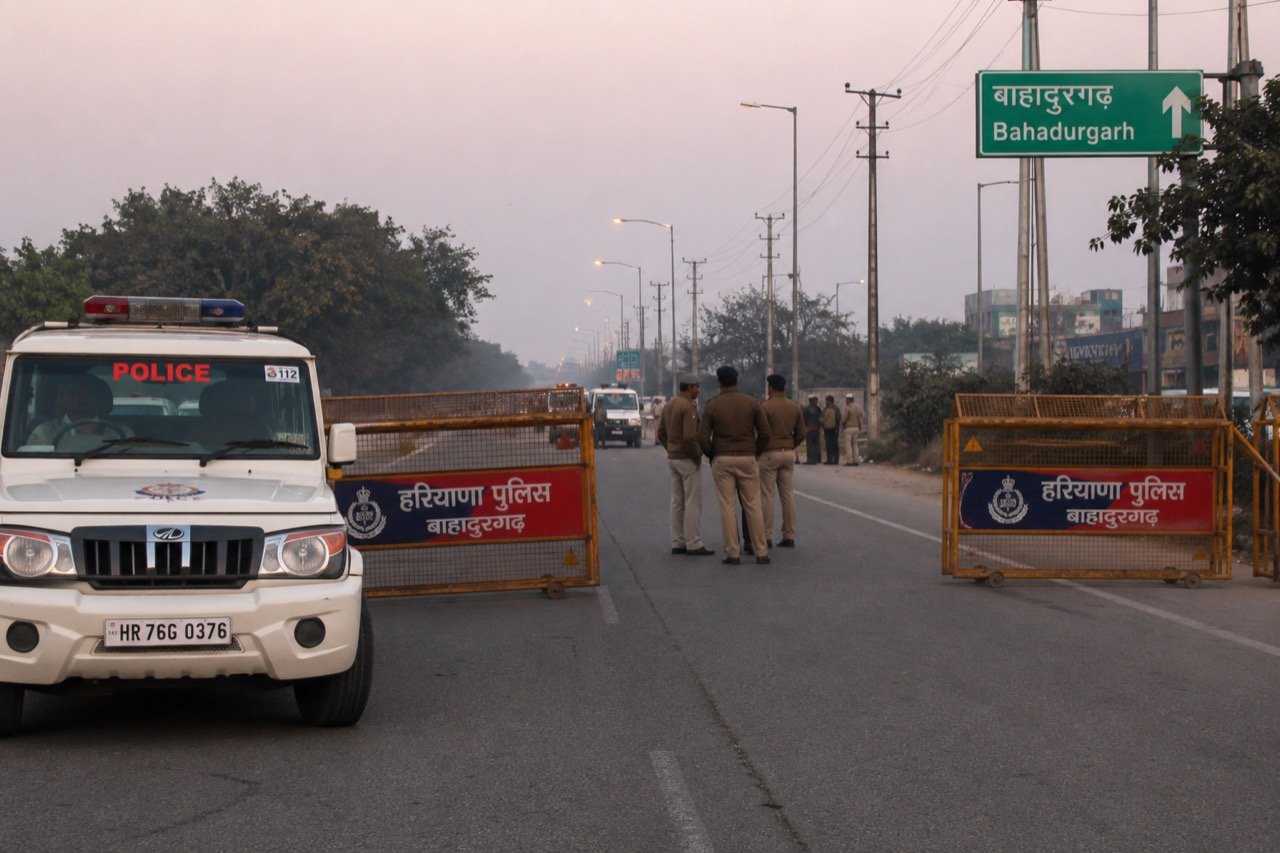
Bishnoi Gang Suspects Injured in Haryana Encounter as Police Tighten Net
A joint Haryana-Delhi Police operation in Bahadurgarh left two suspected Lawrence Bishnoi gang members injured, spotlighting the multi-state coordination now central to India's fight against organised crime networks.