OTET 2026 Moved to July 5 After Clash With OSSSC Exam Sparks Protests
Odisha's Teacher Eligibility Test has been rescheduled to July 5 after candidates flagged a date clash with an OSSSC recruitment exam, a shift that spotlights how poorly coordinated exam calendars can cost aspirants opportunities.
Commentary & Analysis ·
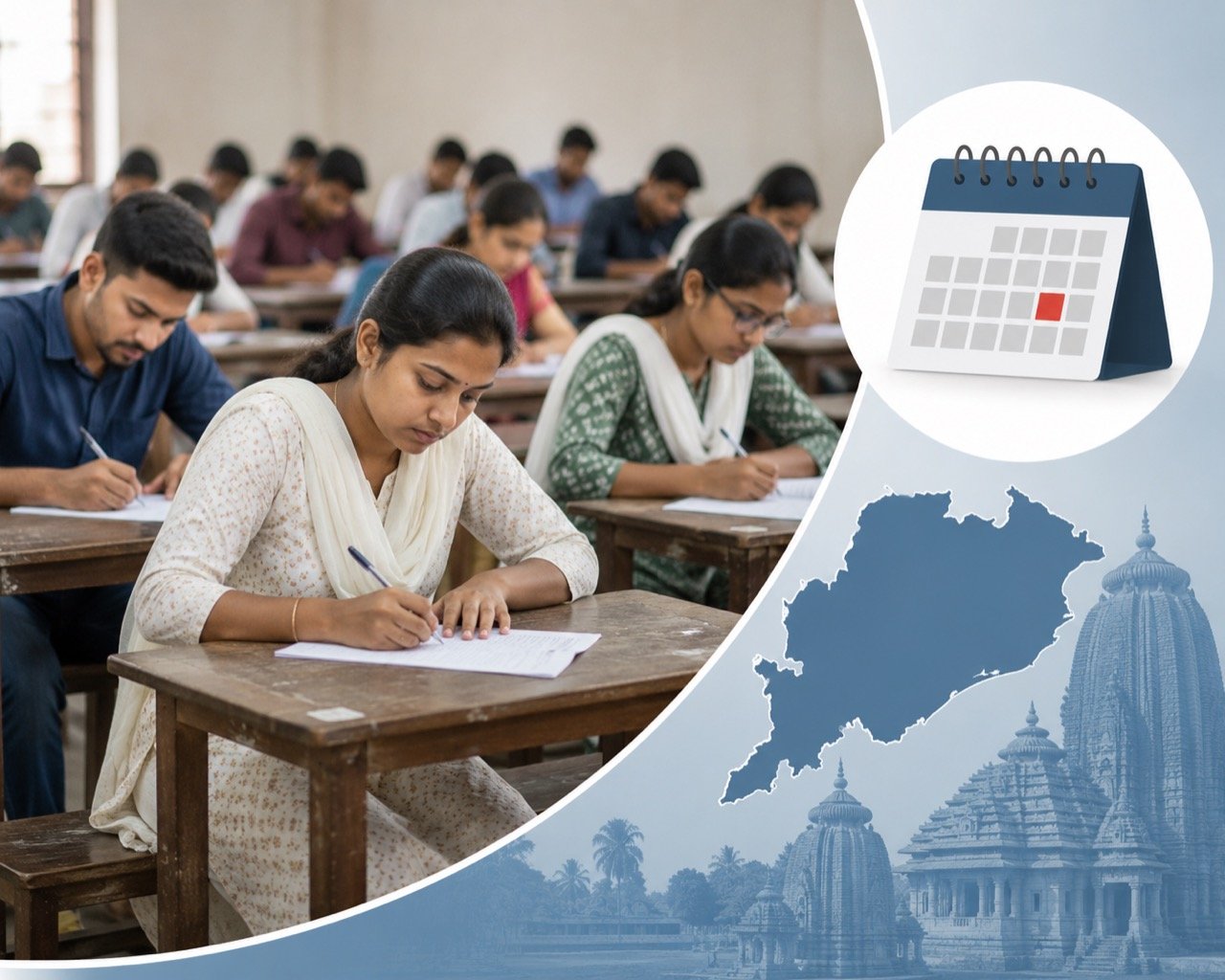
The Odisha Teacher Eligibility Test (OTET) 2026 has been rescheduled to July 5 after candidates raised concerns about a clash with another recruitment examination, The Indian Express reported. The change came in the wake of protests over the overlap between OTET and an exam conducted by the Odisha Sub-ordinate Staff Selection Commission (OSSSC). On the surface, this reads as a routine calendar adjustment. Look closer, and it is a small but instructive case study in how public examination systems in India respond, or fail to respond, when their own scheduling choices collide with the interests of the very candidates they are meant to serve.
Why a date clash is a fairness issue
Competitive and eligibility exams shape careers for thousands of aspirants, many of whom prepare for years and appear for multiple recruitment tests in parallel. Teacher eligibility tests such as OTET are not one-off events sat casually alongside other commitments; they are typically the product of months, sometimes years, of dedicated preparation, often layered on top of other exams a candidate is simultaneously chasing to maximise their chances of securing government employment. When two significant exams land on the same date, candidates are effectively forced to abandon one opportunity. There is no partial credit in this scenario: a candidate cannot sit half of OTET and half of the OSSSC exam. The choice is binary, and whichever exam is skipped effectively vanishes from that candidate's employment prospects for the cycle, regardless of how well prepared they were.
Rescheduling in such cases is not a mere administrative adjustment — it is a question of equal access to public employment. Government recruitment in India already involves fierce competition, with vacancy numbers dwarfed by applicant pools. When the exam calendar itself becomes an obstacle, independent of a candidate's ability or preparation, the process ceases to test merit fairly and instead tests something closer to luck, or worse, a candidate's capacity to organise collective protest to get the problem noticed and fixed. That such protest was necessary here is itself telling.
What candidates need to know
The practical takeaway for aspirants tracking the OTET 2026 date is straightforward: the test now stands on July 5. For candidates who had already begun rearranging their preparation schedules around the original clash, or who were bracing to make an unwanted choice between the two exams, this is welcome and immediate relief. It removes the forced trade-off and allows them to sit both the OTET and the OSSSC exam as originally intended.
Beyond the new date, the episode carries a broader public-interest lesson: exam-conducting bodies need tighter coordination and clearer communication with each other to prevent avoidable conflicts in the first place. Teacher eligibility tests are particularly sensitive because they feed directly into recruitment pipelines and, ultimately, classroom staffing across the state. A delay or disruption to OTET does not only affect the candidates sitting it; it has knock-on effects for the timeline on which teaching vacancies are filled, which in turn affects schools, students and the broader functioning of the state's education system. A predictable, well-managed exam calendar lets candidates plan travel, preparation schedules and documentation without last-minute upheaval, and it lets the state machinery downstream, from result processing to counselling and posting, proceed without compounding delays.
What the protests reveal about administrative responsiveness
The reversal also demonstrates that organised candidate pressure can move administrative decisions when a grievance is widely shared. Aspirants who flagged the OSSSC overlap saw their concern acknowledged and acted upon within a short window. That responsiveness deserves some credit: it would have been easy for the exam-conducting authority to hold its original date, cite logistical constraints, and leave candidates to sort out their own conflicting priorities. Instead, the date was moved.
But the reliance on protest as the mechanism of correction is itself a symptom worth examining. In a well-coordinated system, this clash would never have reached the point of public grievance, because the conflict would have been identified and resolved at the scheduling stage, before either exam's date was even announced. That it took visible candidate pushback to trigger a fix suggests the checking mechanism between exam-conducting bodies, if one exists at all, is informal, reactive, or simply absent. Candidates should not have to organise campaigns to secure basic scheduling fairness that a shared calendar would have guaranteed by default.
The wider pattern across state recruitment exams
Odisha is far from alone in running multiple recruitment and eligibility examinations through separate bodies. Most Indian states operate a similar structure, with distinct commissions and boards responsible for teacher eligibility tests, subordinate staff recruitment, police recruitment, and various departmental exams, each typically setting its own calendar with limited visibility into what other bodies are planning. Candidates, particularly in states with large numbers of eligible young job-seekers, frequently sit several such exams across a single recruitment season to maximise their odds. Any lack of coordination between these bodies creates a standing risk that clashes like the OTET-OSSSC overlap will recur, in Odisha or elsewhere, simply because no single authority is tasked with checking all the dates against each other before they are locked in.
This is not a technically difficult problem to solve. It does not require new legislation, new infrastructure, or significant expenditure. It requires, at minimum, a shared and regularly updated exam calendar across state-level recruitment and eligibility bodies, checked for conflicts before dates are finalised and publicly announced. The absence of such a basic coordination mechanism, rather than any single scheduling error, is the real story here.
The NE Times View
Odisha's quick correction is welcome, but the fact that it was needed at all points to a systemic gap. India's states run dozens of recruitment and eligibility exams each year, often through separate bodies that do not consult a common calendar. A shared, published exam schedule, updated well in advance and checked for conflicts, would cost little and spare lakhs of young people needless anxiety. Until such coordination becomes routine, aspirants will keep paying for administrative silos with their careers, and exam bodies will keep firefighting protests that better planning could have prevented. The willingness to reschedule OTET after public pressure is a reasonable short-term fix, but it should not be mistaken for a solution. The solution lies upstream, in the scheduling process itself, long before any protest becomes necessary.
Key takeaways
- OTET 2026 has been rescheduled to July 5 after candidates protested its clash with an OSSSC recruitment exam, as reported by The Indian Express.
- The original overlap forced candidates into an unfair binary choice between two significant recruitment opportunities, undermining equal access to public employment.
- The rescheduling shows organised candidate pressure can prompt administrative correction, but relying on protest to fix scheduling conflicts is an inefficient and avoidable process.
- Teacher eligibility tests like OTET feed directly into classroom staffing pipelines, so scheduling disruptions carry consequences well beyond the exam hall.
- A shared, coordinated exam calendar across state recruitment bodies would prevent such clashes at the source, sparing candidates needless uncertainty and last-minute upheaval.
You may also like to read
NEET-UG Fake Leak Video Sparks Probe as Exam Misinformation Comes Under Scrutiny
Police and exam authorities are hunting the creators of a fake NEET-UG paper-leak video that spread online around the retest, stoking panic among students and exposing how fast misinformation can erode trust.

Brahmapur-Udhna Amrit Bharat Express Goes Daily, Boosting Odisha Link
The Brahmapur-Udhna Amrit Bharat Express is set to run every day, giving passengers travelling between Odisha and Gujarat a more dependable and affordable long-distance rail option for work, study and family journeys.
Puri-Koraput Express: New Train to Link Coastal and South Odisha
Indian Railways is introducing the Puri-Koraput Express to give Odisha a more direct passenger link between its coastal pilgrimage hub and the southern hill districts, with route and timetable details now published.

Odisha Seeks Rs 9,000 Crore to Build a Disaster-Proof Power Grid
Odisha has asked the Centre for more than Rs 9,000 crore to storm-harden its electricity network, putting a visible price tag on climate resilience for India's cyclone-prone coastal states.
More from this section
More
AICTE Industry Fellowship 2026: Rs 1.5 Lakh Scheme Closes July 5
The AICTE Industry Fellowship Programme 2026, which places technical-education faculty inside leading companies on a Rs 1.5 lakh monthly stipend, reached its application deadline on July 5.
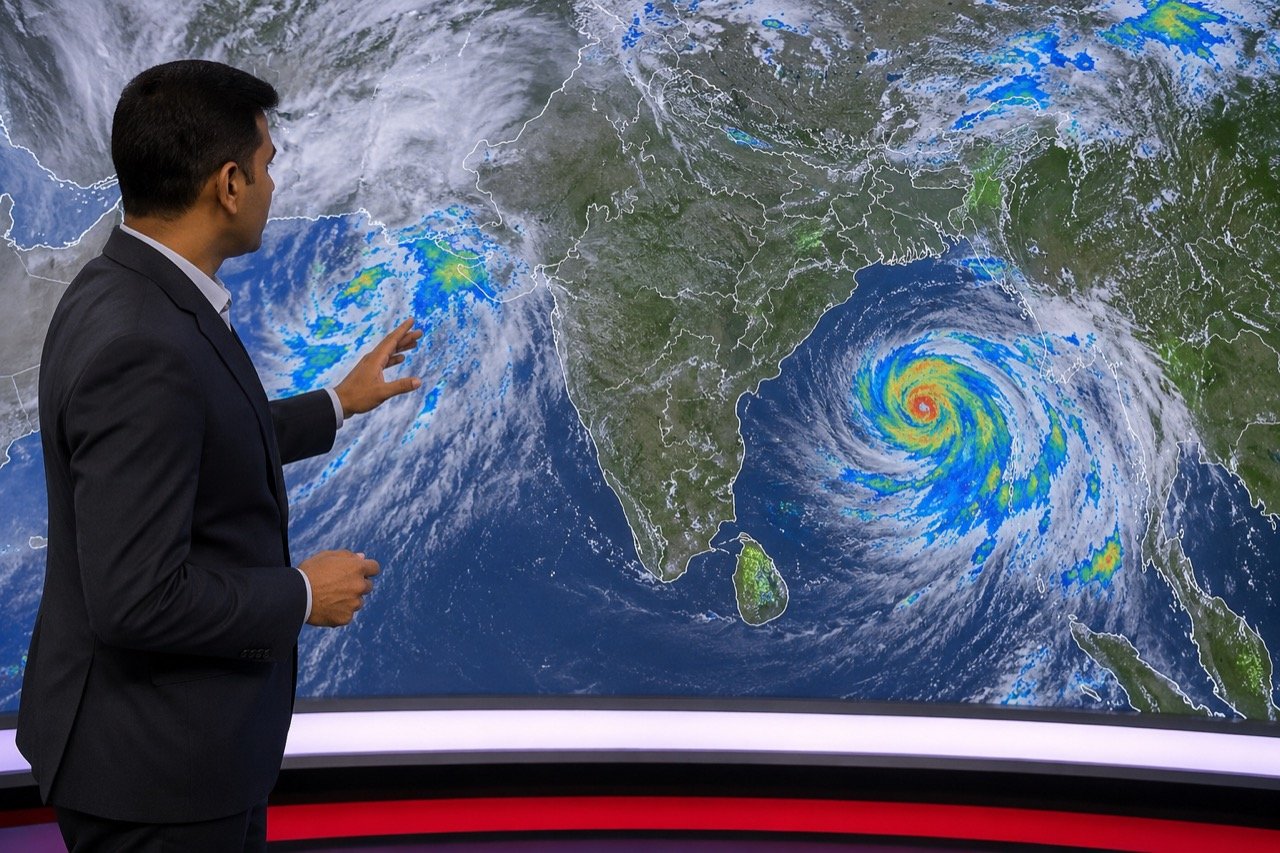
Bay of Bengal Low Pressure System Revives Monsoon Over Western India
A low-pressure system over the Bay of Bengal has pushed the monsoon back into an active phase, bringing steady heavy rain to Kerala, coastal Karnataka and Maharashtra, and putting Mumbai and Pune on preparedness watch.
Bishnoi Gang Suspects Injured in Haryana Encounter as Police Tighten Net
A joint Haryana-Delhi Police operation in Bahadurgarh left two suspected Lawrence Bishnoi gang members injured, spotlighting the multi-state coordination now central to India's fight against organised crime networks.