Mumbai and Thane on Alert as IMD Warns of Very Heavy Weekend Rain
The IMD has forecast heavy to very heavy rainfall with isolated extremely heavy spells over Mumbai and Thane on July 4 and 5, putting transport, drainage and emergency systems on weekend watch.
Commentary & Analysis ·
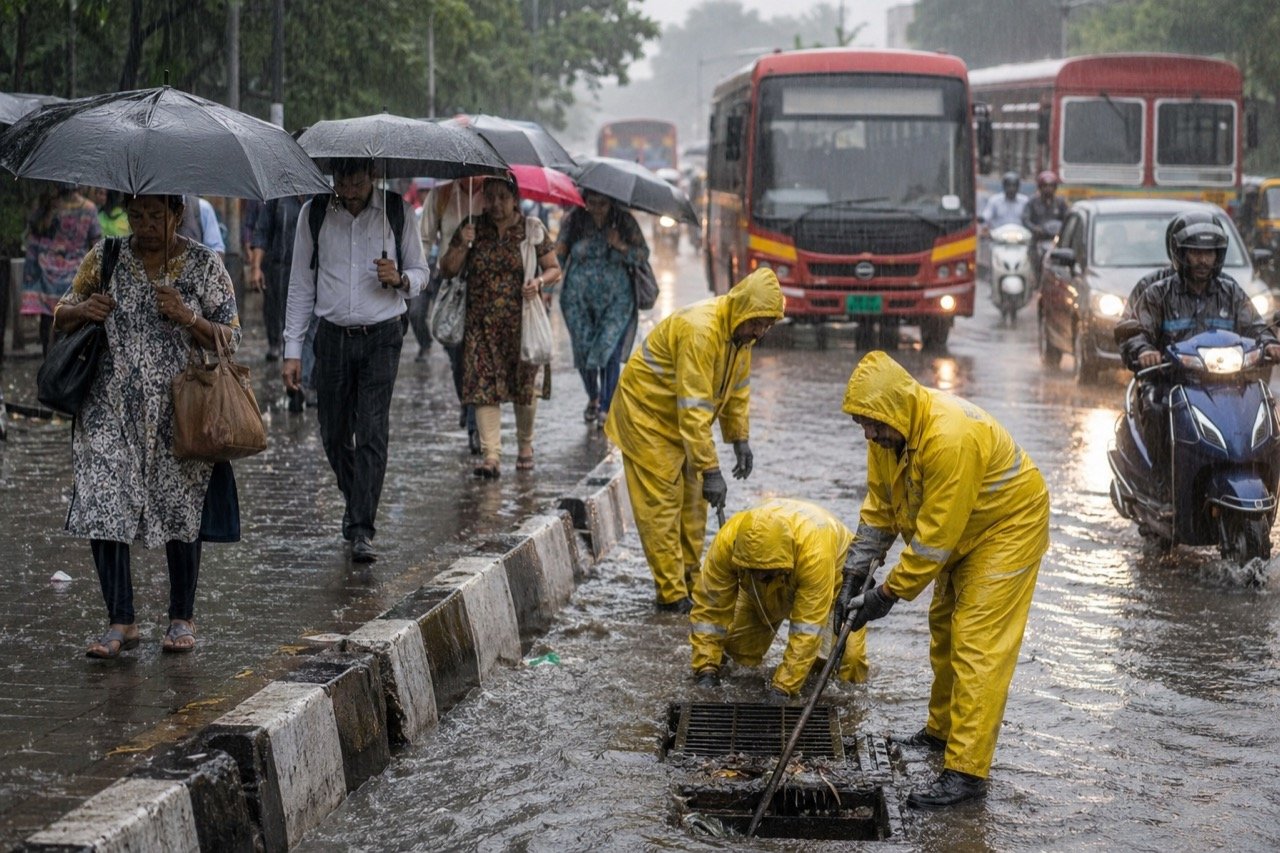
Mumbai and Thane entered the weekend under a heightened weather watch after the India Meteorological Department warned of heavy to very heavy rainfall at a few places, with isolated extremely heavy spells expected on July 4 and 5. The alert follows a week in which the city had already endured disruptive monsoon conditions, meaning the ground was primed for trouble well before the fresh warning was issued. In a metropolitan region that packs tens of millions of people into a narrow, low-lying coastal strip, an advisory of this severity is never simply a line item in a weather bulletin. It is, in effect, a signal that the ordinary rhythms of the city — commutes, school runs, deliveries, hospital visits — are about to be tested against the limits of ageing infrastructure.
Why a weather alert becomes a city-wide event
In most parts of the world, a forecast of very heavy rain prompts umbrellas and rescheduled outdoor plans. In Mumbai, it prompts something closer to institutional bracing. Intense rain quickly cascades into the daily life of millions: local trains, road traffic, school schedules, office commutes and drainage networks are all exposed the moment waterlogging begins in low-lying pockets. This is because Mumbai's transport and civic systems are unusually interdependent. The suburban railway network, which carries the bulk of the city's daily commuters, is highly sensitive to water levels on the tracks. When trains slow or stop, road traffic absorbs the overflow, and when roads flood, the ripple reaches emergency services, school transport and even hospital logistics. A warning that might read as routine elsewhere carries outsized weight here precisely because there is so little slack in the system to begin with.
The civic machinery put on alert
An alert at this level triggers coordination across civic bodies, police, disaster response teams and utility services. Pumping stations, drain-cleaning work, road repairs and public communication systems all come under real-world stress when repeated intense spells hit within days of each other. This is a meaningful operational detail: it is not simply that rain falls and the city copes or doesn't. Behind the scenes, a warning of very heavy rainfall sets off a chain of pre-emptive actions — stationing pumps at known flooding points, keeping disaster response units on standby, and preparing to issue real-time updates to residents. Officials have advised residents to track official advisories closely and avoid unnecessary travel through waterlogged or low-lying areas, a message that presumes both an informed public and a functioning channel for that information to travel quickly and reliably.
Uneven impact, city-wide consequences
The forecast does not mean every neighbourhood will face the same severity. Rainfall in a city as geographically varied as Mumbai is rarely uniform — some pockets may see manageable showers while others, particularly those with poor natural drainage or ageing stormwater infrastructure, bear the brunt of extremely heavy spells. Yet because Mumbai's mobility network is so tightly interconnected, even localised flooding can ripple across the entire metropolitan region. A single waterlogged junction or a stalled train on one line can back up traffic and disrupt schedules far from the point of origin. This is the central paradox of monsoon risk in Mumbai: the damage is often local, but the disruption is almost always metropolitan in scale, because the systems that carry people and goods through the city were never designed with enough redundancy to absorb repeated shocks in quick succession.
The recurring pattern behind the headlines
What makes this weekend's alert notable is not that it is unprecedented, but that it fits a familiar and recurring pattern. The city had already endured a week of disruptive monsoon conditions before this fresh warning arrived, underscoring how monsoon stress in Mumbai tends to compound rather than arrive as isolated events. Each additional spell of heavy rain adds strain to drains that may not have fully cleared from the previous downpour, to roads still recovering from earlier waterlogging, and to a public already fatigued by disrupted commutes. This compounding effect is precisely why civic preparedness cannot be treated as a single-day response to a single forecast. The real test is whether systems built to handle one bad day can also withstand a second and third in close succession, which is the pattern the IMD's latest advisory suggests may be unfolding.
The NE Times View
Every monsoon, Mumbai relearns the same lesson: the difference between disruption and disaster lies in preparation, not prediction. The IMD's warnings have become more timely and granular, giving civic authorities, transport operators and residents more precise notice than in years past. Yet the city's response systems — drains, pumps, traffic management and last-mile communication — still lag the scale of the risk. Forecasting has improved faster than the infrastructure meant to act on those forecasts, which means the gap between knowing a storm is coming and being able to absorb its impact without major disruption remains wide. For a financial capital that loses crores with every stalled local train, treating monsoon readiness as a year-round engineering priority rather than a seasonal scramble is the only sustainable path. That means sustained investment in drainage capacity, pump maintenance and traffic contingency planning well outside the monsoon months, not merely reactive deployment when an alert is issued. Residents, for their part, should treat weekend alerts seriously and plan travel around them, recognising that in a city this interconnected, caution in one's own commute is also a small contribution to easing pressure on the wider system.
What to watch next
In the immediate term, the key indicators to watch are whether the extremely heavy spells forecast for July 4 and 5 materialise as isolated pockets or spread more broadly across Mumbai and Thane, and how quickly civic pumping and drainage operations respond in the low-lying areas most prone to waterlogging. The performance of the suburban rail network during this window will be a particularly telling barometer, given how central it is to the city's daily functioning. Beyond this weekend, the more important question is whether authorities use the lessons from this alert to strengthen monsoon infrastructure ahead of future spells, or whether the same cycle of warning, disruption and recovery repeats through the rest of the season.
Key takeaways
- The IMD has warned of heavy to very heavy rainfall in Mumbai and Thane, with isolated extremely heavy spells expected on July 4 and 5, following a week of already disruptive monsoon conditions.
- Because the city's transport and civic systems are tightly interconnected, even localised flooding can cause metropolitan-wide disruption to trains, roads, schools and offices.
- The alert has triggered coordinated action across civic bodies, police, disaster response teams and utility services, including pump deployment and drain-clearing work.
- Officials have urged residents to follow official advisories and avoid unnecessary travel through waterlogged or low-lying areas.
- The recurring nature of these alerts points to a persistent gap between improved weather forecasting and the pace of civic infrastructure readiness, underscoring the case for year-round monsoon preparedness rather than seasonal response.
You may also like to read
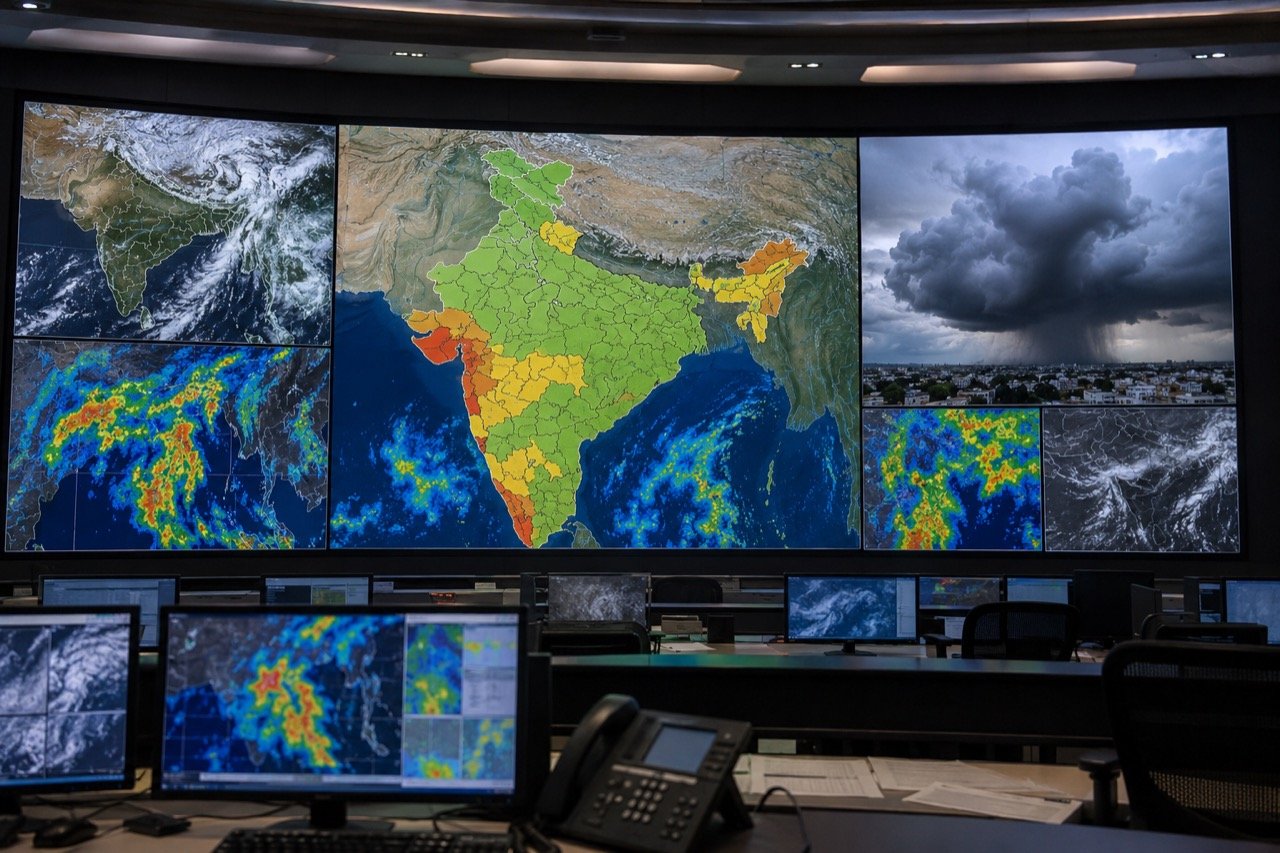
India Monsoon Alerts: Heavy Rain Warnings for Konkan, Gujarat, North
India's monsoon remains active with heavy rainfall alerts spanning Konkan, Gujarat, parts of Maharashtra and northern states, as forecasters warn of isolated extremely heavy spells that could disrupt transport and daily life.
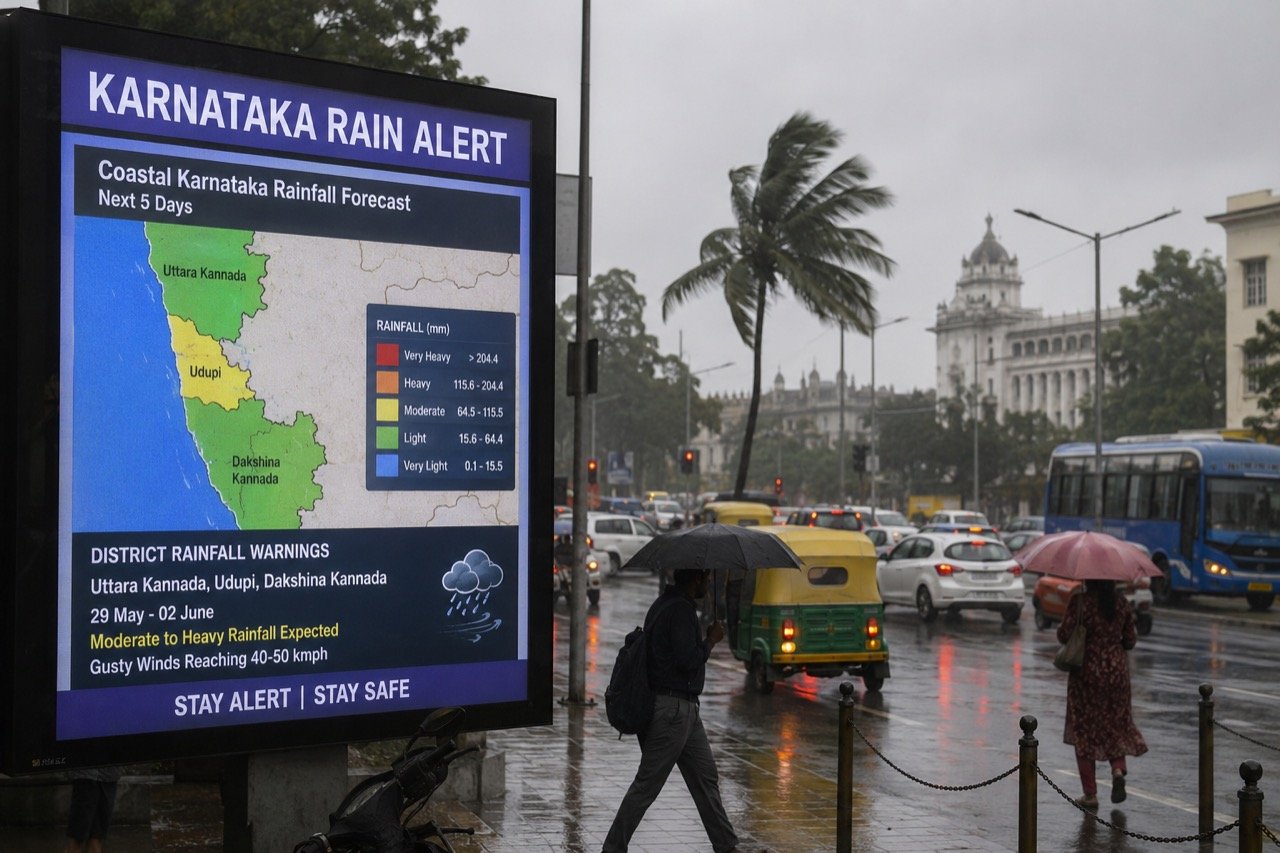
Karnataka Rain Alert: Bengaluru and Coastal Districts on Watch
Strengthening monsoon rain has put Karnataka on alert, with Bengaluru commuters bracing for waterlogged roads, coastal districts watching for intense spells, and farmers tracking every millimetre for sowing.
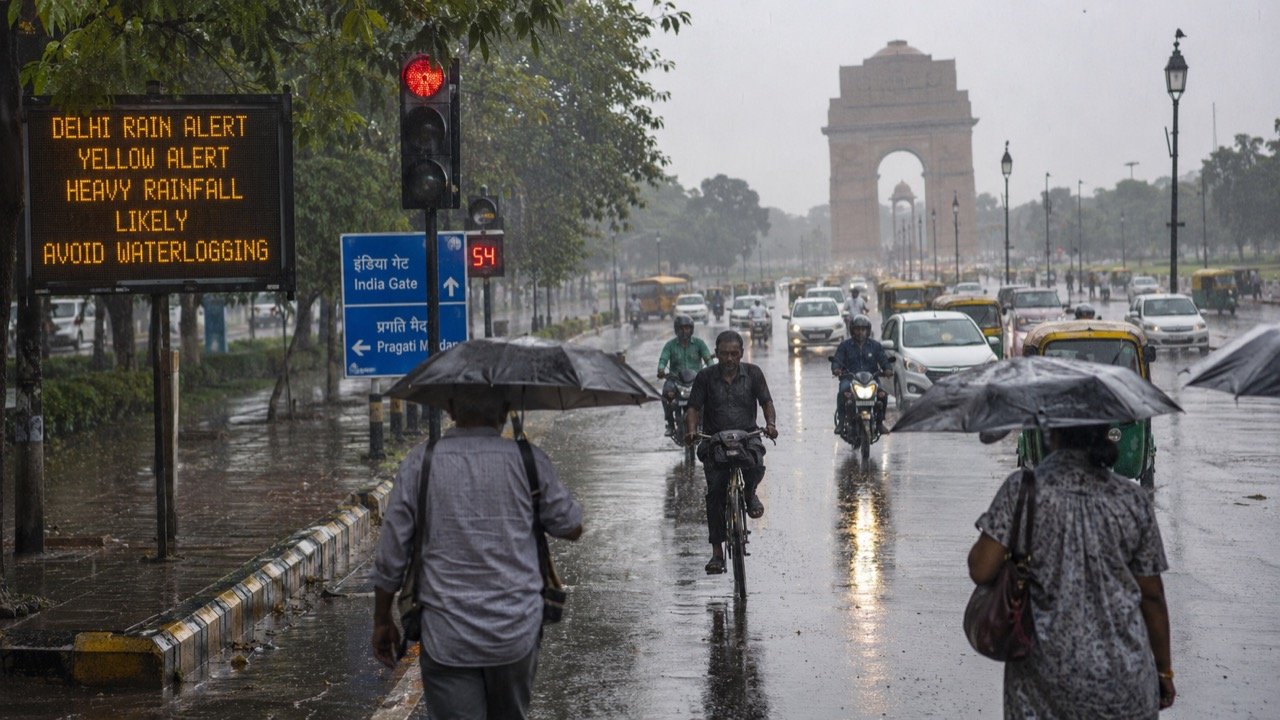
Delhi Rain Alert: Monsoon Travel and Civic Readiness Under Watch
Delhi's monsoon rain watch has residents tracking weather alerts and traffic advisories, as even moderate showers test the capital's drainage, underpasses and last-mile travel networks.
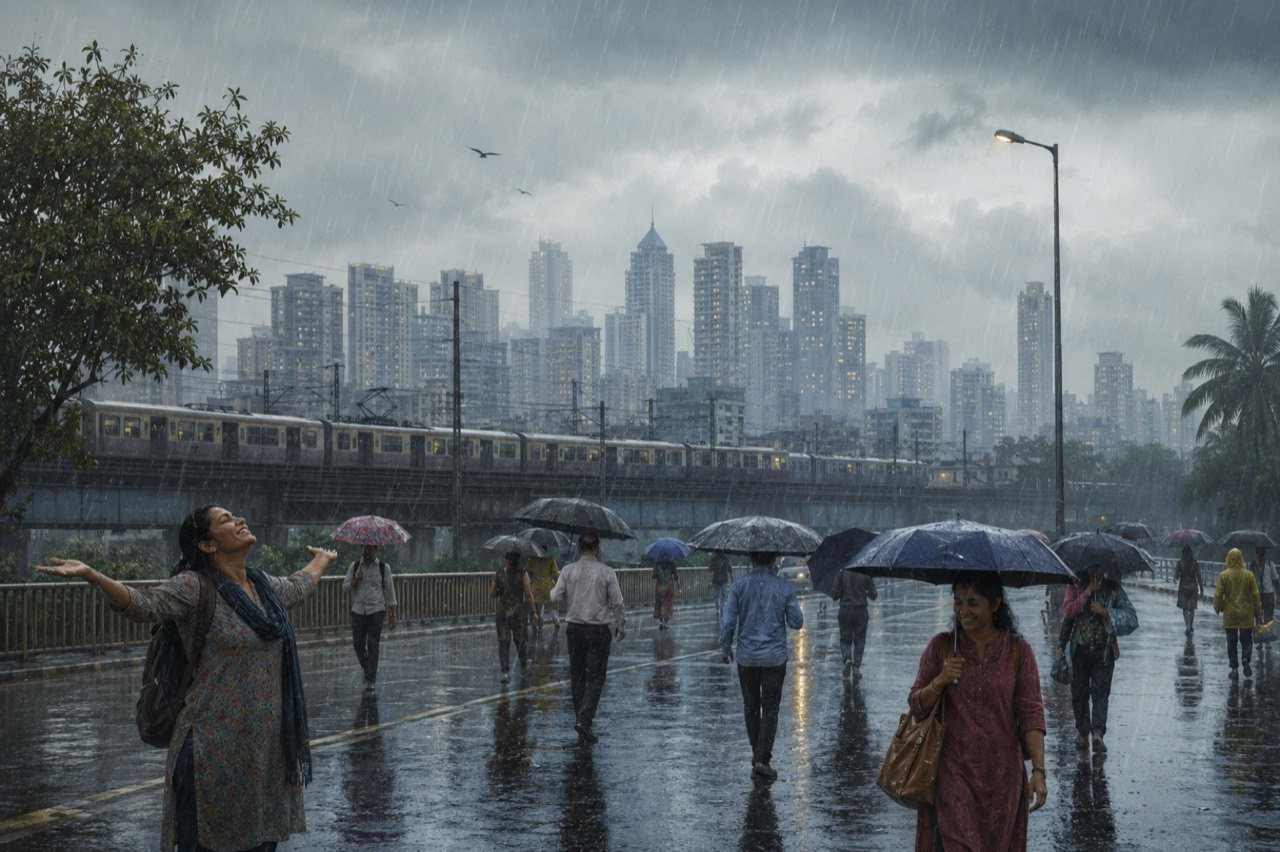
Mumbai Rain Brings Relief as Official Monsoon Onset Is Still Awaited
Heavy showers swept Mumbai on 22 June 2026, easing weeks of humid heat and lifting hopes of monsoon advance, even as forecasters held off on a formal onset declaration.
More from this section
More
AICTE Industry Fellowship 2026: Rs 1.5 Lakh Scheme Closes July 5
The AICTE Industry Fellowship Programme 2026, which places technical-education faculty inside leading companies on a Rs 1.5 lakh monthly stipend, reached its application deadline on July 5.
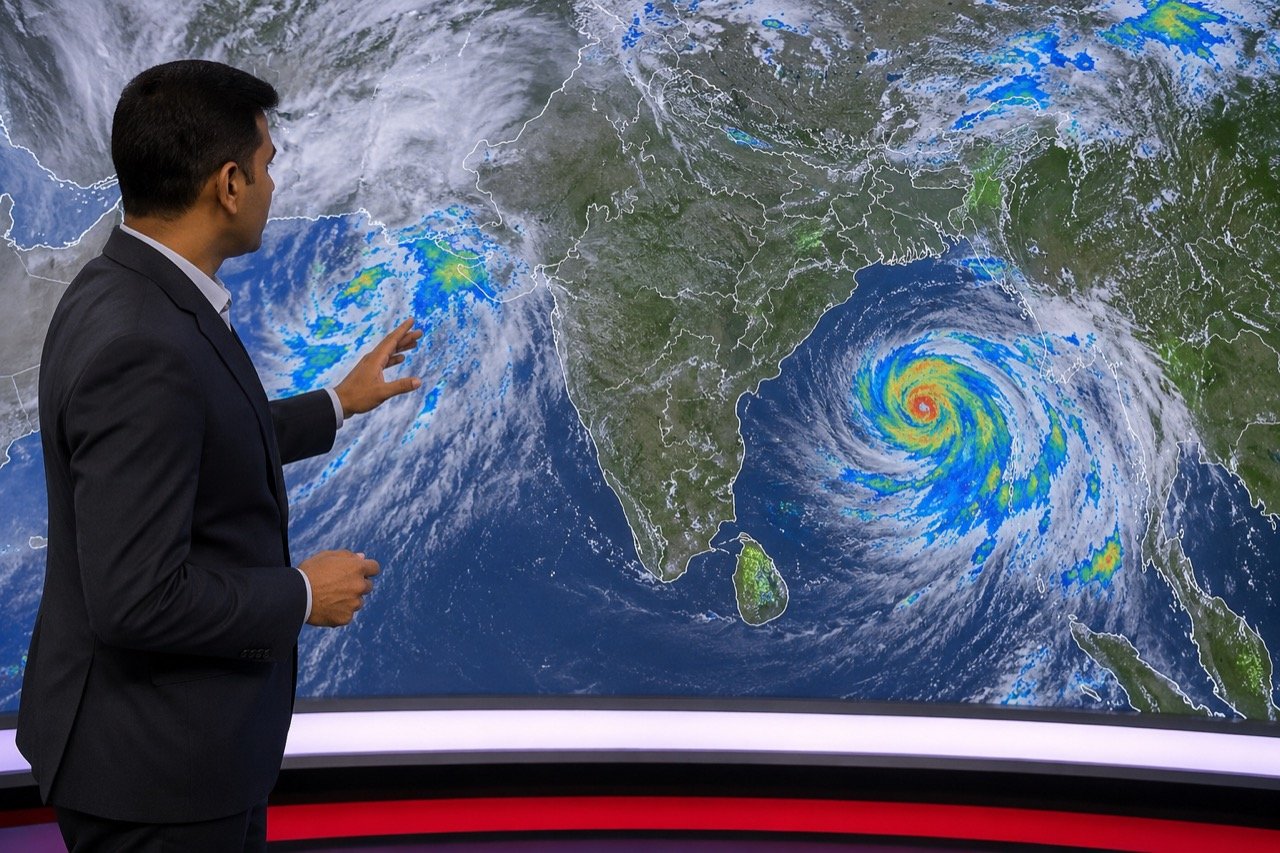
Bay of Bengal Low Pressure System Revives Monsoon Over Western India
A low-pressure system over the Bay of Bengal has pushed the monsoon back into an active phase, bringing steady heavy rain to Kerala, coastal Karnataka and Maharashtra, and putting Mumbai and Pune on preparedness watch.
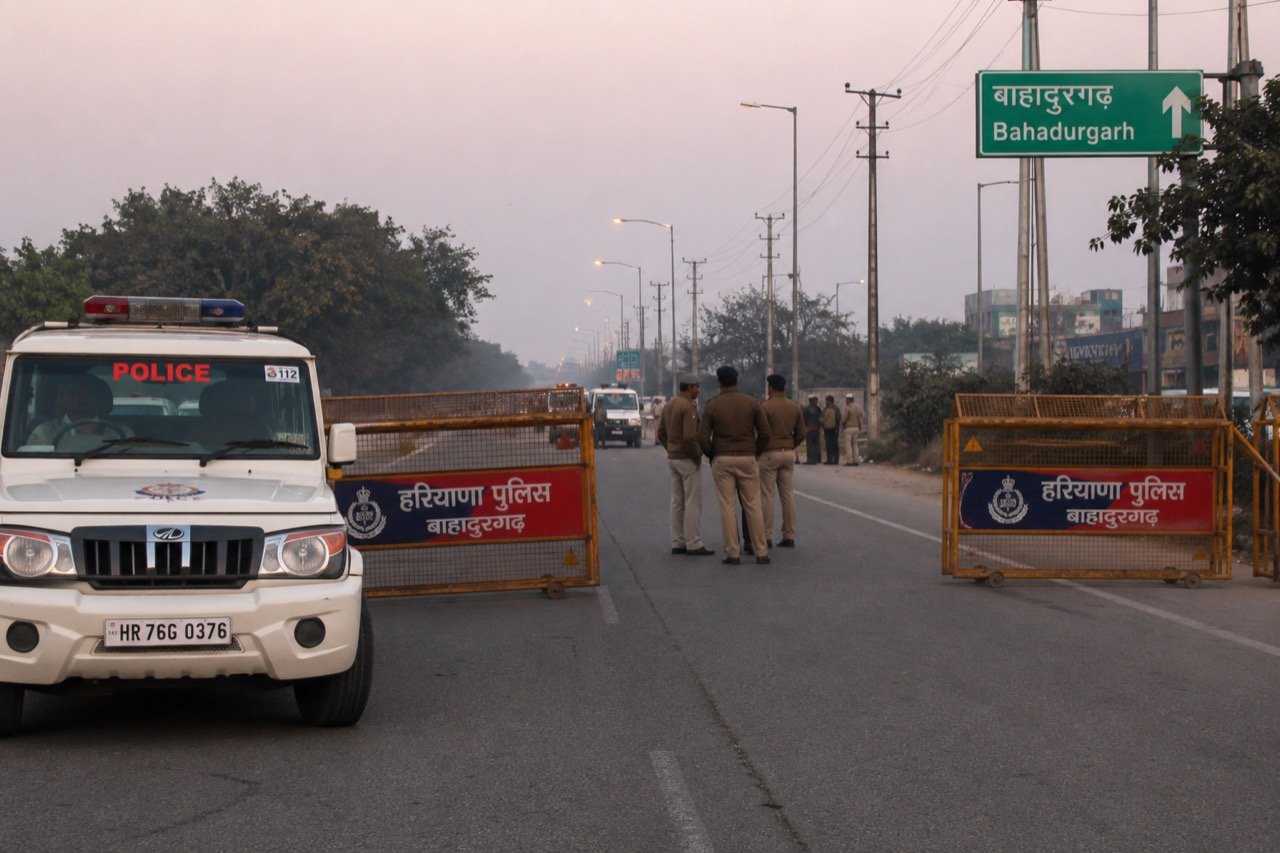
Bishnoi Gang Suspects Injured in Haryana Encounter as Police Tighten Net
A joint Haryana-Delhi Police operation in Bahadurgarh left two suspected Lawrence Bishnoi gang members injured, spotlighting the multi-state coordination now central to India's fight against organised crime networks.