Delhi Rain Alert: Monsoon Travel and Civic Readiness Under Watch
Delhi's monsoon rain watch has residents tracking weather alerts and traffic advisories, as even moderate showers test the capital's drainage, underpasses and last-mile travel networks.
Commentary & Analysis ·
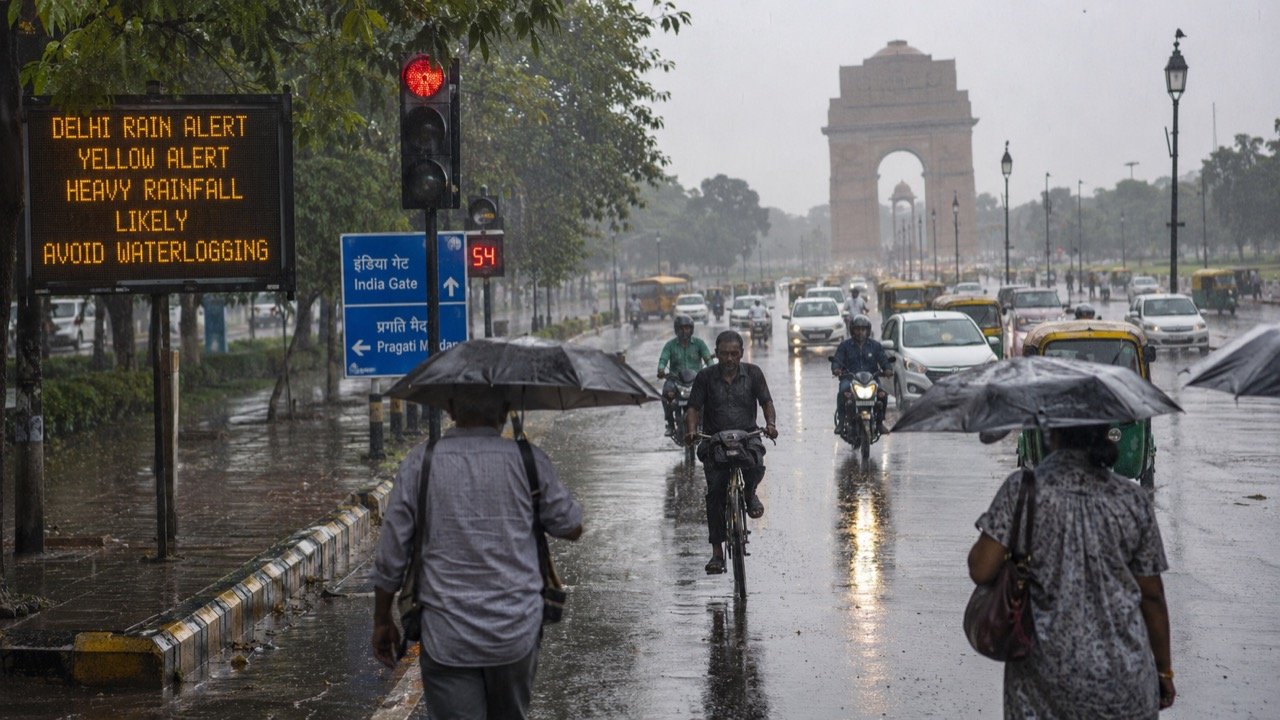
Delhi is back on rain watch, with monsoon alerts keeping commute planning, neighbourhood drainage and civic preparedness at the top of the capital's daily agenda. City coverage in recent days has flagged rain advisories and travel disruption concerns, with residents urged to check weather updates before stepping out. On the surface, this is a familiar seasonal ritual. Underneath it, however, sits a more revealing story about how a large, dense, infrastructure-heavy city copes, or fails to cope, with a predictable annual event.
Why Delhi's rain story is different
The capital's rain story is distinct from the broader national monsoon picture because it is really a story about urban systems rather than meteorology. Across much of India, monsoon coverage tends to focus on rainfall totals, agricultural impact and reservoir levels. In Delhi, the conversation shifts almost entirely to what happens when water meets concrete, drains, underpasses and traffic signals. In Delhi, even moderate to heavy showers can snarl traffic, flood underpasses, expose familiar waterlogging points and complicate last-mile travel for millions of commuters. This is not a function of unusually extreme rainfall; it is a function of how the city's drainage and road infrastructure interacts with rainfall that, in many other contexts, would be considered unremarkable.
That distinction matters because it reframes the story from a weather event to an infrastructure and governance event. A city that floods under moderate rain is telling residents something about the state of its drains, its underpasses and its maintenance cycles, not just about the intensity of a particular cloudburst. Understanding the story this way also changes what counts as a reasonable response. If the problem were simply extreme, unpredictable rainfall, the appropriate response might be limited to advisories and emergency response. But if the problem is that ordinary rainfall regularly overwhelms known weak points, the appropriate response has to include long-term fixes to those weak points, not just repeated short-term warnings.
What residents should do
The practical playbook for residents is straightforward, and it has not changed much from previous monsoon seasons. Follow official weather and traffic advisories, avoid flooded stretches and underpasses, and build extra time into journeys on alert days. For school runs, office commutes and airport trips alike, the difference between a delay and a crisis is usually a route checked in advance. This individual-level caution is sensible and, in the absence of major infrastructural change, remains the most reliable tool residents have to protect themselves from the worst disruptions.
But there is a limit to what personal planning can achieve. Checking a weather advisory can help a commuter avoid a specific underpass on a specific morning; it cannot prevent that underpass from flooding in the first place, and it cannot substitute for the civic maintenance that would keep it dry. The burden of adaptation, in other words, currently falls disproportionately on individual citizens who are asked to route around a problem that public agencies are responsible for solving. This asymmetry is worth naming plainly: residents are effectively managing the consequences of infrastructure gaps they did not create and cannot fix on their own.
The test for civic agencies
For Delhi's civic bodies, every rain alert functions as a kind of public examination. Agencies are judged on how quickly drains are cleared, how fast waterlogging complaints are addressed, and how clearly risks are communicated to residents. These are reasonable metrics because they are the levers civic agencies actually control. Rainfall itself is beyond anyone's control; drain-clearing schedules, complaint-response times and the clarity of public communication are not.
The city's known chokepoints are mapped year after year, which is itself a telling detail. This is not a case of an unpredictable new problem catching officials off guard each season. The locations that flood are, for the most part, the same locations that flooded the year before, and the year before that. The question each monsoon is therefore not "where will it flood," which is already well understood, but whether that accumulated, repeated knowledge translates into faster, more durable response on the ground. When the same underpasses appear on the same lists year after year, it suggests that diagnosis has outpaced action, and that the gap between knowing a problem and fixing it has become the real story.
Why repetition matters more than severity
There is a meaningful difference between a city that is occasionally overwhelmed by an unprecedented weather event and a city where the same problems recur predictably every year. The former is a story about resilience under extreme stress. The latter is a story about whether routine maintenance and planning cycles are functioning as intended. Delhi's pattern, based on the recurring nature of its chokepoints, looks closer to the second category. That has implications for how the public should evaluate official responses. Advisories asking residents to be cautious are appropriate for genuinely unpredictable events. When the same locations flood annually despite being well mapped, advisories start to look less like precaution and more like a substitute for the harder work of fixing drainage infrastructure at those specific points.
This pattern also affects public trust over time. Residents who see the same underpass flood for several consecutive monsoons are likely to become more skeptical of official reassurances, even when those reassurances are sincerely offered. Repeated failure at the same points erodes confidence not just in the drainage system itself, but in the broader civic apparatus responsible for maintaining it. That erosion of trust is a cost that does not show up in flood-damage estimates but is nonetheless real and cumulative.
The NE Times View
Delhi's monsoon problem is not a forecasting problem, the alerts arrive on time. It is an accountability problem: the same underpasses drown every year, and the same assurances follow. The city would gain more from a public, ward-level scorecard of drain-clearing and waterlogging response times than from another round of advisories asking citizens to adjust. Such a scorecard would shift the focus of public attention from the weather, which no one can control, to the maintenance record, which agencies can be held to.
Residents are doing their part by planning around the rain; civic agencies should be held to the same standard of preparation. A ward-level scorecard would also allow comparisons across the city, showing which local bodies are keeping pace with known chokepoints and which are falling behind, rather than treating Delhi's flooding as a single undifferentiated citywide problem. Until then, every alert is less a warning about weather than a reminder of deferred maintenance. The test of a functioning city is not whether it can issue timely warnings, but whether it can eventually make those warnings unnecessary at the locations it has known about for years.
Key takeaways
- Delhi's monsoon disruption is driven primarily by urban drainage and infrastructure gaps rather than unusually extreme rainfall.
- Residents are advised to follow official advisories, avoid known flooded stretches and underpasses, and build extra travel time on alert days.
- Civic agencies are judged on drain-clearing speed, waterlogging complaint response, and clarity of risk communication, the levers they actually control.
- The recurrence of the same chokepoints every year suggests a gap between known risk and effective action, not a lack of forecasting.
- The NE Times View calls for a public, ward-level scorecard of drain-clearing and response times to hold civic agencies to the same standard of preparation expected of residents.
You may also like to read
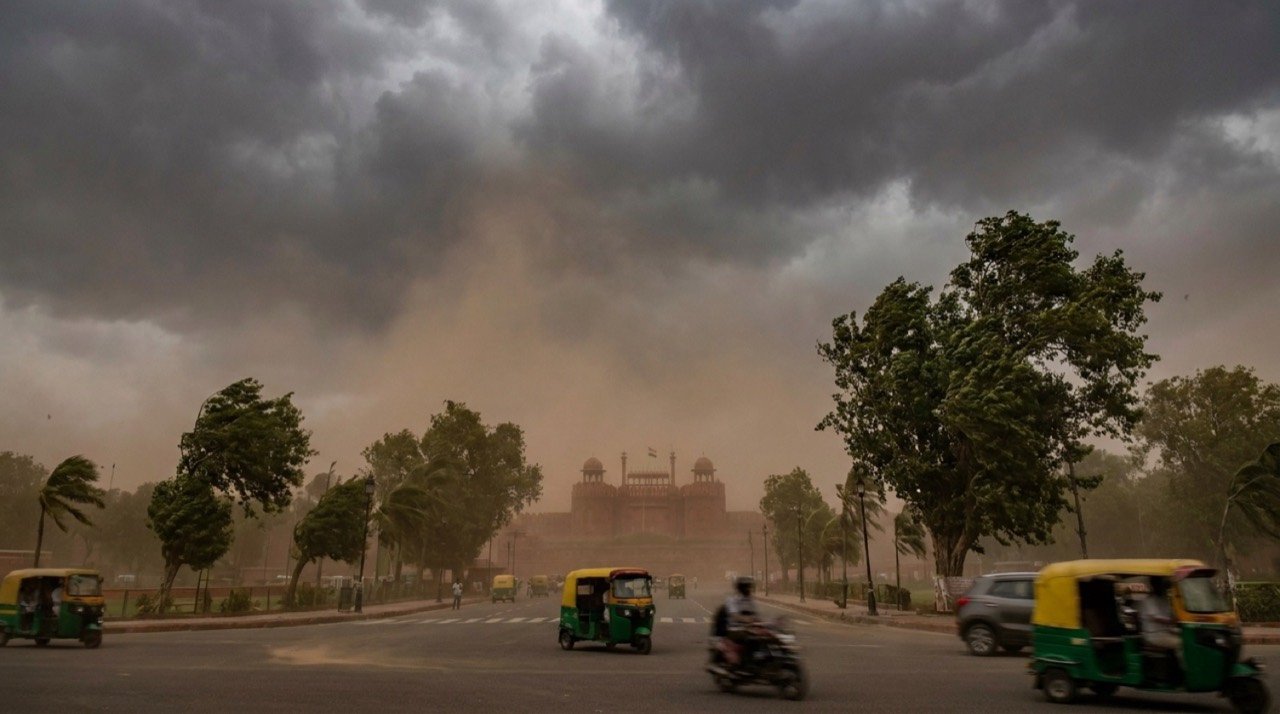
Delhi Red Alert: Dust Storms, Lightning and Rain Sweep the National Capital Region
Delhi moved under a short-term red weather alert on June 23 as dust storms, strong winds and severe thunderstorms threatened traffic, flights, power supply and outdoor safety across the National Capital Region.
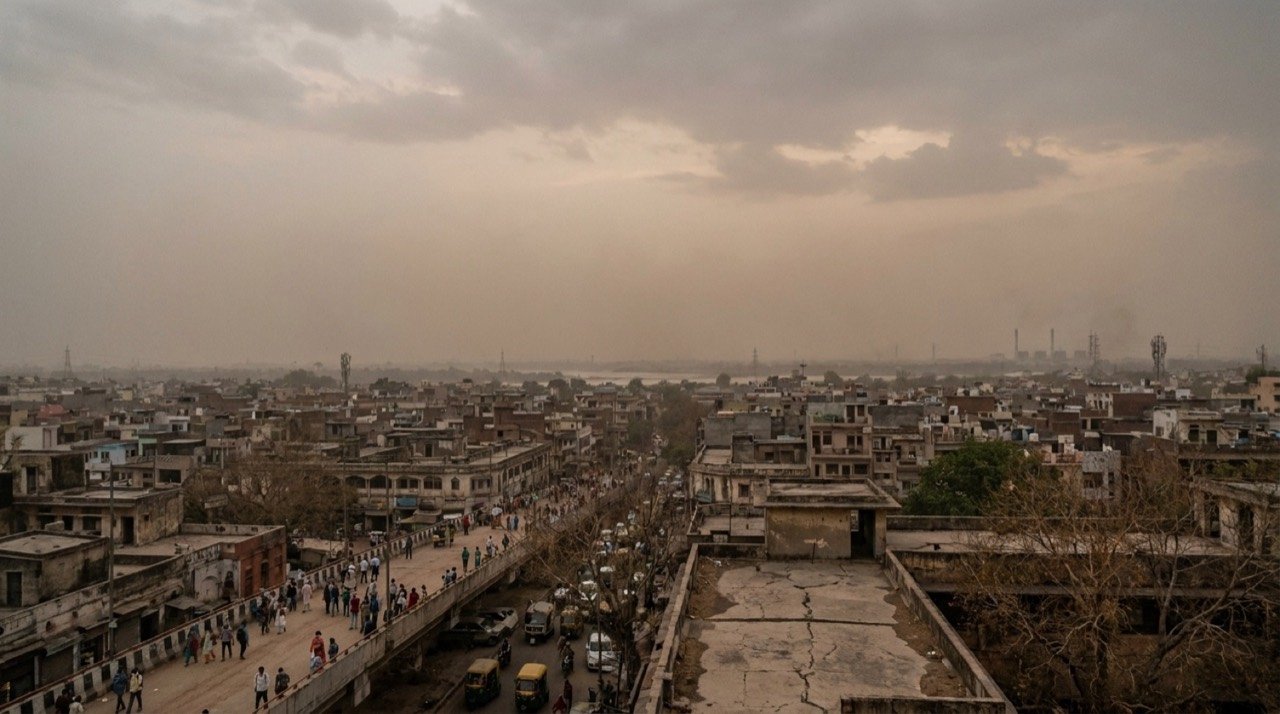
Delhi Waits for Monsoon Relief Amid Rain Deficit and Persistent AQI Watch
As June ends, Delhi faces a rainfall deficit and uncertain monsoon timing while PM2.5 and PM10 levels keep air quality in a moderate-to-poor zone, raising stakes for water, power and public health.
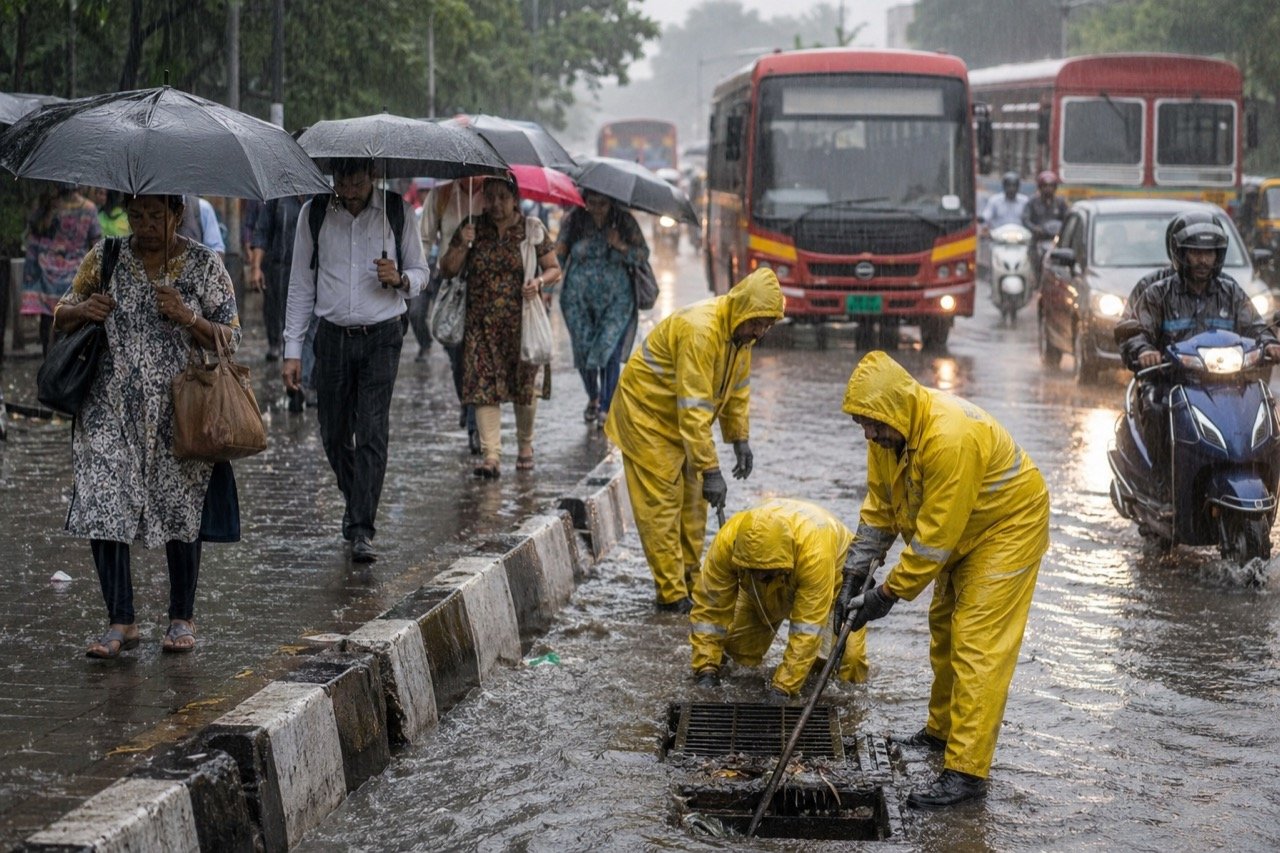
Mumbai and Thane on Alert as IMD Warns of Very Heavy Weekend Rain
The IMD has forecast heavy to very heavy rainfall with isolated extremely heavy spells over Mumbai and Thane on July 4 and 5, putting transport, drainage and emergency systems on weekend watch.
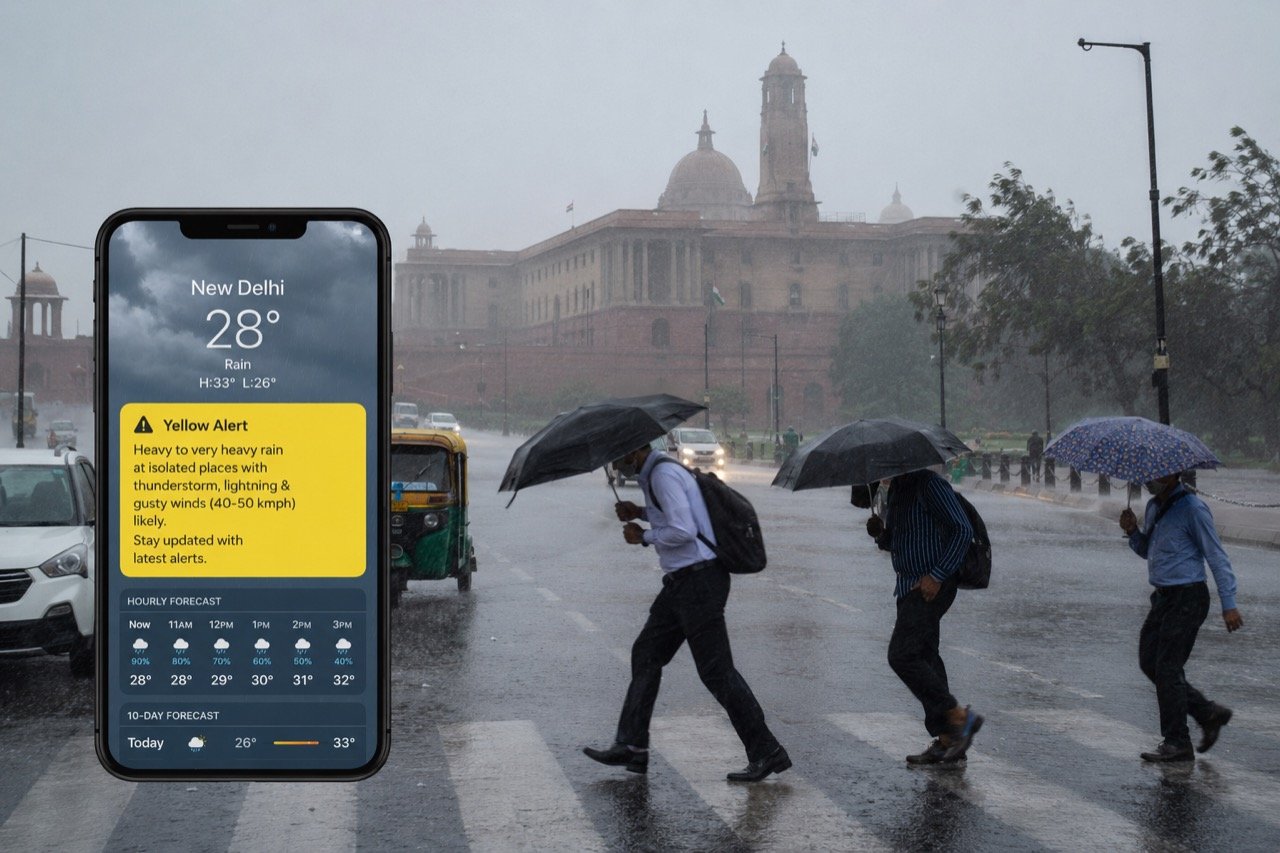
Delhi Under Yellow Alert as Monsoon Rain and Gusty Winds Arrive
Showers, thunderstorms and gusty winds swept parts of Delhi under an IMD yellow alert, ending a delayed monsoon wait, with forecasters indicating more rain could continue across the capital until July 9.
More from this section
More
AICTE Industry Fellowship 2026: Rs 1.5 Lakh Scheme Closes July 5
The AICTE Industry Fellowship Programme 2026, which places technical-education faculty inside leading companies on a Rs 1.5 lakh monthly stipend, reached its application deadline on July 5.
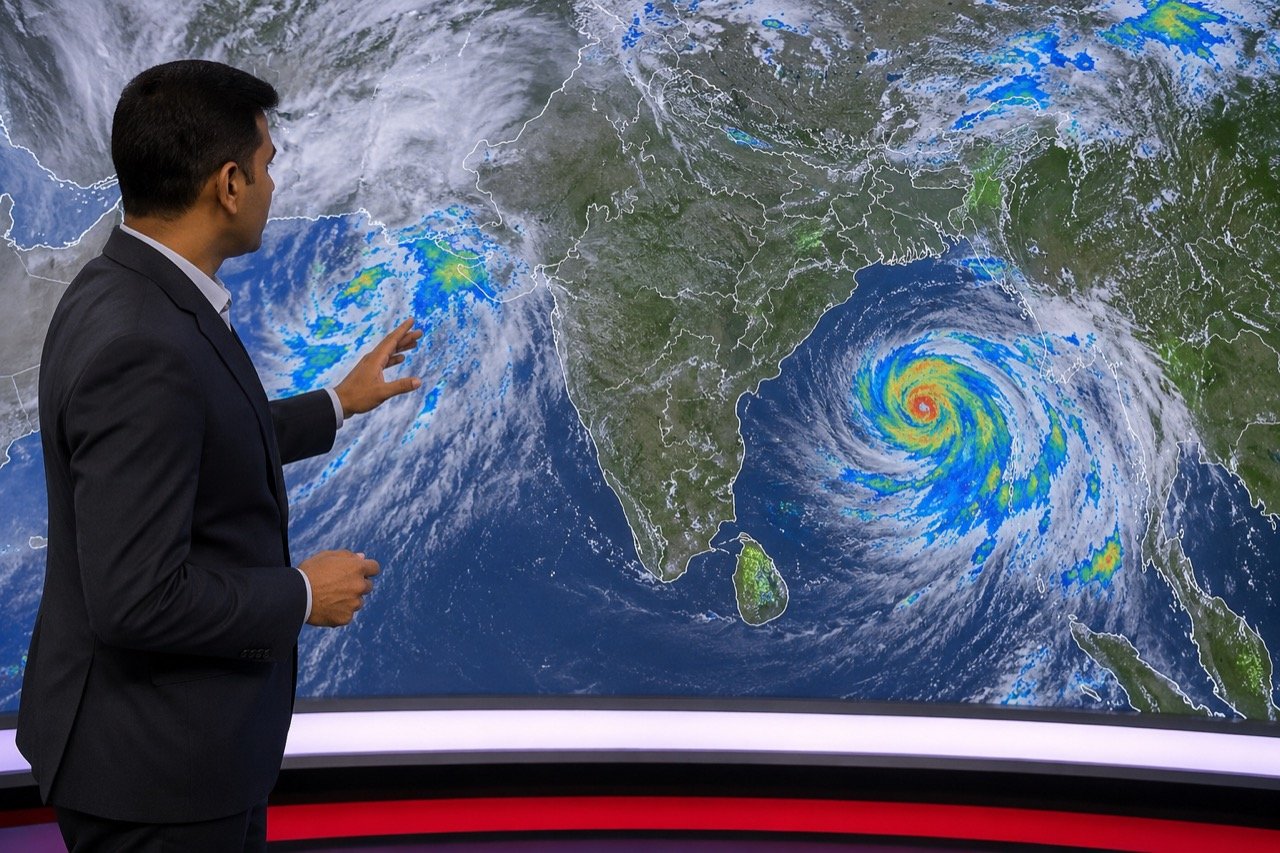
Bay of Bengal Low Pressure System Revives Monsoon Over Western India
A low-pressure system over the Bay of Bengal has pushed the monsoon back into an active phase, bringing steady heavy rain to Kerala, coastal Karnataka and Maharashtra, and putting Mumbai and Pune on preparedness watch.
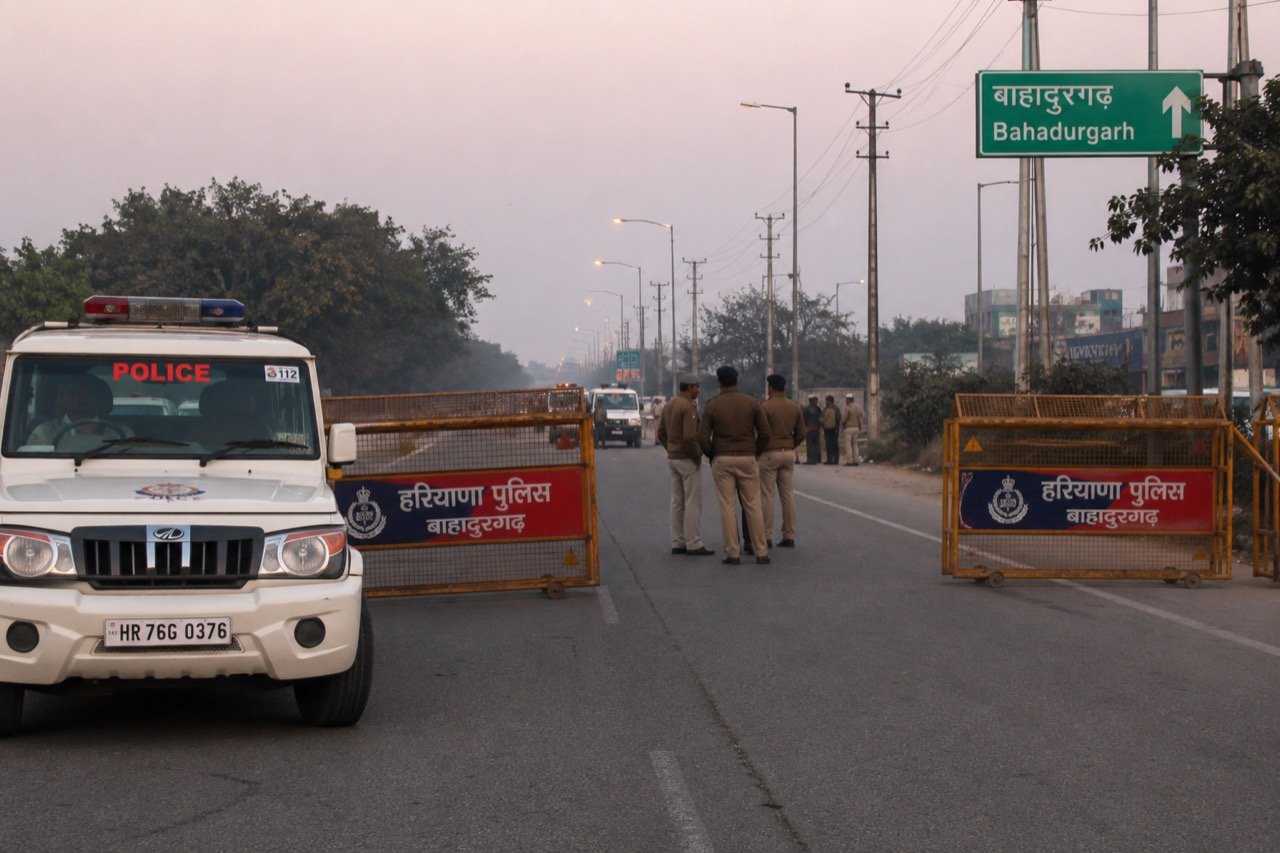
Bishnoi Gang Suspects Injured in Haryana Encounter as Police Tighten Net
A joint Haryana-Delhi Police operation in Bahadurgarh left two suspected Lawrence Bishnoi gang members injured, spotlighting the multi-state coordination now central to India's fight against organised crime networks.