Delhi Under Yellow Alert as Monsoon Rain and Gusty Winds Arrive
Showers, thunderstorms and gusty winds swept parts of Delhi under an IMD yellow alert, ending a delayed monsoon wait, with forecasters indicating more rain could continue across the capital until July 9.
Commentary & Analysis ·
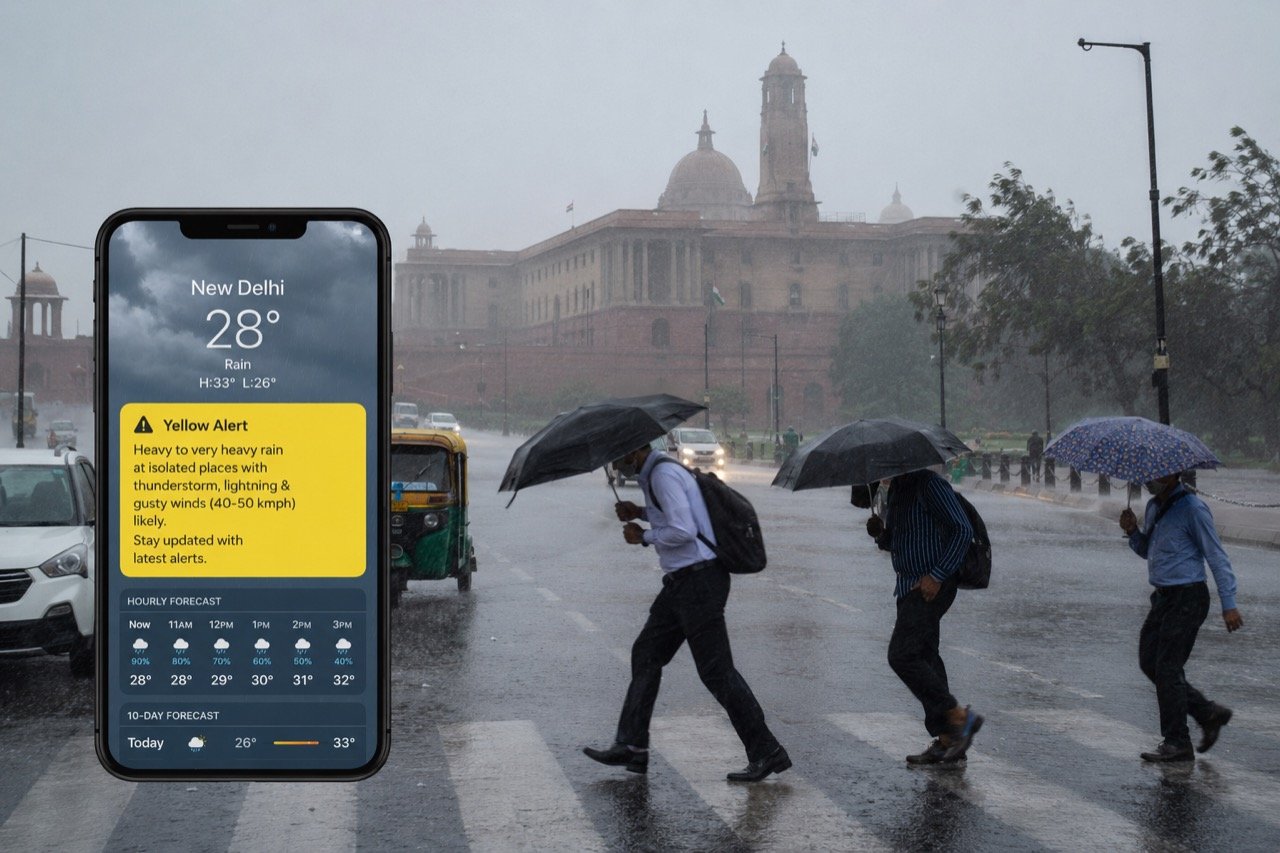
Delhi's long monsoon wait finally broke as rain swept across parts of the capital, accompanied by thunderstorms, lightning and gusty winds. The India Meteorological Department placed the city under a yellow alert, with forecasts suggesting showers could continue until July 9. For a capital that had spent weeks under heat stress waiting for the season to arrive in earnest, the first real spell of monsoon rain was both a relief and, almost immediately, a test.
What a yellow alert actually signals
A yellow alert is the mildest tier in the IMD's colour-coded warning system, and it is designed to convey caution rather than emergency. It does not, by itself, mean that authorities expect widespread damage or that residents should curtail normal activity. What it does mean is that the weather bears watching: conditions can shift quickly enough that people should stay informed rather than assume the worst is over once the first shower passes. In a city the size of Delhi, that distinction between caution and alarm matters, because an overreaction can cause as much disruption as the rain itself, while complacency can leave people unprepared for a genuine escalation.
For residents, the practical stakes of a yellow alert are immediate and unglamorous. Rain of this kind brings welcome relief from heat, but it also has a well-worn tendency to snarl traffic, waterlog low-lying roads and disrupt power supply in vulnerable neighbourhoods. None of this is new to anyone who has lived through a Delhi monsoon before, which is precisely why the alert carries weight even at its mildest level. Commuters navigating the city's arterial roads and households in flood-prone pockets have the most reason to track updates closely over the coming days, since it is these groups who bear the brunt of even moderate rainfall when drainage and traffic systems are put under strain.
Why the timing of this spell matters
The showers have arrived after a stretch of delayed monsoon conditions and heat stress in the capital, which gives this particular spell an outsized significance beyond its meteorological details. When a monsoon is late, its eventual arrival is read not just as a weather event but as a kind of civic reset — the moment the city's infrastructure, from drains to power lines, is finally tested against the conditions it is meant to be built for. Even moderate rainfall can shift air quality, temperature and commuting patterns within hours, which is why the first spells of the season tend to dominate city conversation well beyond the weather pages. There is a rhythm to how Delhi absorbs its first rains: an initial sense of relief as the heat breaks, followed swiftly by scrutiny of how the city's streets, drains and power grid respond under pressure.
This pattern is not incidental. It reflects a genuine tension between short-term comfort and medium-term inconvenience. The temperature drop and the clearing of dust and pollutants from the air are welcomed almost universally. But the same rain that cools the city also exposes, within hours, whatever gaps exist in drainage capacity or power infrastructure. That double-edged quality is part of why a seemingly routine yellow alert can command sustained public attention rather than being treated as a one-day story.
What happens next, and what to watch
The next few days will determine whether this alert escalates into something more serious or eases back into ordinary monsoon conditions. Several specific details are worth tracking closely. The first is rainfall distribution across Delhi-NCR: monsoon showers are rarely uniform, and a spell that causes only minor inconvenience in one part of the city can produce serious waterlogging in another, depending on local terrain, drainage capacity and construction activity. The second is the flow of traffic and civic advisories, which tend to multiply once the first heavy showers reveal which roads and underpasses are vulnerable this year. The third, and arguably the most consequential, is whether drainage systems cope with sustained spells of rain rather than just the isolated, one-off showers that arrived with this alert. A single burst of rain is a very different test from days of continuous or repeated showers, and it is the latter that tends to expose structural weaknesses rather than momentary ones.
These three factors are connected. Uneven rainfall distribution stresses different parts of the drainage network unevenly, civic advisories are essentially a real-time signal of where that stress is showing, and the sustained-versus-one-off question determines whether the city's infrastructure is merely inconvenienced or genuinely overwhelmed. Residents, commuters and local authorities alike will be reading the same signals over the coming days, even if they are drawing different conclusions from them.
The wider stakes for a city that waits every year
There is also a broader context worth naming plainly. Delhi's relationship with its monsoon has become almost ritualised: a season of anticipation and heat, followed by relief on arrival, followed in short order by frustration once the practical consequences of rain become visible on the ground. This is not a new observation, but it is one that bears repeating each year precisely because the underlying causes — drainage capacity, traffic management, power infrastructure — tend to persist from one monsoon to the next regardless of how much attention they receive in between. The yellow alert, then, is not simply a weather bulletin. It is also, implicitly, a marker of how much progress the city's civic agencies have made since the last monsoon season on the infrastructure upgrades that are routinely promised.
The NE Times View
Every Delhi monsoon follows the same script: relief on day one, waterlogged frustration by day three. The yellow alert is less a warning about the sky than a test of the ground — drains, traffic management and power infrastructure that are promised upgrades every year. Residents should take the caution seriously, but civic agencies should take it more seriously still. A city preparing a seven-year clean-air plan ought to be able to manage seven days of forecast rain without its arterial roads turning into canals. The measure of whether this season is different from those before it will not be found in the forecast itself, but in whether the coming week's rainfall reveals the same old vulnerabilities or something genuinely improved.
Key takeaways
- The IMD has placed Delhi under a yellow alert, with rain, thunderstorms and gusty winds forecast to continue until July 9.
- A yellow alert calls for caution and weather-awareness rather than emergency measures, but commuters and residents in flood-prone areas should monitor updates closely.
- The rain follows a delayed monsoon and a period of heat stress, making this spell a significant early test of the city's drainage, traffic and power systems.
- Key indicators to watch include rainfall distribution across Delhi-NCR, civic and traffic advisories, and whether infrastructure holds up under sustained rain rather than isolated showers.
- The real test of this monsoon season lies not in the forecast but in whether the city's long-promised civic upgrades hold up under it.
You may also like to read
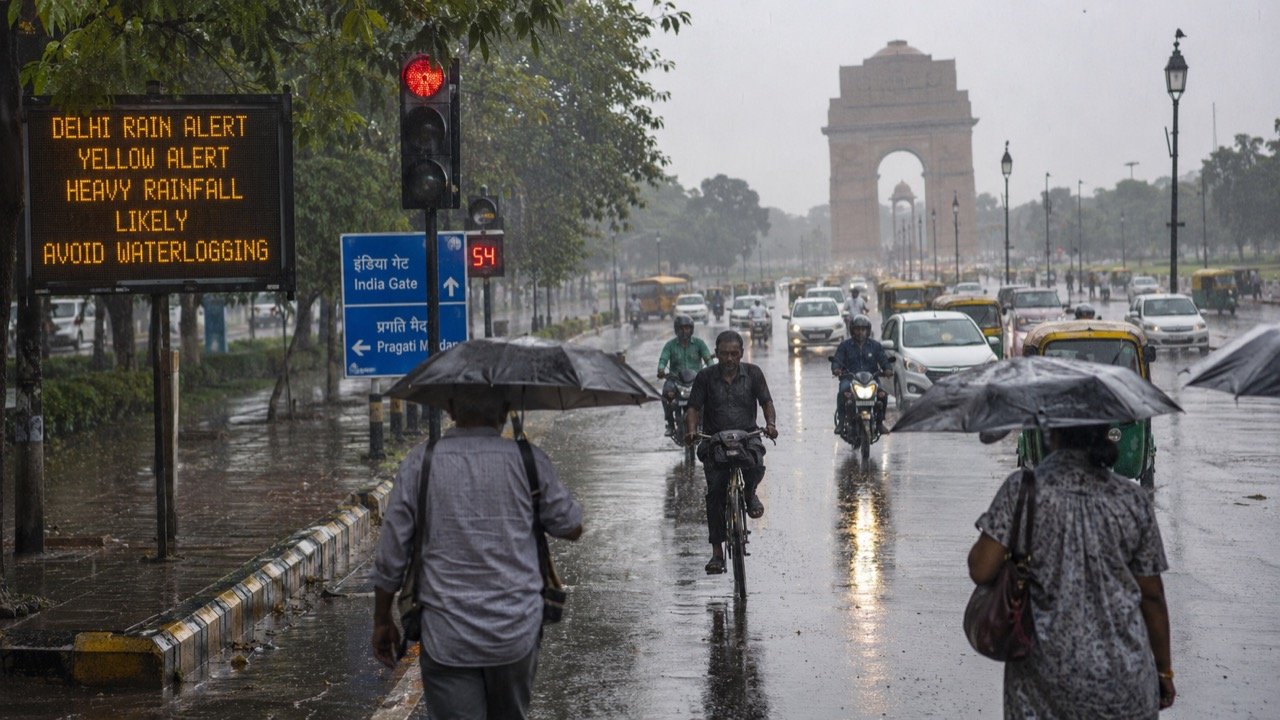
Delhi Rain Alert: Monsoon Travel and Civic Readiness Under Watch
Delhi's monsoon rain watch has residents tracking weather alerts and traffic advisories, as even moderate showers test the capital's drainage, underpasses and last-mile travel networks.
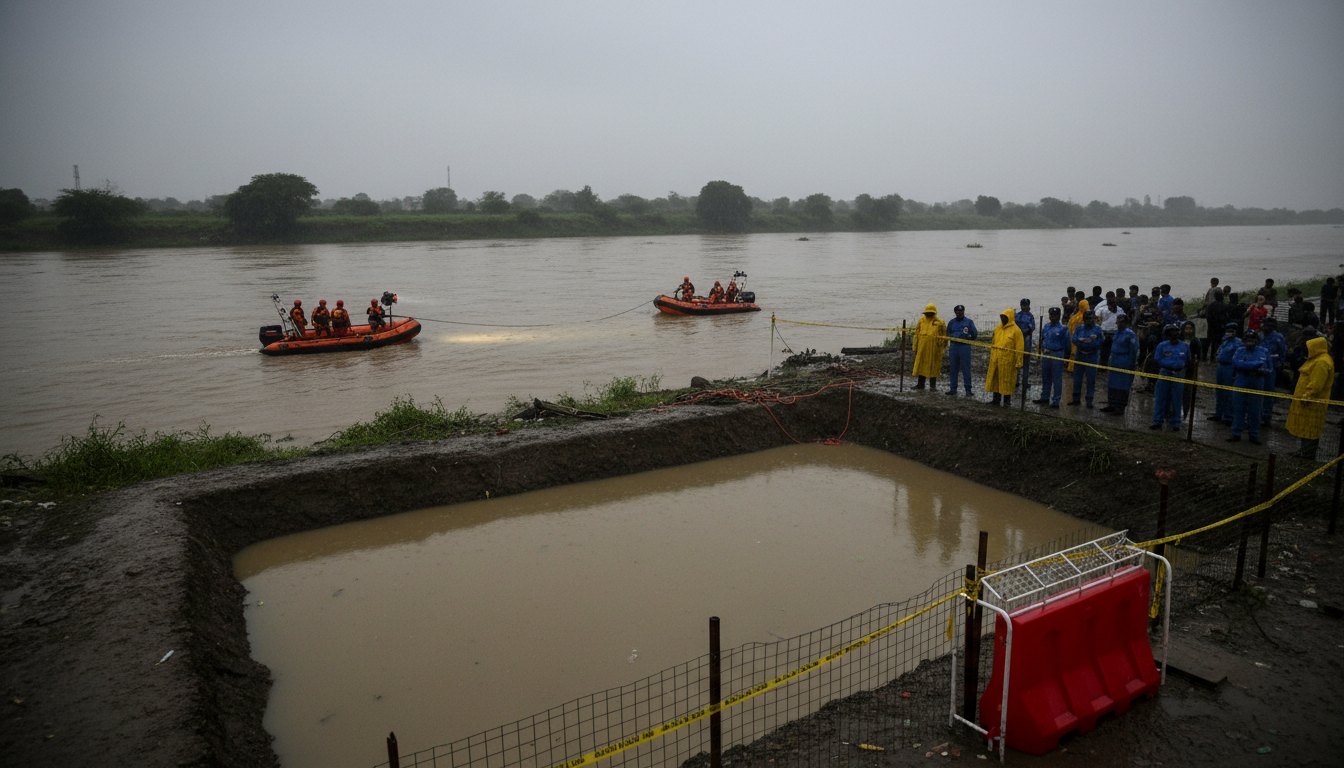
Delhi Monsoon Tragedy: Two Children Drown in Rain-Filled Pit as Search Continues for Four Missing in Yamuna
Separate incidents in Outer North Delhi show how ordinary neighbourhood spaces and riverbanks can turn lethal during the monsoon.
Delhi Weather: Warmest July Day in Two Years, Orange Rain Alert Next
Delhi's maximum temperature climbed to 38.6 degrees Celsius on Sunday, its warmest July day in two years, even as the IMD issued an orange alert for moderate rain on Monday.
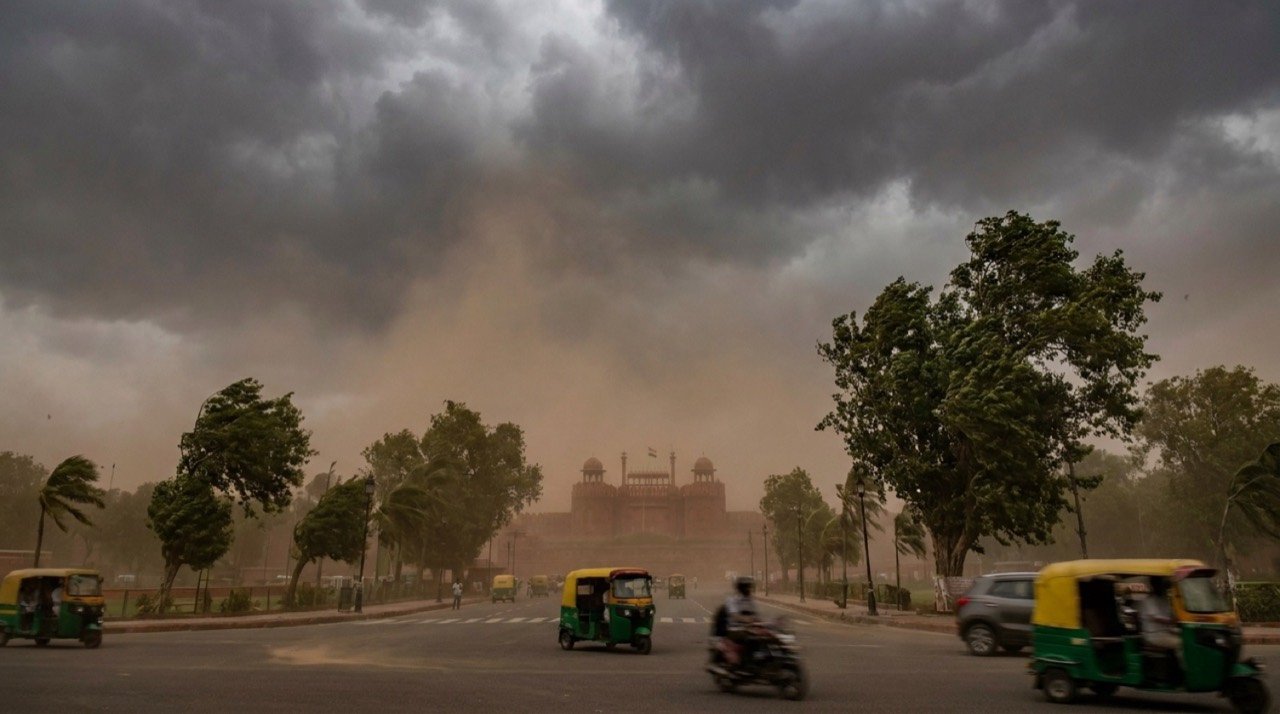
Delhi Red Alert: Dust Storms, Lightning and Rain Sweep the National Capital Region
Delhi moved under a short-term red weather alert on June 23 as dust storms, strong winds and severe thunderstorms threatened traffic, flights, power supply and outdoor safety across the National Capital Region.
More from this section
More
AICTE Industry Fellowship 2026: Rs 1.5 Lakh Scheme Closes July 5
The AICTE Industry Fellowship Programme 2026, which places technical-education faculty inside leading companies on a Rs 1.5 lakh monthly stipend, reached its application deadline on July 5.
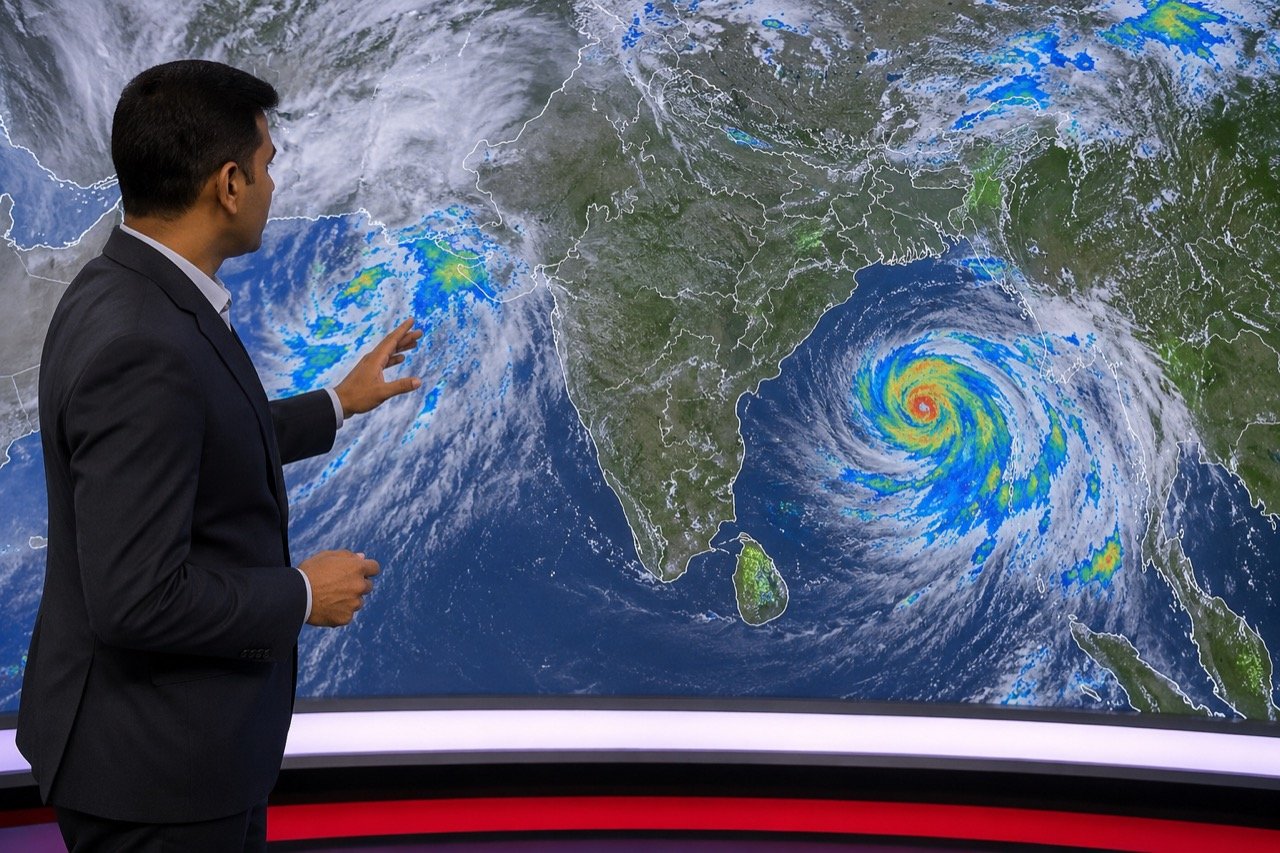
Bay of Bengal Low Pressure System Revives Monsoon Over Western India
A low-pressure system over the Bay of Bengal has pushed the monsoon back into an active phase, bringing steady heavy rain to Kerala, coastal Karnataka and Maharashtra, and putting Mumbai and Pune on preparedness watch.
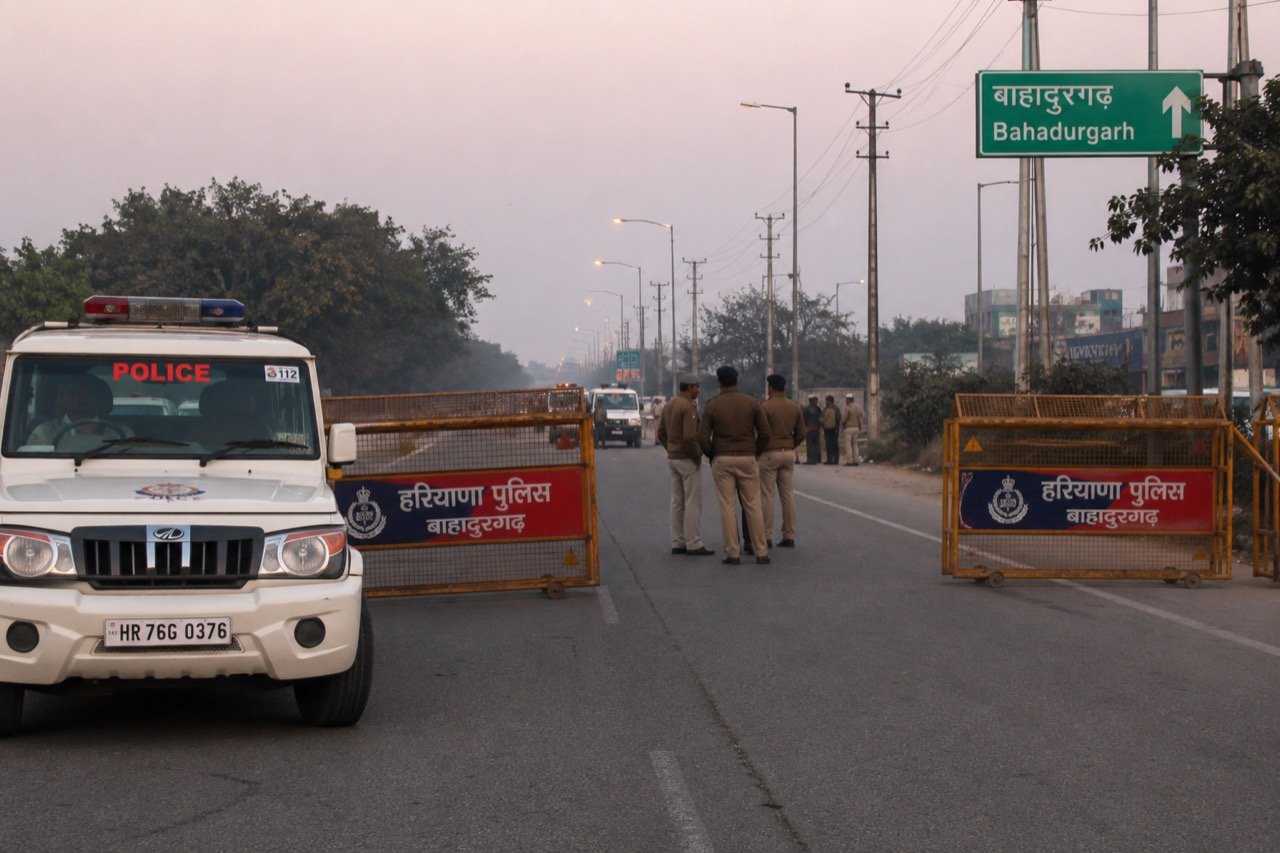
Bishnoi Gang Suspects Injured in Haryana Encounter as Police Tighten Net
A joint Haryana-Delhi Police operation in Bahadurgarh left two suspected Lawrence Bishnoi gang members injured, spotlighting the multi-state coordination now central to India's fight against organised crime networks.