Delhi Red Alert: Dust Storms, Lightning and Rain Sweep the National Capital Region
Delhi moved under a short-term red weather alert on June 23 as dust storms, strong winds and severe thunderstorms threatened traffic, flights, power supply and outdoor safety across the National Capital Region.
Commentary & Analysis ·
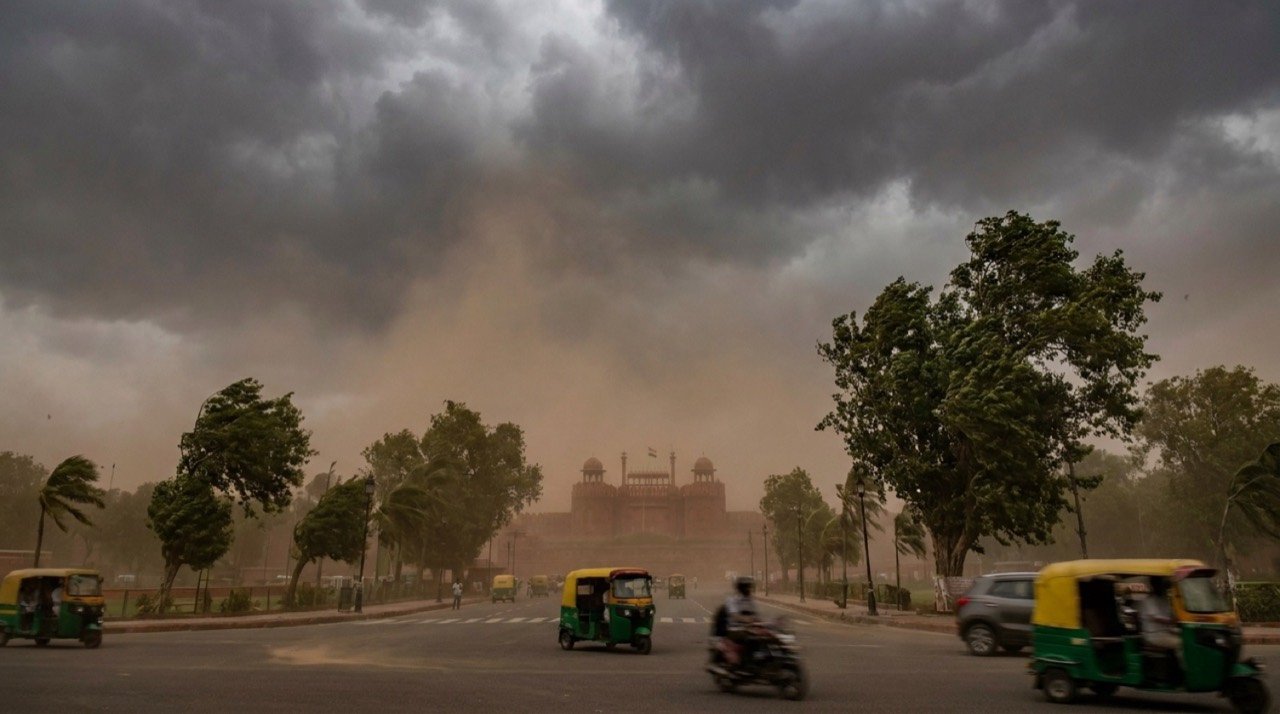
Delhi was placed under a short-term red weather alert on June 23 as dust storms and strong gusts swept across the National Capital Region, with the weather office warning of severe thunderstorms, lightning and intense rain. The alert arrived during a volatile monsoon transition, when conditions can shift within minutes from oppressive heat and dust to driving rain and dangerously low visibility. Public agencies urged residents to stay cautious as the afternoon sky darkened and winds picked up across the city and its suburbs.
A Sudden Turn in the Monsoon Transition
The episode unfolded after days of searing heat and dust that left the region primed for an abrupt change. Pre-monsoon and early-monsoon weather over the Indo-Gangetic plain is notoriously unstable, with convective storms building rapidly in the afternoon and collapsing into squalls, lightning and short, heavy downpours. Forecasters described exactly this pattern, with strong surface winds lifting dust ahead of the rain and cutting visibility on arterial roads.
For a megacity of more than 30 million people across the NCR, even a few hours of such weather carries outsized consequences. Sudden squalls can topple hoardings and trees, while rapid rainfall overwhelms drains that were already stressed by heat-cracked roads and accumulated dust.
Disruption Risks Across the City
Authorities flagged the familiar chain of urban risks that accompanies severe weather in Delhi: snarled traffic, delayed and diverted flights, localised power outages and waterlogging on key corridors. Lightning posed the most immediate danger to anyone caught outdoors, alongside the threat of falling branches and loose structures dislodged by high winds.
The warning also touched air quality. After a prolonged spell of dust and heat, a dust storm can briefly worsen particulate readings before rain helps clear the air, leaving residents with a short window of poor conditions to navigate.
Why Hyperlocal Warnings Matter
The red alert underscored a wider lesson about urban resilience: in a city this size, hyperlocal, time-bound warnings are as important as the broad seasonal forecast. A short, sharp burst of weather can disrupt commuting, slow emergency response and strain power infrastructure, making precise, neighbourhood-level alerts essential for both residents and civic agencies.
- Avoid sheltering under trees, hoardings or temporary structures during lightning and squalls.
- Expect traffic delays and possible flight diversions; allow extra travel time.
- Stay clear of waterlogged underpasses and low-lying stretches prone to flooding.
- Keep electronic devices charged in case of localised power cuts.
- Follow official weather updates rather than unverified social media forecasts.
“A few hours of intense weather can affect commuting, emergency response and air quality after days of heat and dust.”
— Civic safety advisory, National Capital Region
As the monsoon settles in over northern India, meteorologists expect more such short-lived but disruptive episodes, with the heaviest impact falling on the evening commute and outdoor workers. The immediate outlook calls for caution through the day, with conditions likely to ease once the squall line passes and steadier rain replaces the volatile storm activity. For Delhi, the alert was a timely reminder that the season's first heavy weather often arrives without much warning.
The NE Times View
Another red alert, another scramble, and the predictability is the problem. Delhi's vulnerability to dust storms and sudden squalls is now an annual fixture, yet the NCR's infrastructure, power lines, drainage, flight operations, still buckles each time. Early warnings save lives only if matched by resilient systems. The capital cannot keep treating extreme weather as a surprise when it has become a season; preparedness, not just alerts, is what residents deserve.
This article is original commentary and analysis by The NE Times. Background facts were referenced from The Indian Express and the Press Trust of India.
You may also like to read
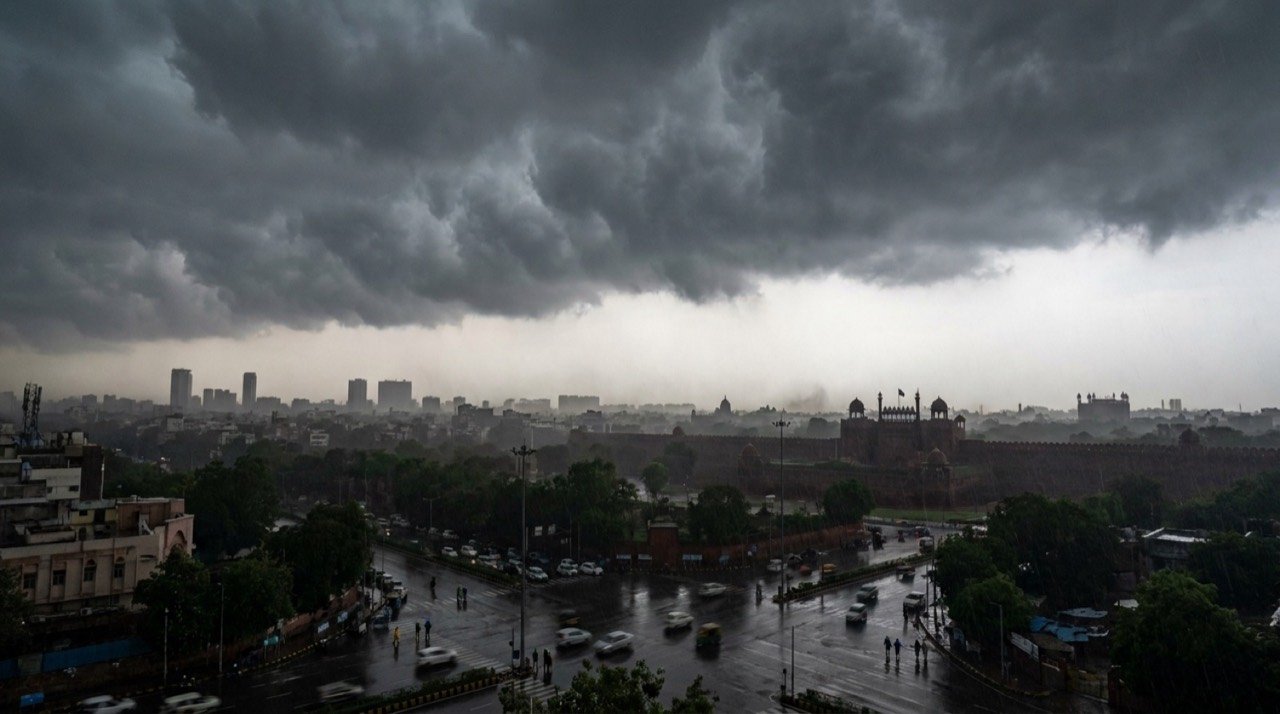
Delhi-NCR Weather Alert: Thunderstorms, Lightning and Strong Winds Forecast Across Capital Region
The India Meteorological Department has placed Delhi-NCR under a heightened weather watch, warning of thunderstorms, lightning, gusty winds and rain that could disrupt traffic, flights and power supply.
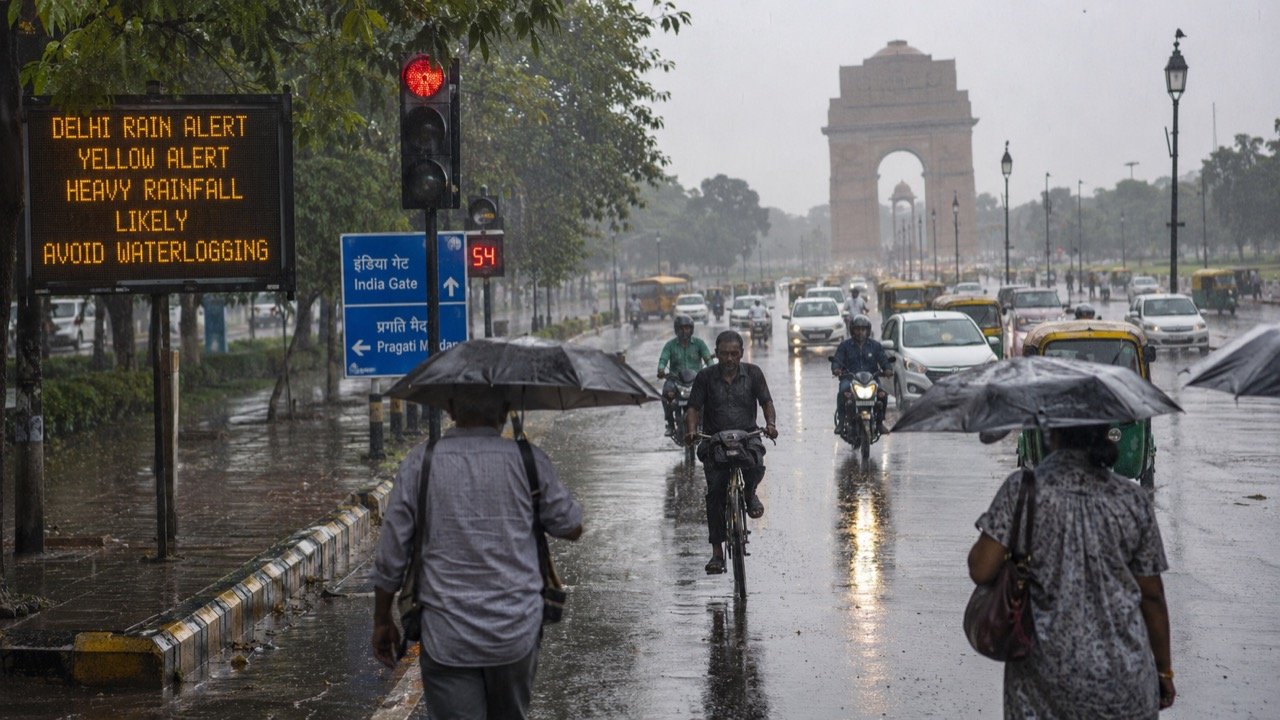
Delhi Rain Alert: Monsoon Travel and Civic Readiness Under Watch
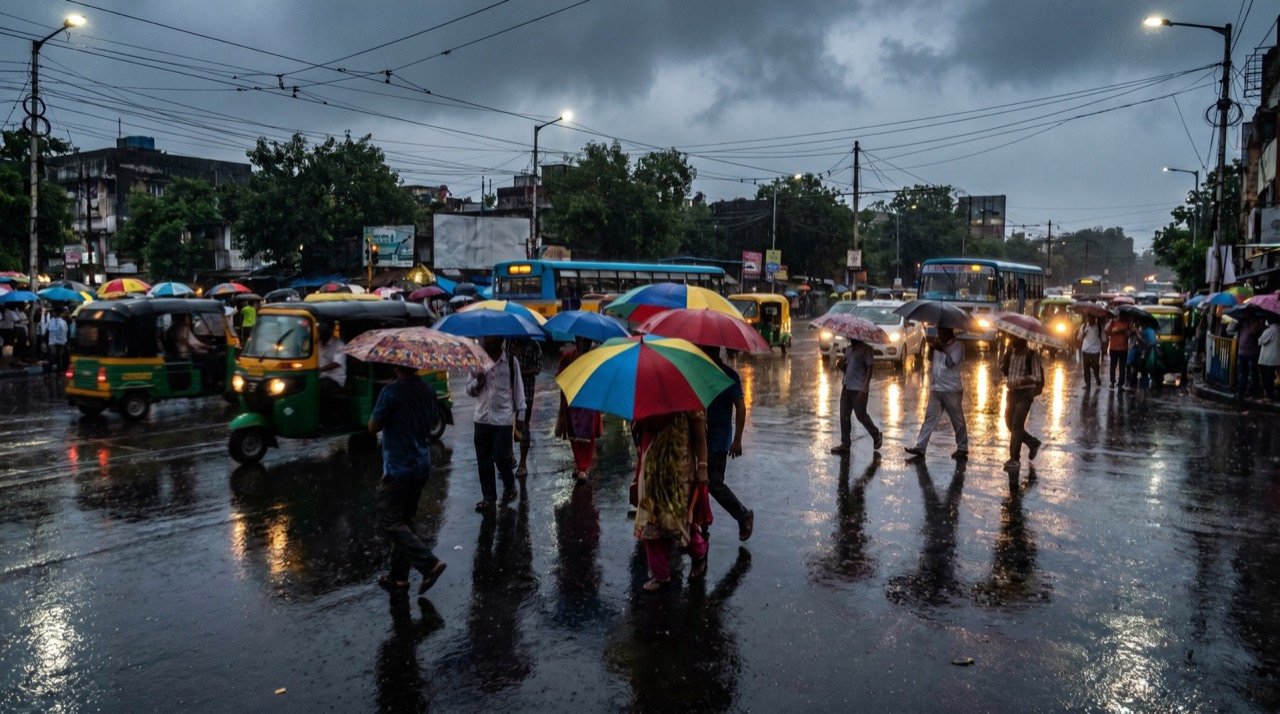
Delhi's monsoon rain watch has residents tracking weather alerts and traffic advisories, as even moderate showers test the capital's drainage, underpasses and last-mile travel networks.
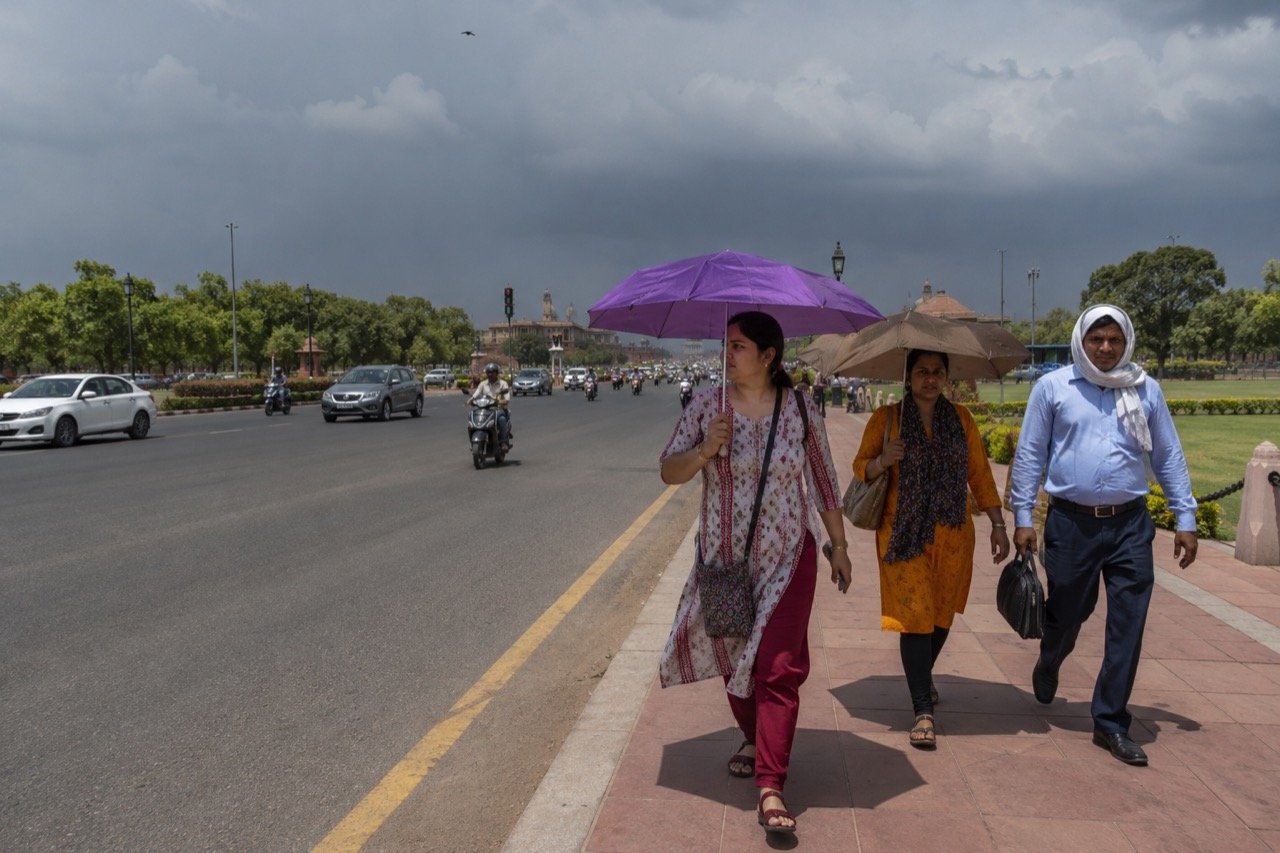
Delhi's Monsoon Wait Stretches On as IMD Flags Slow Advance
The India Meteorological Department says the southwest monsoon is unlikely to reach Delhi over the next five days, prolonging heat stress in the capital even as Mumbai is drenched by intense showers.
Rain Brings Relief to Delhi-NCR After an Early, Intense Heat Season
Recent rainfall has pulled Delhi's temperatures below normal in mid-June, offering relief after a year marked by an unusually early and severe heatwave across northern India.
More from this section
More
AICTE Industry Fellowship 2026: Rs 1.5 Lakh Scheme Closes July 5
The AICTE Industry Fellowship Programme 2026, which places technical-education faculty inside leading companies on a Rs 1.5 lakh monthly stipend, reached its application deadline on July 5.
Bay of Bengal Low Pressure System Revives Monsoon Over Western India
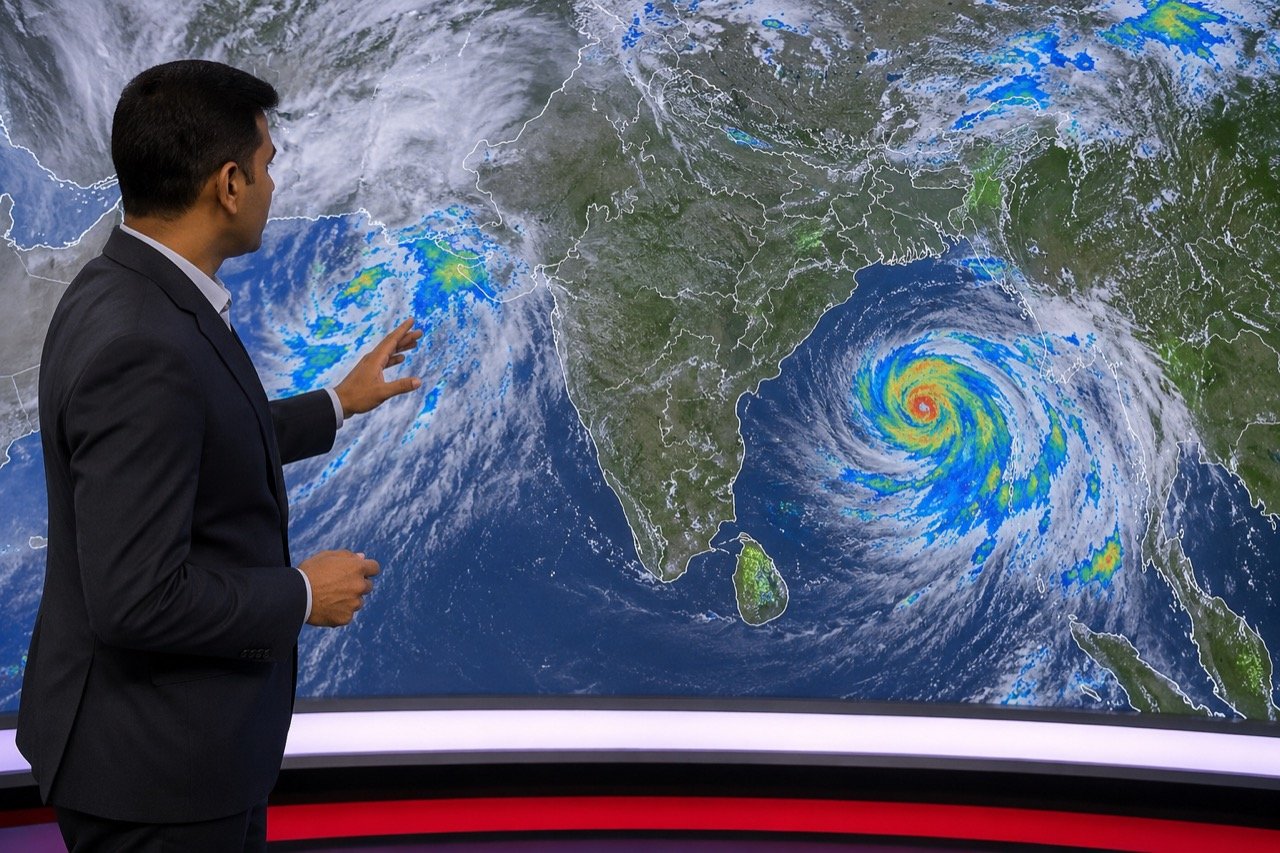
A low-pressure system over the Bay of Bengal has pushed the monsoon back into an active phase, bringing steady heavy rain to Kerala, coastal Karnataka and Maharashtra, and putting Mumbai and Pune on preparedness watch.
Bishnoi Gang Suspects Injured in Haryana Encounter as Police Tighten Net
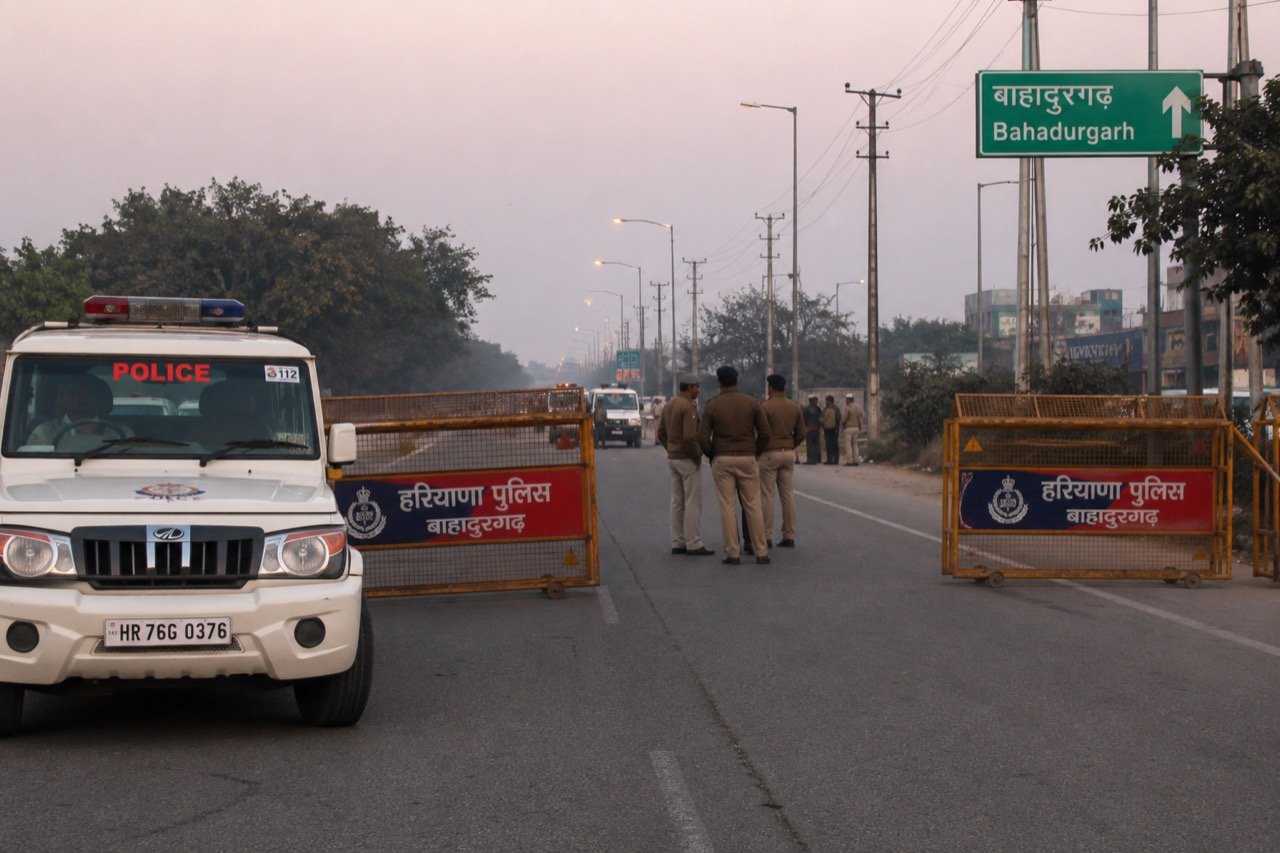
A joint Haryana-Delhi Police operation in Bahadurgarh left two suspected Lawrence Bishnoi gang members injured, spotlighting the multi-state coordination now central to India's fight against organised crime networks.