Delhi's Monsoon Wait Stretches On as IMD Flags Slow Advance
The India Meteorological Department says the southwest monsoon is unlikely to reach Delhi over the next five days, prolonging heat stress in the capital even as Mumbai is drenched by intense showers.
Commentary & Analysis ·
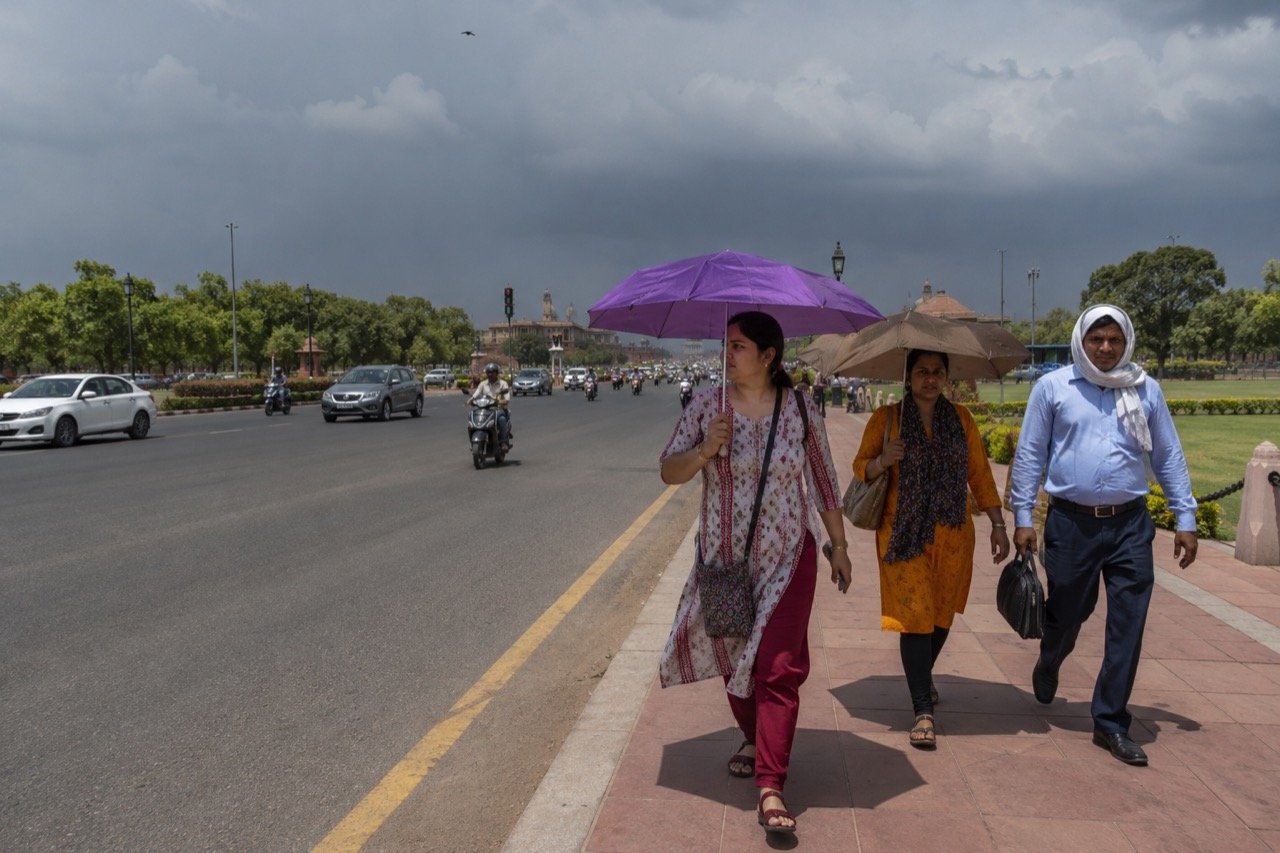
Delhi's wait for the southwest monsoon is set to stretch on, with the India Meteorological Department indicating that the rains are unlikely to reach the national capital over the next five days. The forecast lands hard in a city already coping with heat stress, where residents have been scanning the skies for relief. For a metropolis of Delhi's size and density, a five-day extension is not a trivial inconvenience. It is a compounding delay layered on top of weeks of pre-monsoon heat, and it arrives at a moment when the capital's infrastructure and public health systems are already operating close to their seasonal limits.
Why monsoon timing matters beyond comfort
Monsoon timing is about far more than comfort. It shapes water demand, power load, air quality, road conditions and public-health planning. Each of these systems in Delhi is calibrated, implicitly or explicitly, around an expected onset window. When that window slips, the assumptions built into water rationing schedules, electricity load forecasts and hospital staffing plans slip along with it. A delayed onset keeps temperatures elevated and extends the strain on households, outdoor workers and city services alike. The effect is cumulative rather than linear: a single hot day is manageable, but a fortnight of sustained heat waiting on rain that has not arrived compounds fatigue, water stress and energy consumption in ways that are harder to reverse once they set in.
For households, the immediate consequence is a longer stretch of high electricity bills as air conditioning and cooling appliances run for extended hours. For the power grid, it means peak demand periods persisting beyond the point at which planners typically expect relief. For water utilities, it means tanker services and groundwater extraction continue under pressure rather than tapering off as monsoon recharge begins. None of these pressures are new to Delhi, but each additional day of delay stretches the margin for error across systems that were already operating with little slack.
A tale of two cities
The IMD's slow-advance warning also underscores how uneven India's monsoon can be. One region may be lashed by heavy rain while another waits for the system to inch forward. That contrast is on full display this week, with Mumbai's suburbs recording intense showers even as Delhi's onset remains pending. This divergence is a useful reminder that the monsoon is not a single national event arriving on a uniform timetable, but a system that advances unevenly across the subcontinent, shaped by local geography, wind patterns and pressure systems. A city watching another region already drenched in rain can easily read that as a sign its own relief is imminent, when in fact the two may be governed by entirely different dynamics.
This unevenness has practical implications for how national coverage of the monsoon is read and acted upon. Images of flooded streets in one city can create a misleading sense of nationwide arrival, even as another major population centre continues to swelter under a rainless sky. For planners and residents alike, the lesson is to treat monsoon progress as a regional, staggered phenomenon rather than a single date on a calendar.
The waiting period as opportunity
For city authorities, the waiting period is an opportunity rather than a lull — a window to clear drains, rehearse traffic responses and issue public advisories before the first major spells arrive. This distinction matters because the temptation, understandably, is to treat a delayed monsoon purely as bad news: more heat, more discomfort, more strain. But the same delay that extends hardship also extends the time available for preparation. Drains that have not yet been overwhelmed by the first heavy spell can still be cleared. Traffic management plans that have not yet been tested by flash flooding can still be rehearsed. Public advisories that have not yet needed to be issued urgently can still be drafted and distributed calmly.
Whether that opportunity is used productively is a separate question from whether it exists. A forecasting window is only as valuable as the administrative response it triggers. If the five-day lead time simply passes without corresponding action on the ground, the eventual arrival of the rains will expose the same vulnerabilities that a well-used window could have addressed in advance.
What residents should watch
For residents, it is a reminder to track official forecasts rather than assume that cloudy skies guarantee sustained rain. Pre-monsoon weather in north India is often characterised by brief spells of cloud cover, dust storms or isolated showers that can look, superficially, like the start of the season proper. Relying on such visual cues rather than official IMD guidance risks residents making decisions — about travel, about outdoor work, about water storage — based on a false sense of imminent relief. For now, the message from the IMD is simple: the monsoon is not expected in the capital for several days, and the situation remains weather-dependent, best followed through official updates.
This also has implications for outdoor workers, who bear the sharpest edge of any delay. Construction labourers, delivery workers, street vendors and others who cannot retreat indoors during the hottest hours are the first to feel the cost of an extended pre-monsoon period. For this group, official advisories are not simply informational but can directly inform decisions about when to seek shade, hydrate or pause work — decisions that carry real health consequences when heat stress is prolonged.
The NE Times View
Delhi's delayed monsoon is a stress test the capital should not waste. Every extra day of heat exposes the gaps in the city's cooling and water arrangements — from outdoor workers without shade breaks to colonies rationing tanker supplies — and those gaps will only widen as onset dates grow more erratic. The productive response is to treat the IMD's five-day horizon as lead time: pre-position drainage crews, audit power capacity for the humid weeks ahead, and communicate ward by ward. India's weather agency is getting better at telling cities what is coming; the harder question is whether cities are getting better at listening.
The uneven picture between Delhi and Mumbai this week is itself a small illustration of a larger truth: forecasting has improved considerably, but the translation of forecasts into coordinated municipal action remains inconsistent. A five-day warning is a genuinely useful planning instrument only if it is treated as such by every agency with a stake in the outcome — water boards, power distribution companies, traffic police and public health authorities alike. The test of this waiting period will not be how accurately the IMD called the delay, but how visibly less strained the capital is once the rains finally do arrive.
Key takeaways
- The IMD has flagged that the monsoon is unlikely to reach Delhi for the next five days, extending the capital's exposure to pre-monsoon heat stress.
- Monsoon timing affects water demand, power load, air quality, road conditions and public-health planning, making a delayed onset a multi-system strain rather than a single-issue inconvenience.
- India's monsoon advances unevenly across regions, as shown by Mumbai's suburbs recording heavy showers while Delhi continues to wait.
- The delay offers city authorities a practical window to clear drains, rehearse traffic responses and issue advisories ahead of the first major spells.
- Residents, particularly outdoor workers, are advised to rely on official IMD updates rather than assume cloudy skies signal sustained rain.
You may also like to read
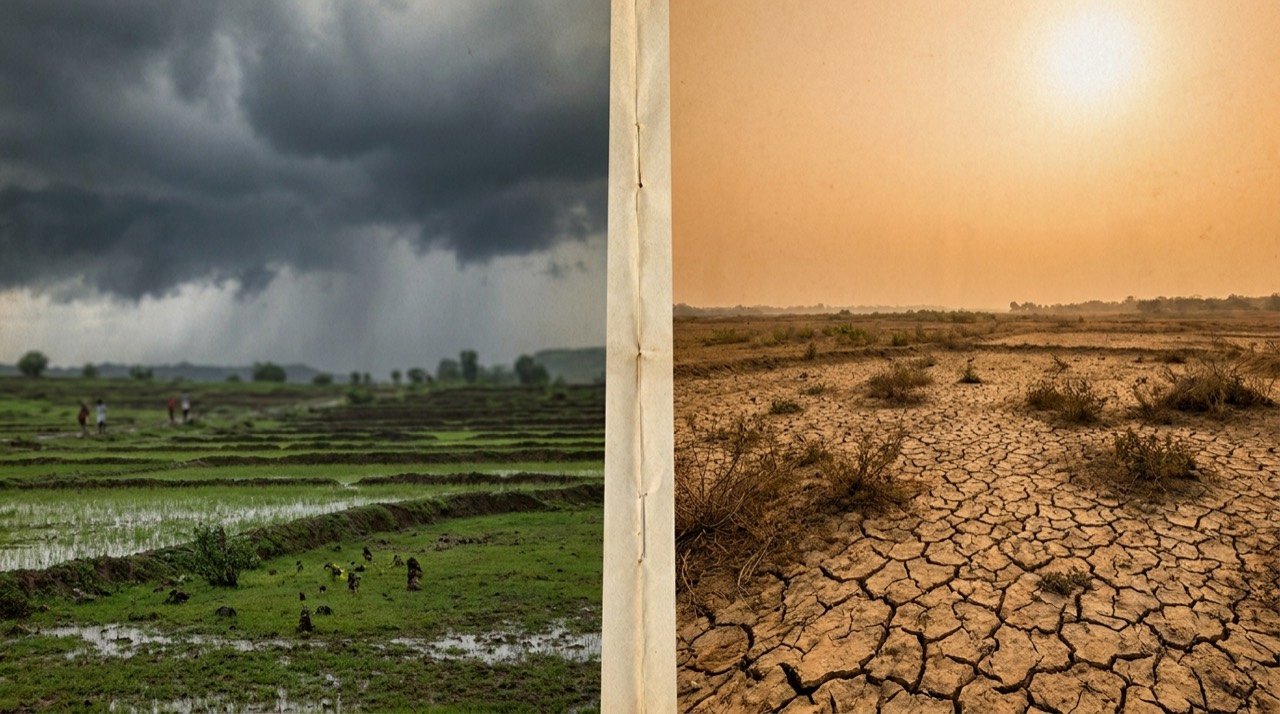
Monsoon Surges Into Central India as Heatwave Grips the East: A Split Weather Map
The India Meteorological Department reported the monsoon advancing into Gujarat and central India on 24 June even as severe heat scorched the east, leaving the country under a sharply divided weather pattern.
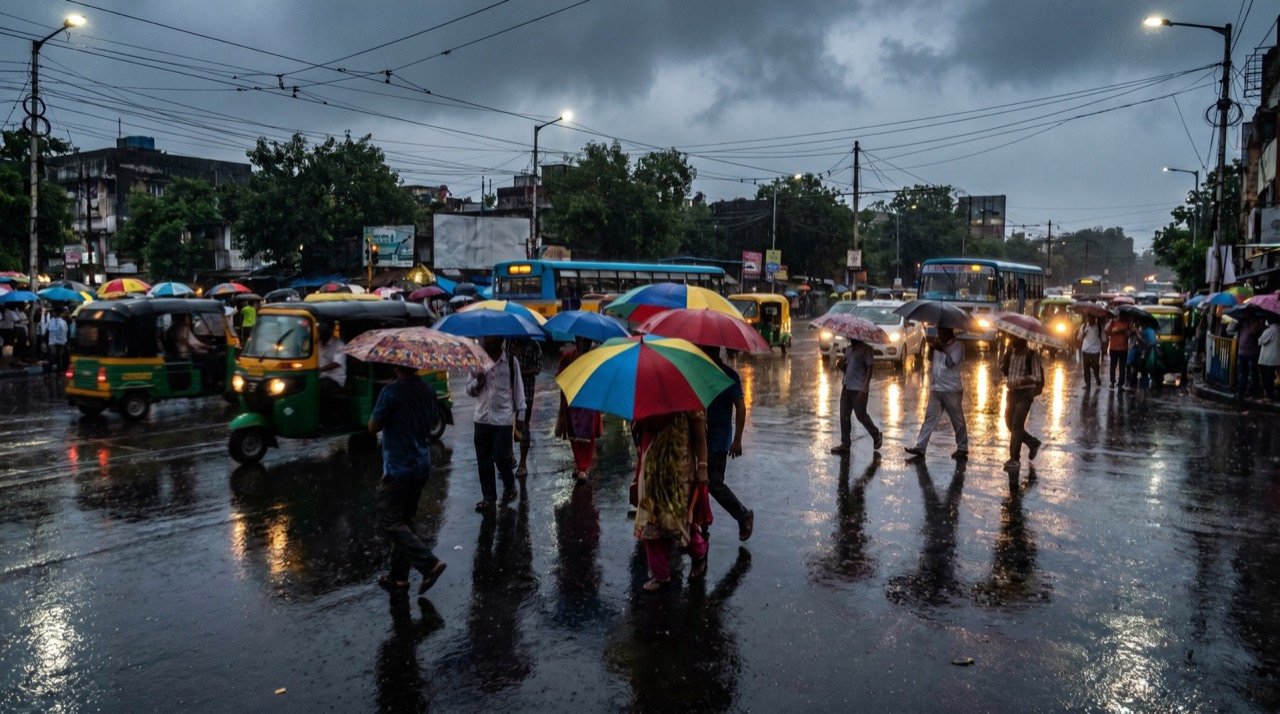
Rain Brings Relief to Delhi-NCR After an Early, Intense Heat Season
Recent rainfall has pulled Delhi's temperatures below normal in mid-June, offering relief after a year marked by an unusually early and severe heatwave across northern India.
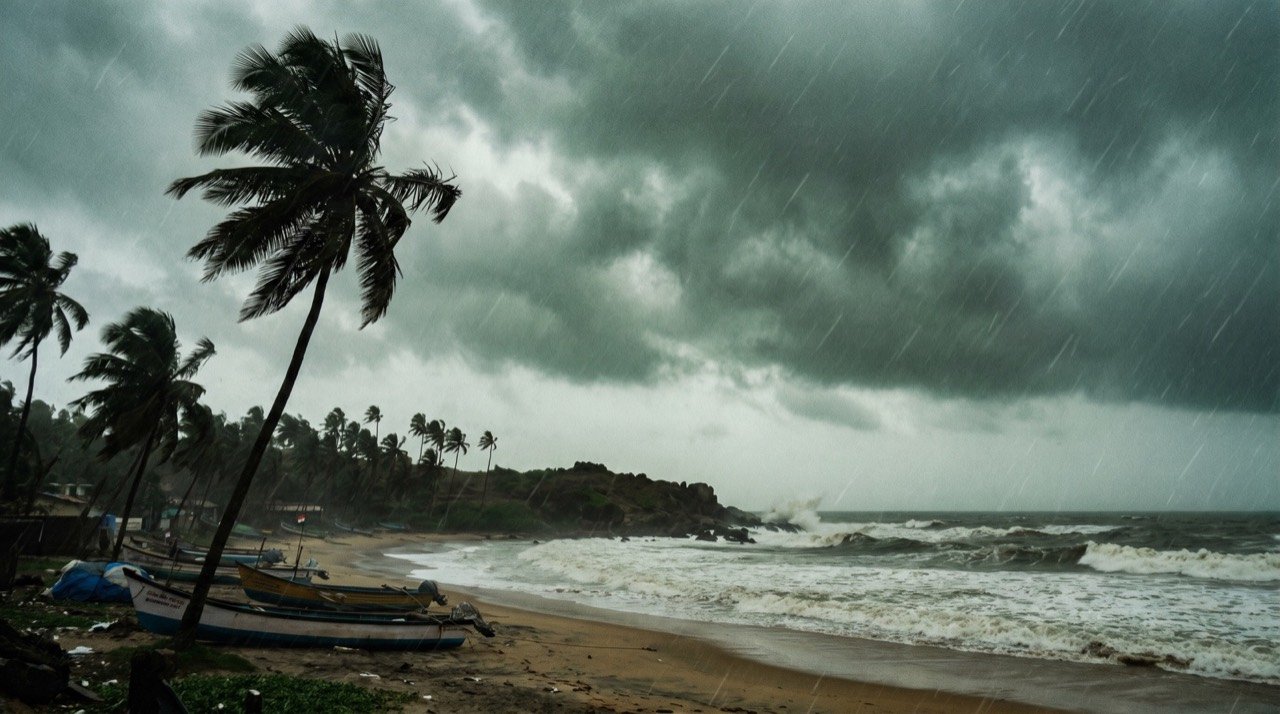
Monsoon Spreads Across South and East India as IMD Tracks Advance
The southwest monsoon, which arrived early over Kerala in late May, has advanced across much of southern and eastern India through early-to-mid June, though cumulative June rainfall has run below normal.
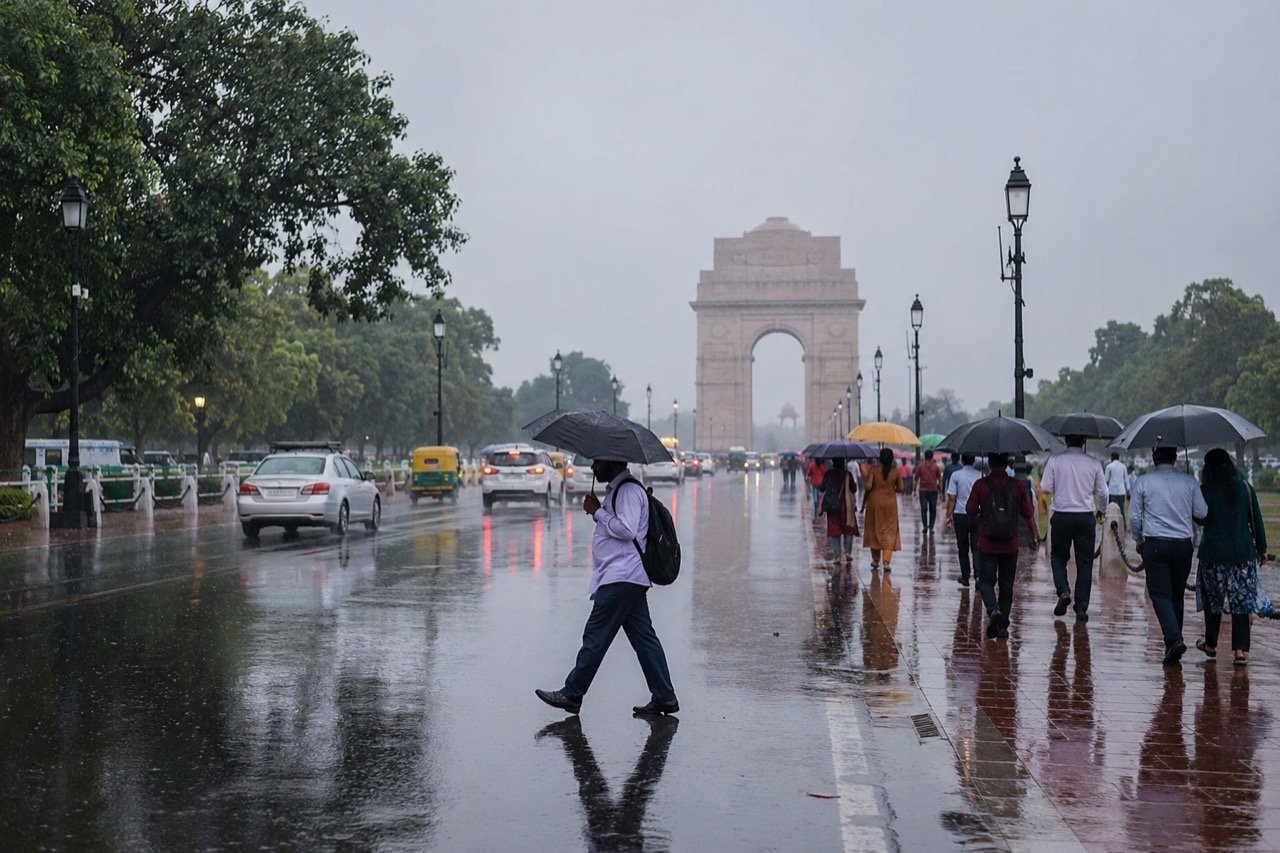
Delhi Weather: Warmest July Day in Two Years, Orange Rain Alert Next
Delhi's maximum temperature climbed to 38.6 degrees Celsius on Sunday, its warmest July day in two years, even as the IMD issued an orange alert for moderate rain on Monday.
More from this section
More
AICTE Industry Fellowship 2026: Rs 1.5 Lakh Scheme Closes July 5
The AICTE Industry Fellowship Programme 2026, which places technical-education faculty inside leading companies on a Rs 1.5 lakh monthly stipend, reached its application deadline on July 5.
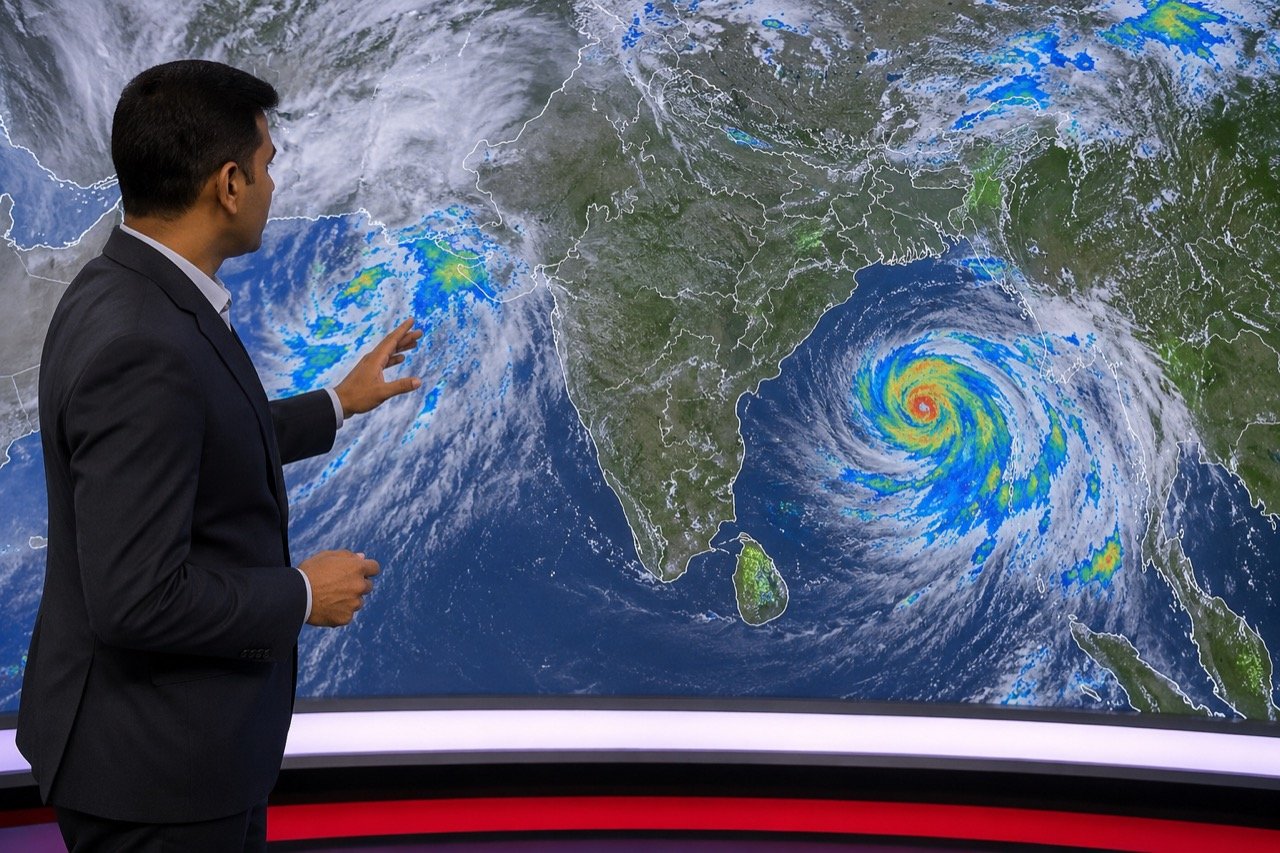
Bay of Bengal Low Pressure System Revives Monsoon Over Western India
A low-pressure system over the Bay of Bengal has pushed the monsoon back into an active phase, bringing steady heavy rain to Kerala, coastal Karnataka and Maharashtra, and putting Mumbai and Pune on preparedness watch.
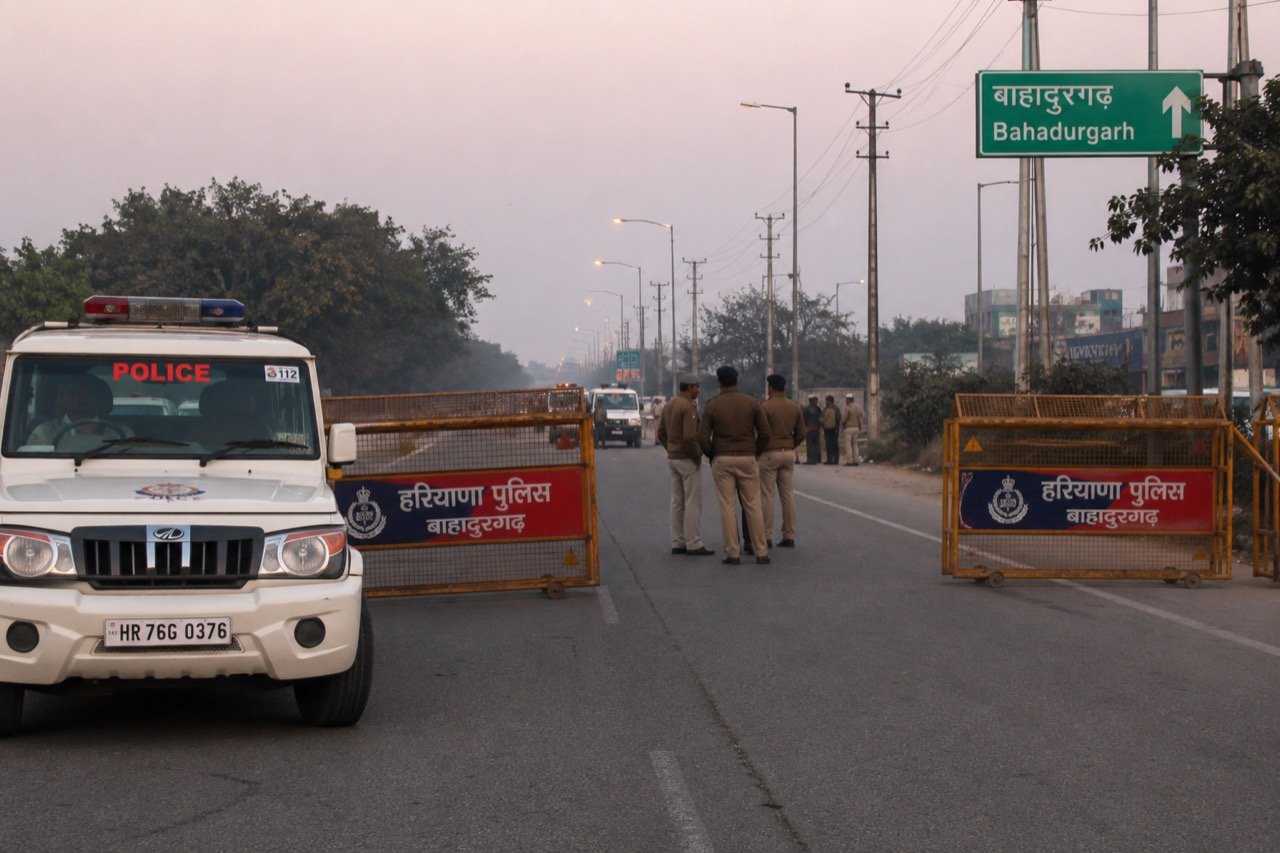
Bishnoi Gang Suspects Injured in Haryana Encounter as Police Tighten Net
A joint Haryana-Delhi Police operation in Bahadurgarh left two suspected Lawrence Bishnoi gang members injured, spotlighting the multi-state coordination now central to India's fight against organised crime networks.