Monsoon Surges Into Central India as Heatwave Grips the East: A Split Weather Map
The India Meteorological Department reported the monsoon advancing into Gujarat and central India on 24 June even as severe heat scorched the east, leaving the country under a sharply divided weather pattern.
Commentary & Analysis ·
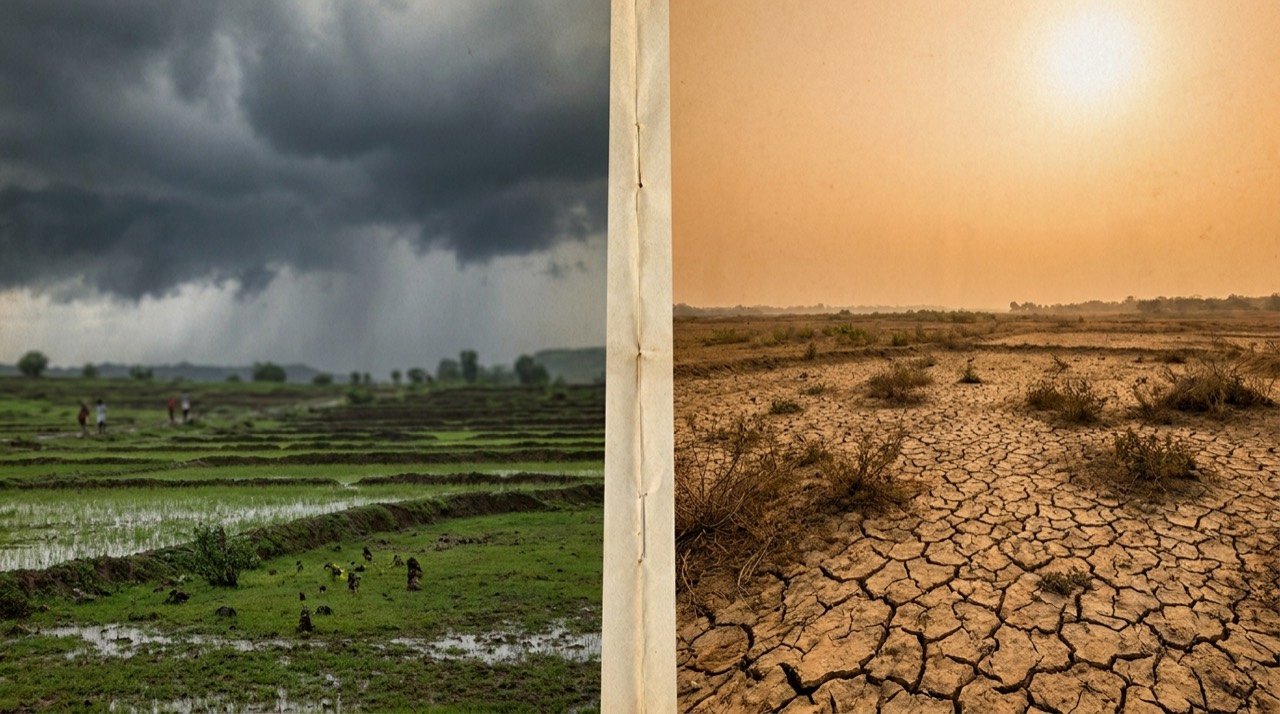
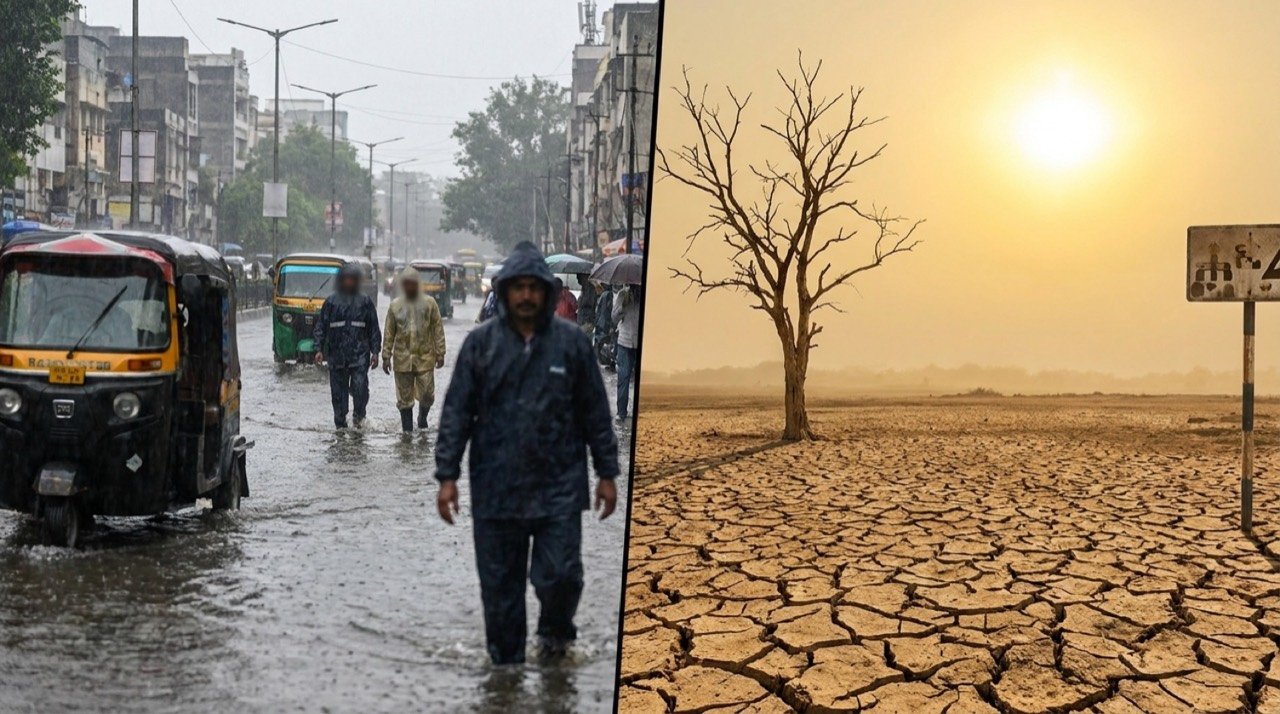
India presented a starkly divided weather picture on 24 June, with the southwest monsoon gaining momentum across the west and centre of the country while a stubborn heatwave continued to bake central and eastern states. The contrast left tens of millions waiting for relief even as others braced for heavy downpours. It is a snapshot that captures something larger than a single day's forecast: a country whose geography and climate are increasingly pulling in opposite directions within the same news cycle, forcing planners, farmers and ordinary households to contend with drought-like heat and flood-risk rainfall almost simultaneously.
Monsoon gains ground in the west and centre
The India Meteorological Department (IMD) said the monsoon had advanced further into parts of Gujarat and Madhya Pradesh, the remaining parts of Maharashtra, and more of Chhattisgarh and Jharkhand. This is the kind of steady, if uneven, progression that the monsoon is expected to make through June and into July, spreading north and east from its Kerala landfall until it eventually covers the whole country. For Gujarat and Madhya Pradesh in particular, the advance matters because both states depend heavily on timely kharif sowing, and a monsoon that arrives on schedule in these regions gives farmers a narrower but more predictable window to plan cotton, soybean and pulses planting.
Heavy to very heavy rain, accompanied by gusty winds and thunderstorms, was forecast for Mumbai and the Konkan coast. This stretch of coastline is no stranger to intense monsoon bursts, but the combination of heavy rainfall and gusty winds always raises the spectre of urban flooding, waterlogged suburban rail lines and disruption to a financial capital that cannot easily pause for the weather. Meanwhile, the northeast and Sub-Himalayan West Bengal and Sikkim were warned of 7 to 20 cm rainfall spells through the week, a volume that in hilly and low-lying terrain can quickly translate into landslides, flash floods and damage to roads and bridges that are already vulnerable during the monsoon months.
The hills catch a preview of the season ahead
In the hills, the remnants of a western disturbance brought light to moderate rain across Himachal Pradesh, Jammu and Kashmir and Uttarakhand. The Shimla meteorological centre noted that conditions had turned favourable for the monsoon to push further into the state over the following days. For hill states, this is a delicate balance: rain is needed to ease water stress and support agriculture, but the same terrain that benefits from monsoon moisture is also the terrain most prone to landslides and road blockages once the rains intensify. The interplay between a receding western disturbance and an advancing monsoon in these states is a reminder that India's weather systems rarely operate in isolation; they overlap, reinforce and sometimes clash with one another in ways that complicate forecasting and preparedness alike.
Heat that refuses to break
Even as clouds gathered in the west, isolated heatwave to severe heatwave conditions persisted over Vidarbha, Odisha, Bihar and adjoining areas. Across Delhi-NCR, Punjab, Haryana and western Uttar Pradesh, maximum temperatures hovered between 38 and 42 degrees Celsius, with humid, sticky conditions adding to discomfort. This is arguably the more urgent part of the story, because heat of this kind is not merely uncomfortable; it is a public health hazard. Outdoor workers, the elderly, children and those without reliable access to cooling face genuine risk during prolonged heatwave spells, and the added humidity that often accompanies the pre-monsoon and monsoon transition makes heat harder for the body to dissipate, even when the raw temperature reading is not at its seasonal peak. For densely populated regions such as the National Capital Region and the Indo-Gangetic plain, sustained heat also strains power grids as air conditioning demand surges, and it can affect drinking water availability where supply infrastructure is already stretched.
The fact that Vidarbha, Odisha and Bihar continued to see severe heatwave conditions while regions just a few hundred kilometres away were bracing for very heavy rain underscores how localized India's weather extremes have become. It is not simply a north-south or east-west divide; it is a patchwork in which relief and hardship can sit side by side.
An uneven, El Nino-shadowed season
The split map reflects a genuinely uncertain season. The monsoon reached Kerala on 4 June, later than normal, setting the tone for what has followed. The IMD has flagged below-normal rainfall at around 90 percent of the long-period average, with El Nino conditions expected to develop and suppress rains further. This matters enormously for a country where agriculture still employs a substantial share of the workforce and where reservoir levels feed both irrigation and hydropower. A late start followed by projected below-average totals does not necessarily mean uniform scarcity; as the 24 June picture shows, some regions can receive intense, even excessive, rainfall while others fall short. But taken together, a delayed onset and a below-normal seasonal forecast tend to compress the window in which farmers can safely sow, raising the stakes attached to each rainfall event, whether it arrives as a needed downpour or an unwelcome deluge.
For farmers and water managers, the patchy advance and lingering heat sharpen worries over sowing schedules and reservoir levels in the weeks ahead. Decisions about when to sow, which crop varieties to choose, and how to manage irrigation reserves are all being made under greater uncertainty than in a more typical monsoon year. Water managers overseeing reservoirs that feed both agriculture and urban supply must also weigh the risk of sudden, heavy inflows against the possibility that below-normal totals could leave levels depleted later in the season.
Why a split weather map is more than a curiosity
It would be easy to read a report of simultaneous heatwaves and heavy rainfall warnings as simply a busy day for the IMD's forecasting desk. But the pattern points to a structural challenge in how India plans for its climate. Disaster management systems, agricultural extension services and urban infrastructure have historically been built around the assumption of a broadly sequential season: pre-monsoon heat, followed by a monsoon that advances in a relatively orderly north-eastward sweep, followed by a post-monsoon retreat. When heatwave conditions in Bihar and Odisha coexist with flood warnings in Mumbai and the northeast, and light rain in the Himalayas signals a monsoon push that has not yet arrived, the neat sequence breaks down. Heat action plans, crop insurance schemes and reservoir management protocols that assume one region is having "its" monsoon moment while another is still in its dry, hot phase may struggle to respond effectively when both phases are happening across the country at once.
The NE Times View
A monsoon drenching the centre while the east bakes is becoming the new normal, and that volatility is the real story. India's disaster and agriculture planning is still built for predictable seasons, not for a country split across extremes on the same day. Adapting cropping choices, water storage strategies and heat-action plans to this whiplash is no longer optional. The policy conversation should move beyond simply tracking the monsoon's overall progress towards Kerala, Mumbai or Delhi, and towards building systems flexible enough to respond to a map that can show a heatwave warning and a very heavy rainfall alert in the same bulletin. That is the more honest picture of what a changing, El Nino-shadowed monsoon season now looks like, and the country's planning instruments need to catch up with it.
Key takeaways
- On 24 June, the monsoon advanced into Gujarat, Madhya Pradesh, remaining parts of Maharashtra, and more of Chhattisgarh and Jharkhand, even as severe heatwave conditions persisted over Vidarbha, Odisha and Bihar.
- Mumbai and the Konkan coast faced forecasts of heavy to very heavy rain and thunderstorms, while the northeast and Sub-Himalayan West Bengal and Sikkim were warned of 7 to 20 cm rainfall spells during the week.
- Delhi-NCR, Punjab, Haryana and western Uttar Pradesh continued to endure humid heat with highs of 38 to 42 degrees Celsius, even as the monsoon advanced elsewhere.
- The monsoon reached Kerala later than normal on 4 June, and the IMD has projected below-normal rainfall at around 90 percent of the long-period average amid developing El Nino conditions.
- The uneven, patchy advance of the monsoon alongside lingering heat is heightening concerns for farmers and water managers over sowing schedules and reservoir levels in the coming weeks.
You may also like to read
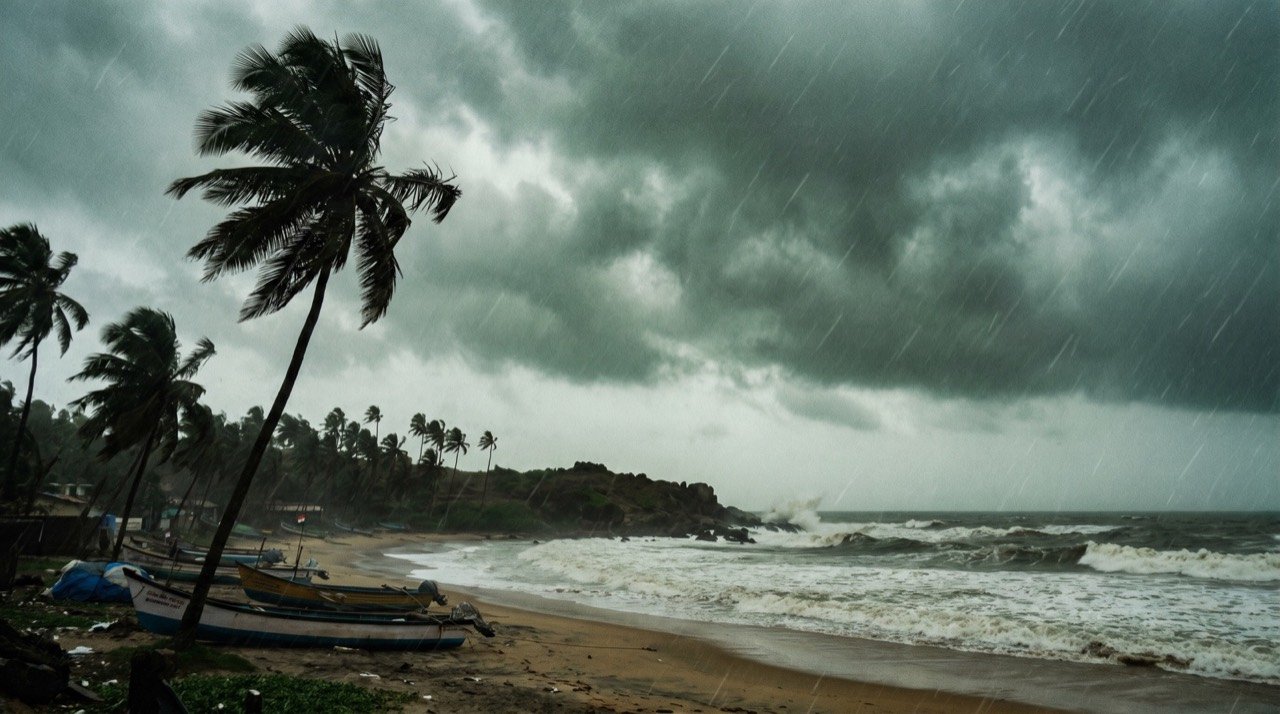
Monsoon Spreads Across South and East India as IMD Tracks Advance
The southwest monsoon, which arrived early over Kerala in late May, has advanced across much of southern and eastern India through early-to-mid June, though cumulative June rainfall has run below normal.
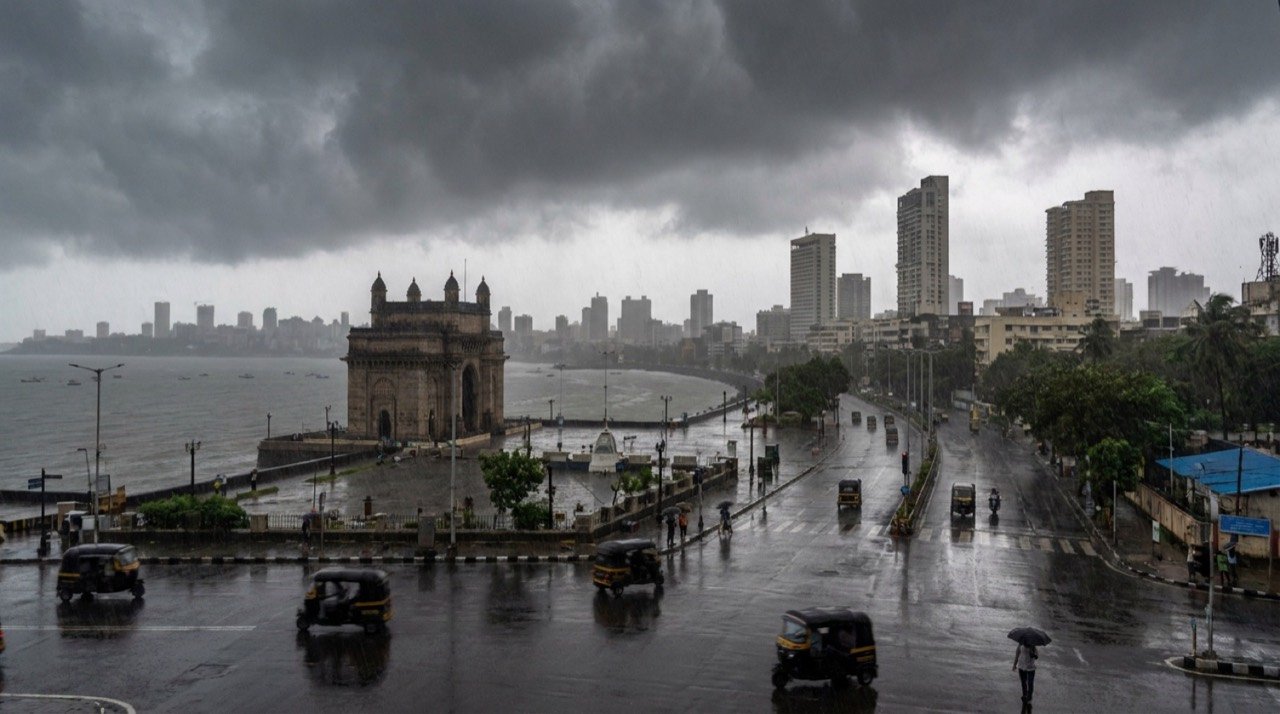
IMD Confirms Southwest Monsoon Onset Over Mumbai After Delayed Spell
The India Meteorological Department has confirmed the Southwest Monsoon's arrival over Mumbai on June 23, bringing relief after a dry, unusually warm early June and pushing the city into full monsoon readiness.
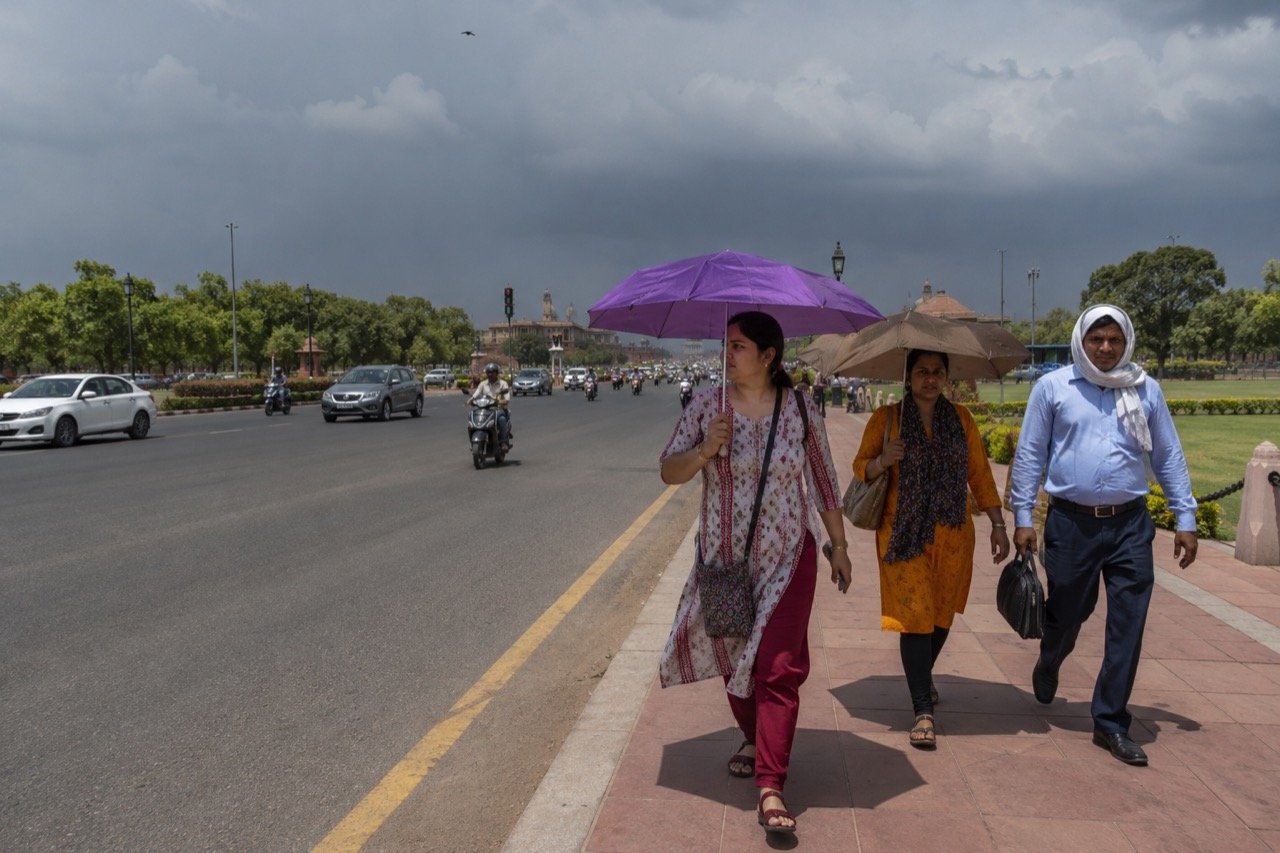
Delhi's Monsoon Wait Stretches On as IMD Flags Slow Advance
The India Meteorological Department says the southwest monsoon is unlikely to reach Delhi over the next five days, prolonging heat stress in the capital even as Mumbai is drenched by intense showers.
IMD Flags Heavy Rain And Heat Alerts As India's Weather Map Splits
India faces a divided weather map this week, with the IMD warning of heavy rainfall across several states even as parts of the north and centre swelter under high temperatures and heat stress.
More from this section
More
AICTE Industry Fellowship 2026: Rs 1.5 Lakh Scheme Closes July 5
The AICTE Industry Fellowship Programme 2026, which places technical-education faculty inside leading companies on a Rs 1.5 lakh monthly stipend, reached its application deadline on July 5.
Bay of Bengal Low Pressure System Revives Monsoon Over Western India
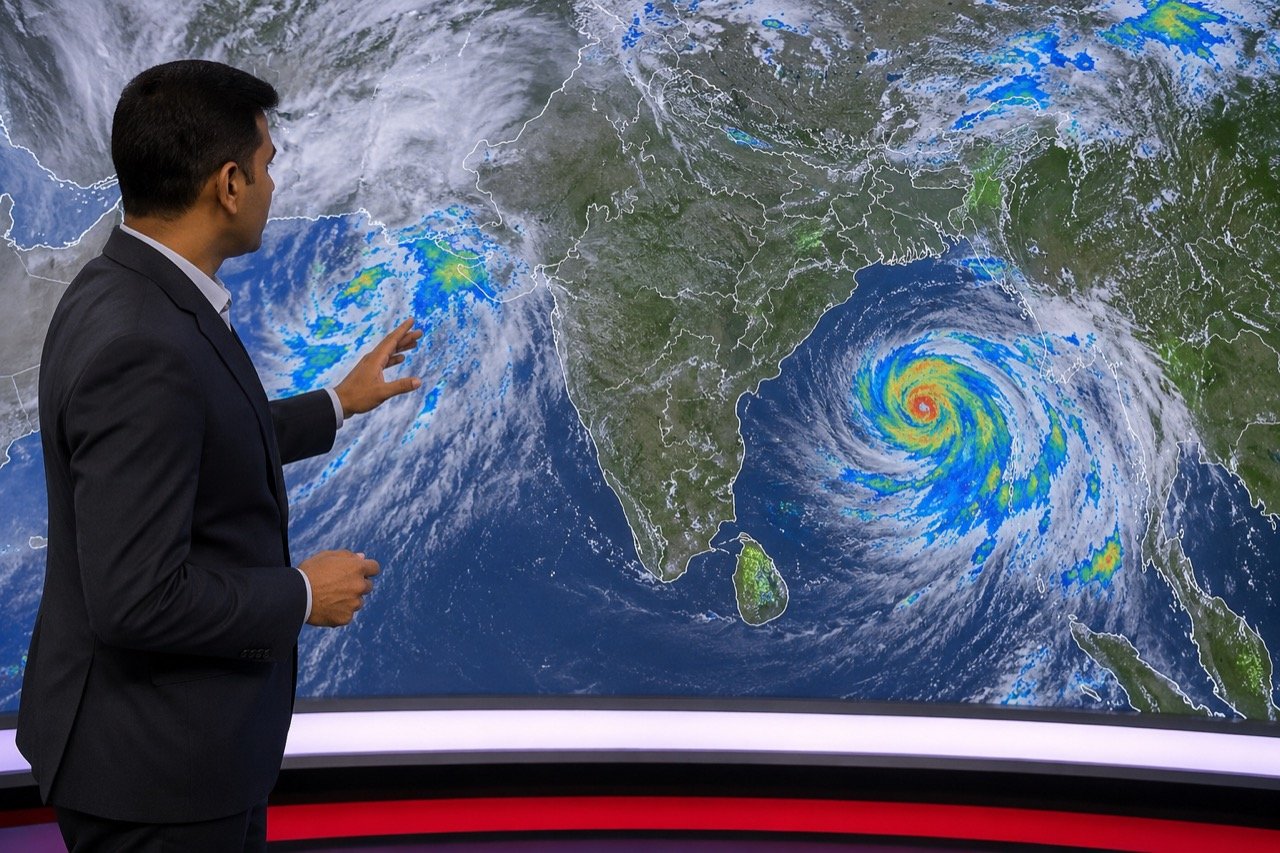
A low-pressure system over the Bay of Bengal has pushed the monsoon back into an active phase, bringing steady heavy rain to Kerala, coastal Karnataka and Maharashtra, and putting Mumbai and Pune on preparedness watch.
Bishnoi Gang Suspects Injured in Haryana Encounter as Police Tighten Net
A joint Haryana-Delhi Police operation in Bahadurgarh left two suspected Lawrence Bishnoi gang members injured, spotlighting the multi-state coordination now central to India's fight against organised crime networks.