Siya, Chetan Decline Polygraph as Ketan Agarwal Probe Deepens
The investigation into Ketan Agarwal's murder has taken a fresh turn after two key figures, Siya and Chetan, reportedly refused to undergo polygraph tests, narrowing the tools available to investigators in a case already marked by coded chats.
Commentary & Analysis ·

The murder of Ketan Agarwal has returned to the centre of public attention after reports that Siya and Chetan, two individuals connected to the investigation, declined to take polygraph tests requested by the police. The refusal marks the latest twist in a case that has resisted easy resolution, and it has reignited the mix of speculation and genuine unease that has followed the matter since it first surfaced. For a case that has already generated unusual public interest, this development is unlikely to be the last twist before the investigation reaches a formal conclusion.
Why the polygraph refusal matters
A polygraph examination in India cannot be administered without the consent of the person being tested, and courts have long held that its results are not admissible as standalone evidence. The refusal by Siya and Chetan is therefore entirely within the law, and neither of them has done anything procedurally irregular by declining. This point bears repeating because it is easily lost in public discussion of criminal cases: consent-based testing exists precisely so that individuals are not compelled to participate in a process whose scientific reliability remains contested.
Its significance lies elsewhere. The refusal closes off one investigative avenue and forces the police to lean harder on forensic material, digital records and witness statements. In practical terms, this means investigators must now build their case, if one is to be built, on physical evidence, call records, digital forensics and corroborated testimony rather than on the psychological pressure that a polygraph request can sometimes apply. That is not necessarily a setback for the investigation; it simply channels the effort toward evidentiary work that was always going to be more consequential than the polygraph itself.
The coded chats and their limits as evidence
Earlier reporting on the case had already pointed to unusual elements, including references to signs and coded language in chat conversations recovered during the inquiry. Those details have fed public fascination, but they remain leads under examination rather than established facts. It is worth pausing on that distinction. A recovered chat log with ambiguous phrasing can look suggestive in isolation, but its evidentiary weight depends entirely on context: who sent it, when, what it referred to, and how it fits alongside other material gathered by investigators. None of that context has been made public, and it would be premature to treat coded language as proof of anything beyond the fact that investigators consider it worth examining further.
This is precisely the kind of detail that tends to take on a life of its own once it enters public conversation. A phrase that reads as cryptic in a chat transcript becomes, within hours, the subject of theories about motive and intent that go well beyond what the available facts support. Investigators are trained to treat such material cautiously, testing it against other evidence before drawing conclusions. The public conversation around the case has not always shown the same restraint.
An investigation, not a verdict
It is worth stressing that declining a polygraph is not an indicator of guilt or innocence. Legal safeguards exist precisely because such tests are scientifically contested, and refusing one is a lawful exercise of a right, not a tacit admission. The meaningful milestones ahead are forensic findings, court filings, formal police statements and any confirmed recovery of evidence, not the theatre of who agrees to be strapped to a machine and who does not.
This distinction matters for how the case should be read at every subsequent stage. If forensic reports are filed, if a chargesheet is presented, or if new evidence is formally disclosed, those are the developments that will actually move the case toward resolution. Procedural refusals, by contrast, are administrative footnotes that tell us about the mechanics of an investigation rather than its substance. Conflating the two risks distorting how the public understands where the case genuinely stands.
The pressure on investigators and the families involved
Cases that draw this degree of public attention place investigators under a particular kind of strain. There is pressure, often implicit, to produce visible movement, whether through public statements, leaks of investigative detail or requests such as polygraph tests that generate headlines even when their evidentiary value is limited. That pressure can distort the pace and sequencing of an investigation if it is not carefully managed, pushing police toward actions that satisfy public appetite for progress rather than the investigation's actual needs.
It is also worth considering the position of those named in reporting, including Siya and Chetan themselves. Being publicly identified in connection with a high-profile murder investigation, even as a witness or a person of interest rather than an accused, carries real reputational and personal consequences. The presumption that ought to govern any criminal matter, that individuals are not guilty until proven otherwise through due process, is easily eroded when procedural details are broadcast and interpreted as circumstantial proof by commentators with no access to the underlying evidence.
The NE Times View
The Ketan Agarwal case is fast becoming a test of how India consumes crime news. Every procedural detail, a refused polygraph, a coded chat, is being amplified into a verdict on social media long before investigators have finished their work. That appetite is understandable: unresolved murder cases invite public curiosity, and ambiguous details such as coded language naturally invite speculation. But it is corrosive. It pressures police into premature disclosures, it puts families and suspects alike on public trial, and it risks entrenching narratives that later forensic findings may not support.
The responsible position is patience. This is an evolving investigation, and the facts that will actually decide it will emerge in forensic reports and courtrooms, not in trending hashtags. Readers and commentators alike would do well to treat each new procedural detail as exactly that, a procedural detail, and to reserve judgement until the investigation produces evidence that can withstand scrutiny in a court of law rather than in the court of public opinion.
Key takeaways
- Siya and Chetan lawfully declined polygraph tests requested by police in the Ketan Agarwal murder investigation; consent is legally required for such tests in India, and their results are not independently admissible as evidence.
- The refusal narrows the investigative approach available to police, who must now rely more heavily on forensic material, digital records and witness statements.
- Earlier reports referenced coded language in recovered chat conversations, but these remain investigative leads under examination, not confirmed facts.
- Declining a polygraph carries no legal implication of guilt or innocence, and the case's real milestones will be forensic findings, court filings and formal police statements.
- Public and media restraint is essential while the investigation continues, given the risk of premature judgement affecting those connected to the case.
You may also like to read
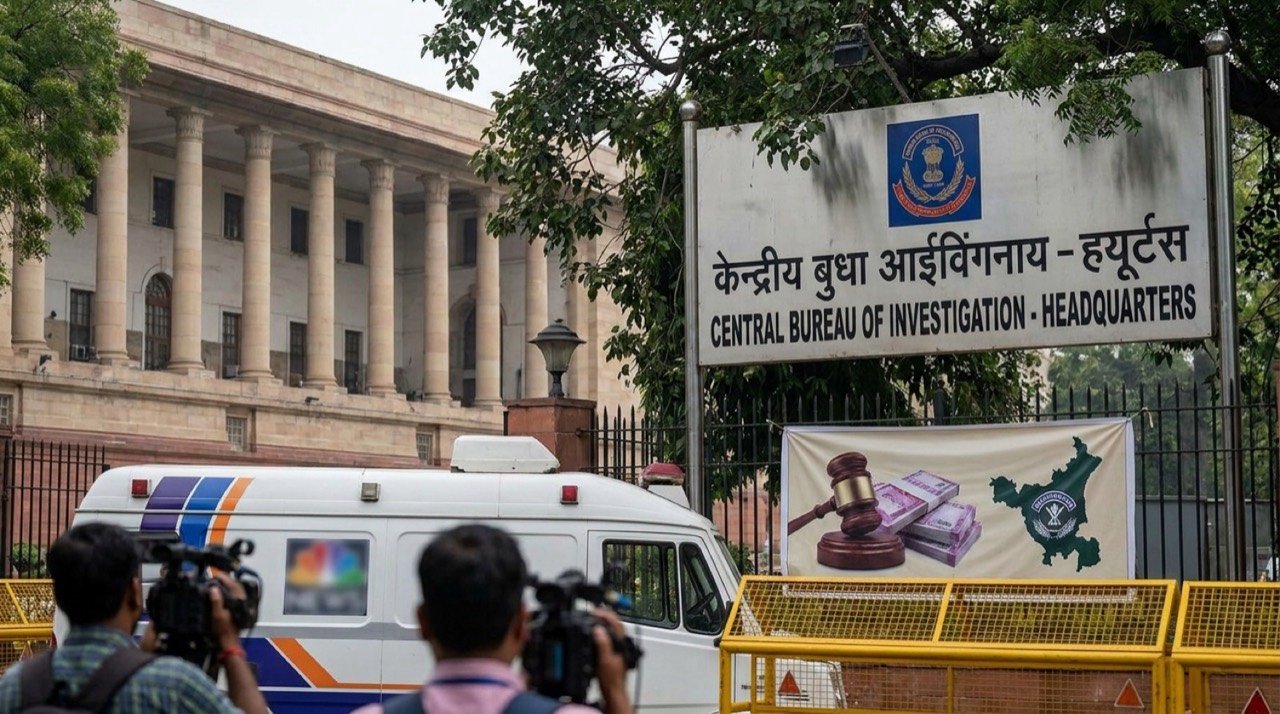
CBI Arrests Haryana IAS Officer Pankaj Agarwal As Bank-Fraud Probe Widens
The CBI has arrested senior Haryana-cadre IAS officer Pankaj Agarwal in a widening probe into the alleged diversion of crores in public funds through bank accounts and government departments.

Jaishankar Begins Four-Nation Gulf Tour as India Deepens West Asia Ties
External Affairs Minister S Jaishankar's July 5-10 visit to Qatar, Bahrain, Kuwait and Oman opens a packed diplomatic week, underscoring how central the Gulf has become to India's energy, trade and diaspora interests.
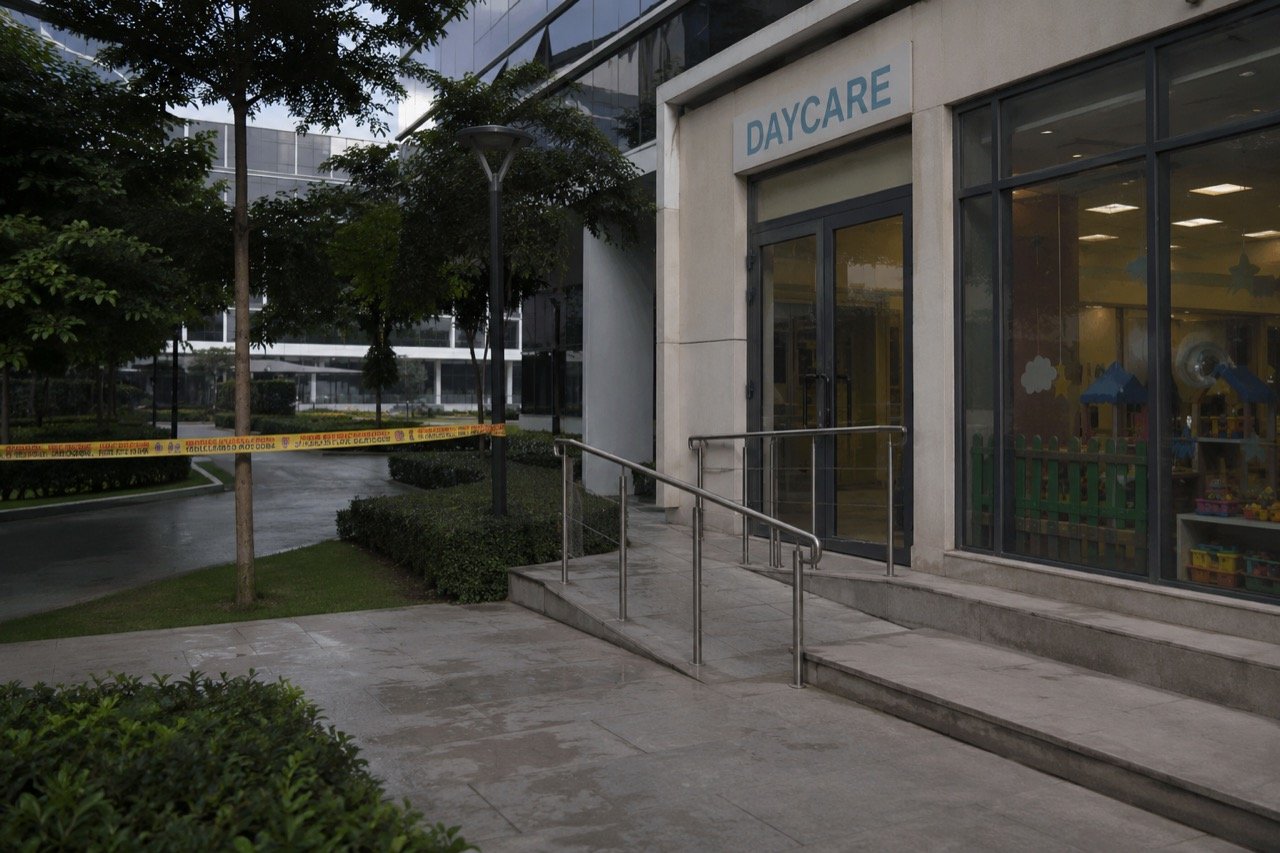
Arrest in Bengaluru Daycare Case Deepens Child Safety Questions
Bengaluru police have arrested a woman connected to the daycare case at a Capgemini campus facility, sharpening scrutiny of caregiver vetting, oversight and accountability at workplace-linked childcare centres.

India Presses Venezuela to Probe Seafarer's Death, Organ Claims
New Delhi has asked Venezuelan authorities to investigate the death of an Indian seafarer amid disturbing claims of missing organs, putting consular protection for maritime workers abroad under sharp scrutiny.
More from this section
More
AICTE Industry Fellowship 2026: Rs 1.5 Lakh Scheme Closes July 5
The AICTE Industry Fellowship Programme 2026, which places technical-education faculty inside leading companies on a Rs 1.5 lakh monthly stipend, reached its application deadline on July 5.

Bay of Bengal Low Pressure System Revives Monsoon Over Western India
A low-pressure system over the Bay of Bengal has pushed the monsoon back into an active phase, bringing steady heavy rain to Kerala, coastal Karnataka and Maharashtra, and putting Mumbai and Pune on preparedness watch.
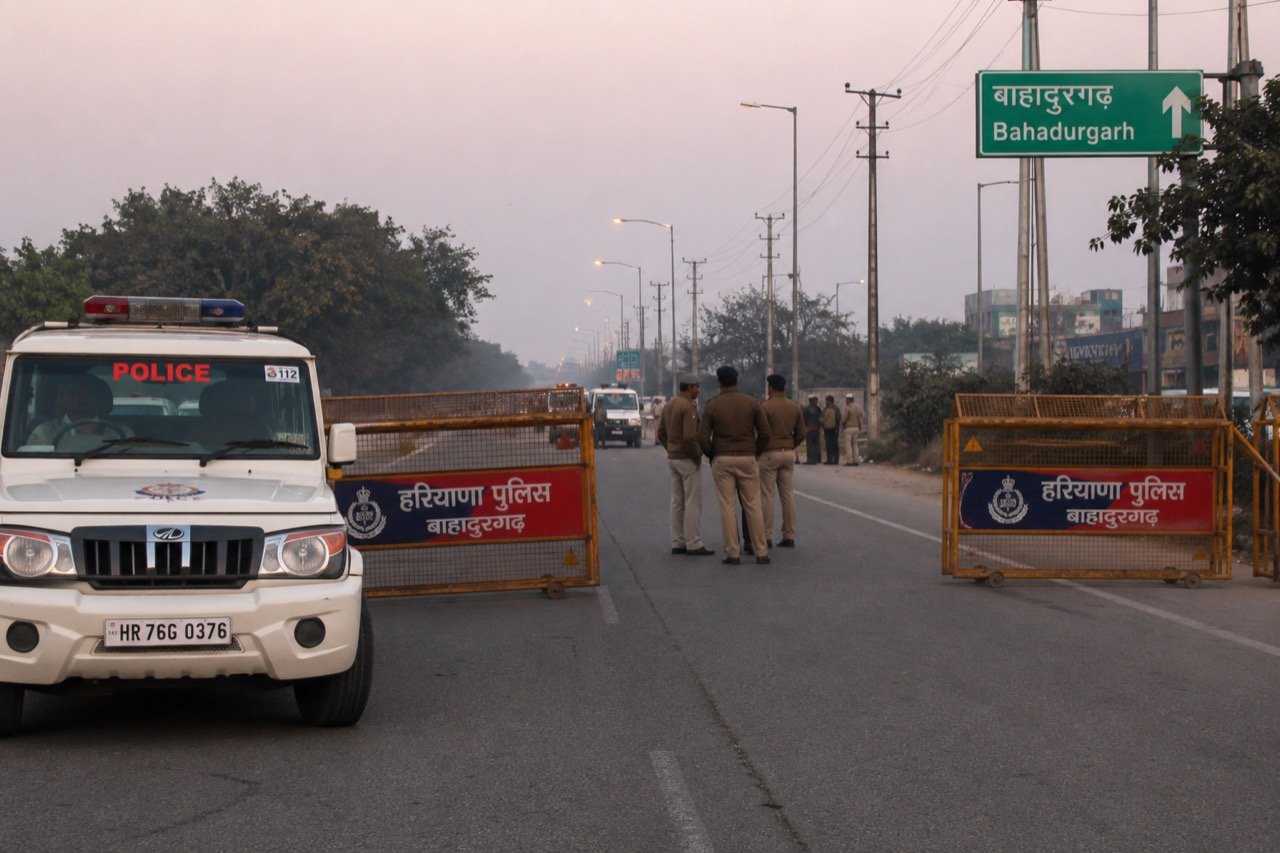
Bishnoi Gang Suspects Injured in Haryana Encounter as Police Tighten Net
A joint Haryana-Delhi Police operation in Bahadurgarh left two suspected Lawrence Bishnoi gang members injured, spotlighting the multi-state coordination now central to India's fight against organised crime networks.