Infosys Says AI Will Amplify Its Services, Not Replace the Company
Infosys leadership says artificial intelligence will not displace the IT major but will demand new skills, learning and operating models, reframing India's services sector around reskilling and proven productivity.
Commentary & Analysis ·
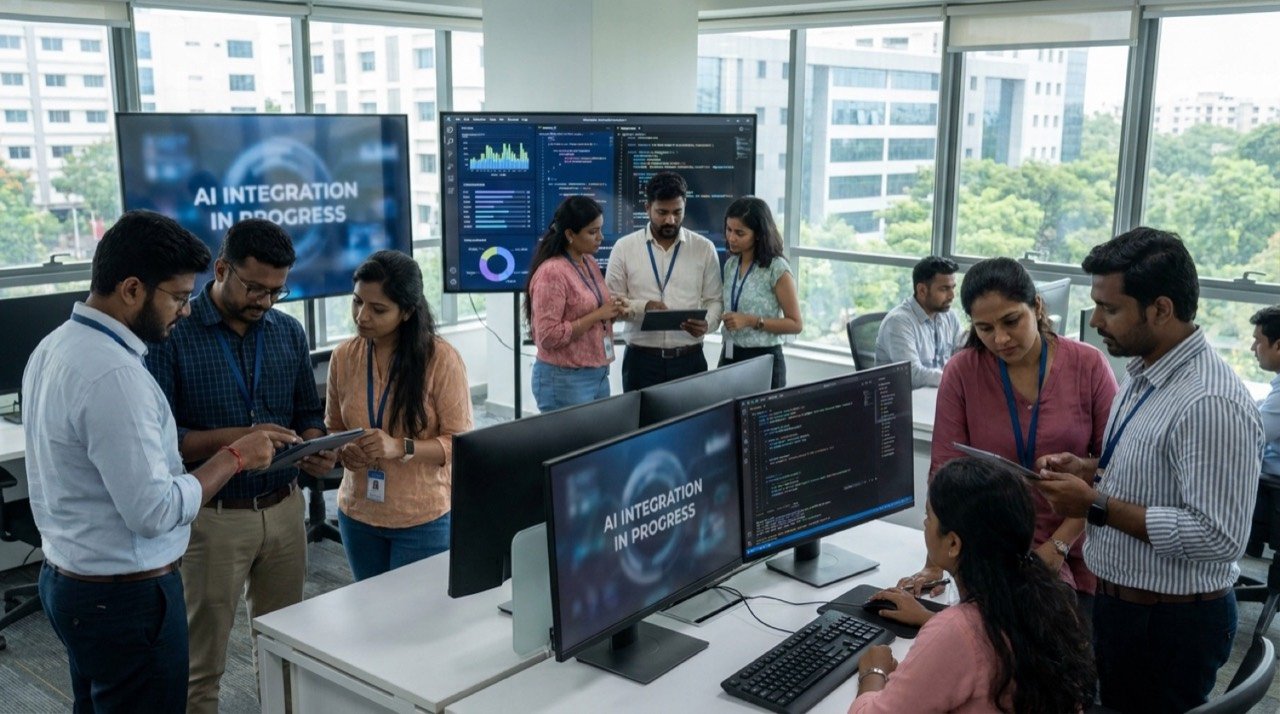
Infosys leadership has set out a measured view of artificial intelligence: it will not replace the company, but it will demand fresh learning, new skills and rethought operating models. The framing pushes back against fears that AI will hollow out India's IT services majors, and instead casts the technology as a force that amplifies what large services firms can deliver, provided they adapt fast enough.
AI as amplifier, not substitute
The central message from the company is that AI changes how work is done rather than whether services firms are needed. Clients still require partners to design, integrate and run complex systems, but the methods, tools and team structures behind that work are shifting. Infosys says it is already working on AI with most of its top clients, embedding the technology into live engagements rather than treating it as a pilot.
Leadership has spoken of the need for new mental models, an acknowledgement that legacy ways of scoping, staffing and pricing projects may not survive an AI-first market.
A large prize, and a large challenge
The company sees an AI-first services market that could reach hundreds of billions of dollars by 2030, a scale that explains the urgency. Capturing that opportunity, however, depends on execution: retraining a vast workforce, redesigning delivery models and demonstrating measurable productivity gains to clients who increasingly expect AI to lower costs.
For a labour-intensive industry built on headcount, the shift toward outcomes and tooling is a structural one, not a cosmetic upgrade.
What it means for India's IT sector
For India's broader IT industry, the debate is moving past whether AI arrives to how quickly firms can reskill people, re-architect their delivery and prove value. The companies that translate AI from talking point to billable, repeatable outcomes are likely to set the pace for the next decade.
- AI seen amplifying services rather than replacing the firm
- New skills, learning and operating models required
- AI work already underway with most top clients
- AI-first services market projected in the hundreds of billions by 2030
- Reskilling and productivity proof now the central tasks
“The next phase is less about whether AI arrives and more about how services firms retrain people and prove the gains.”
— Infosys leadership view
Looking ahead, the credibility of such optimism will rest on outcomes investors and clients can see, retention through reskilling, delivery that absorbs AI without disruption, and productivity that shows up in margins. How Infosys and its peers navigate that transition will shape whether India's services sector leads the AI shift or merely adjusts to it.
The NE Times View
Infosys saying AI will amplify rather than replace it is both reassurance and corporate self-interest, and partly true. The linear headcount-led model is genuinely under pressure, and reskilling is the right survival instinct. But 'amplify' must mean productivity passed to clients and wages, not just protected margins. The real verdict comes from whether India's services giants retrain their workforce fast enough, or quietly let attrition do the cutting AI is too polite to name.
This article is original commentary and analysis by The NE Times. Background facts were referenced from NDTV Profit and Infosys company statements.
You may also like to read

Indian Firms Eye Asian AI Models as US Frontier Access Narrows
With access to some US frontier AI models growing harder, Indian companies are widening their supplier options toward Asian and Chinese alternatives, turning AI procurement into a strategic business decision.

Amazon Tests Alexa+ in India With Hindi Support and Local Features
Amazon is trialling its upgraded Alexa+ assistant in India with Hindi language support and India-specific features, betting on multilingual households to defend its lead in the AI assistant race.

Digital India Turns 11: AI GPUs, Chips and the Harder Next Phase
Eleven years in, Digital India is being judged less by its early public-service wins and more by whether it can deliver semiconductors, AI compute and resilient payments infrastructure at scale.

India Tech Layoffs 2026: Second Worst Hit as AI Reshapes Hiring
A new report places India second globally for tech job losses in 2026, with over 50,000 cuts worldwide and AI-driven restructuring forcing workers and companies to rethink roles, skills and career paths.
More from this section
More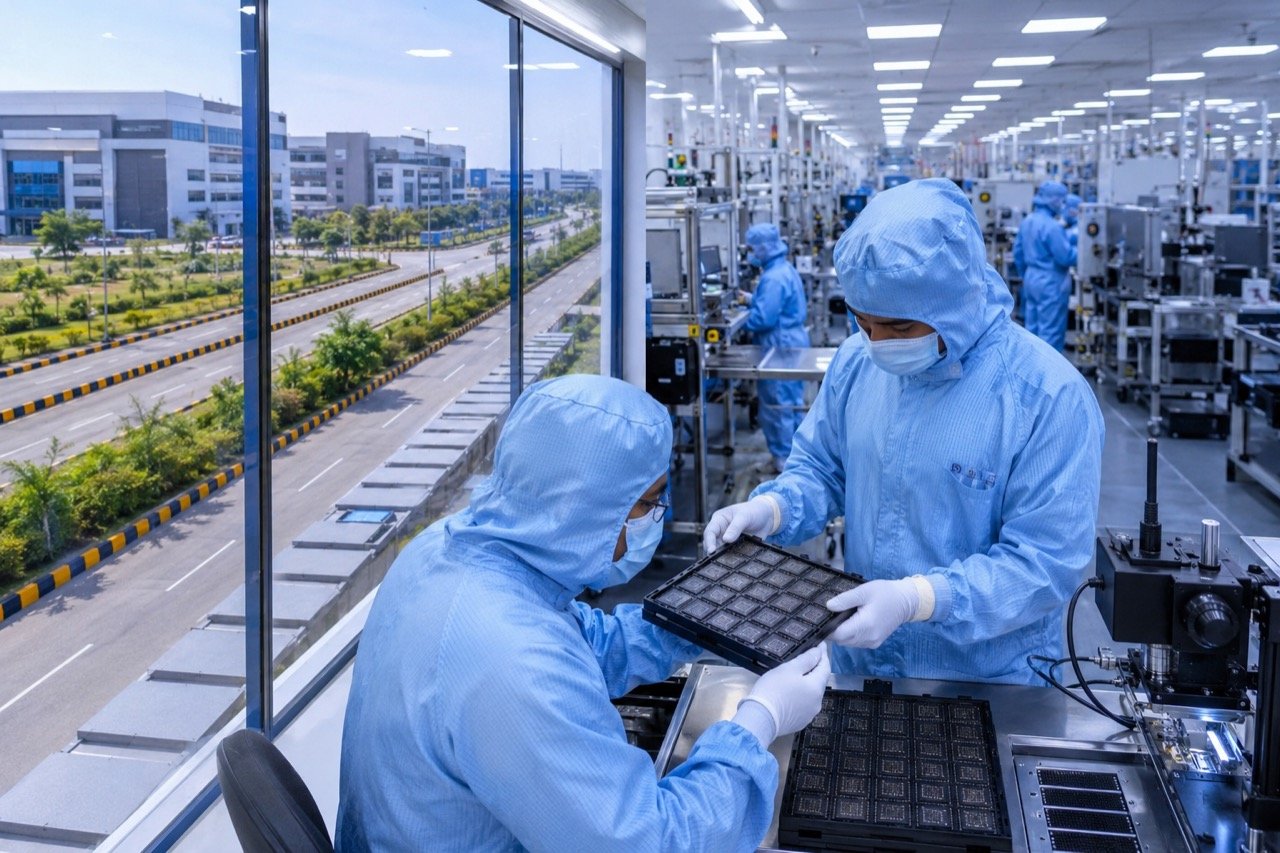
CG Semi Sanand Plant Opens, Boosting India's Semiconductor Drive
Prime Minister Narendra Modi inaugurated CG Semi's chip assembly and test facility in Sanand, Gujarat, giving India's semiconductor mission a working manufacturing milestone rather than another policy promise.

Chinese E-Rickshaw Apps Banned in India Over Remote Disable Risk
The Centre has ordered the removal of three Chinese apps — BAT-BMS, Lossigy and Epoch-i-ion — over fears they could remotely disable battery-run e-rickshaws, turning mobility software into a public safety concern.

Connected Car Rules: India Plans Vehicle Software Update Norms
With cars increasingly run by software, the government is reportedly preparing update and security norms aimed at preventing vehicle hijacking and governing how connected cars in India are patched and protected.