India And US Close In On First Tranche Of Trade Deal As Negotiators Call It 99 Per Cent Done
After three days of talks in New Delhi, India and the United States say the first tranche of their interim trade agreement is all but complete, with signatures expected within weeks.
Commentary & Analysis ·
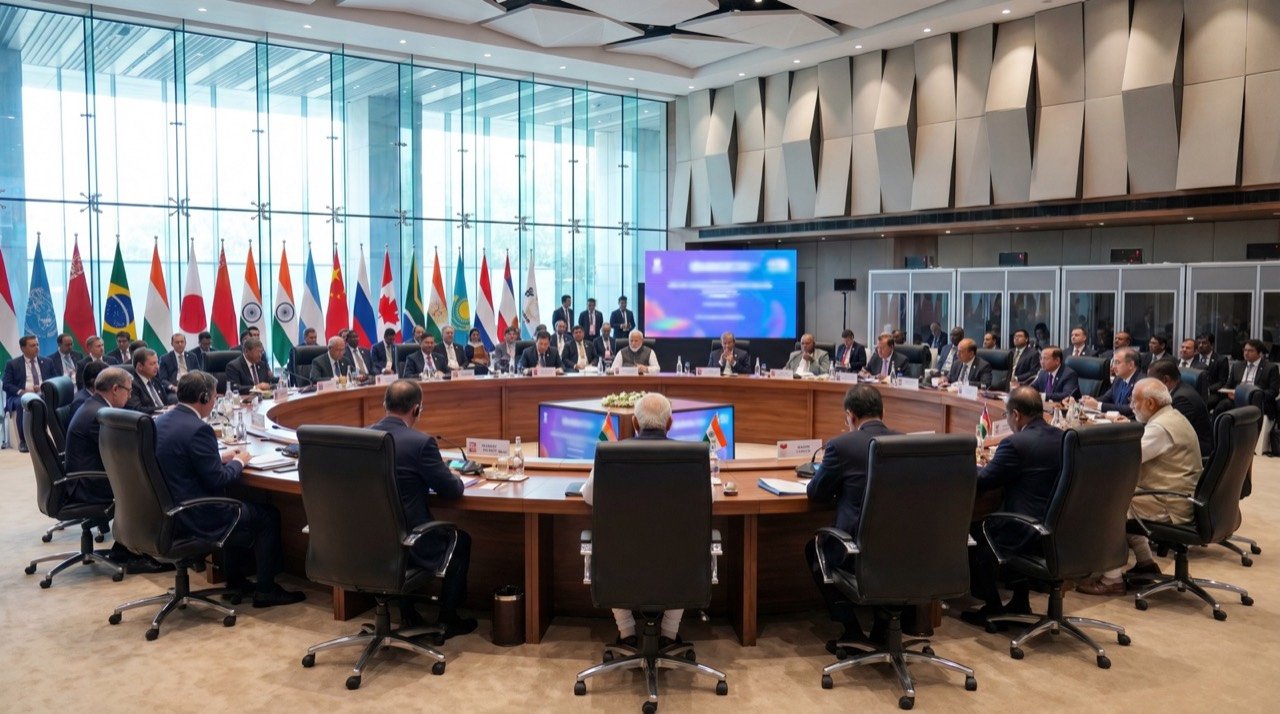
India and the United States have moved to the edge of a landmark commercial agreement, with negotiators describing the first tranche of an interim trade deal as roughly 99 per cent complete after a fresh round of talks in New Delhi. Officials on both sides now expect the pact to be signed in the coming weeks, capping months of intensive shuttle diplomacy that has steadied one of the world's most consequential economic relationships.
What the latest round covered
A US delegation led by Assistant US Trade Representative for South and Central Asia Brendan Lynch held three days of discussions with Indian trade officials at the start of June. The conversations ranged across market access, non-tariff measures, customs and trade facilitation, investment promotion and what both governments have begun calling economic security alignment.
India's commerce ministry has been careful to frame the talks as the first slice of a much larger ambition. The interim deal sits inside a framework set out in a joint India-US statement issued on 7 February 2026, under which the two sides committed to a reciprocal arrangement now while continuing work on a comprehensive Bilateral Trade Agreement.
Why the deal matters
For New Delhi, locking in predictable tariff treatment removes a cloud that has hung over exporters in textiles, engineering goods, gems and pharmaceuticals. For Washington, the agreement is a foothold in a fast-growing market and a signal that its Indo-Pacific economic partnerships can deliver concrete results rather than communiques.
- Negotiators describe the first tranche as about 99 per cent complete.
- Talks covered market access, non-tariff barriers, customs and investment.
- The interim deal flows from a joint statement issued on 7 February 2026.
- A wider Bilateral Trade Agreement remains the longer-term goal.
- Officials expect a signing within weeks rather than months.
What is still unresolved
The final percentage points are rarely the easiest. Sensitive sectors such as agriculture and dairy, where Indian negotiators face strong domestic constraints, and continued US pressure on digital and data rules, are understood to be among the items requiring political sign-off rather than technical drafting. Both teams have signalled they want to bank early gains rather than hold the whole package hostage to the hardest chapters.
“We are about ninety-nine per cent there on the first tranche; what remains needs a political decision, not more drafting.”
— Senior Indian trade official, paraphrased
If the timeline holds, the interim agreement would be the most substantive India-US economic understanding in years and a template for how the two democracies manage a relationship that increasingly spans technology, defence and supply chains as much as goods. The next test is whether both capitals can convert a near-final text into a signed document before competing political calendars intervene.
The NE Times View
Ninety-nine per cent done is a negotiator's phrase, not a signature, and the missing one per cent is usually where agriculture, dairy and data rules live. The NE Times View: an interim tranche is worth welcoming if it shields Indian exporters from tariff shocks, but New Delhi should resist trading away protections for farmers and small producers simply to bank a quick win before a summit photograph.
This article is original commentary and analysis by The NE Times. Background facts were referenced from The Hindu and Reuters.
You may also like to read
India-US Trade Deal '99% Done' as Modi-Trump G7 Meeting Looms
Negotiators wrapped a four-day round in New Delhi with most of a bilateral pact settled, but agriculture and dairy access remain the stubborn final hurdle.
EU Leaders Gather In Brussels For Budget, Ukraine And US Trade Showdown
European Union heads meet for a high-stakes two-day summit covering the next long-term budget, Ukraine, Middle East fallout and a fresh vote on the EU-US trade deal.
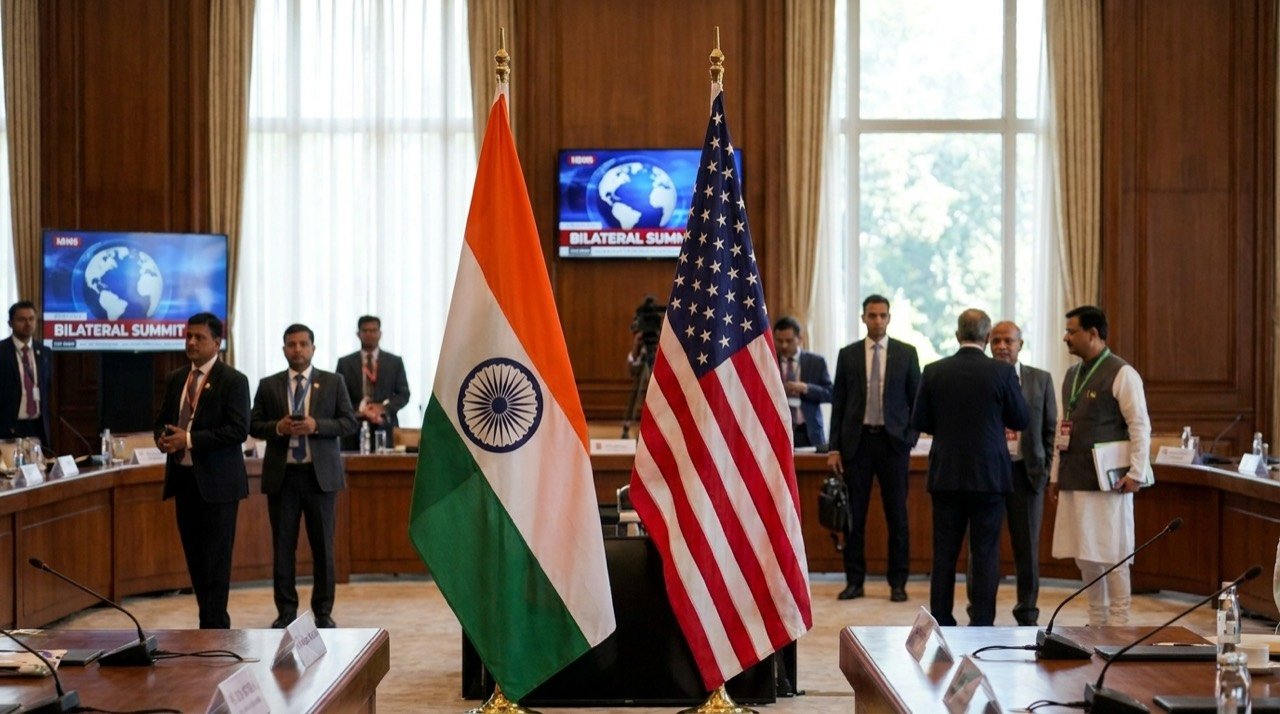
India and Canada Push to Seal the Reset, Targeting a Trade Pact by Year-End
Buoyed by personal rapport between Narendra Modi and Mark Carney, New Delhi and Ottawa are working to convert a fragile diplomatic thaw into a comprehensive trade agreement, with implications for students, professionals and the large Indo-Canadian diaspora.
Modi And Trump Hold G7 Bilateral In Evian As Trade And West Asia Crisis Dominate Agenda
On the sidelines of the G7 summit in France, Prime Minister Narendra Modi and US President Donald Trump met to advance the trade deal and coordinate on a deepening crisis in West Asia.
More from this section
More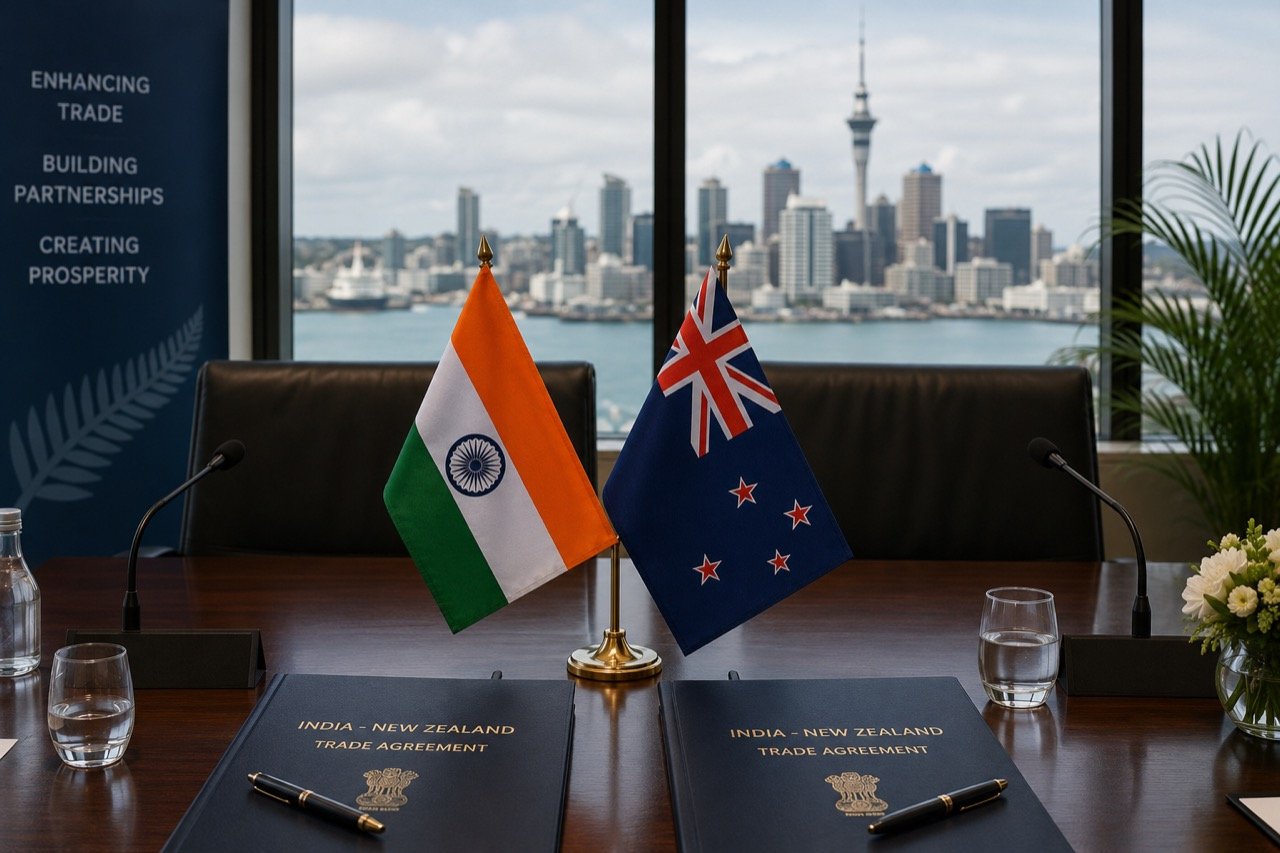
India-New Zealand Ties: Visit Plans Put FTA and Diplomacy in Focus
Reports of a planned high-level India-New Zealand engagement have revived attention on free trade talks, professional mobility and Indo-Pacific cooperation between two partners with clear room to grow.
Modi Greets Trump on US 250th Independence Day, Hails Partnership
Prime Minister Narendra Modi marked America's 250th Independence Day with a message to President Trump, saying the next 250 years should lift the India-US partnership to new heights.
India Watches Dhaka's China-Backed Teesta Plan as Stakes Rise
New Delhi is closely tracking Bangladesh's proposal to develop the Teesta river with Chinese assistance, a move that revives one of South Asia's most sensitive water-sharing disputes and tests regional strategic trust.