India Watches Dhaka's China-Backed Teesta Plan as Stakes Rise
New Delhi is closely tracking Bangladesh's proposal to develop the Teesta river with Chinese assistance, a move that revives one of South Asia's most sensitive water-sharing disputes and tests regional strategic trust.
Commentary & Analysis ·
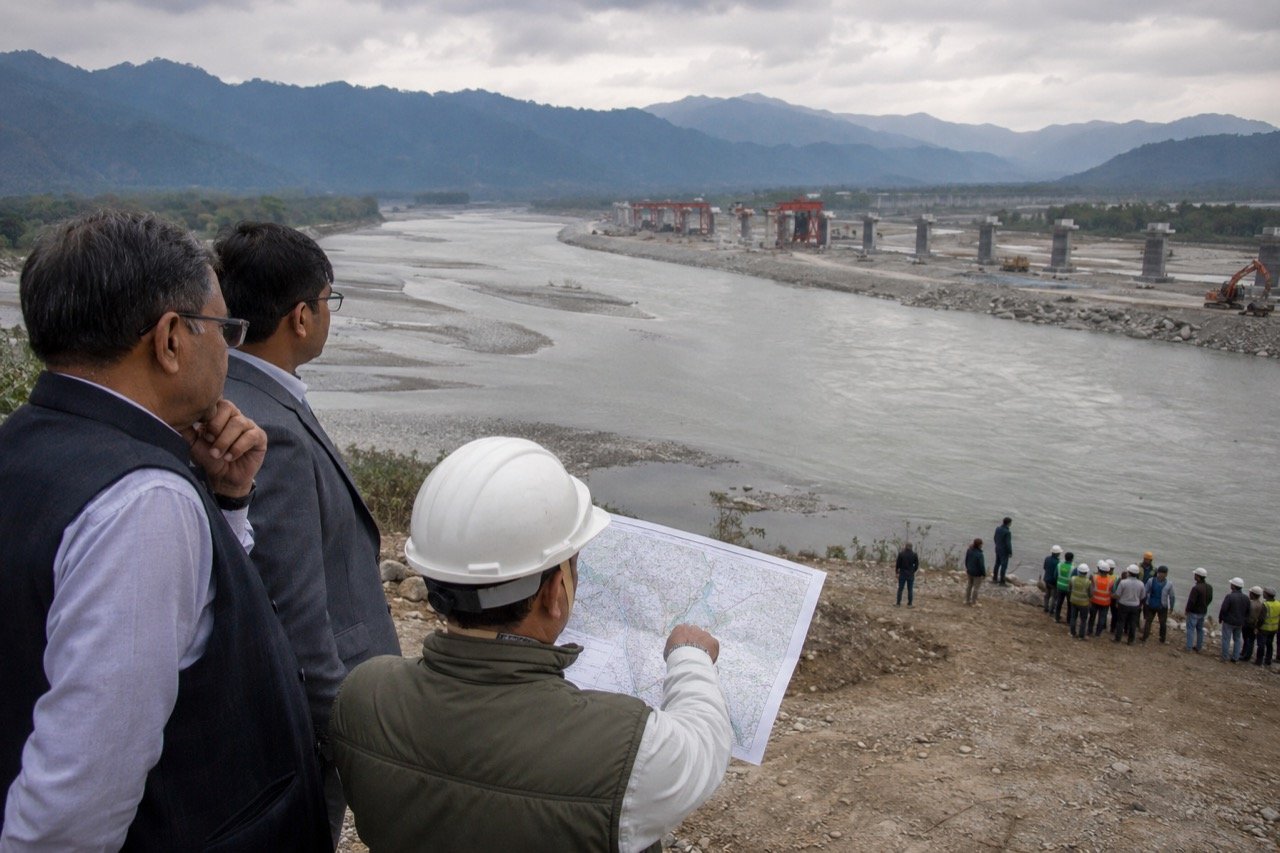
India is reportedly keeping a close watch on Bangladesh's plan to develop the Teesta river with Chinese involvement, a development that pushes water management, neighbourhood infrastructure and strategic trust back to the top of the regional agenda. On the surface, this is a story about riverbanks, embankments and irrigation channels. Beneath it lies a familiar and uncomfortable question for New Delhi: how much room has India's own hesitation created for other powers to step into its immediate neighbourhood.
A river with a long diplomatic history
The Teesta has been a persistent flashpoint in India-Bangladesh ties for decades. Water sharing on the river touches farmers on both sides of the border, state-level politics in India, central diplomacy in both capitals and raw public sentiment. It is one of those issues that never quite disappears from the bilateral agenda, resurfacing at every summit and every change of government, yet rarely reaching a durable resolution. Hindustan Times flagged the latest development, Dhaka's engagement with Chinese involvement in a Teesta river management plan, as a significant foreign-policy and neighbourhood update for New Delhi. That framing itself is telling. A river project that in an earlier decade might have stayed within the domain of technical water-sharing negotiations is now being read, correctly, as a foreign-policy signal.
Part of the reason the Teesta carries such weight is that it is not merely a bilateral irrigation question. It sits inside a wider domestic conversation in India, particularly in West Bengal, where state-level political sensitivities have long complicated New Delhi's ability to conclude a water-sharing accord with Dhaka. Successive rounds of negotiation have stalled not because the two national governments lacked the will, but because domestic political arithmetic within India has proven difficult to align with diplomatic commitments abroad. That unresolved friction has, over time, left a vacuum on the ground in Bangladesh, a vacuum that outside actors can, and evidently now do, look to fill.
Why a third party changes the calculus
What makes this round different is the presence of a third party. When an external power like China is attached to an infrastructure proposal in India's immediate neighbourhood, the project stops being purely about irrigation or flood control and acquires a strategic dimension that New Delhi cannot ignore. Rivers, unlike ports or highways, are not merely economic assets; they are also geographic facts that run through sovereign territory and carry connotations of control, dependency and long-term influence. A river management project financed and engineered by a non-regional power on India's border inevitably invites scrutiny that a purely domestic Bangladeshi initiative would not.
This is not a uniquely South Asian anxiety. Any large power tends to react when infrastructure financing from a rival state appears in its near neighbourhood, whether that is framed as a security concern, an economic competition, or a test of diplomatic relationships. For India, the concern is compounded by the fact that China's regional footprint has already expanded through ports, roads and financing arrangements in other neighbouring countries. A river project in Bangladesh, quite apart from its technical merits, becomes one more data point in a broader pattern that New Delhi's strategic planners are watching closely.
Legitimate needs on both sides
It would be a mistake, however, to read this purely through a zero-sum lens. Bangladesh has genuine development requirements on the Teesta, including flood management, irrigation and comprehensive river-basin planning. These are not manufactured pretexts; they reflect real and recurring hardships for communities living along the river, who face flooding in the monsoon and water scarcity in the dry season. Dhaka's search for financing and technical expertise to address these challenges is a legitimate policy objective in its own right, independent of any strategic calculation about which power provides that support.
India, for its part, has legitimate interests in cross-border water flows and regional security. As the upper riparian state on a river that flows from Indian territory into Bangladesh, New Delhi has a natural stake in how the river is managed, how flows are altered, and what downstream effects any large engineering project might have on communities and agriculture on the Indian side of the border. Neither country's interests are illegitimate here. The difficulty lies in the absence, so far, of a mechanism robust enough to reconcile them without one side feeling it must look elsewhere for solutions.
The test for both governments is whether these interests can be reconciled through transparent dialogue rather than managed through mutual suspicion. A closed-door, unilateral approach by either side risks entrenching the very distrust that has stalled progress on the Teesta for so long. Openness about financing structures, technical design and downstream impact would go a long way towards defusing the strategic anxiety that now colours the discussion.
Monitoring, not confrontation
Crucially, monitoring is not the same as confrontation. New Delhi's posture suggests it is studying the financing structure, technical design and downstream implications of the plan rather than issuing public objections or attempting to block the project outright. This is, in itself, a reasonably measured response. It allows India to gather information, assess actual risk rather than assumed risk, and calibrate its own diplomatic and developmental response accordingly.
The signals to watch next are official statements from both capitals, published project documents and whether existing bilateral consultation mechanisms on river waters are activated. If Dhaka and New Delhi choose to route this issue through established water-sharing consultation channels, that would suggest the relationship retains enough institutional depth to manage even sensitive, third-party-linked infrastructure questions. If those channels are bypassed or remain dormant, it would indicate a more serious erosion of the bilateral mechanisms built up over previous decades.
What this means for the wider neighbourhood
The Teesta case also carries lessons beyond the India-Bangladesh relationship. Across South Asia, several smaller neighbours have, at different points, turned to external financing for infrastructure that their larger neighbour was slow, reluctant or politically unable to provide. Each instance individually can be explained by local circumstance, but taken together they describe a pattern: unresolved bilateral issues create space that other powers are willing and able to occupy. For India, a country that frequently emphasises its natural leadership role in the region, this pattern deserves sustained attention rather than episodic alarm each time a new project surfaces.
The stakeholders in this story extend beyond national governments. Farmers and riverside communities on both sides of the border have practical, immediate interests in how the Teesta is managed, interests that are sometimes overshadowed by the strategic framing this issue now attracts. Any durable resolution will need to keep those on-the-ground realities, flood protection, reliable irrigation, predictable water flows, at the centre of the conversation, rather than treating the river purely as a chessboard for great-power competition.
The NE Times View
The Teesta episode is a reminder that India's unfinished business in the neighbourhood creates openings for others. Had a fair water-sharing agreement been concluded years ago, Dhaka would have less reason to invite Beijing into a river that flows out of Indian territory. The constructive path now is not to lecture Bangladesh but to offer a better deal: credible Indian participation in Teesta management, faster project delivery and a long-delayed water accord. Strategic anxiety is a poor substitute for strategic generosity, and on rivers, goodwill is the cheapest security India can buy.
This is not simply a call for generosity for its own sake. It is a recognition that influence in the neighbourhood is earned through delivery, not asserted through objection. Every year that a Teesta accord remains unsigned is a year in which alternative partners, financiers and models of engagement become more plausible to Dhaka's decision-makers. The strategic cost of inaction compounds quietly, even when no single year produces a dramatic headline.
Key takeaways
- India is monitoring, rather than contesting, Bangladesh's Teesta river development plan involving Chinese participation, focusing on financing, technical design and downstream impact.
- The presence of a third-party power transforms a routine water-management project into a matter of strategic significance for New Delhi.
- Both Bangladesh's development needs and India's cross-border water and security interests are legitimate, and can, in principle, be reconciled through transparent bilateral dialogue.
- Key signals to watch include official statements from both governments, published project documents and whether existing river-water consultation mechanisms are activated.
- The NE Times View holds that a long-delayed, fair Teesta water accord, backed by credible Indian participation and faster project delivery, remains the most effective response to the vacuum that Chinese involvement is now filling.
You may also like to read
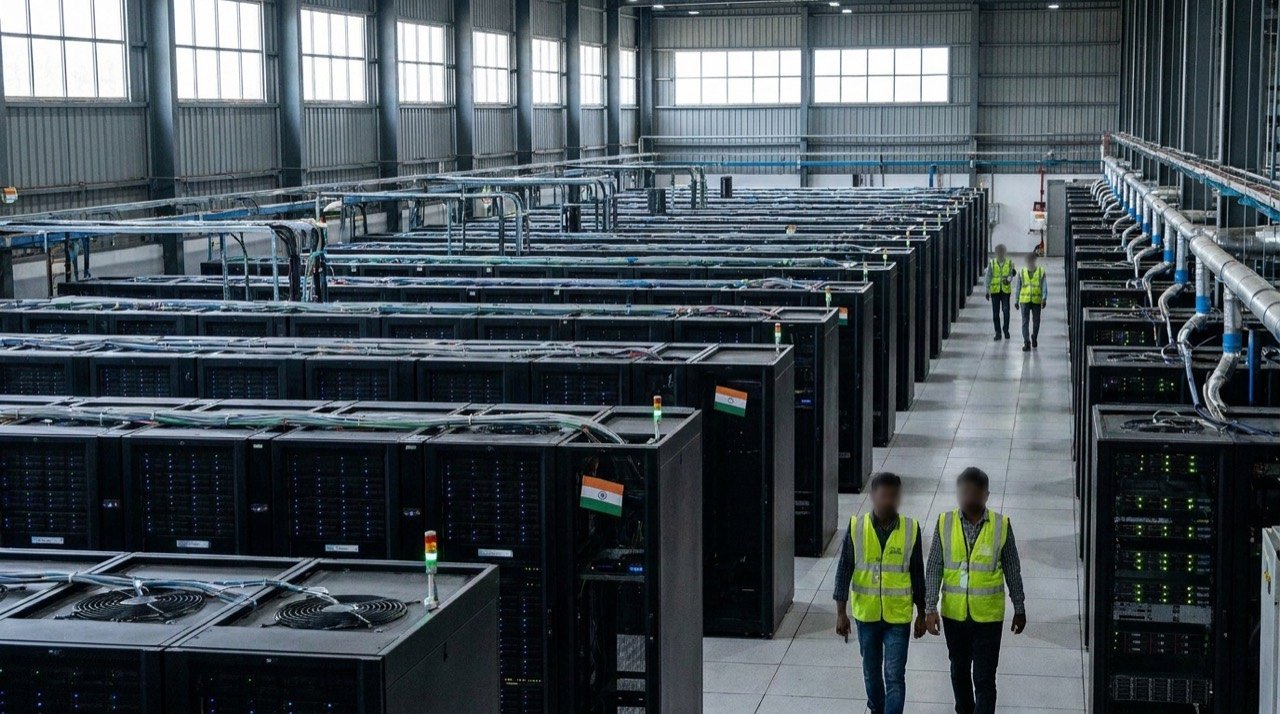
China's LineShine Dethrones US as World's Fastest Supercomputer, Sharpening India's AI Resolve
China has reclaimed the top spot on the global supercomputing rankings with an all-domestic machine running at over two exaflops, a milestone in the US-China tech contest that underscores why India is racing to build its own sovereign computing power.
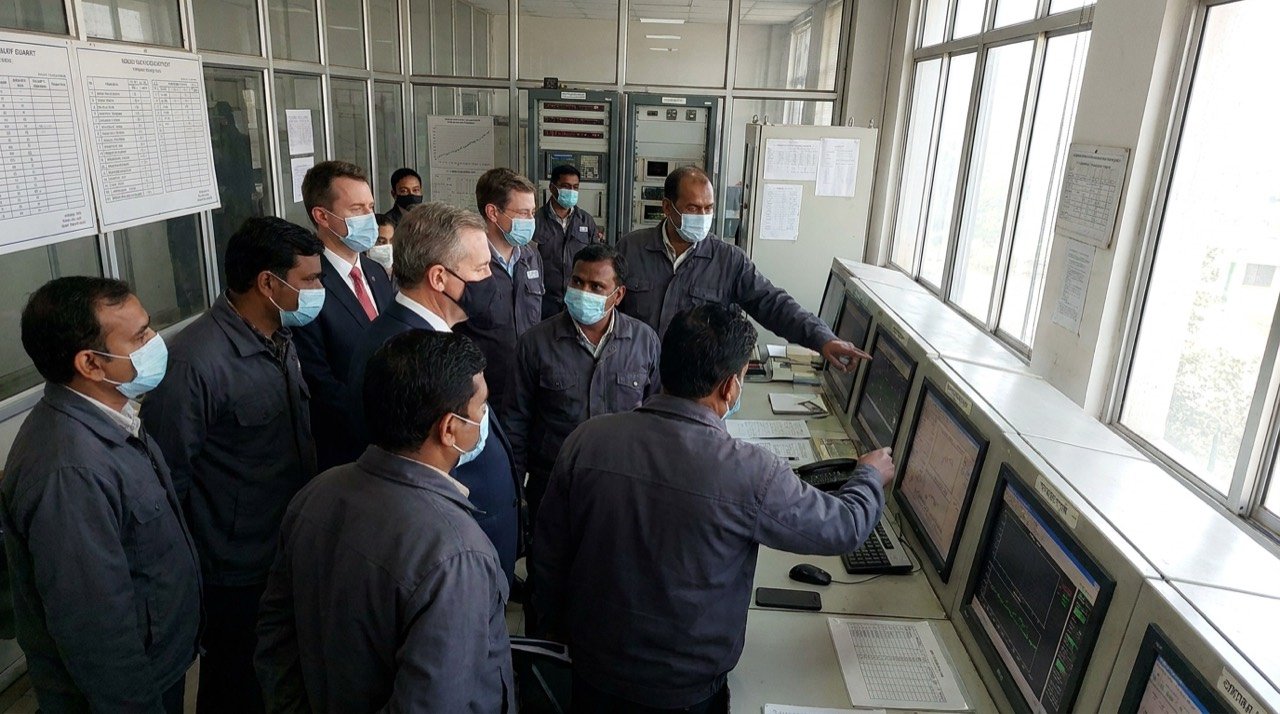
Iran-IAEA Inspection Standoff Tests Fragile Truce, With India Watching Its Energy Stakes
The UN nuclear watchdog insists inspectors will return to Iran's enrichment sites under an interim US-Iran deal, but Tehran says access waits for a final agreement, leaving Indian importers eyeing both oil flows and the Strait of Hormuz.
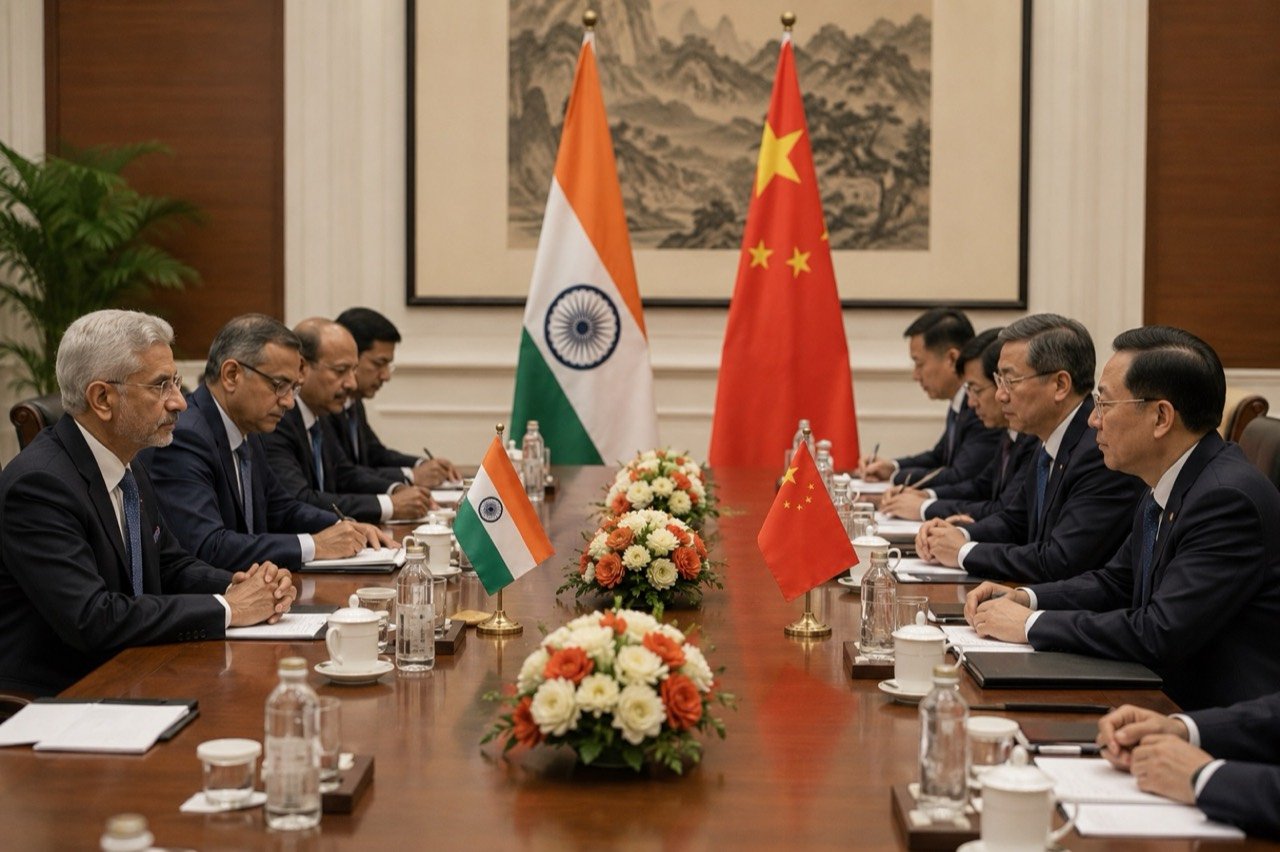
India-China Security Talks Signal Cautious Normalisation of Ties
NSA Ajit Doval and Chinese Foreign Minister Wang Yi met on the sidelines of the BRICS security advisers' meeting in New Delhi, noting progress toward a gradual, guarded normalisation of strained relations.
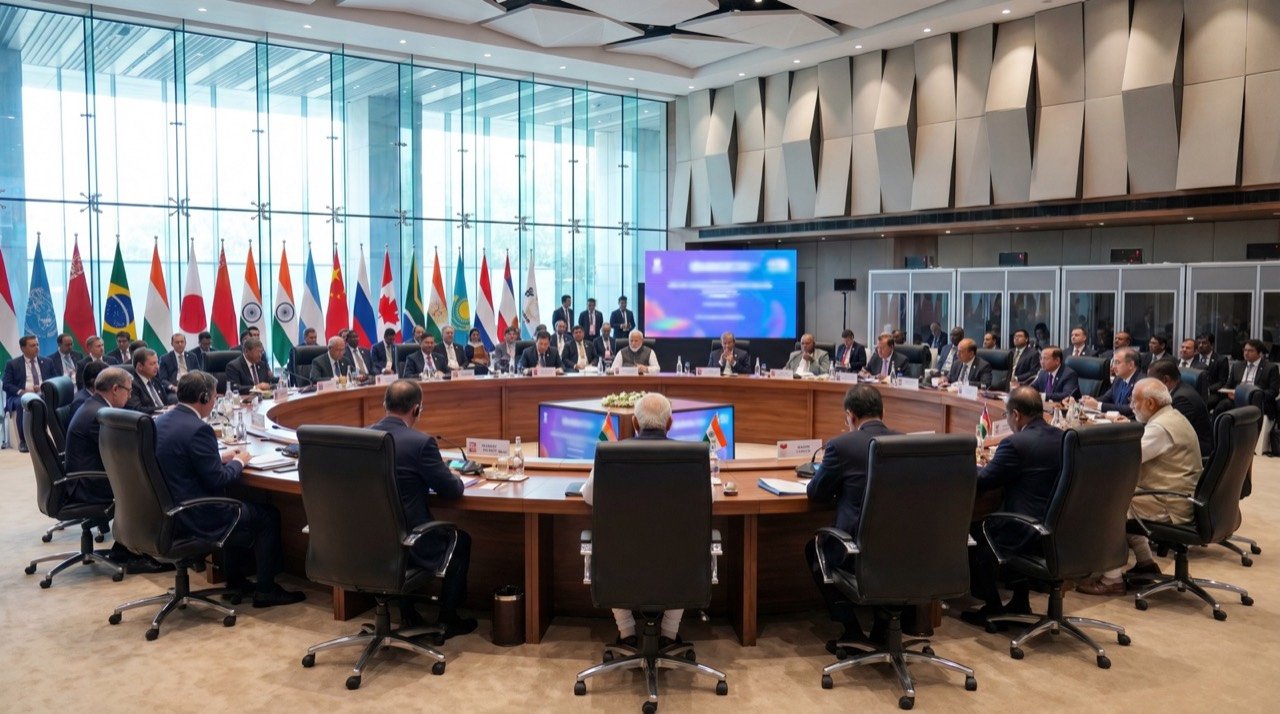
India Seeks Reset With Dhaka Under Tarique Rahman As Trust Deficit And Ganga Treaty Loom
With a new elected government in Bangladesh, New Delhi is pushing to repair ties strained since 2024, but unresolved disputes over water, trade and visas continue to weigh on the relationship.
More from this section
More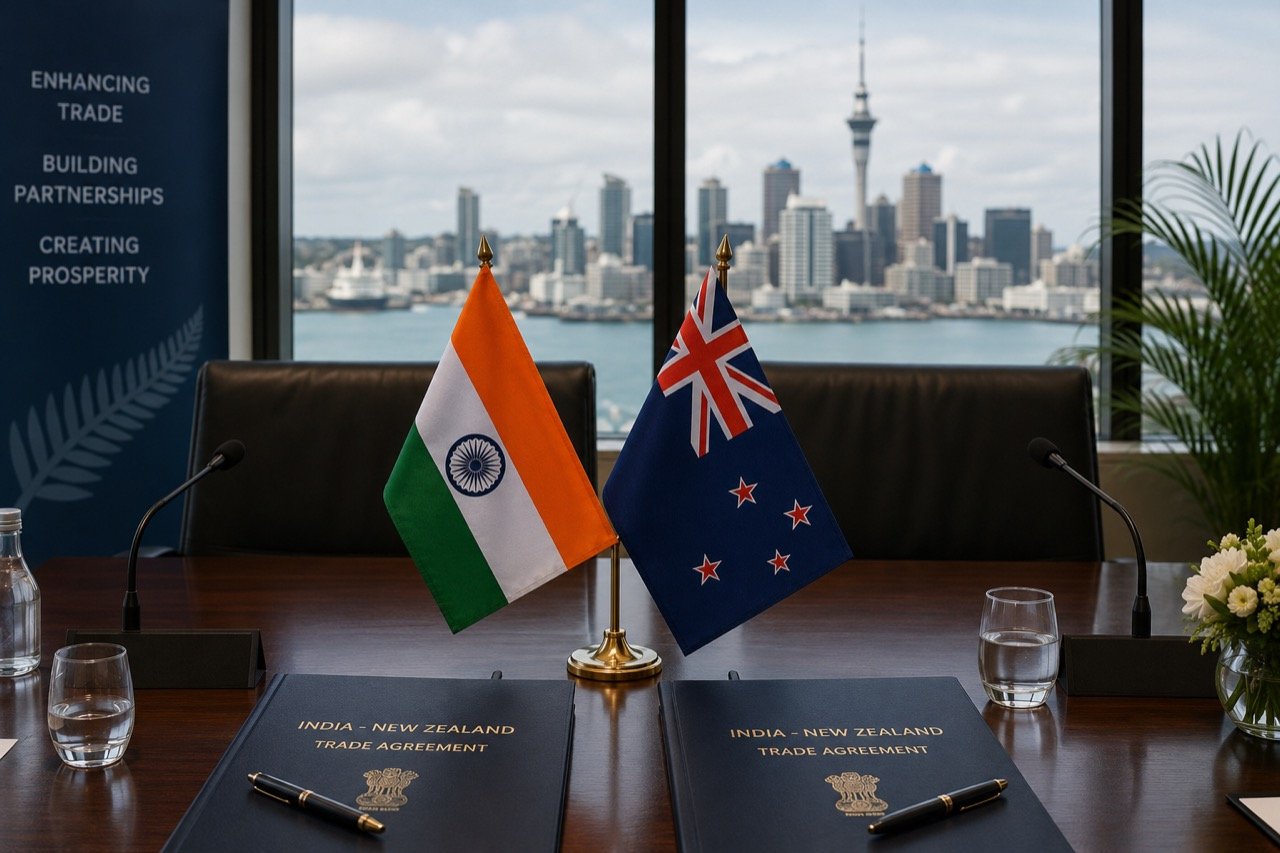
India-New Zealand Ties: Visit Plans Put FTA and Diplomacy in Focus
Reports of a planned high-level India-New Zealand engagement have revived attention on free trade talks, professional mobility and Indo-Pacific cooperation between two partners with clear room to grow.

Modi Greets Trump on US 250th Independence Day, Hails Partnership
Prime Minister Narendra Modi marked America's 250th Independence Day with a message to President Trump, saying the next 250 years should lift the India-US partnership to new heights.
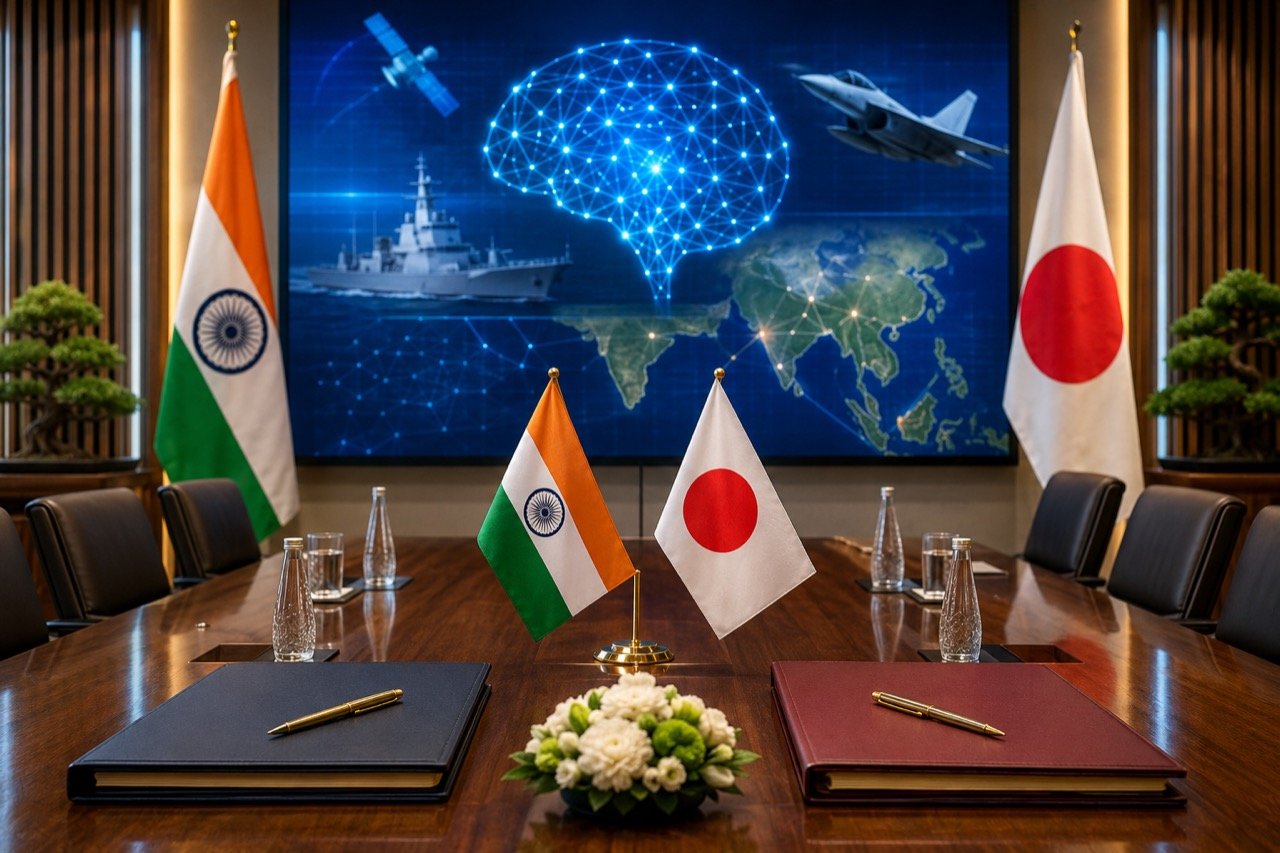
India-Japan Summit Widens Ties Across AI, Defence and Chips
At their annual summit in New Delhi, Prime Ministers Modi and Takaichi unveiled a roadmap deepening cooperation on maritime security, artificial intelligence, semiconductors, shipbuilding and critical technologies.