India Seeks Reset With Dhaka Under Tarique Rahman As Trust Deficit And Ganga Treaty Loom
With a new elected government in Bangladesh, New Delhi is pushing to repair ties strained since 2024, but unresolved disputes over water, trade and visas continue to weigh on the relationship.
Commentary & Analysis ·
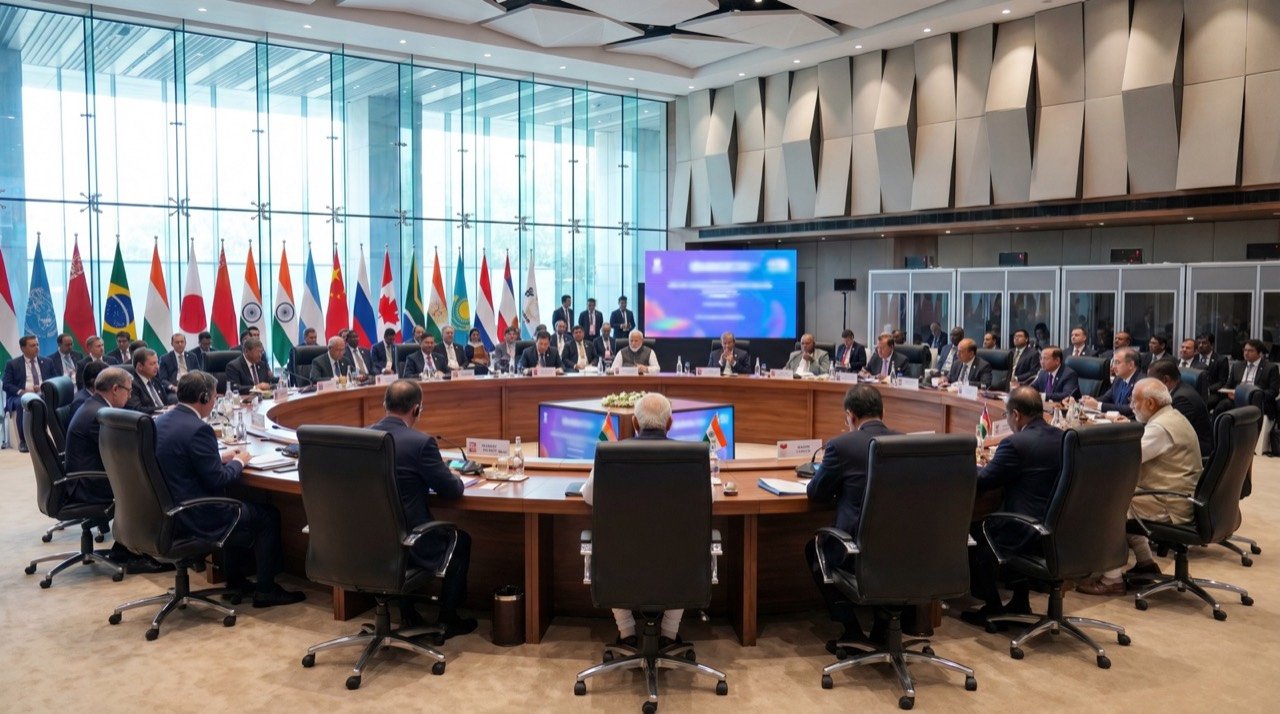
India is working to reset relations with Bangladesh under newly elected Prime Minister Tarique Rahman, but officials in both capitals acknowledge that a deep trust deficit built up since 2024 will not be erased quickly. The looming expiry of the Ganga Water Treaty at the end of the year has emerged as the most consequential test of whether the two neighbours can move past a turbulent chapter.
From golden era to cold pragmatism
Ties cooled sharply during the interim administration led by Muhammad Yunus, who governed from August 2024 until February 2026 before Mr Rahman took office. Remarks during that period about India's landlocked northeastern states and Bangladesh's role as a maritime gateway for the Chinese economy were received poorly in New Delhi and hardened mutual suspicion.
India has since made repeated diplomatic overtures to the new government, framing the relationship through its Neighbourhood First policy. Yet the warmth of the previous decade has given way to a more transactional dynamic in which both sides weigh equity and reciprocity.
The unresolved file
Dhaka's expectations from India remain substantially unmet, spanning the revival of transhipment facilities, restoration of visa services, improved market access and renewal of the water treaty. For New Delhi, concerns over the security of minorities, border management and the rhetoric around migration colour the conversation.
- Tarique Rahman succeeded interim leader Muhammad Yunus in February 2026.
- The Ganga Water Treaty is due to expire on 31 December 2026.
- Dhaka seeks transhipment revival, visa restoration and market access.
- New Delhi has launched multiple outreach efforts under Neighbourhood First.
- A trust deficit accumulated since 2024 continues to slow progress.
Why the treaty is the fulcrum
The Ganga Water Treaty, governing the sharing of dry-season flows at the Farakka barrage, expires on 31 December 2026. Negotiating a renewal would require sustained political goodwill on both sides; failing to do so risks turning a technical water dispute into a symbol of the wider freeze. Analysts argue that progress on water could unlock movement on trade and connectivity, while a stalemate could entrench the chill.
“Both governments want to move forward, but the relationship now rests on reciprocity rather than the old comfort.”
— South Asia analyst, paraphrased
Whether the reset gathers pace will likely become clear in the months before the treaty deadline. A renewed water agreement would signal that Dhaka and New Delhi can do business under the new dispensation; its absence would confirm that the post-2024 cooling has settled in for the long term.
The NE Times View
An elected government in Dhaka gives India a genuine opening, but resets built on personalities rarely outlast them. The NE Times View: the Ganga waters question, trade access and visa frictions are structural, and durable trust will come only from delivering on them, not from courting one leader. A neighbourhood policy that survives changes of government in Bangladesh is the only one worth having.
This article is original commentary and analysis by The NE Times. Background facts were referenced from The Indian Express and The Hindu.
You may also like to read
India Doubles Down On Neighbourhood First With Sri Lanka And Nepal Outreach
As ties with parts of South Asia stay frosty, New Delhi is leaning on warmer relationships with Colombo and Kathmandu, deepening cooperation on defence, connectivity and energy.
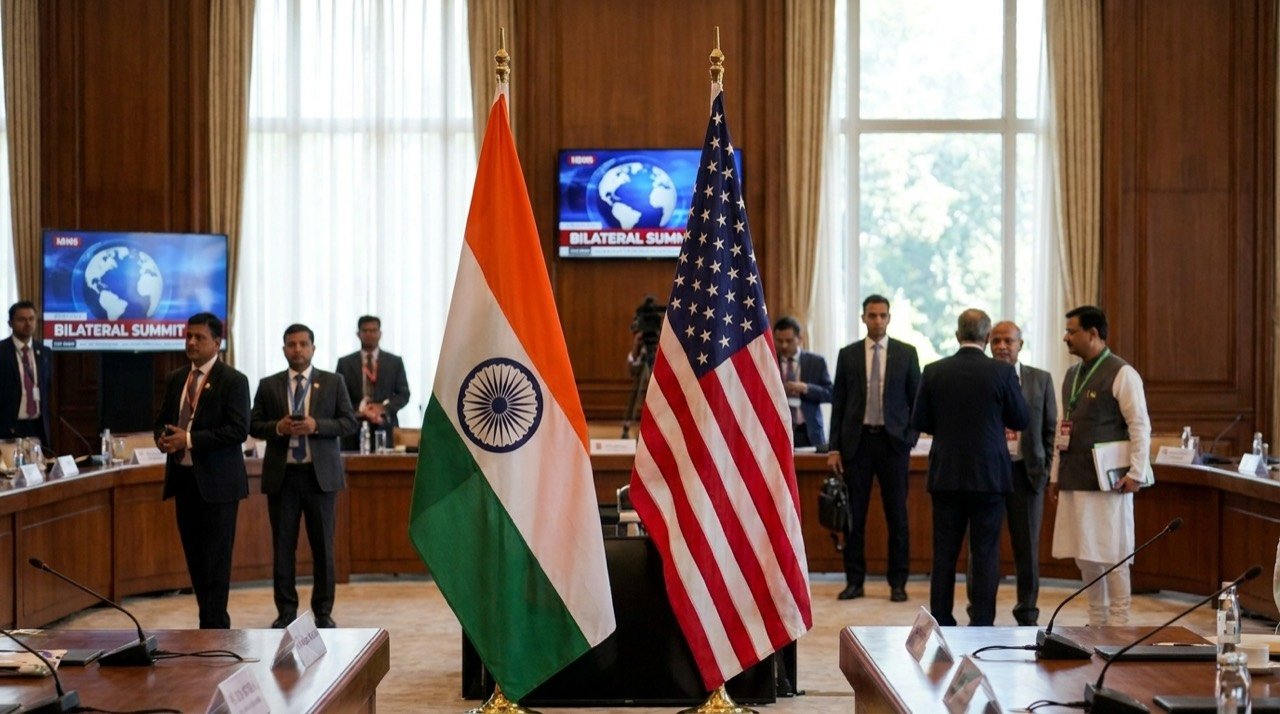
India and Canada Push to Seal the Reset, Targeting a Trade Pact by Year-End
Buoyed by personal rapport between Narendra Modi and Mark Carney, New Delhi and Ottawa are working to convert a fragile diplomatic thaw into a comprehensive trade agreement, with implications for students, professionals and the large Indo-Canadian diaspora.
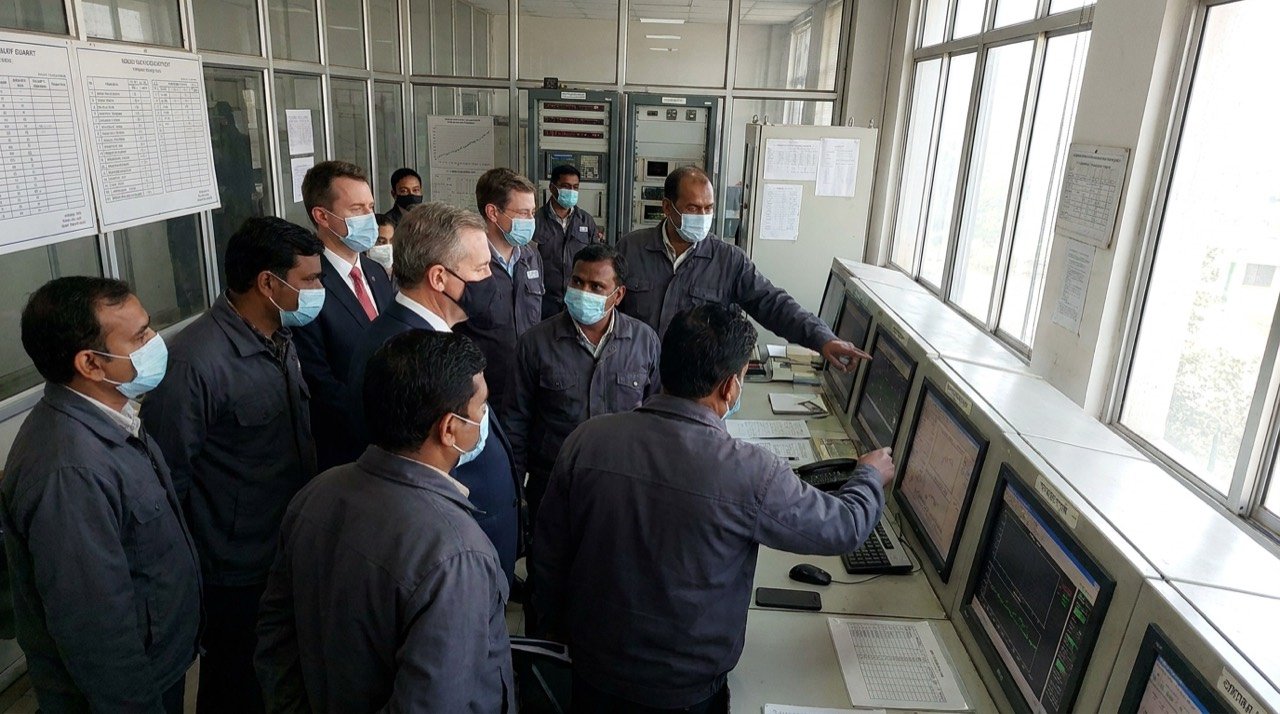
Iran-IAEA Inspection Standoff Tests Fragile Truce, With India Watching Its Energy Stakes
The UN nuclear watchdog insists inspectors will return to Iran's enrichment sites under an interim US-Iran deal, but Tehran says access waits for a final agreement, leaving Indian importers eyeing both oil flows and the Strait of Hormuz.
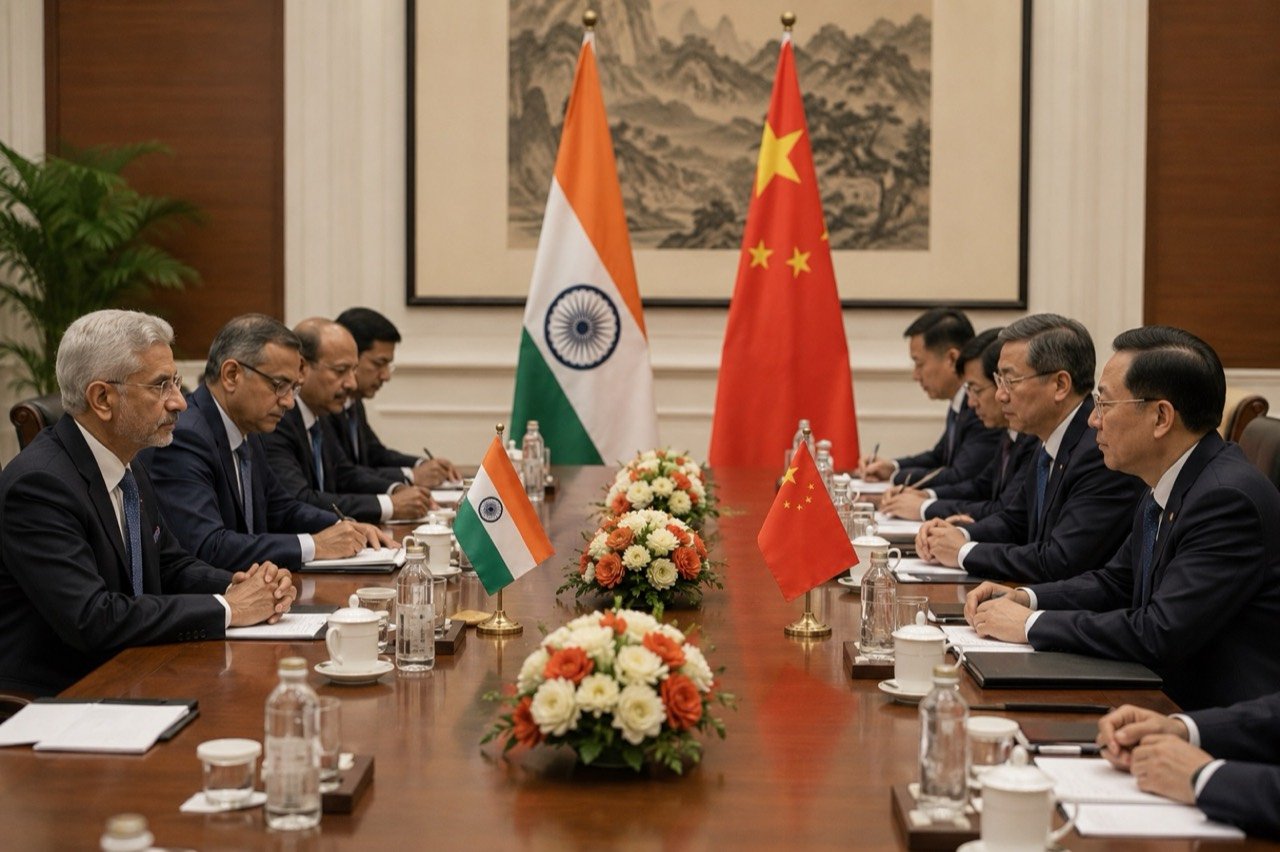
India-China Security Talks Signal Cautious Normalisation of Ties
NSA Ajit Doval and Chinese Foreign Minister Wang Yi met on the sidelines of the BRICS security advisers' meeting in New Delhi, noting progress toward a gradual, guarded normalisation of strained relations.
More from this section
More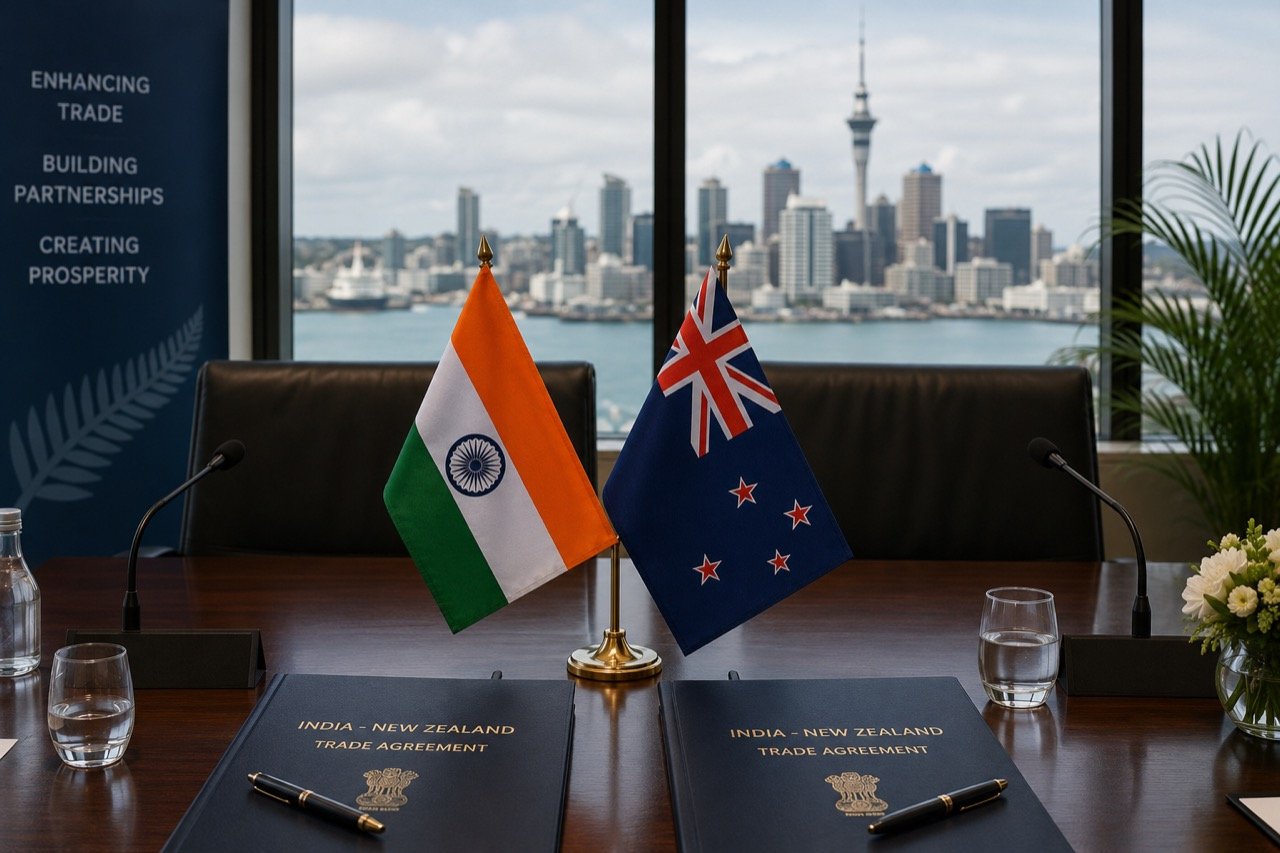
India-New Zealand Ties: Visit Plans Put FTA and Diplomacy in Focus
Reports of a planned high-level India-New Zealand engagement have revived attention on free trade talks, professional mobility and Indo-Pacific cooperation between two partners with clear room to grow.
Modi Greets Trump on US 250th Independence Day, Hails Partnership
Prime Minister Narendra Modi marked America's 250th Independence Day with a message to President Trump, saying the next 250 years should lift the India-US partnership to new heights.
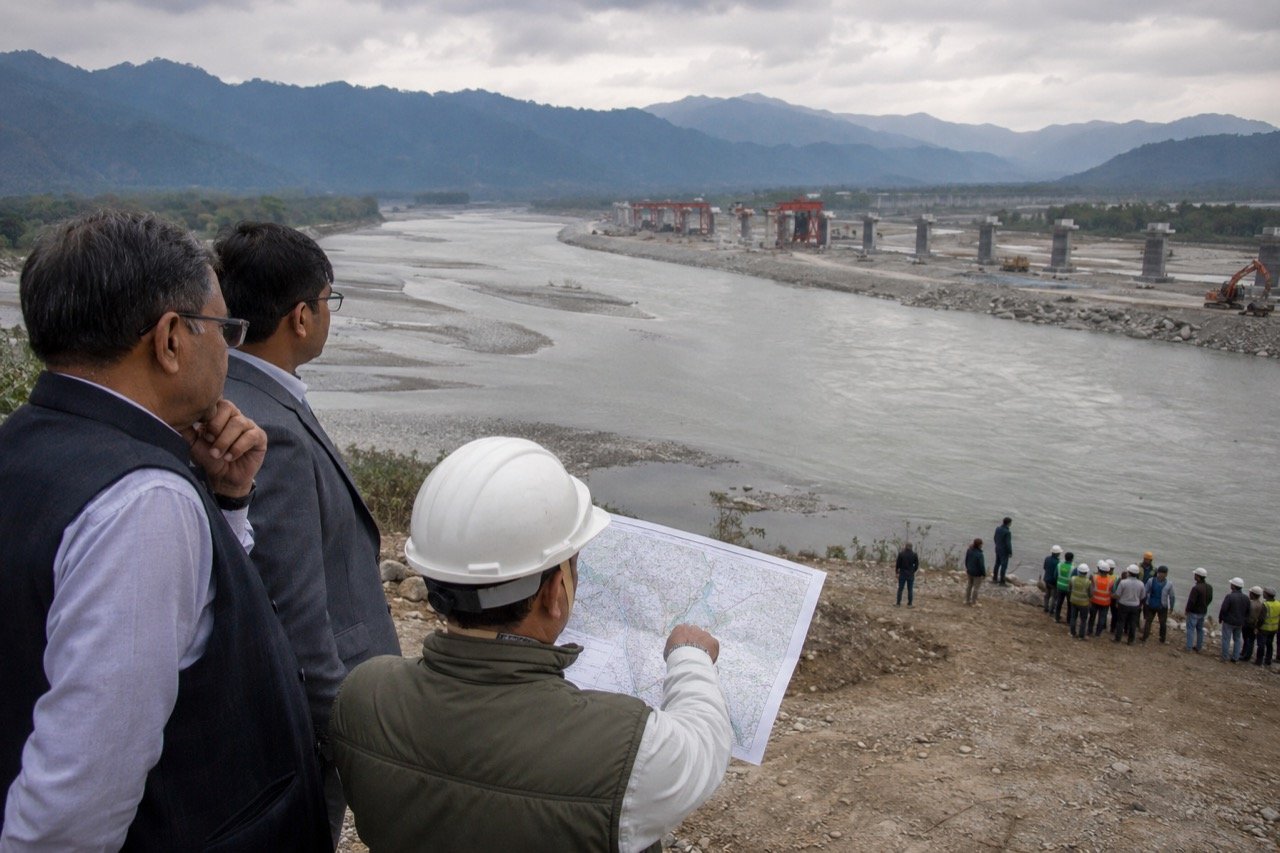
India Watches Dhaka's China-Backed Teesta Plan as Stakes Rise
New Delhi is closely tracking Bangladesh's proposal to develop the Teesta river with Chinese assistance, a move that revives one of South Asia's most sensitive water-sharing disputes and tests regional strategic trust.