India and Canada Push to Seal the Reset, Targeting a Trade Pact by Year-End
Buoyed by personal rapport between Narendra Modi and Mark Carney, New Delhi and Ottawa are working to convert a fragile diplomatic thaw into a comprehensive trade agreement, with implications for students, professionals and the large Indo-Canadian diaspora.
Commentary & Analysis ·
India and Canada are pressing to lock in their hard-won diplomatic reset, with both sides now targeting the conclusion of a comprehensive trade agreement by the end of 2026. The renewed momentum, anchored in a working relationship between Prime Ministers Narendra Modi and Mark Carney, marks a striking turnaround from the deep freeze of the previous two years. That two governments which barely a year ago were expelling each other's diplomats are now speaking of a "forward-looking strategic partnership" says something about how quickly geopolitical incentives can realign once the immediate crisis passes. It also says something about how fragile such realignments can be if the underlying irritants are never resolved, only papered over.
From rupture to repair
Relations had collapsed after the 2023 killing of a Sikh separatist in Canada led to mutual expulsions of diplomats and a sharp reduction in services. For close to two years, the relationship sat in a kind of diplomatic deep freeze: visa processing slowed, high commissions operated at reduced capacity, and the routine traffic of trade delegations, student exchanges and ministerial visits that normally binds two Commonwealth democracies together largely dried up. The damage was not merely symbolic. Thousands of Indian students, temporary workers and family-visa applicants in Canada, along with Canadian businesses eyeing the Indian market, found themselves collateral to a dispute that had nothing to do with them.
The thaw gathered pace through 2026, including a meeting between Modi and Carney on the sidelines of the G7 summit at Evian-les-Bains, where the two leaders reaffirmed a commitment to a "forward-looking strategic partnership." Summit sidelines are often where the hardest diplomatic resets are quietly agreed, precisely because they allow leaders to signal intent without the domestic political theatre of a dedicated bilateral visit. That the Evian meeting produced a public reaffirmation, rather than vague noncommittal language, suggests both governments judged the political cost of continued estrangement had grown too high to bear.
Canada's High Commissioner has publicly credited the personal rapport between the two leaders for driving the reset, describing the relationship as entering a phase of renewed cooperation despite the bitterness of recent years. Carney's arrival in office itself matters here: a change of prime minister in Ottawa gave both capitals a natural, face-saving reset point, allowing the reconciliation to proceed without either side being seen to climb down from positions taken under the previous Canadian government.
Trade as the anchor
At the centre of the effort is a revived push for a Comprehensive Economic Partnership Agreement, with negotiators aiming to conclude talks within the year. Using trade as the anchor for a broader political reconciliation is a familiar diplomatic technique, and a sensible one: economic agreements create durable institutional stakeholders on both sides, from exporters to investors to regulators, whose interests lie in the relationship succeeding regardless of the political weather. A CEPA would give the reset ballast that a single summit meeting cannot.
A large Indian trade mission of more than 120 companies travelled to Canada earlier in 2026, signalling business appetite on both sides for deeper investment and market access. A delegation of that scale is not organised lightly; it implies months of preparatory work by India's commerce ministry and industry bodies, and a reading in New Delhi that the political climate had shifted enough to justify the investment of corporate time and money. It also signals to Ottawa that Indian business is prepared to move quickly once the diplomatic path is clear, which strengthens the hand of those within the Canadian government pushing for faster progress on CEPA.
Restored visa services and fuller diplomatic representation have already eased pressures on families, students and businesses caught in the earlier standoff, a tangible benefit for the substantial Indo-Canadian community. This is arguably the most immediate and human dimension of the reset. Canada hosts one of the largest Indian diasporas in the world, and the disruption to consular services during the freeze fell hardest on ordinary people: students awaiting visa renewals, families separated by processing delays, and small businesses unable to secure timely travel documentation for staff. The restoration of these services is a dividend the two governments can point to well before any trade text is finalised.
What a rapport can and cannot do
The personal chemistry between Modi and Carney has clearly been useful in unsticking a relationship that had calcified into mutual recrimination. Leader-level rapport can break logjams, set deadlines, and give bureaucracies on both sides political cover to negotiate pragmatically rather than defensively. But rapport is, by its nature, contingent on the individuals involved remaining in office and remaining aligned. Modi has led India continuously for over a decade; Carney's tenure in Canadian politics is comparatively fresh, and Canadian governments have historically been more prone to turnover than India's. A reset built primarily on the warmth between two individuals is vulnerable to the ordinary churn of democratic politics in a way that treaty text, ratified and embedded in law, is not.
Hurdles remain, including sensitivities around security and diaspora politics that derailed ties before. Canada's Sikh diaspora includes constituencies with strong views on Khalistani separatism, and Canadian domestic politics, particularly in ridings with large Indo-Canadian populations, will continue to intersect with foreign policy in ways that New Delhi finds difficult to control or even fully predict. Any future incident touching on these sensitivities has the potential to reopen the wound that took years to even begin healing.
Why the timing matters
Both governments are framing closer trade as a hedge amid global uncertainty, and the timing is not incidental. Shifting global trade patterns, tariff disputes involving major economies, and a broader push by middle powers to diversify their economic partnerships away from overreliance on any single market have made bilateral deals like a prospective India-Canada CEPA more strategically attractive than they might have seemed a few years ago. For Canada, deeper trade ties with India offer diversification away from dependence on the United States. For India, Canada offers access to capital, resources and technology, along with a large, economically significant diaspora that can serve as a bridge for investment and trade flows in both directions.
The coming months will test whether the reset can mature into a durable economic partnership rather than another false dawn. Trade negotiations of this scope typically involve contentious chapters on agriculture, services, investor protections and mobility for professionals and students, any of which could slow the end-2026 timeline. Negotiators on both sides will be watching not just the substance of talks but the political temperature back home, since a single flashpoint involving diaspora politics or security allegations could just as easily derail this round of talks as it did the last.
The NE Times View
A leader-to-leader rapport is a useful spark, but it is a thin foundation for a durable pact. The real test is whether Ottawa can insulate trade talks from the diaspora-politics flashpoints that wrecked the last reset. For Indian students and professionals, a CEPA matters far more than handshakes; New Delhi should anchor it in mobility and investment guarantees, not goodwill that evaporates with the next election cycle. If the two governments want this reset to outlast the current political moment, they would do well to move quickly on the substantive text of the agreement while the rapport lasts, rather than treating the warmth between Modi and Carney as a substitute for it.
Key takeaways
- India and Canada are targeting the conclusion of a Comprehensive Economic Partnership Agreement by the end of 2026, reviving talks that stalled after the 2023 diplomatic rupture.
- The reset has been driven substantially by personal rapport between Prime Ministers Modi and Carney, reaffirmed at a G7 sidelines meeting in Evian-les-Bains.
- A 120-plus company Indian trade mission to Canada and the restoration of visa and diplomatic services point to tangible momentum beyond symbolic gestures.
- Security concerns and diaspora politics remain the principal risks that could derail talks again, as they did after the 2023 killing and subsequent expulsions.
- The durability of the reset will depend on whether it is embedded in binding trade and mobility commitments rather than left dependent on leader-level goodwill.
You may also like to read
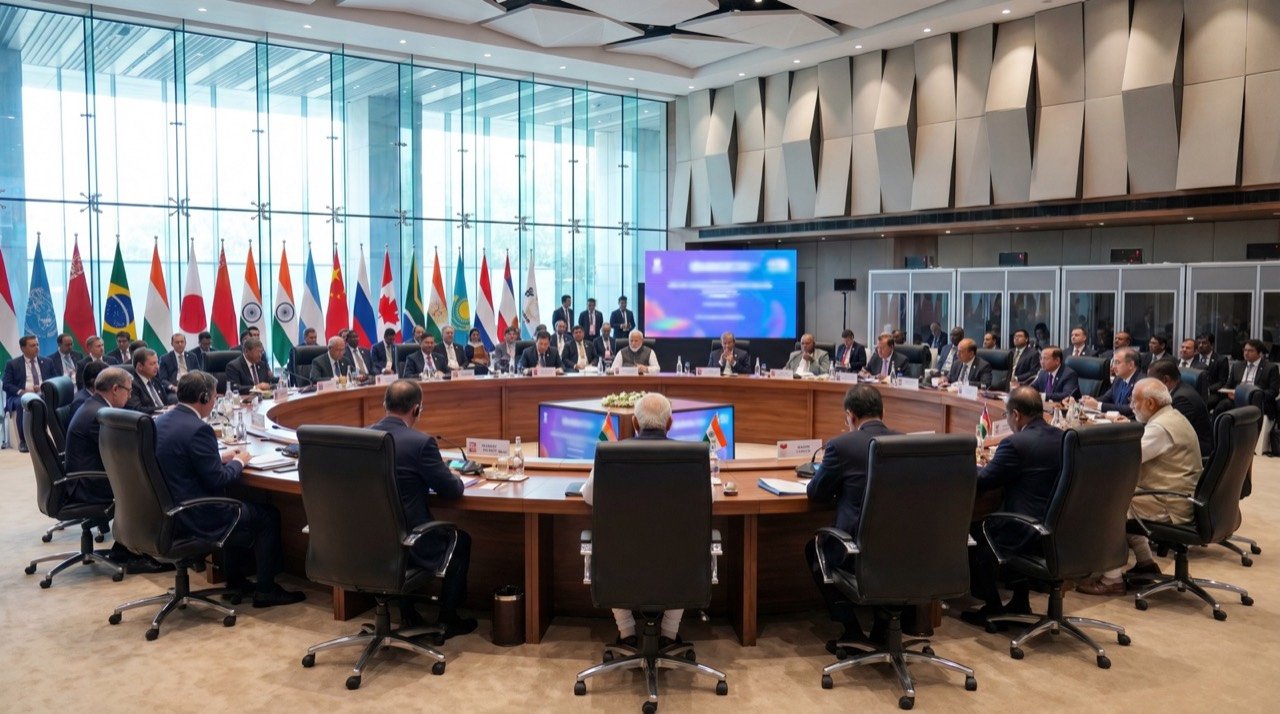
EU Leaders Gather In Brussels For Budget, Ukraine And US Trade Showdown
European Union heads meet for a high-stakes two-day summit covering the next long-term budget, Ukraine, Middle East fallout and a fresh vote on the EU-US trade deal.
India And US Close In On First Tranche Of Trade Deal As Negotiators Call It 99 Per Cent Done
After three days of talks in New Delhi, India and the United States say the first tranche of their interim trade agreement is all but complete, with signatures expected within weeks.
India Hosts Regional Summit, Pushing Trade and Climate Cooperation
Leaders gathered for talks aimed at deepening regional trade ties and coordinating action on climate resilience.
India Seeks Reset With Dhaka Under Tarique Rahman As Trust Deficit And Ganga Treaty Loom
With a new elected government in Bangladesh, New Delhi is pushing to repair ties strained since 2024, but unresolved disputes over water, trade and visas continue to weigh on the relationship.
More from this section
More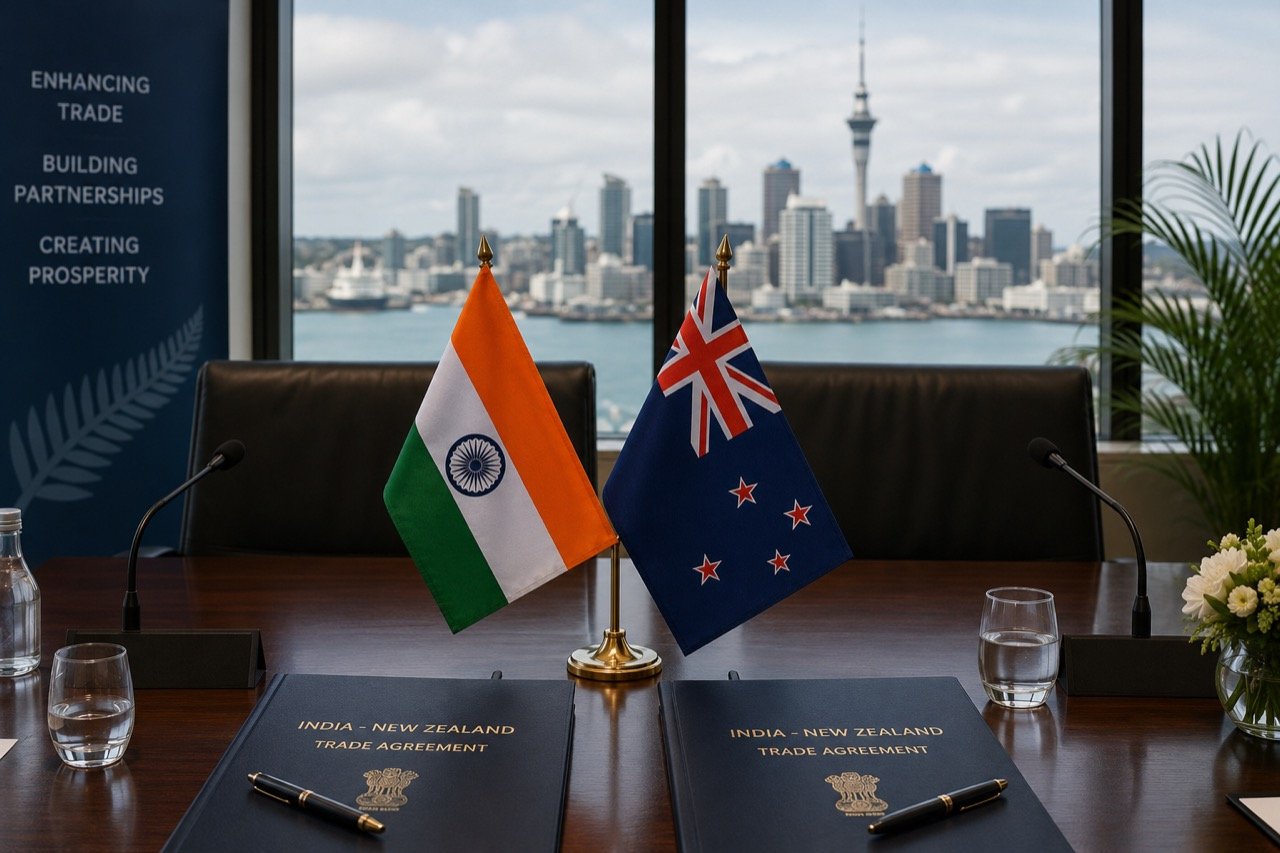
India-New Zealand Ties: Visit Plans Put FTA and Diplomacy in Focus
Reports of a planned high-level India-New Zealand engagement have revived attention on free trade talks, professional mobility and Indo-Pacific cooperation between two partners with clear room to grow.
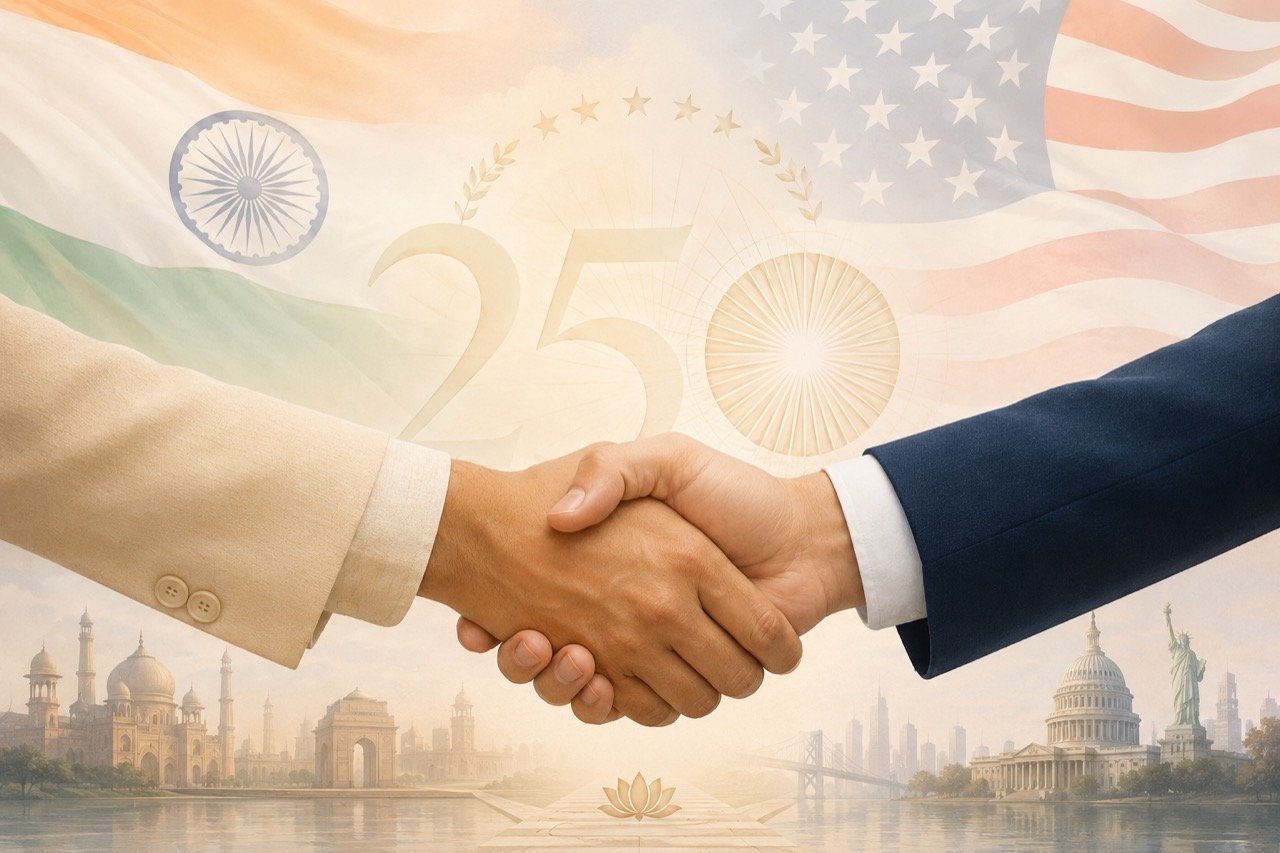
Modi Greets Trump on US 250th Independence Day, Hails Partnership
Prime Minister Narendra Modi marked America's 250th Independence Day with a message to President Trump, saying the next 250 years should lift the India-US partnership to new heights.
India Watches Dhaka's China-Backed Teesta Plan as Stakes Rise
New Delhi is closely tracking Bangladesh's proposal to develop the Teesta river with Chinese assistance, a move that revives one of South Asia's most sensitive water-sharing disputes and tests regional strategic trust.