India Doubles Down On Neighbourhood First With Sri Lanka And Nepal Outreach
As ties with parts of South Asia stay frosty, New Delhi is leaning on warmer relationships with Colombo and Kathmandu, deepening cooperation on defence, connectivity and energy.
Commentary & Analysis ·
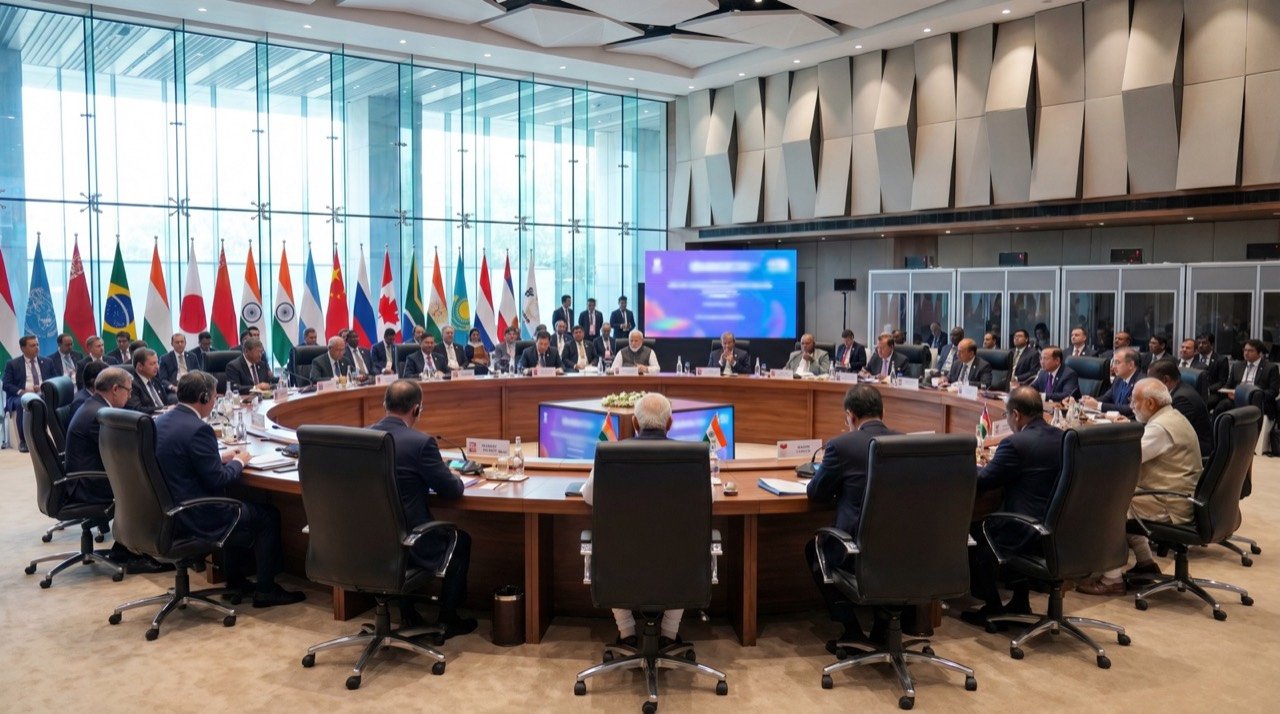
With several of its relationships across South Asia under strain, India is investing heavily in its warmer ties with Sri Lanka and Nepal, casting both as anchors of its Neighbourhood First policy. A run of high-level visits and cooperation frameworks over recent months underscores New Delhi's determination to consolidate friends in a region where its influence has faced fresh competition. The pattern is not accidental. It reflects a deliberate recalibration by New Delhi, one that acknowledges the limits of its reach in some capitals by doubling its efforts in others where the ground is more receptive.
Colombo, a steadying partner
Relations with Sri Lanka have stabilised markedly under President Anura Kumara Dissanayake, a shift that would have seemed less than assured given the ideological roots of his political movement. India's external affairs minister was among the first foreign dignitaries to reach Colombo after his election, carrying an invitation to visit New Delhi. That early outreach mattered. In diplomacy, the sequencing of visits often signals priority, and India's decision to move quickly after a change of government in Colombo was a clear statement of intent to keep the relationship on an even keel rather than wait and watch.
The two governments have since been building out cooperation across an unusually broad canvas: defence, development, connectivity, energy, digitalisation, education and trade. A framework agreement on defence cooperation, set in motion after Mr Dissanayake's earlier visit to India, has become a centrepiece of the relationship, reflecting Colombo's willingness to deepen security ties with New Delhi. This is notable because defence cooperation is traditionally among the most sensitive strands of any bilateral relationship, particularly for a smaller neighbour wary of being drawn too closely into a larger power's strategic orbit. That Sri Lanka has been willing to move in this direction suggests a level of comfort with India that was not always evident in the recent past, when Colombo's ties with Beijing generated periodic anxiety in New Delhi.
Kathmandu in focus
Nepal has also featured prominently in India's recent diplomacy, with back-to-back engagements by senior Nepali leaders and a ministerial visit to India in early June. The cadence of exchanges points to an effort to repair and reset a relationship that has seen periodic friction over boundary questions and external influence. Nepal occupies a particular place in Indian strategic thinking: geography, history, open borders and deep people-to-people links make it an intimate neighbour, but that very closeness has also been the source of recurring strain, whether over territorial disputes or perceptions in Kathmandu of Indian high-handedness. The frequency of recent high-level contact suggests both sides see value in smoothing over these frictions before they harden into longer-term estrangement.
A busy calendar of visits does not by itself resolve the underlying sensitivities that have periodically unsettled the relationship, but it does create the diplomatic space in which such issues can be managed rather than left to fester. For Nepal, sustained engagement with India also carries domestic political value, allowing its leadership to demonstrate that it can extract cooperation and support from its largest neighbour without being seen to compromise its own autonomy.
The strategic logic
The outreach is partly defensive. With relations strained elsewhere in the neighbourhood and China courting the same capitals through infrastructure and investment, New Delhi is keen to demonstrate that partnership with India delivers tangible benefits. Connectivity projects, energy links and people-to-people ties are the tools through which India hopes to make itself the indispensable regional partner. This is the essence of Neighbourhood First as it has evolved in practice: rather than treating South Asia as a uniform theatre, India appears to be triaging its diplomatic energy, investing most heavily where the returns are clearest and the political climate most favourable.
A regional foreign-policy analyst put it plainly, paraphrased as saying that a friendly Colombo and a stable Kathmandu are strategic assets India cannot afford to neglect. That framing captures the logic well. In a neighbourhood where India's ties with some capitals have cooled, Sri Lanka and Nepal represent proof of concept that the Neighbourhood First doctrine can still yield results, provided New Delhi is willing to put in the sustained diplomatic and material effort required.
Execution as the real test
The test will be execution. Frameworks and visits build goodwill, but delivering connectivity and energy projects on time is what ultimately cements influence. India's record on this front has been mixed in the past, with delays and cost overruns sometimes undercutting the diplomatic capital generated by high-profile agreements. If the current wave of cooperation frameworks with Colombo and Kathmandu is to translate into durable strategic gains, New Delhi will need to demonstrate a discipline in implementation that has not always been its strong suit.
For now, Sri Lanka and Nepal offer New Delhi a reminder that Neighbourhood First can still produce wins. That reminder carries weight precisely because it comes at a time when India's broader regional standing has faced headwinds. Successes in Colombo and Kathmandu will not, by themselves, offset difficulties elsewhere, but they demonstrate that the underlying premise of the policy, that sustained attention and tangible cooperation can keep neighbours close, remains sound when applied with consistency.
The NE Times View
Leaning on Colombo and Kathmandu while other ties stay cold is sensible triage, but neighbourhood policy is judged by its hardest cases, not its easiest. Defence, connectivity and energy cooperation are welcome, yet India must avoid the perception of overbearing influence that has cost it before, both in Sri Lanka and in Nepal, where the memory of past frictions has not fully faded. Reliable delivery and respect for partners' sovereignty will do more than grand announcements. If New Delhi can carry through on the frameworks now being negotiated, rather than allowing them to stall as similar initiatives have in the past, it will have done more to secure its regional standing than any number of high-profile visits. The measure of Neighbourhood First, ultimately, will not be the warmth of the easier relationships but whether India can apply the same patience and consistency to the more difficult ones.
Key takeaways
- Ties with Sri Lanka have stabilised under President Dissanayake, with a defence cooperation framework and broader engagement across energy, connectivity, digitalisation and trade.
- India's external affairs minister was among the first foreign dignitaries to visit Colombo after Mr Dissanayake's election, signalling early priority for the relationship.
- Nepal has seen back-to-back high-level engagements, including a ministerial visit to India in early June, aimed at repairing periodic friction over boundary questions and external influence.
- The outreach is partly a defensive response to competition from China's infrastructure and investment diplomacy in the same capitals.
- Execution, not just agreements, will determine whether these frameworks translate into lasting strategic gains for India.
You may also like to read
India Seeks Reset With Dhaka Under Tarique Rahman As Trust Deficit And Ganga Treaty Loom
With a new elected government in Bangladesh, New Delhi is pushing to repair ties strained since 2024, but unresolved disputes over water, trade and visas continue to weigh on the relationship.
India And US Close In On First Tranche Of Trade Deal As Negotiators Call It 99 Per Cent Done
After three days of talks in New Delhi, India and the United States say the first tranche of their interim trade agreement is all but complete, with signatures expected within weeks.
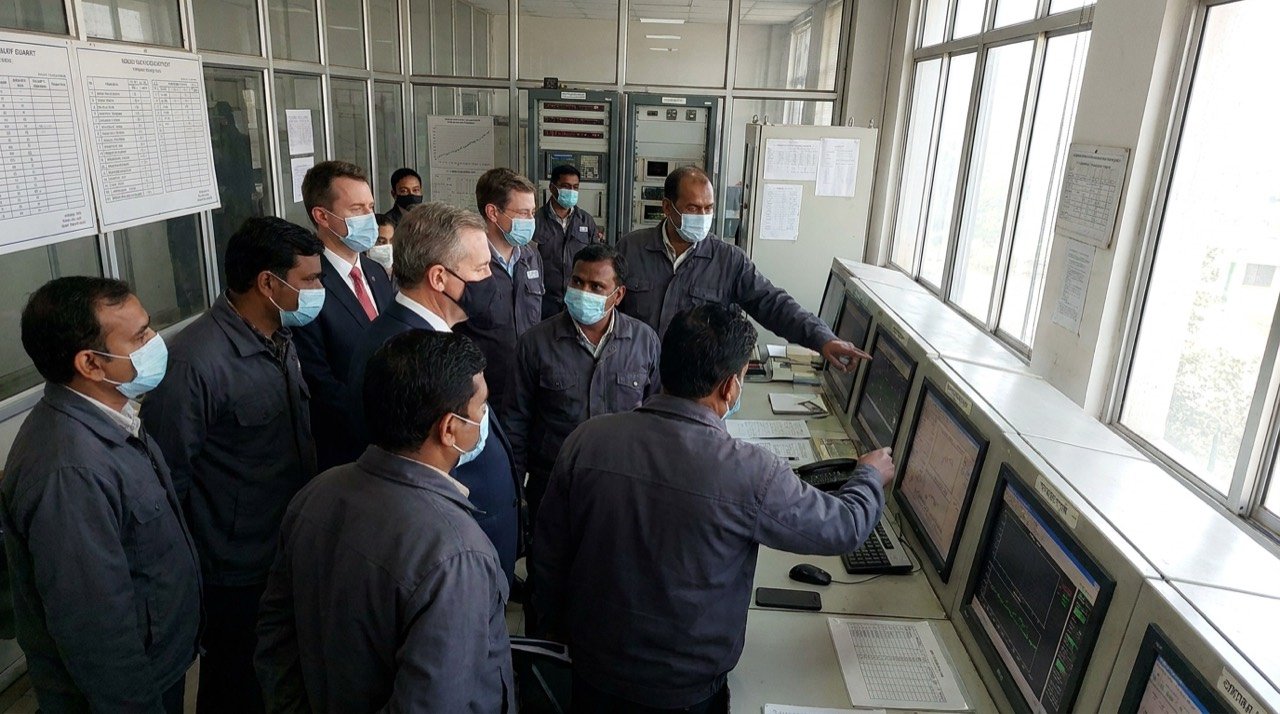
Iran-IAEA Inspection Standoff Tests Fragile Truce, With India Watching Its Energy Stakes
The UN nuclear watchdog insists inspectors will return to Iran's enrichment sites under an interim US-Iran deal, but Tehran says access waits for a final agreement, leaving Indian importers eyeing both oil flows and the Strait of Hormuz.
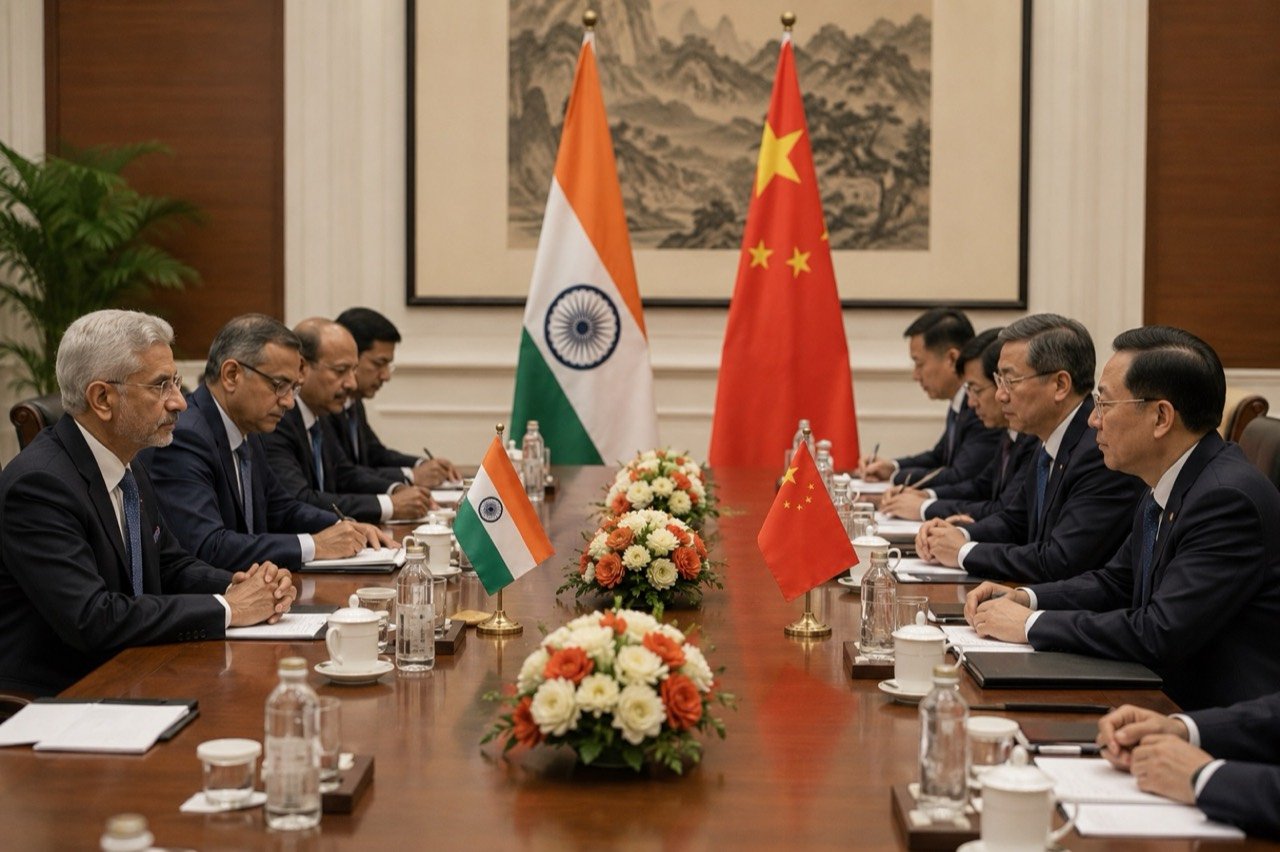
India-China Security Talks Signal Cautious Normalisation of Ties
NSA Ajit Doval and Chinese Foreign Minister Wang Yi met on the sidelines of the BRICS security advisers' meeting in New Delhi, noting progress toward a gradual, guarded normalisation of strained relations.
More from this section
More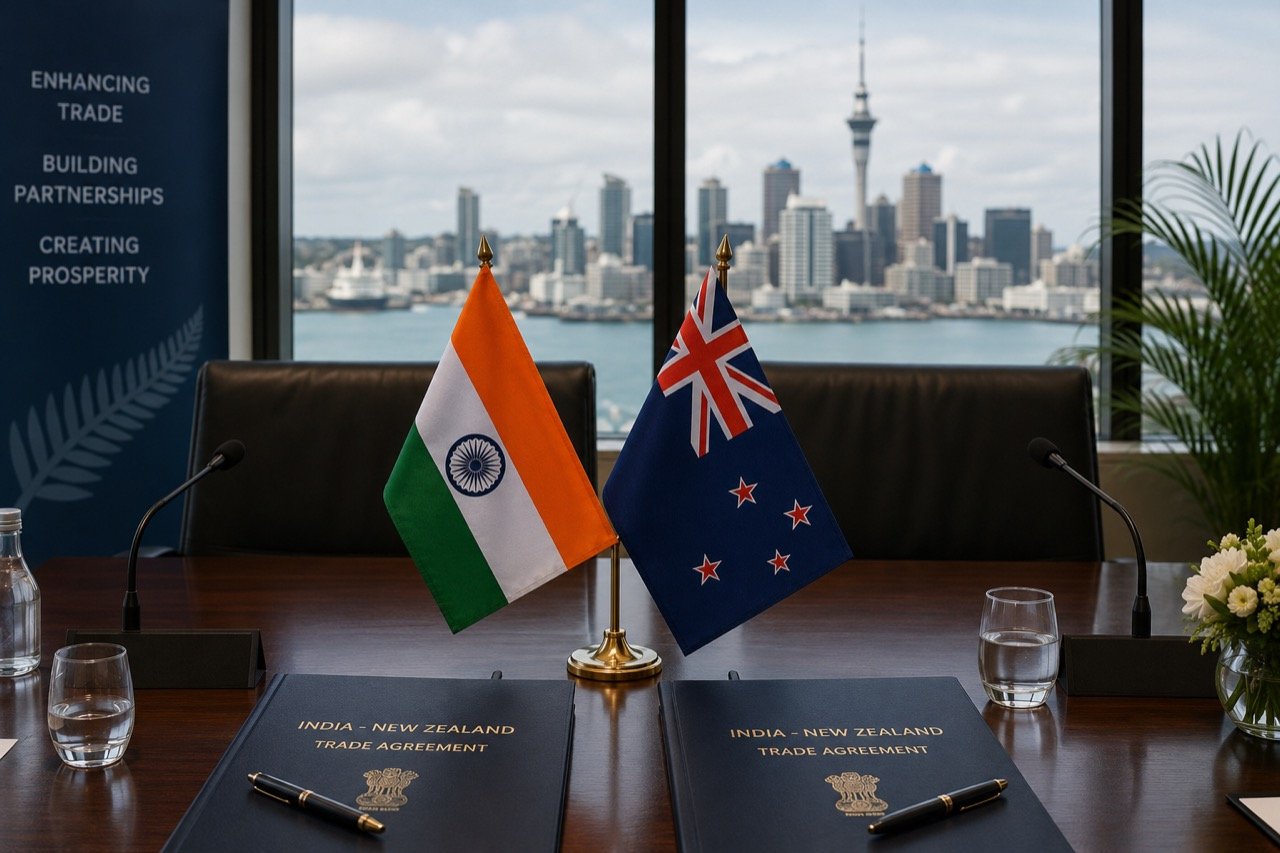
India-New Zealand Ties: Visit Plans Put FTA and Diplomacy in Focus
Reports of a planned high-level India-New Zealand engagement have revived attention on free trade talks, professional mobility and Indo-Pacific cooperation between two partners with clear room to grow.
Modi Greets Trump on US 250th Independence Day, Hails Partnership
Prime Minister Narendra Modi marked America's 250th Independence Day with a message to President Trump, saying the next 250 years should lift the India-US partnership to new heights.
India Watches Dhaka's China-Backed Teesta Plan as Stakes Rise
New Delhi is closely tracking Bangladesh's proposal to develop the Teesta river with Chinese assistance, a move that revives one of South Asia's most sensitive water-sharing disputes and tests regional strategic trust.