India's Ship Recycling Share Rises to 35.4 Percent, Leading the World in 2025
India became the world's leading ship recycling nation in 2025 with a 35.4 percent global share, a gain the shipping ministry credits to policy reform, Hong Kong Convention compliance and the Alang expansion.
Commentary & Analysis ·
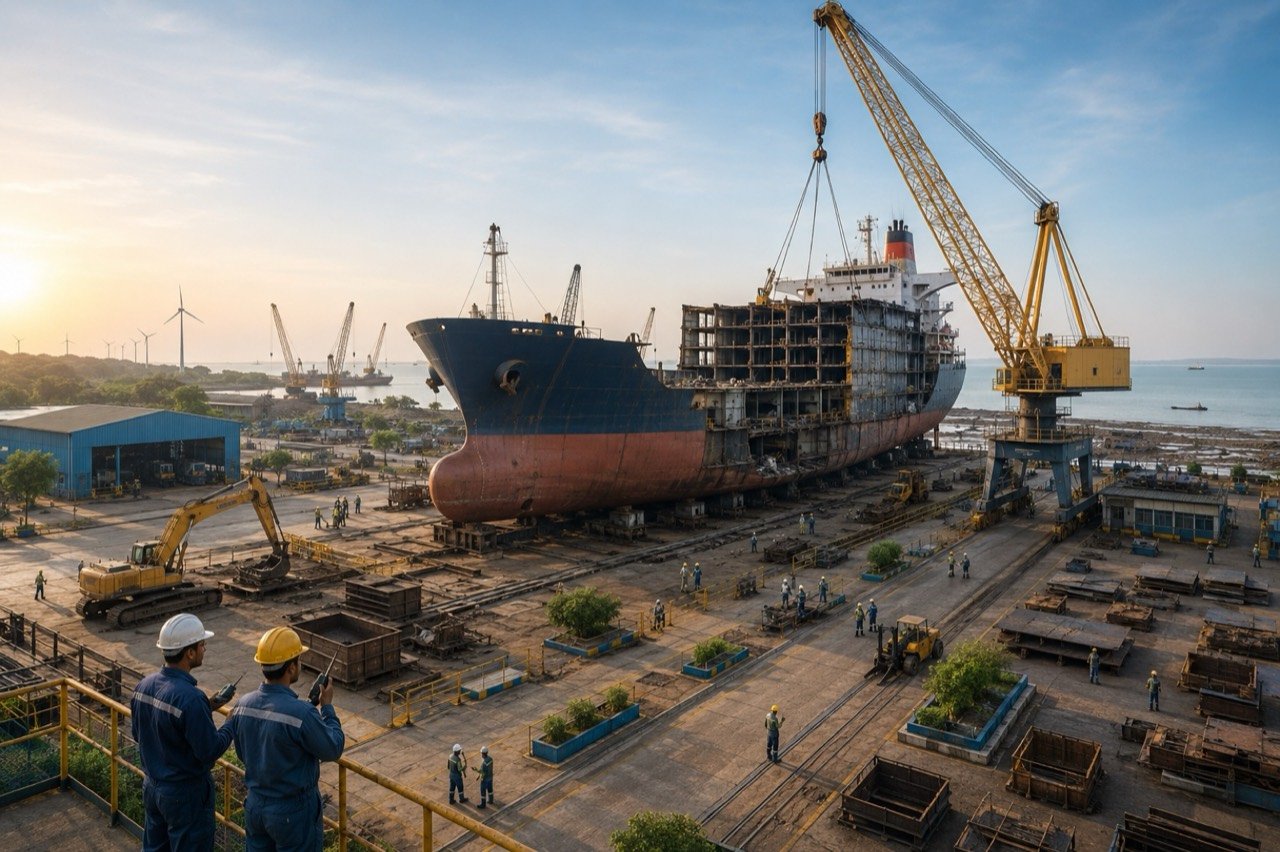
India's share of global ship recycling rose to 35.4 percent in 2025, making it the world's leading ship recycling nation that year, according to the shipping ministry. The milestone marks a notable step up for an industry centred on the vast yards of Alang in Gujarat, and the government has tied the gain to a sustained push on policy, compliance and infrastructure.
What drove the gain
The ministry linked the rise to a cluster of maritime policy reforms, compliance with the Hong Kong Convention on safe and environmentally sound ship recycling, the Recycling of Ships Act, modernisation of yards and the Alang expansion plan. Together, these are intended to reposition India not merely as the largest recycler by volume, but as a credible, standards-compliant destination for global tonnage.
That distinction matters. Ship recycling has historically been dogged by concerns over worker safety and environmental damage. By aligning with international conventions, India aims to attract owners who want their vessels dismantled responsibly, and who may previously have hesitated over reputational risk.
Why Alang is central
Alang has long been one of the world's largest ship-breaking hubs, and the expansion plan is designed to increase capacity while upgrading the facilities that handle hazardous materials, steel recovery and worker welfare. Yard modernisation is the bridge between raw scale and the higher standards that the Hong Kong Convention demands.
The economic logic is compelling. Recycled steel feeds India's construction and manufacturing supply chains, the industry sustains thousands of jobs, and a larger share of global tonnage strengthens the country's position in a market that turns over millions of tonnes of end-of-life vessels each year.
The road ahead
Leading the world in a single year is an achievement; sustaining it is a harder test. The industry's future will depend on holding compliance standards as volumes grow, maintaining worker safety, and managing the environmental footprint of large-scale dismantling.
- India's 2025 global ship recycling share: 35.4 percent
- The country ranked as the leading ship recycling nation that year
- Growth credited to maritime policy reforms and the Recycling of Ships Act
- Hong Kong Convention compliance central to the strategy
- Yard modernisation and the Alang expansion underpin capacity gains
For India, the figures signal that a deliberate strategy of reform and compliance can convert an old, hazard-prone trade into a more responsible and internationally credible industry. The challenge now is to ensure that environmental and safety standards rise in step with market share, so that leadership in volume becomes leadership in practice.
The NE Times View
Leading the world in ship recycling with a 35.4 percent share is a genuine industrial achievement, and credit to policy reform and Hong Kong Convention compliance is warranted. The NE Times View: global leadership only matters if Alang's gains in worker safety and environmental standards are real and sustained, not regulatory window-dressing. The reputation of a dirty industry is changing; the proof lies in audited conditions on the ground.
This article is original commentary and analysis by The NE Times. Background facts were referenced from Business Standard and the shipping ministry.
You may also like to read
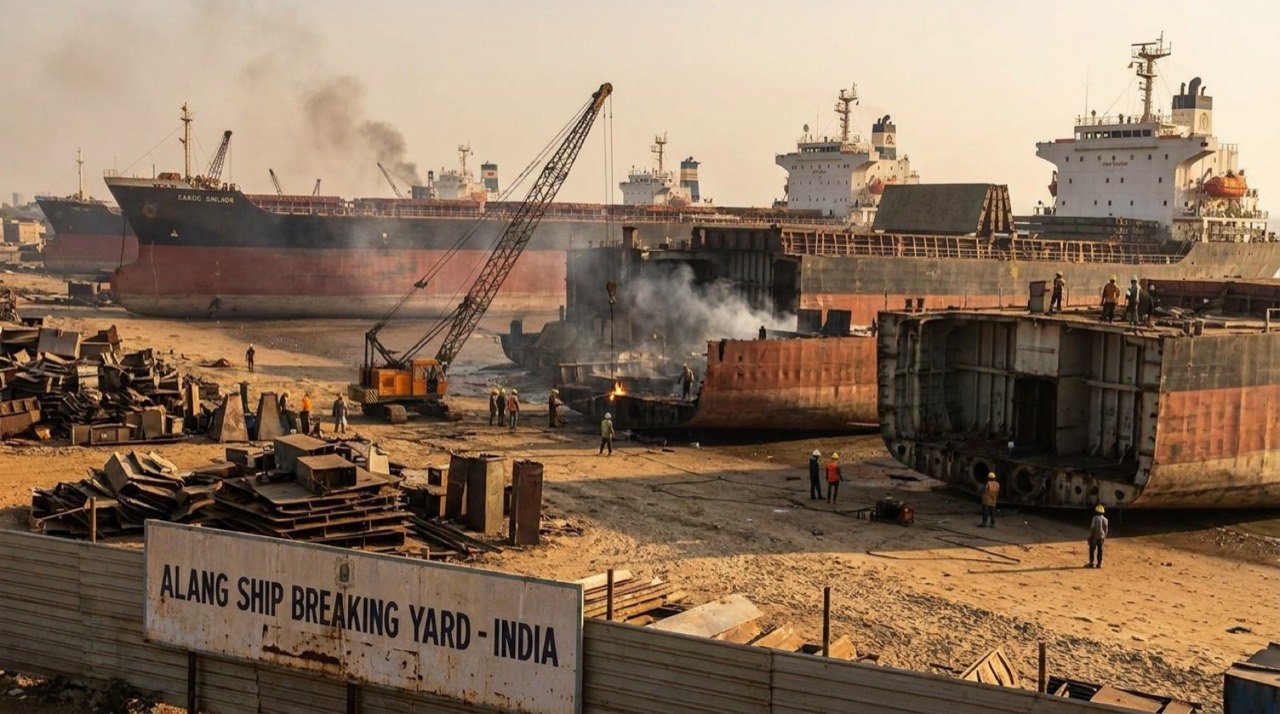
India Becomes World's Top Ship-Recycling Nation in 2025
India's global share of ship recycling rose to 35.4 percent in 2025, the Ministry of Ports cited UNCTAD data as saying, helping the country meet a Maritime India Vision 2030 target years ahead of schedule.

Sanand Semiconductor Plant: What CG Semi's Launch Means for India
Commercial production at CG Semi's chip assembly and test facility in Sanand, marked by remarks from Prime Minister Modi, has renewed focus on how far India's semiconductor manufacturing push has actually come.

Mundra Airport Launches First Scheduled Flights, Linking Kutch to Mumbai and Goa
Adani's Mundra Airport began scheduled commercial operations on June 23, with Star Air connecting the Gujarat port town to Mumbai and Goa in a milestone for regional air connectivity in Kutch.
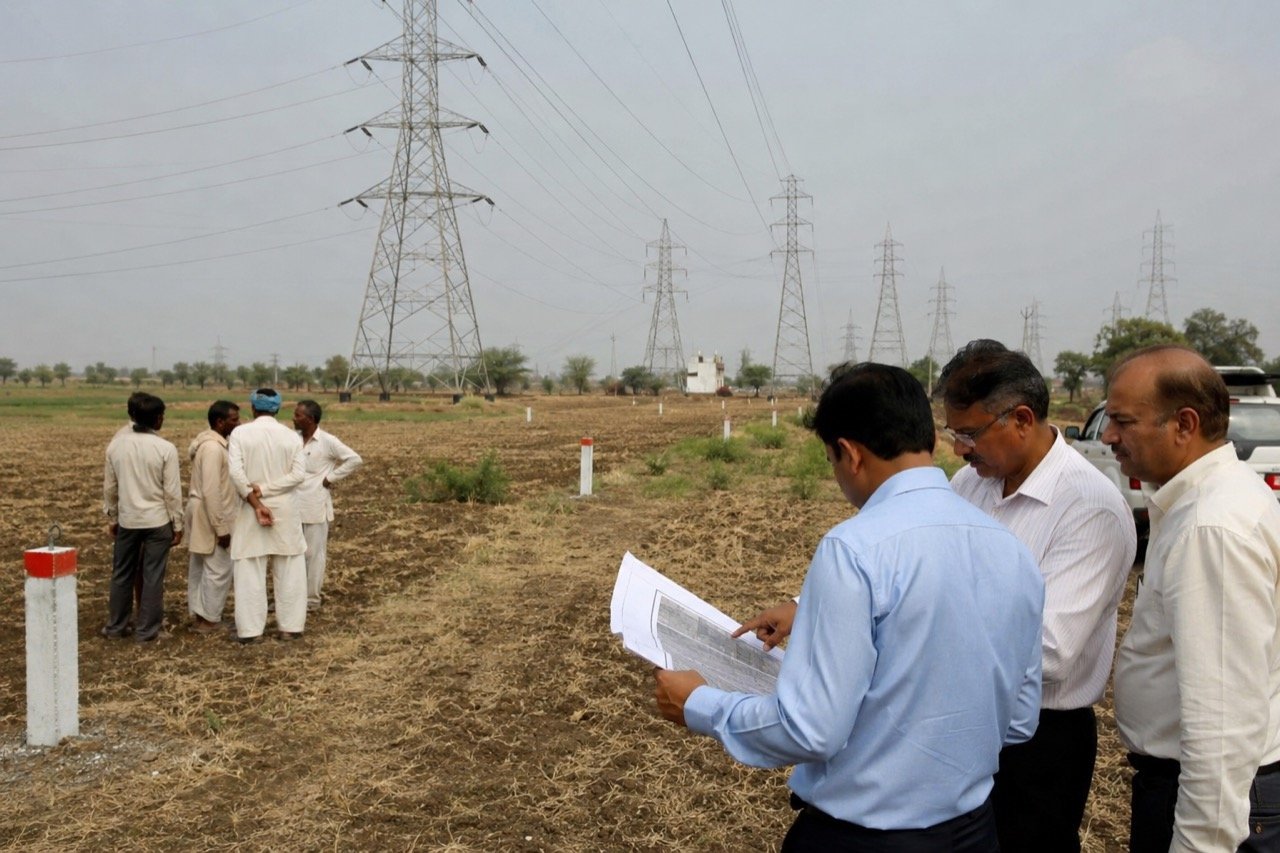
Gujarat Reworks Land Compensation Rules for Power Transmission
Gujarat has revised its land compensation policy for power transmission projects, a move that could ease landowner disputes and speed the grid expansion India's energy transition depends on.
More from this section
More
Adani Case: US DOJ Pushes for Permanent Dismissal of Charges
The US Department of Justice has urged a judge to permanently dismiss charges against Gautam Adani, calling the case legally flawed — a reversal with consequences for markets, diplomacy and cross-border enforcement.

Akasa Air Inducts 40th Aircraft in Indian Aviation Scale-Up
Akasa Air's 40th aircraft, ferried to Bengaluru via Seattle, Reykjavik and Cairo, marks a fleet milestone for the young carrier and a fresh signal that India's aviation market remains firmly in expansion mode.
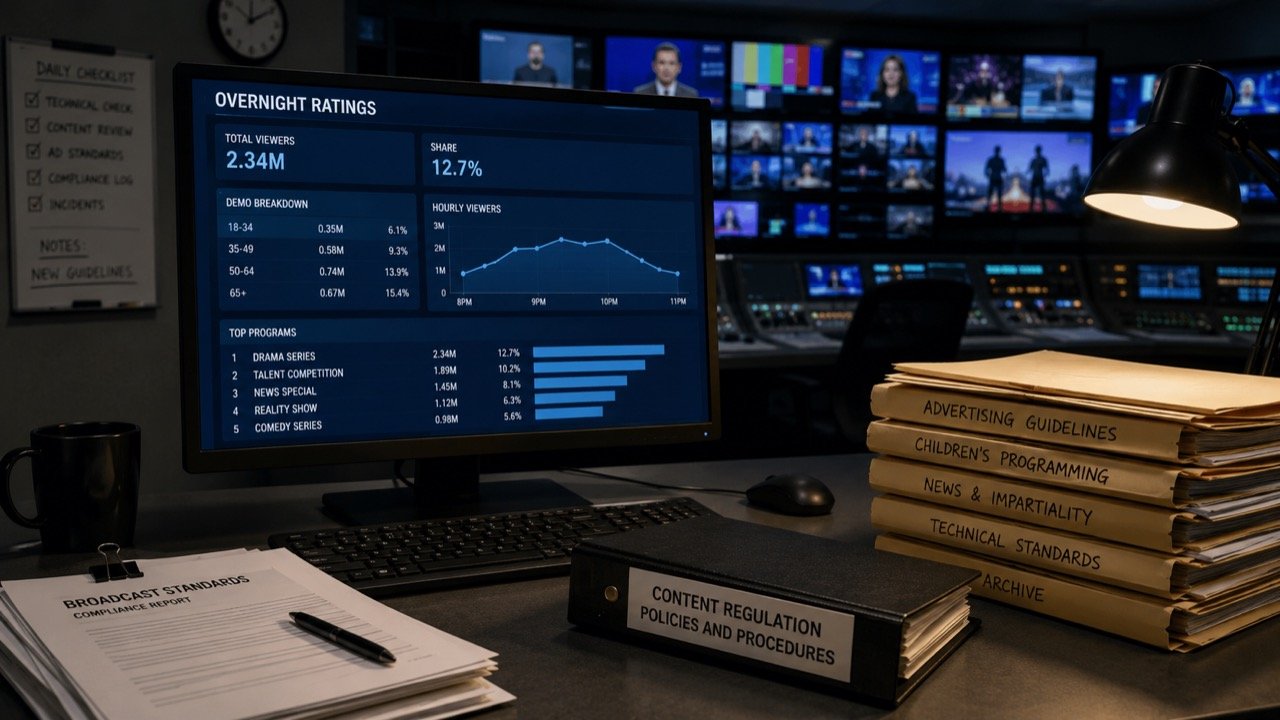
BARC Ratings Suspension Leaves Indian TV Industry Flying Blind
BARC's pause on television ratings has put India's broadcast measurement system under fresh scrutiny, leaving broadcasters, advertisers and media planners without the weekly audience data that anchors the TV economy.