India and ESA Deepen Human Spaceflight Ties, Eye Joint Work on Space Station
ISRO and the European Space Agency are advancing cooperation on human spaceflight, astronaut training and lunar science, opening the door to European involvement in the planned Bharatiya Antariksh Station.
Commentary & Analysis ·
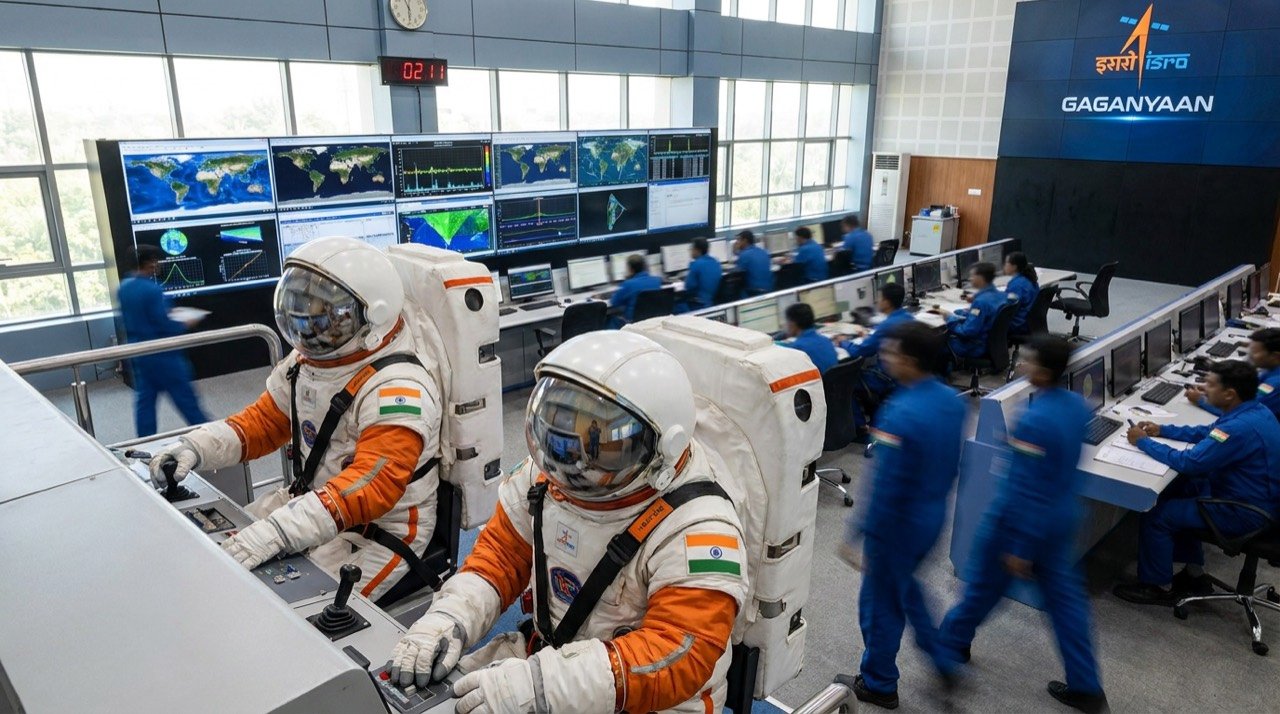
India's human spaceflight ambitions are increasingly being shaped in partnership with Europe, as the Indian Space Research Organisation and the European Space Agency move to expand cooperation on crewed missions, astronaut training and joint science. The deepening relationship raises the prospect of European astronauts one day flying to India's planned orbital outpost, the Bharatiya Antariksh Station.
From statement of intent to substance
The collaboration builds on a Joint Statement of Intent on Human Space Exploration signed by the two agencies, which set out areas including astronaut flight opportunities, early scientific use of India's future space station and the development of low-Earth-orbit infrastructure. Officials on both sides have signalled a desire to convert that framework into concrete technical cooperation.
Among the ideas under discussion are interoperability standards that would let spacecraft from different countries dock and work together, shared astronaut training, and joint scientific missions, including to the Moon. Such standardisation is a quiet but crucial enabler of international missions, allowing hardware built by different programmes to connect safely.
The station at the centre
The centrepiece of India's plans is the Bharatiya Antariksh Station, a modular orbital facility to be built and operated by ISRO. The Union Cabinet has approved development of its first module, with the broader station folded into a redesigned Gaganyaan roadmap that runs through the end of the decade.
ESA has indicated it could use the station for visits and research, and may support ISRO with cargo-delivery capability. For Europe, partnership offers a foothold in a fast-rising space programme; for India, it brings experience, credibility and shared cost as it attempts one of its most complex undertakings yet.
- ISRO and ESA expanding cooperation on human spaceflight and lunar science.
- Focus areas include astronaut training and spacecraft interoperability.
- Possible European astronaut flights to the Bharatiya Antariksh Station.
- First station module approved within the redesigned Gaganyaan plan.
- ESA signals potential cargo-delivery support for the station.
A bigger global role
The warming ties come as India broadens its international space footprint, having launched satellites for several foreign partners and positioned itself as a reliable, lower-cost launch provider. Tying that commercial momentum to a flagship human-spaceflight project gives the programme both prestige and practical heft.
Much work remains before any joint crewed mission becomes reality, including the uncrewed Gaganyaan test flights that must precede India's first home-grown astronaut launch. But the trajectory is clear: India increasingly wants to be a partner in, not just a customer of, the global space economy.
The NE Times View
Deeper ties with Europe diversify India's space partnerships at a sensible moment, hedging beyond any single power as the orbital economy crowds. Astronaut training and lunar science are areas where shared cost lowers risk, and European interest in the Bharatiya Antariksh Station lends it credibility. The real measure will be binding commitments and hardware, since space cooperation tends to generate warm communiques far more readily than launched modules.
This article is original commentary and analysis by The NE Times. Background facts were referenced from The Hindu and Reuters.
You may also like to read
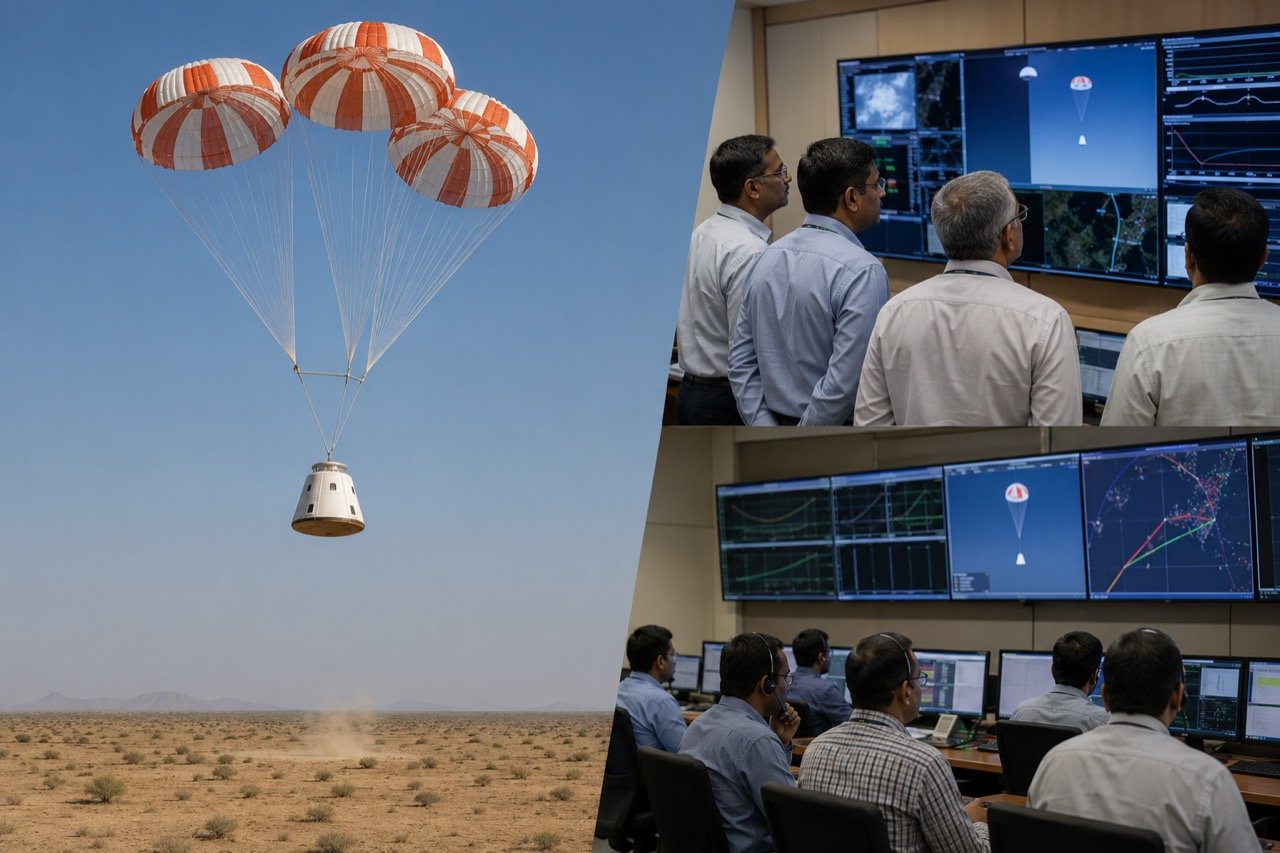
Gaganyaan Parachute Test Success Moves ISRO Closer to Crewed Flight
ISRO has completed successful integrated parachute tests for the Gaganyaan crew capsule, validating a critical part of the descent and recovery system as India's human spaceflight programme advances through key engineering milestones.
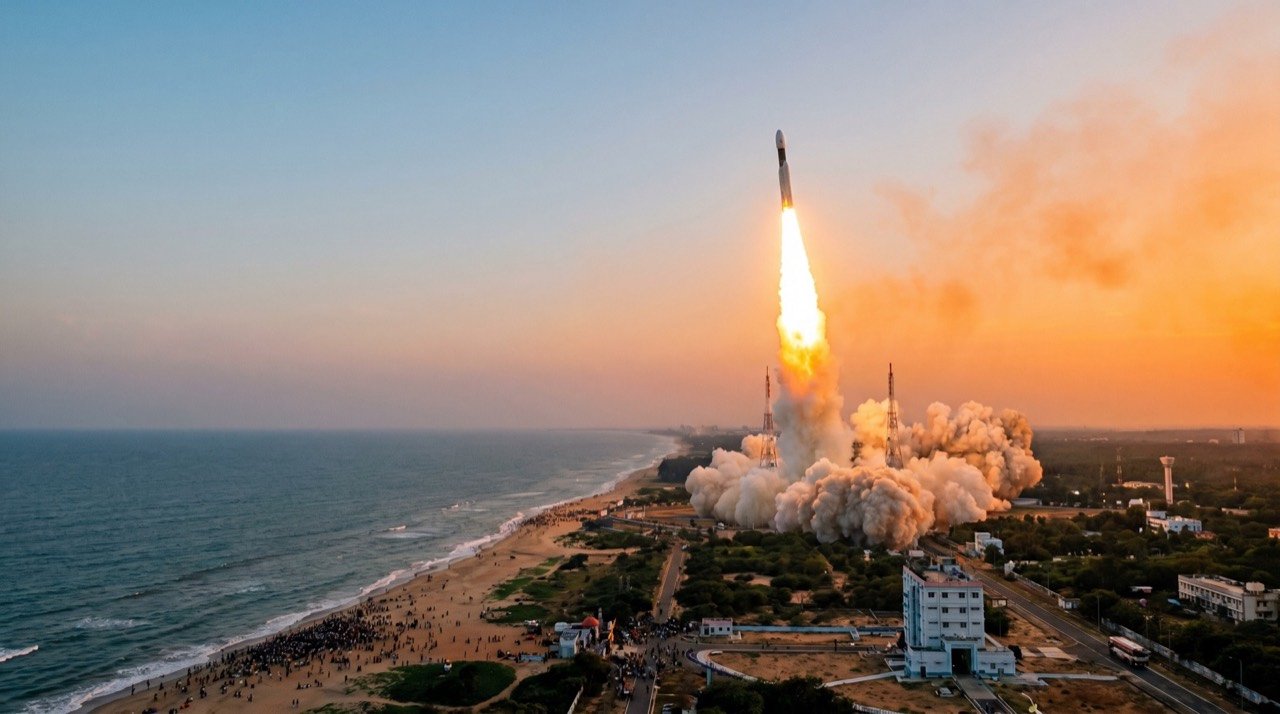
ISRO Pushes Toward First Uncrewed Gaganyaan Flight With Humanoid Vyommitra Aboard
ISRO has confirmed that flight integration for its first uncrewed Gaganyaan mission is underway, with the humanoid robot Vyommitra set to ride an LVM3 rocket ahead of a crewed launch in 2027.
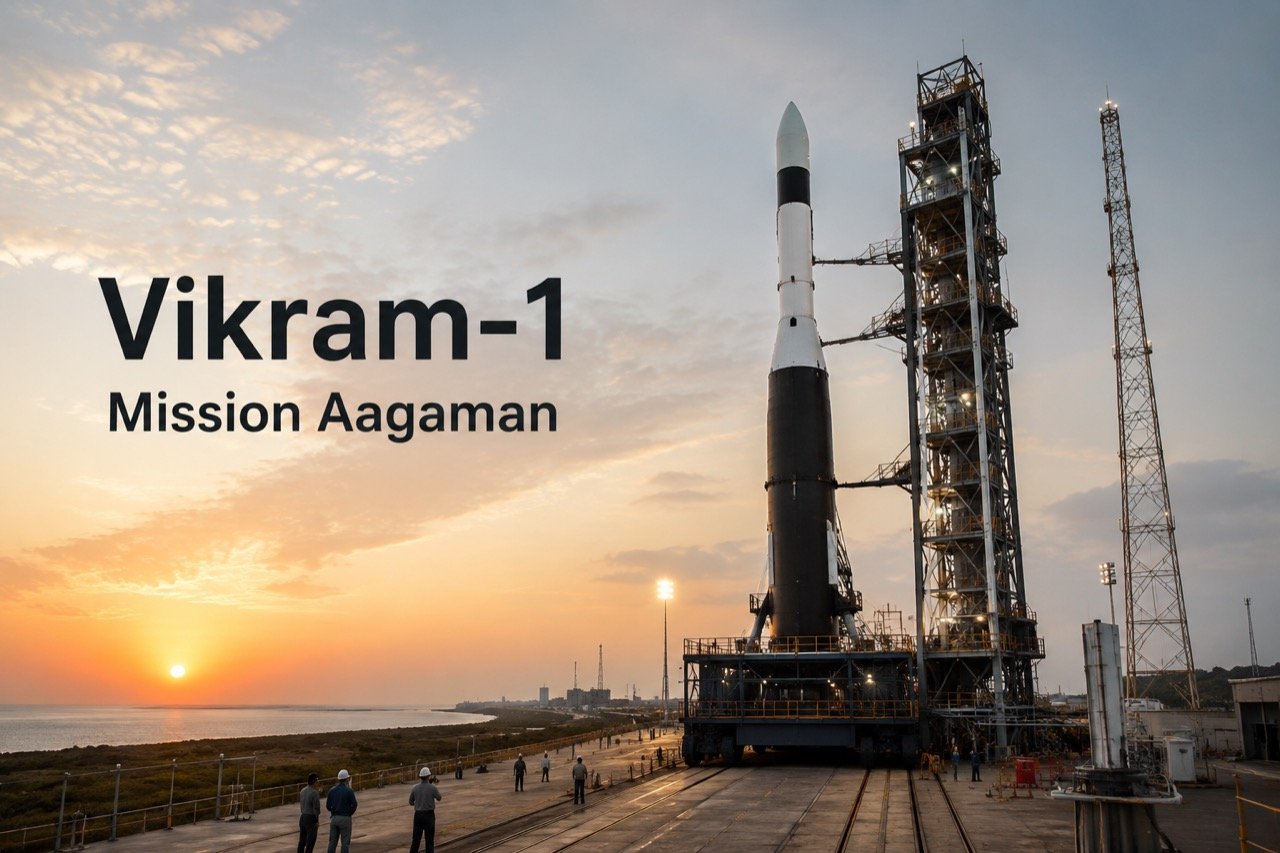
Skyroot Vikram-1: Mission Aagaman and India's Private Space Race
Fresh updates on Skyroot Aerospace's Vikram-1 rocket and Mission Aagaman have renewed attention on India's private space ecosystem and the wait for the country's first private orbital-class launch.
India Moves to Share Rocket Technology With Private Space Firms
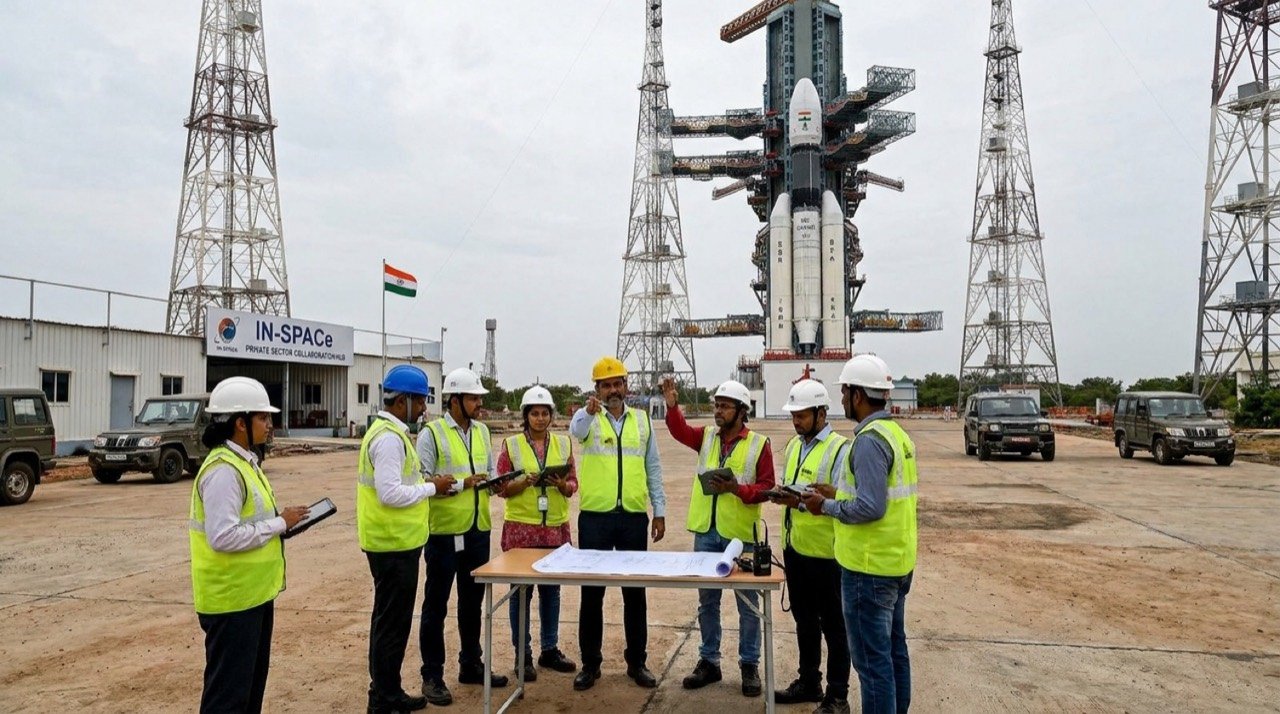
The government is preparing to transfer proven rocket technology to local private space companies, a step that could deepen industry participation in launch vehicles, satellites and manufacturing while ISRO retains strategic oversight.
More from this section
More
CG Semi Sanand Plant Opens, Boosting India's Semiconductor Drive
Prime Minister Narendra Modi inaugurated CG Semi's chip assembly and test facility in Sanand, Gujarat, giving India's semiconductor mission a working manufacturing milestone rather than another policy promise.

Chinese E-Rickshaw Apps Banned in India Over Remote Disable Risk
The Centre has ordered the removal of three Chinese apps — BAT-BMS, Lossigy and Epoch-i-ion — over fears they could remotely disable battery-run e-rickshaws, turning mobility software into a public safety concern.

Connected Car Rules: India Plans Vehicle Software Update Norms
With cars increasingly run by software, the government is reportedly preparing update and security norms aimed at preventing vehicle hijacking and governing how connected cars in India are patched and protected.