Four Chinese Firms With Indian Plants Cleared To Bid For Power Work
Four Chinese companies operating factories in India have reportedly been cleared to bid for power projects, a calibrated move that balances security screening against the country's manufacturing and infrastructure needs.
Commentary & Analysis ·
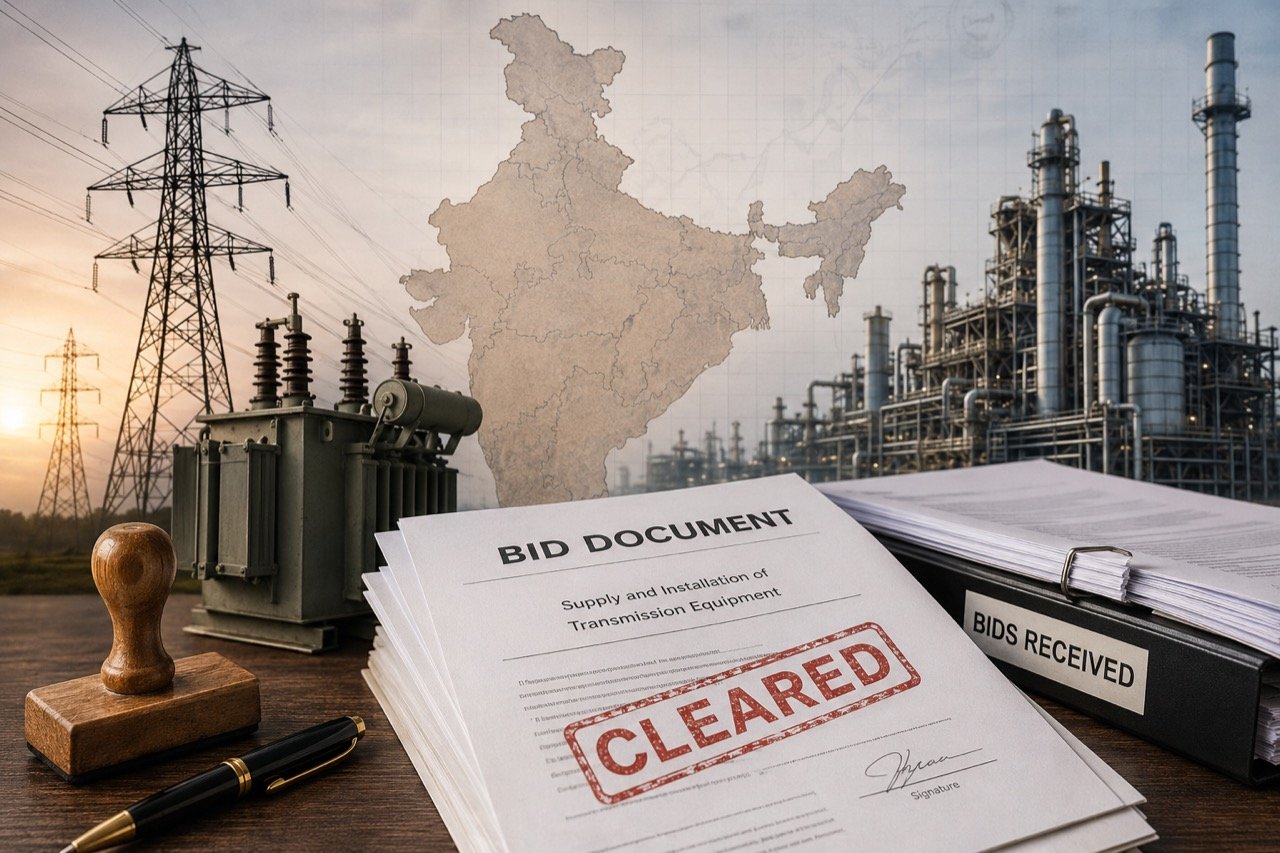
Four Chinese firms that operate factories in India have reportedly been cleared to bid for power projects, a development that sits squarely at the intersection of infrastructure needs, supply-chain policy and India's heightened scrutiny of foreign-linked companies. On the surface this reads as a narrow procurement update. Beneath it lies a much larger question that New Delhi has been wrestling with for several years now: how does a country that depends on Chinese manufacturing capacity for critical hardware also keep that same capacity at arm's length on security grounds? The clearance matters because power projects live or die on equipment, technology and execution timelines, and Chinese manufacturers remain deeply embedded in the global supply chain for such hardware, from transformers and switchgear to turbines and grid-control systems. Any decision that widens or narrows the pool of eligible bidders in this sector has consequences that ripple through tender prices, construction schedules and, eventually, the reliability of the power reaching Indian homes and industry.
A calibrated opening, not a policy reversal
Since tightening its review of companies from countries sharing a land border, India has screened investment and procurement in sensitive sectors with particular care. That screening regime was born out of border tensions and a broader reassessment of strategic dependence on Chinese capital and technology, and it has touched everything from mobile applications to foreign direct investment proposals to, now, infrastructure procurement. Clearing firms that manufacture within India suggests a calibrated approach: participation becomes possible where local production, compliance and security vetting meet the government's bar. This is a meaningfully different posture from either a blanket ban or an open door. It says, in effect, that the nationality of a company's ultimate ownership is not by itself disqualifying, but that the government wants the actual manufacturing footprint, the compliance record and the security profile of the specific entity to be examined before it is allowed anywhere near critical infrastructure.
It would be a mistake to read the move as either blanket approval of Chinese participation or a geopolitical thaw. Nothing about this clearance signals a change in the underlying diplomatic or strategic posture between the two countries. The stronger reading is procedural: specific firms have reportedly passed a specific gate, and that changes the competitive maths for upcoming tenders. It is a bureaucratic and technical determination rather than a political one, arrived at through whatever vetting process the relevant ministries apply to companies seeking entry into sensitive sectors. That distinction matters because it shapes how much weight observers should put on the decision. It is not evidence of warming ties; it is evidence that a specific administrative filter has been passed by a specific set of applicants.
Why local manufacturing is the deciding factor
The logic of conditioning market access on Indian-based factories is straightforward once laid out. A company that manufactures on Indian soil is subject to Indian labour law, Indian tax authorities, Indian customs and, crucially, Indian regulators who can physically inspect a plant, audit its processes and trace its components. A company that simply exports finished equipment from abroad offers none of that visibility. By requiring a domestic manufacturing presence as a precondition for eligibility, the government creates a mechanism through which it can exercise ongoing jurisdiction over these firms rather than relying solely on paperwork submitted at the time of bidding. It also, not incidentally, supports domestic employment and industrial capacity, since a factory that has to operate in India employs Indian workers, sources at least some inputs locally, and becomes enmeshed in India's own industrial base rather than remaining a purely offshore supplier.
This approach effectively splits the universe of Chinese-linked manufacturers into two categories: those willing to commit capital, plant and jobs to Indian soil, and those unwilling or unable to do so. Only the former group has any prospect of competing for Indian power contracts. That is a meaningful incentive structure, and it may well have been part of the intended design from the outset, using procurement access to encourage exactly the kind of onshore investment that gives India both economic benefit and security leverage simultaneously.
What it could mean for the power sector
More qualified bidders generally means keener pricing and, potentially, faster project timelines. Power projects in India, as elsewhere, are frequently constrained not by demand or financing but by the availability of proven equipment suppliers who can deliver on schedule. Widening the pool of eligible bidders, even by four firms, injects competitive pressure into tenders that might otherwise have gone to a narrower set of established players at correspondingly higher prices. Given the scale of India's power demand growth, driven by rising household consumption, industrial expansion and the electrification of transport, every additional credible bidder in the market has the potential to shave costs and compress delivery times across a sector where delays are measured in months and years, not days.
The real tests come later: tender outcomes, and whether local manufacturing commitments actually translate into jobs, technology transfer and reliable equipment supply. Clearance to bid is not the same as winning a contract, and winning a contract is not the same as delivering on time, to specification, and without downstream complications. It will take actual tender results, and then actual project execution, to know whether this opening produces the benefits its design implies. Observers will want to watch whether these four firms actually win meaningful volumes of work, whether the factories they operate in India scale up in response, and whether the equipment they supply performs reliably once installed in the grid.
Balancing security and speed
India's dilemma here is not unique to the power sector, but it is especially acute there because electricity infrastructure is both essential and long-lived. A transformer, a turbine or a grid-control system installed today may remain in service for decades, which means any vulnerability, whether a supply dependency, a maintenance dependency, or something more deliberate, does not expire when the contract is signed. It compounds over the operational life of the asset. That is precisely why the screening India has applied to companies from a bordering country cannot be a one-time hurdle cleared at the bidding stage and then forgotten. The nature of critical infrastructure risk means it accrues over years of operation, spare-parts supply, software updates and maintenance contracts, not merely at the moment of initial vetting.
At the same time, India cannot allow security caution to become a drag on the pace of infrastructure build-out that the economy needs. Power shortages or delayed capacity additions carry their own costs, in industrial competitiveness, in quality of life, and in the broader credibility of India's growth story. The clearance of these four firms suggests the government is trying to find a middle path that neither shuts the door on capacity that could speed up delivery nor abandons the caution that the border tensions with China have made necessary. Whether that balance holds will depend less on this single decision than on the consistency and rigour of the oversight that follows it.
The NE Times View
India is trying to hold two legitimate objectives in tension: securing critical power infrastructure against foreign leverage, and building it fast and cheaply enough to meet surging demand. Conditioning market access on factories located on Indian soil is a defensible middle path, because local plants create jobs and give regulators physical jurisdiction. But the screening must stay rigorous after clearance, not just before it, grid equipment is a long-lived asset, and cyber and supply dependencies emerge over years, not at the bidding stage. The clearance is a gateway; sustained oversight and project performance are the real test. Policymakers, tender authorities and the public alike would do well to treat this as the opening chapter of a longer story rather than its conclusion. The measure of success will not be how many Chinese-linked firms are cleared to bid, but how their equipment performs, how transparently their operations are monitored, and how consistently the government applies scrutiny across the full lifespan of the projects they help build.
Key takeaways
- Four Chinese firms with factories in India have reportedly been cleared to bid for power projects, following India's tightened review of companies from bordering countries.
- The clearance is procedural and firm-specific rather than a signal of broader policy reversal or diplomatic thaw with China.
- Requiring local manufacturing as a condition of eligibility gives Indian regulators physical jurisdiction and supports domestic jobs, while widening the bidder pool could improve pricing and project timelines.
- The genuine test lies ahead: tender outcomes, whether manufacturing commitments deliver jobs and technology transfer, and whether equipment supply proves reliable.
- Because grid infrastructure is long-lived, security and supply-chain oversight must continue rigorously after clearance, not end at the bidding stage.
You may also like to read
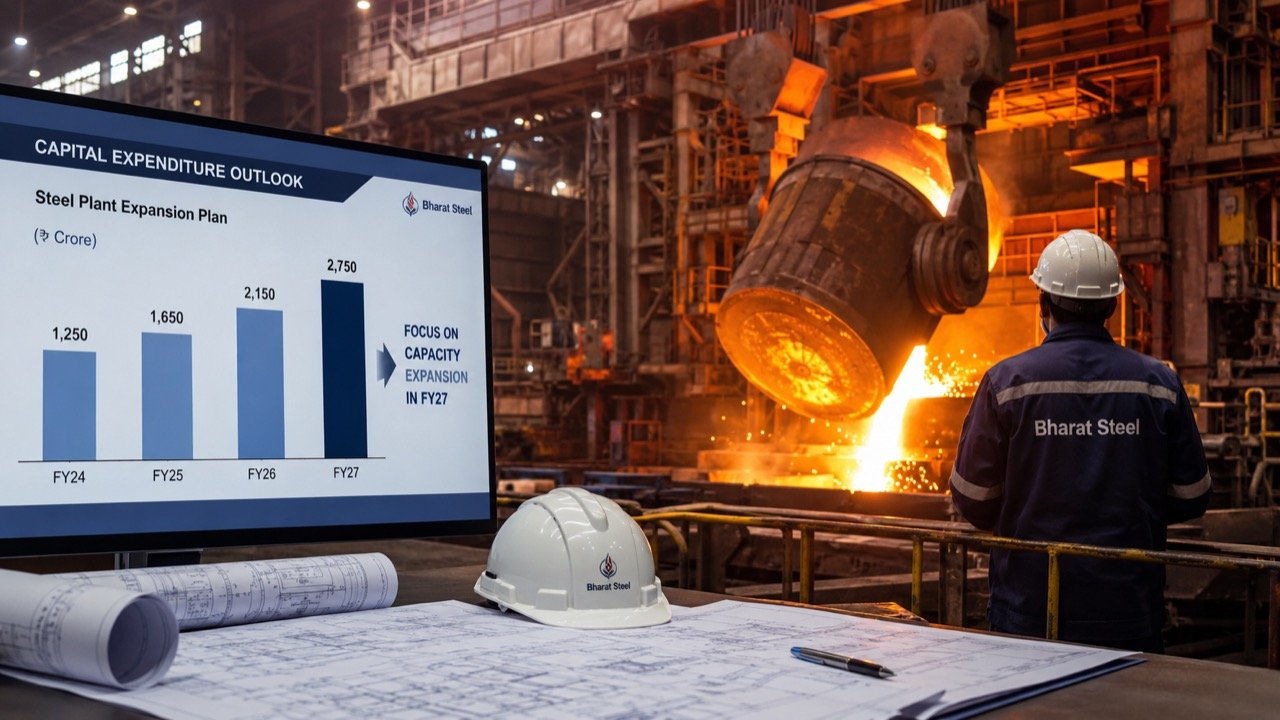
Tata Steel Plans Rs 20,000 Crore FY27 Capex for India Growth
Tata Steel's roughly Rs 20,000 crore capital spending plan for FY27 signals sustained confidence in Indian steel demand, even as execution risks, raw-material costs and emissions pressures loom over the sector.

India Targets $1 Trillion in FY26 Exports as Trade Push Widens
The commerce ministry has reaffirmed a $1 trillion export goal for FY26 at a Board of Trade meeting led by Piyush Goyal, leaning on a seven-point action plan spanning merchandise, services and defence exports.
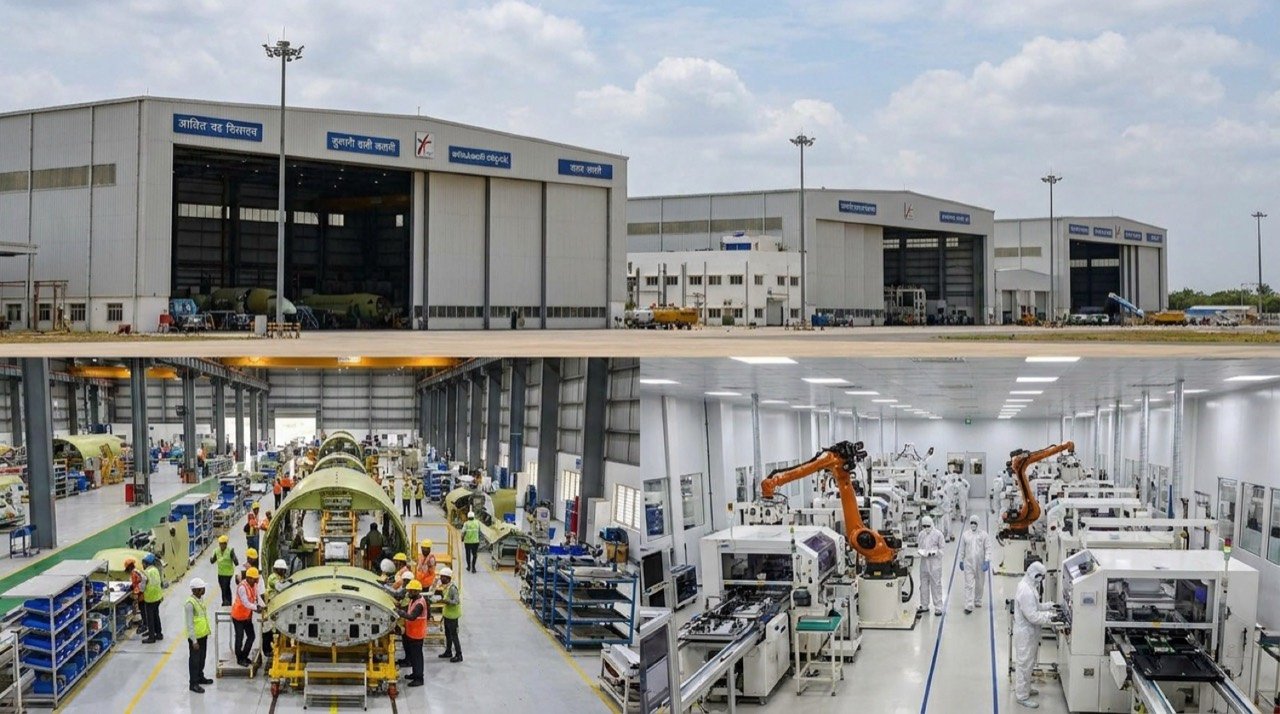
Seven Defence Manufacturing Clusters Put India's Self-Reliance Push in Focus
India is reportedly planning seven defence manufacturing clusters to deepen domestic capability, cut import dependence and strengthen supply chains across aerospace, electronics and land systems.
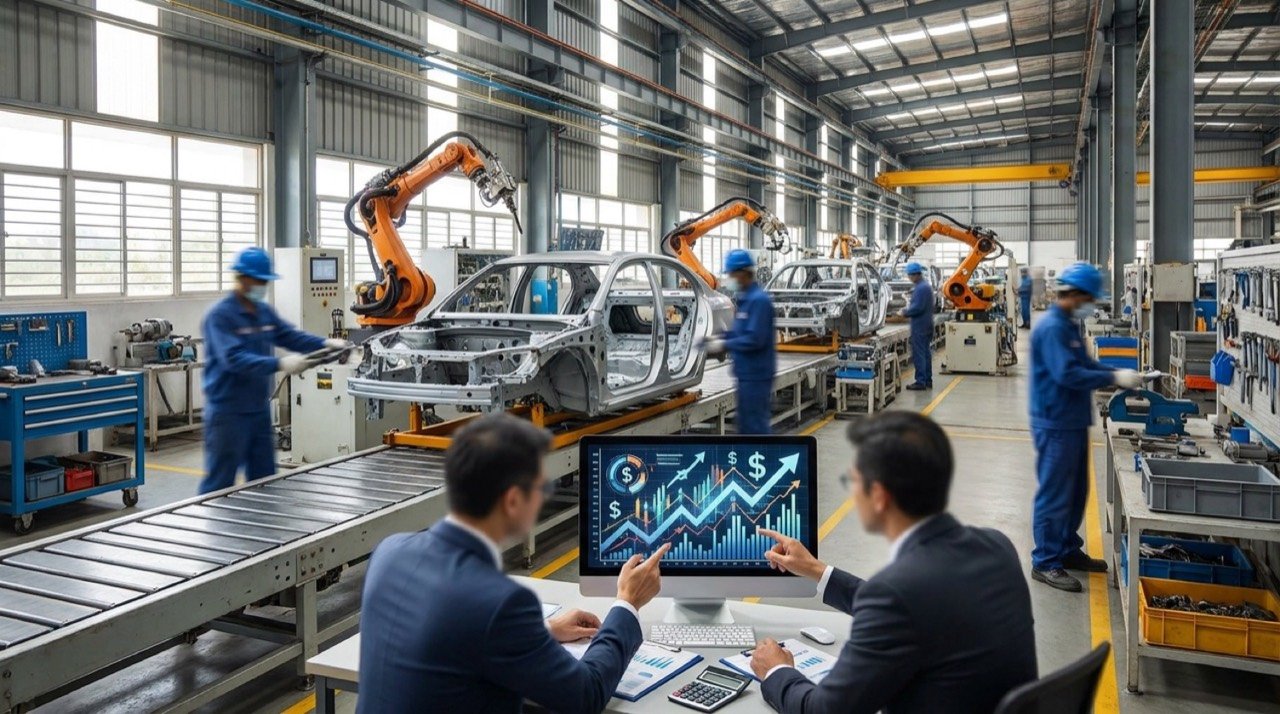
Auto PLI Forex Row: SIAM Presses Government for Clear Exchange-Rate Benchmark
Carmakers' body SIAM has again urged the government to fix a transparent forex benchmark for the auto PLI scheme, warning that currency volatility is stalling incentive applications.
More from this section
More
Adani Case: US DOJ Pushes for Permanent Dismissal of Charges
The US Department of Justice has urged a judge to permanently dismiss charges against Gautam Adani, calling the case legally flawed — a reversal with consequences for markets, diplomacy and cross-border enforcement.

Akasa Air Inducts 40th Aircraft in Indian Aviation Scale-Up
Akasa Air's 40th aircraft, ferried to Bengaluru via Seattle, Reykjavik and Cairo, marks a fleet milestone for the young carrier and a fresh signal that India's aviation market remains firmly in expansion mode.
BARC Ratings Suspension Leaves Indian TV Industry Flying Blind
BARC's pause on television ratings has put India's broadcast measurement system under fresh scrutiny, leaving broadcasters, advertisers and media planners without the weekly audience data that anchors the TV economy.