Auto PLI Forex Row: SIAM Presses Government for Clear Exchange-Rate Benchmark
Carmakers' body SIAM has again urged the government to fix a transparent forex benchmark for the auto PLI scheme, warning that currency volatility is stalling incentive applications.
Commentary & Analysis ·
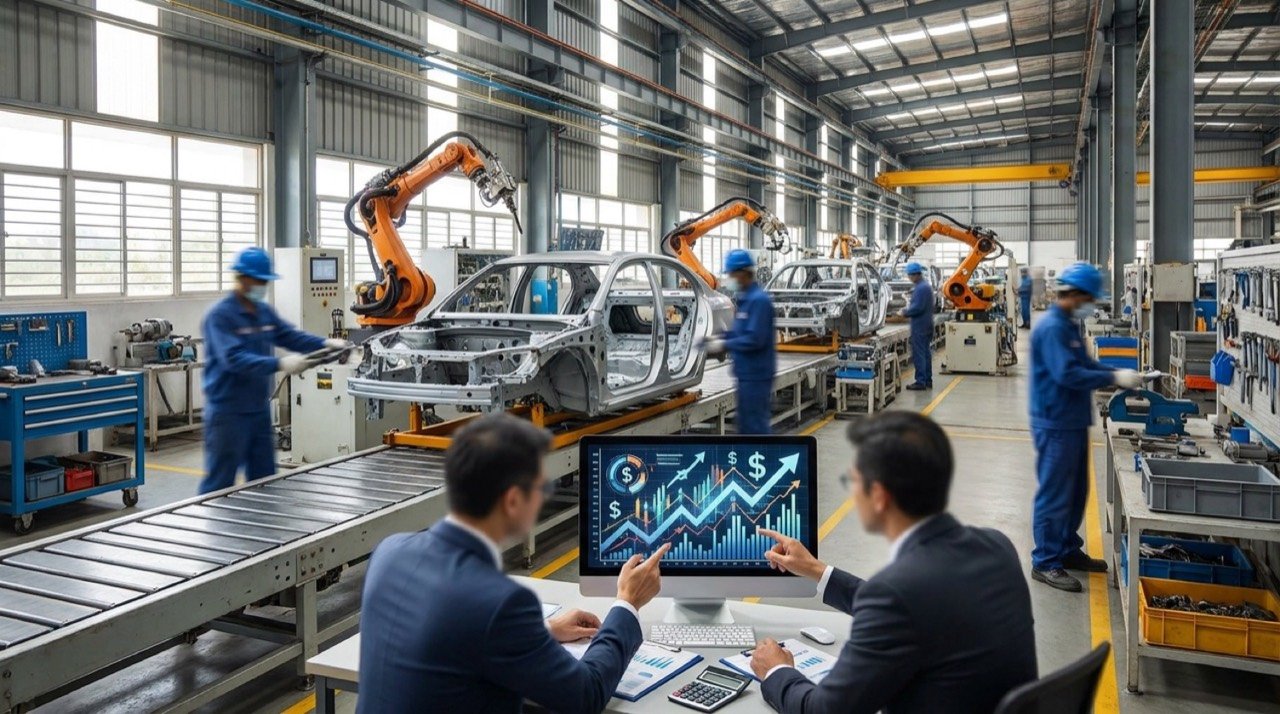
India's automobile industry has reopened a long-simmering dispute with the government over how foreign exchange rates should be treated under the production-linked incentive (PLI) scheme for the sector. The Society of Indian Automobile Manufacturers (SIAM) has written to the authorities once more, pressing for a clear and predictable method of calculating domestic value addition, the threshold that determines whether a company qualifies for incentive payouts.
What the industry is asking for
At the heart of the matter is the rupee-dollar exchange rate. The auto PLI scheme rewards manufacturers for higher local content, but components, raw materials and capital goods are often imported and priced in foreign currency. When the rupee moves sharply, the rupee value of those imports shifts too, which in turn changes the calculated share of domestic value addition even when a company's actual sourcing has not changed.
SIAM has proposed using an average forex rate over a defined period for these calculations, rather than a spot or fluctuating rate. An averaged benchmark, the body argues, would smooth out day-to-day currency swings and give applicants a stable basis on which to file and defend their claims.
Why applications are getting delayed
Without an agreed benchmark, manufacturers say they are reluctant to submit applications that could later be disputed or reworked if the underlying exchange-rate assumption is questioned. The uncertainty has slowed the flow of claims, holding up incentive disbursements that were designed to reward investment in local manufacturing.
For a capital-intensive sector that plans sourcing and pricing months in advance, the absence of a fixed rule introduces avoidable risk. SIAM's repeated letters underline that this is not a one-off query but a structural ambiguity the industry wants resolved before more applications stall.
The stakes for Make in India
The auto and auto-component PLI scheme is a central plank of the government's push to deepen domestic manufacturing and reduce import dependence in advanced automotive technology, including electric and hydrogen vehicles. Predictable incentive payouts are key to keeping that investment momentum intact.
A clear forex methodology would also reduce friction between applicants and scheme administrators, freeing both sides from case-by-case disputes over currency assumptions and allowing faster processing.
- SIAM has written to the government again seeking clarity on forex treatment under the auto PLI scheme.
- The dispute centres on how the rupee-dollar rate affects domestic value-addition calculations.
- Industry wants an average exchange rate used to smooth out currency volatility.
- Uncertainty is delaying the filing and clearance of incentive applications.
- Resolution is seen as important for sustaining manufacturing investment under Make in India.
“A predictable, averaged forex benchmark would let manufacturers file with confidence instead of second-guessing every currency swing.”
— Industry view as represented by SIAM
How the government responds will signal how responsive the PLI framework is to real-world operating conditions. A timely clarification on the forex benchmark could unblock pending applications and reassure investors; continued silence risks leaving incentive money stranded even as companies meet their localisation goals.
The NE Times View
SIAM has a fair point: incentive schemes fail when their rules are ambiguous. A clear, predictable forex benchmark is basic policy hygiene, and dithering on it undercuts the very investment the PLI was meant to attract. The broader lesson is that India's industrial subsidies will only deliver if administered with the certainty manufacturers can plan around, instead of leaving billions in incentives hostage to interpretation.
This article is original commentary and analysis by The NE Times. Background facts were referenced from Business Standard and Vibrant Udyog.
You may also like to read
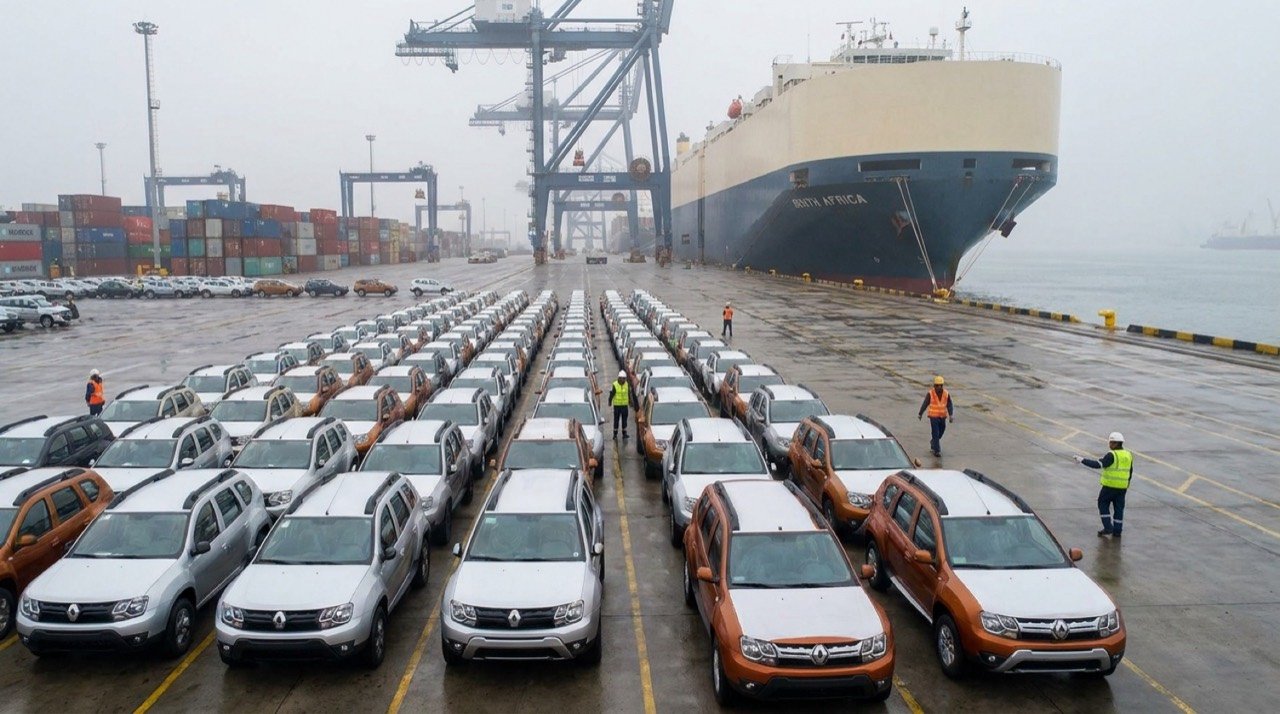
Made-in-India Renault Duster Heads to South Africa, Spotlighting India's Auto Export Strength
Renault's export of locally built Dusters to South Africa underscores India's growing role as a global manufacturing and right-hand-drive export base for the world's carmakers.

India Targets $1 Trillion in FY26 Exports as Trade Push Widens
The commerce ministry has reaffirmed a $1 trillion export goal for FY26 at a Board of Trade meeting led by Piyush Goyal, leaning on a seven-point action plan spanning merchandise, services and defence exports.
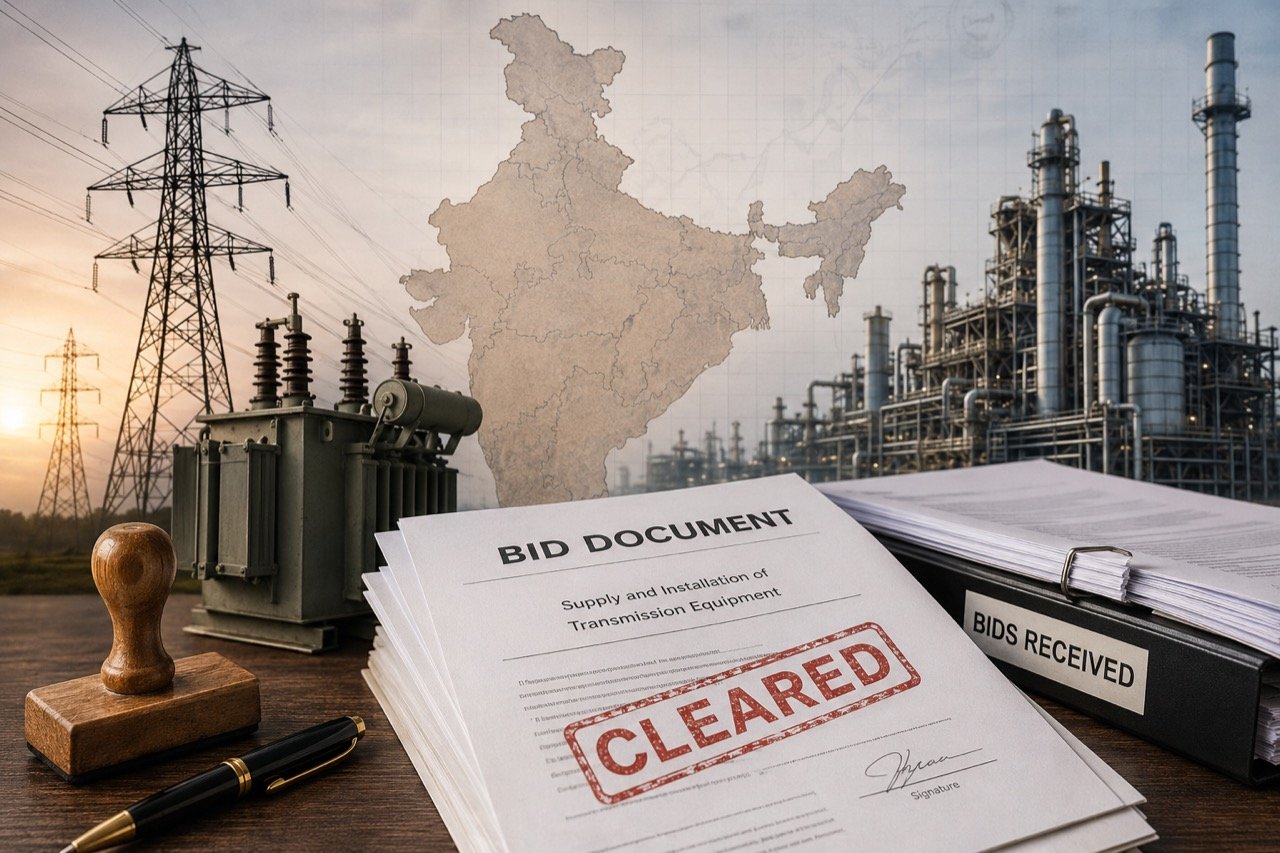
Four Chinese Firms With Indian Plants Cleared To Bid For Power Work
Four Chinese companies operating factories in India have reportedly been cleared to bid for power projects, a calibrated move that balances security screening against the country's manufacturing and infrastructure needs.
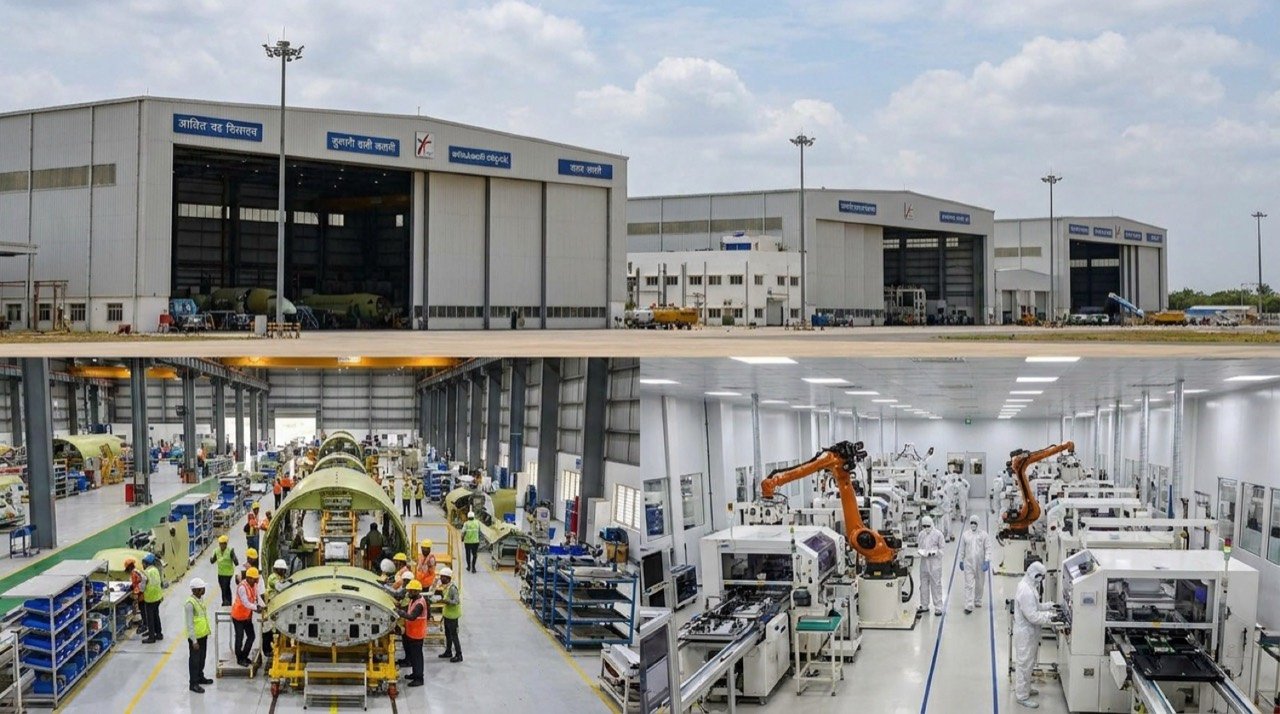
Seven Defence Manufacturing Clusters Put India's Self-Reliance Push in Focus
India is reportedly planning seven defence manufacturing clusters to deepen domestic capability, cut import dependence and strengthen supply chains across aerospace, electronics and land systems.
More from this section
More
Adani Case: US DOJ Pushes for Permanent Dismissal of Charges
The US Department of Justice has urged a judge to permanently dismiss charges against Gautam Adani, calling the case legally flawed — a reversal with consequences for markets, diplomacy and cross-border enforcement.

Akasa Air Inducts 40th Aircraft in Indian Aviation Scale-Up
Akasa Air's 40th aircraft, ferried to Bengaluru via Seattle, Reykjavik and Cairo, marks a fleet milestone for the young carrier and a fresh signal that India's aviation market remains firmly in expansion mode.
BARC Ratings Suspension Leaves Indian TV Industry Flying Blind
BARC's pause on television ratings has put India's broadcast measurement system under fresh scrutiny, leaving broadcasters, advertisers and media planners without the weekly audience data that anchors the TV economy.