Made-in-India Renault Duster Heads to South Africa, Spotlighting India's Auto Export Strength
Renault's export of locally built Dusters to South Africa underscores India's growing role as a global manufacturing and right-hand-drive export base for the world's carmakers.
Commentary & Analysis ·
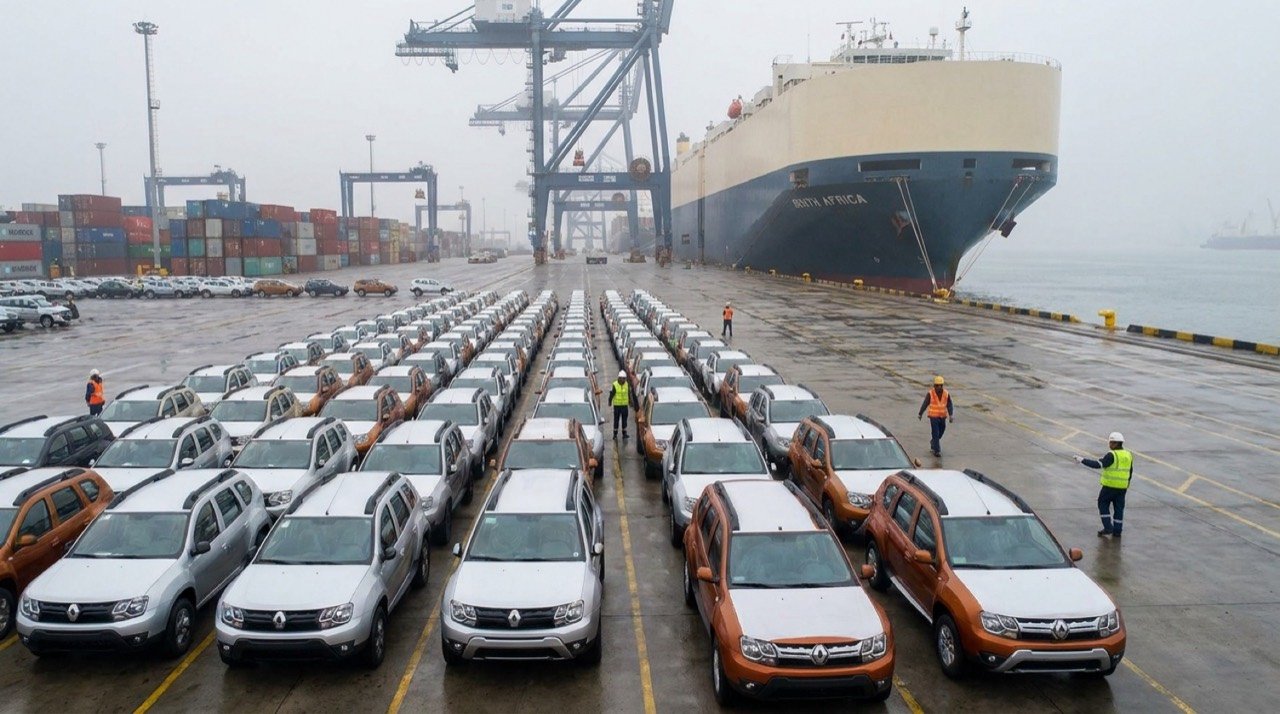
Reports that made-in-India Renault Duster units are being exported to South Africa have turned fresh attention to India's standing as an automotive manufacturing and export hub. The development is about far more than a single SUV: it illustrates how global carmakers increasingly route production through Indian plants to serve overseas markets.
Why global carmakers choose India
India offers a combination that is hard to match: competitive manufacturing costs, a deep and maturing component-supplier base, a large skilled workforce, and established expertise in right-hand-drive vehicles, a configuration shared by South Africa and many other export destinations. For a model like the Duster, that makes an Indian plant a natural launchpad for left- and right-hand-drive markets alike.
Export programmes also help carmakers smooth out domestic demand cycles by keeping factories running closer to capacity, which improves the economics of each vehicle produced.
Ripple effects across the economy
An export push reaches well beyond the assembly line. Higher factory utilisation supports jobs, sustains orders for component makers, and feeds demand for port handling, shipping and logistics. A single export model can anchor a web of suppliers across multiple states, from tyres and electronics to seats and stampings.
It also tests Indian-made vehicles against varied overseas regulations and consumer expectations, on safety, emissions and quality, raising the bar for the entire domestic supply chain.
What it signals for the domestic market and policy
For Indian buyers, an export endorsement can build interest around future launches and deeper localisation, while signalling that vehicles rolling off the same lines meet international standards. For policymakers, the development reinforces the case for stable supply chains, robust quality regimes and modern logistics infrastructure that can keep India competitive as an export base.
- Cost efficiency and supplier depth make India attractive for global production.
- Right-hand-drive expertise suits exports to South Africa and similar markets.
- Exports lift factory utilisation, jobs, component makers and port logistics.
- Overseas rules test Indian quality and emissions standards.
- Stable supply chains and logistics are key to sustaining the export edge.
“When a model built in India ships to overseas markets, it is the whole ecosystem of suppliers, ports and skills that is being exported alongside the car.”
— Automotive industry observer
The Duster's South Africa run is a modest but telling marker of India's evolving place in the global auto map. If carmakers continue to treat Indian plants as export springboards, the country stands to gain durable manufacturing jobs and a stronger industrial base, provided supply chains, quality and logistics keep pace with the ambition.
The NE Times View
Exporting India-built Dusters to South Africa is a quiet vote of confidence in Indian manufacturing as a right-hand-drive export hub, not just a domestic market. It validates the make-in-India-for-the-world pitch. The NE Times view is that this is genuinely good news, but the strategic prize is moving up the value chain into design, components and EV platforms, so India becomes indispensable to global carmakers rather than merely a low-cost assembly line.
This article is original commentary and analysis by The NE Times. Background facts were referenced from Economic Times Auto and Autocar India.
You may also like to read
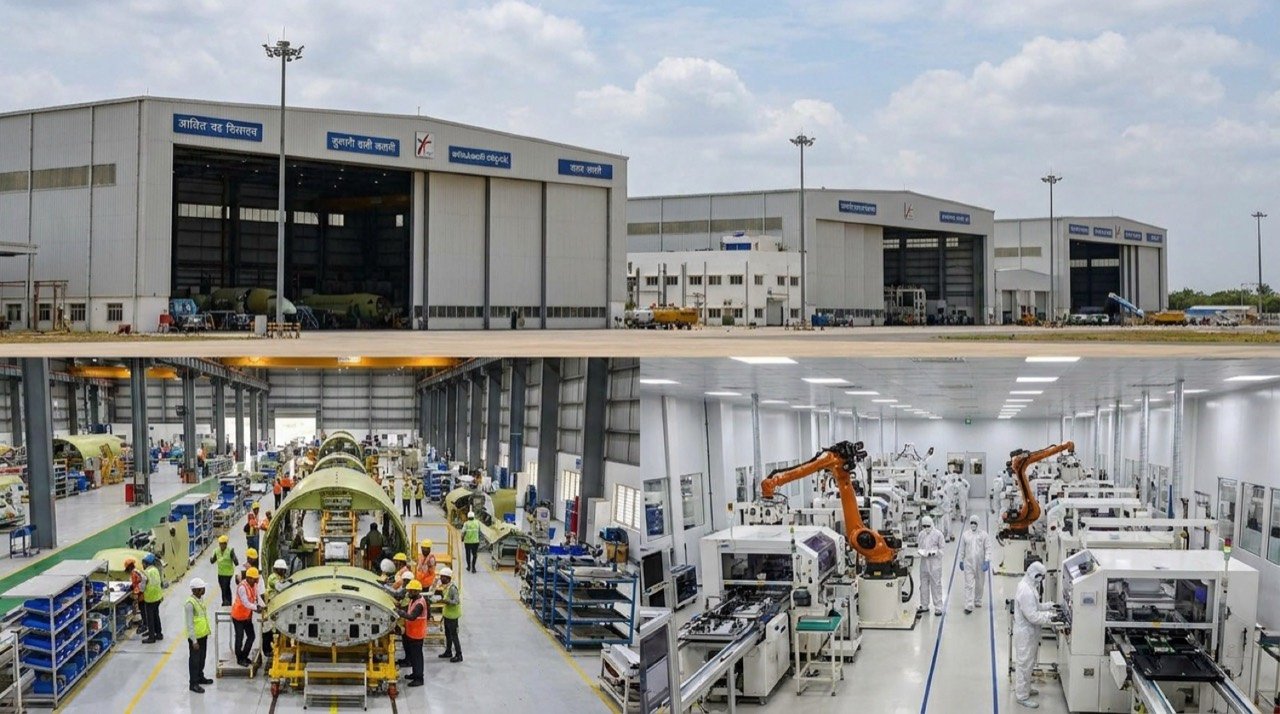
Seven Defence Manufacturing Clusters Put India's Self-Reliance Push in Focus
India is reportedly planning seven defence manufacturing clusters to deepen domestic capability, cut import dependence and strengthen supply chains across aerospace, electronics and land systems.
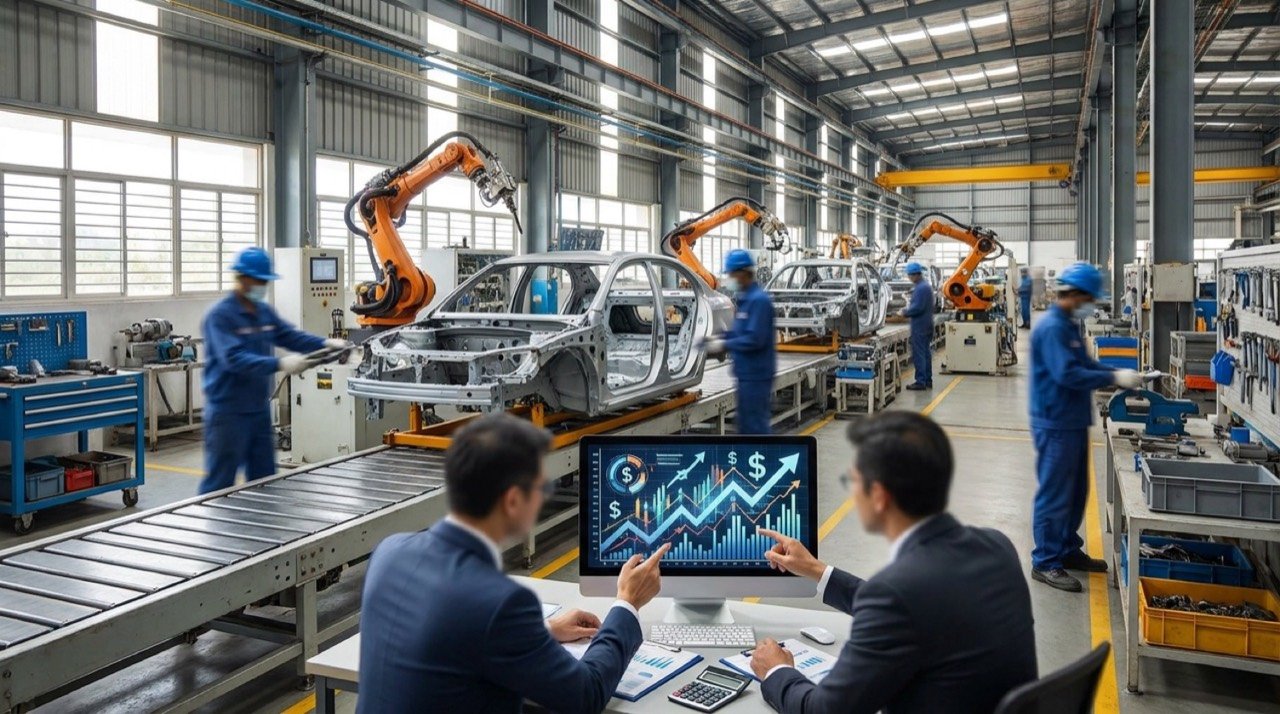
Auto PLI Forex Row: SIAM Presses Government for Clear Exchange-Rate Benchmark
Carmakers' body SIAM has again urged the government to fix a transparent forex benchmark for the auto PLI scheme, warning that currency volatility is stalling incentive applications.

India Targets $1 Trillion in FY26 Exports as Trade Push Widens
The commerce ministry has reaffirmed a $1 trillion export goal for FY26 at a Board of Trade meeting led by Piyush Goyal, leaning on a seven-point action plan spanning merchandise, services and defence exports.
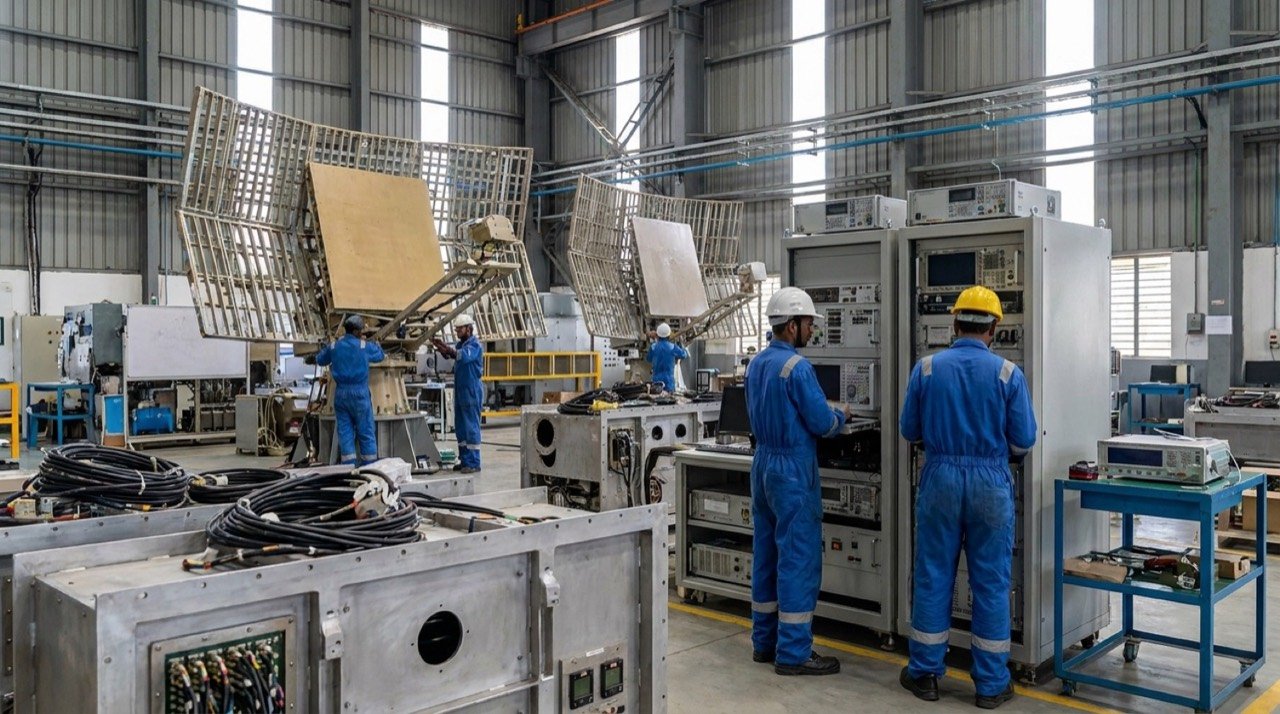
BEL Wins Rs 1,081 Crore in Fresh Defence Electronics Orders, Strengthening India's Indigenisation Push
Bharat Electronics Ltd has secured roughly Rs 1,081 crore in additional orders spanning radar, avionics, jammers and tank protection, reinforcing India's drive for self-reliant defence electronics.
More from this section
More
Adani Case: US DOJ Pushes for Permanent Dismissal of Charges
The US Department of Justice has urged a judge to permanently dismiss charges against Gautam Adani, calling the case legally flawed — a reversal with consequences for markets, diplomacy and cross-border enforcement.

Akasa Air Inducts 40th Aircraft in Indian Aviation Scale-Up
Akasa Air's 40th aircraft, ferried to Bengaluru via Seattle, Reykjavik and Cairo, marks a fleet milestone for the young carrier and a fresh signal that India's aviation market remains firmly in expansion mode.

BARC Ratings Suspension Leaves Indian TV Industry Flying Blind
BARC's pause on television ratings has put India's broadcast measurement system under fresh scrutiny, leaving broadcasters, advertisers and media planners without the weekly audience data that anchors the TV economy.