Expanded 48-Team World Cup Kicks Off Across North America
The 2026 FIFA World Cup opened in Mexico City as the tournament debuts a record 48-team format spread across the United States, Mexico and Canada.
Commentary & Analysis ·
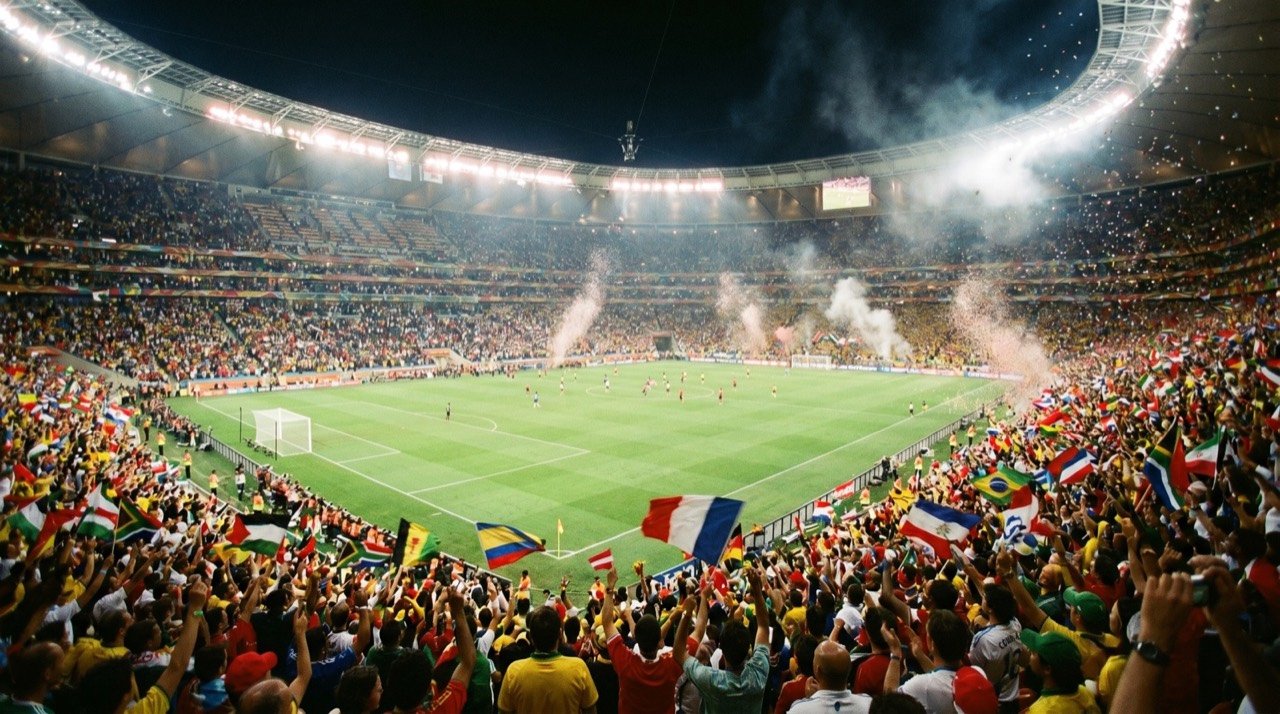
The 2026 FIFA World Cup began on 11 June with hosts Mexico defeating South Africa 2-0 in the opening fixture at Estadio Azteca in Mexico City, launching the largest edition of the tournament in its history. The opener at one of football's most storied venues set the stage for a competition that breaks new ground in both scale and structure.
For the first time, the tournament is being staged across three host nations and features a record number of teams, marking a dramatic expansion of football's flagship event. The scale of the 2026 edition reflects FIFA's ambition to broaden the game's reach and bring the World Cup to more cities and fans than ever before.
A bigger tournament
For the first time, 48 national teams are competing, up from 32, drawn into 12 groups of four. The expanded format produces 104 matches in total, comprising 72 group-stage games and a knockout phase that now opens with a round of 32. The jump from 32 to 48 teams is the most significant structural change to the World Cup in decades, opening more qualification places and lengthening the road to the final.
Adding a round of 32 before the familiar knockout stages extends the tournament and increases the number of matches considerably, giving more nations a presence on the sport's biggest stage and more games for fans and broadcasters around the world.
Three hosts, sixteen cities
The tournament is being co-hosted by three nations across 16 cities, with 11 venues in the United States, three in Mexico and two in Canada. Canada played its opening match against Bosnia and Herzegovina in Toronto on 12 June. Spreading the event across an entire continent is a logistical undertaking on a vast scale, involving travel, scheduling and coordination across three countries and many time zones. The headline numbers include:
- 48 teams, up from 32, drawn into 12 groups of four
- 104 total matches, including 72 group-stage games
- A knockout phase opening with a new round of 32
- 16 host cities across three nations: 11 venues in the US, three in Mexico and two in Canada
A five-week showpiece
The final is scheduled for 19 July at the stadium in the New York-New Jersey area, capping a five-week tournament that organisers have billed as the most ambitious to date. The extended length and expanded field mean a longer campaign for the teams that go deep, testing squad depth and stamina across more matches than previous editions demanded.
Outlook
With the opening fixtures played and 48 teams now in contention, the focus turns to whether the expanded format delivers the spectacle organisers have promised across a continent-spanning month of football. As the group stage unfolds toward the 19 July final, the 2026 World Cup will serve as a test of how a larger, more geographically dispersed tournament works in practice, shaping the template for editions to come.
The NE Times View
A 48-team World Cup spread across three nations is football's biggest commercial bet yet, and a pointed reminder of India's continued absence from the global stage. The expansion widens access for smaller nations, yet India remains a spectator market, not a participant. Until grassroots structures and league economics mature, Indians will keep watching a party they cannot join.
This article is original commentary and analysis by The NE Times. Background facts were referenced from Al Jazeera and Britannica.
You may also like to read
Football's Biggest Tournament Yet Kicks Off Across North America
The 2026 FIFA World Cup has opened in Mexico City, Los Angeles and Toronto, launching the first 48-team edition spread across three host nations and sixteen cities.
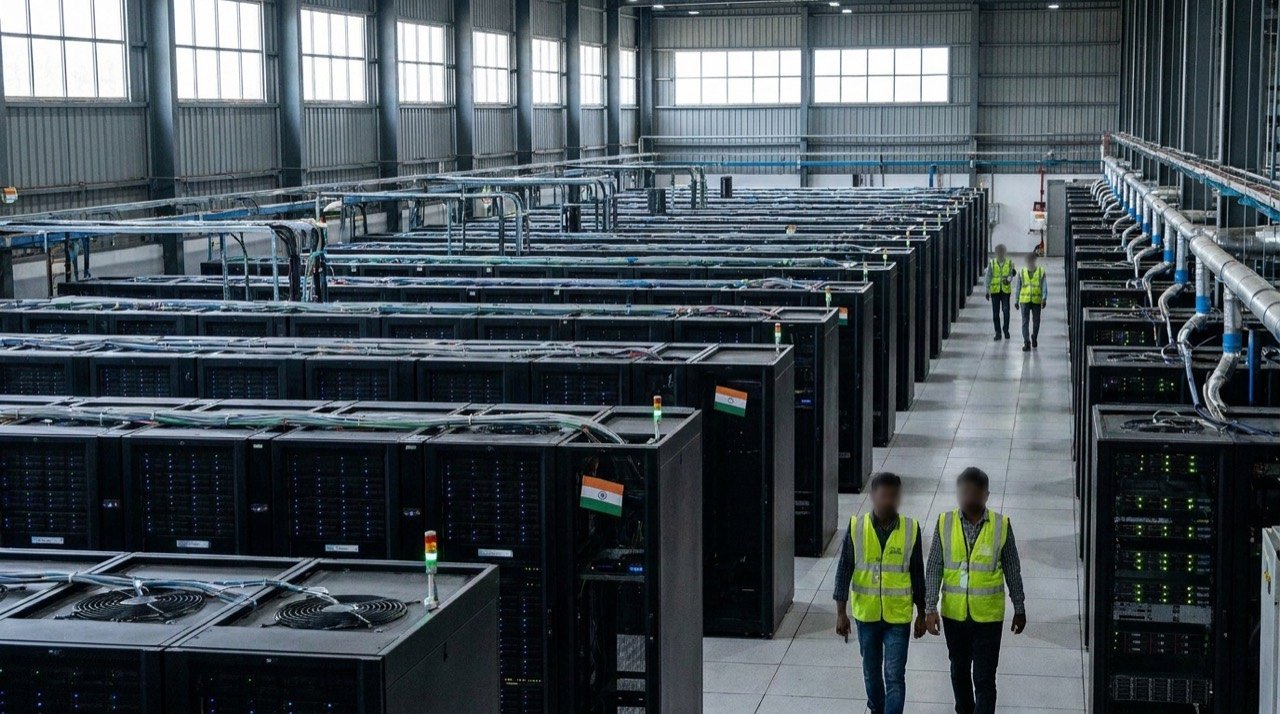
China's LineShine Dethrones US as World's Fastest Supercomputer, Sharpening India's AI Resolve
China has reclaimed the top spot on the global supercomputing rankings with an all-domestic machine running at over two exaflops, a milestone in the US-China tech contest that underscores why India is racing to build its own sovereign computing power.
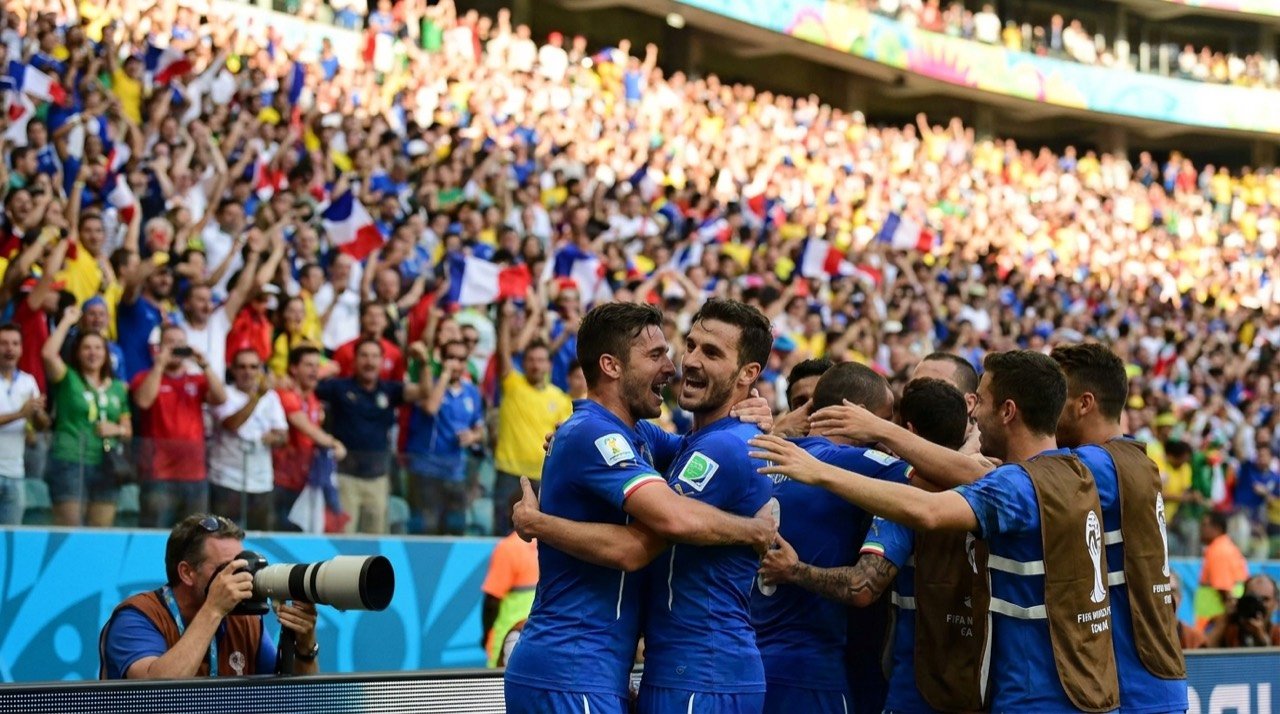
FIFA World Cup 2026: Dramatic Group Finales as Mexico, Morocco Seal Knockout Spots on Matchday 14
Groups A, B and C reached their conclusions on 24 June with Mexico maintaining a perfect record, Morocco edging a six-goal thriller, and goalkeeper Guillermo Ochoa making World Cup history.
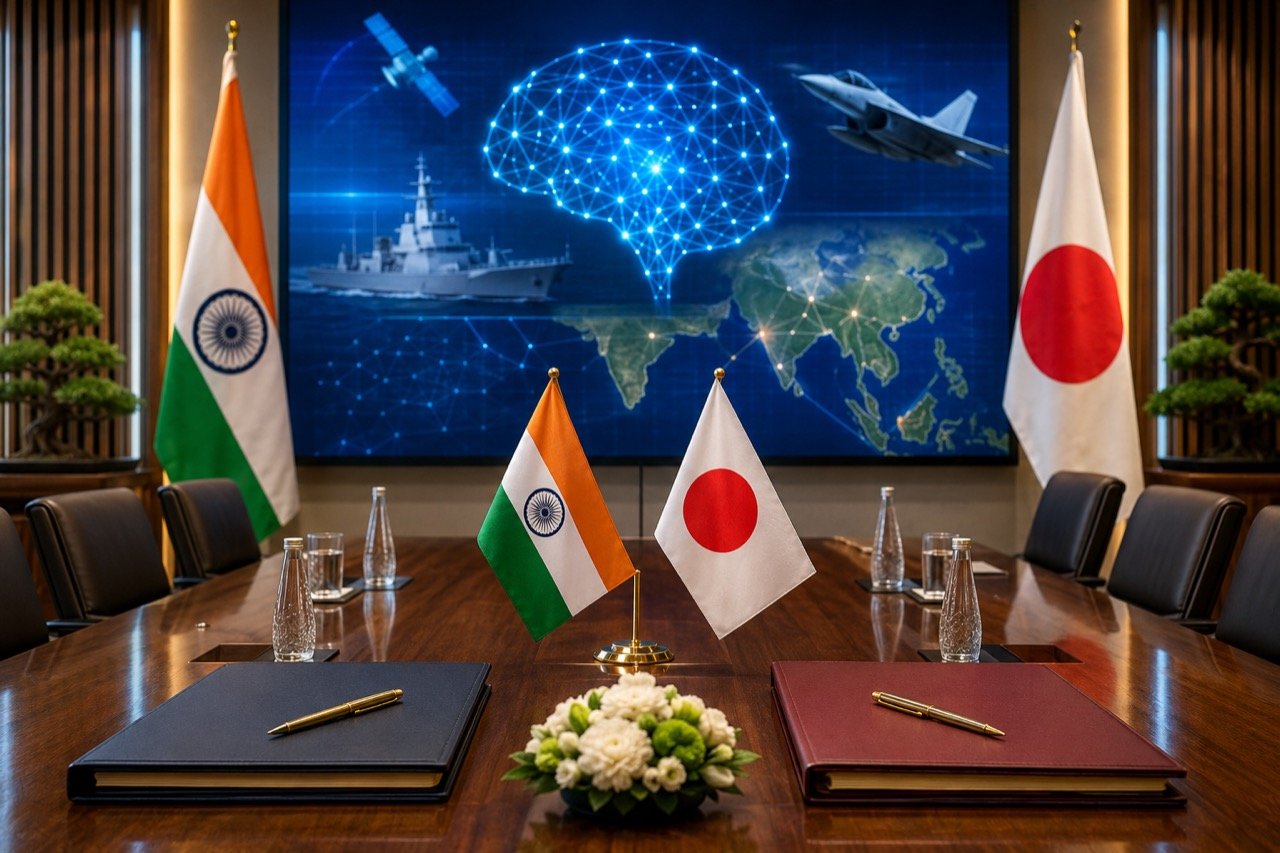
India-Japan Summit Widens Ties Across AI, Defence and Chips
At their annual summit in New Delhi, Prime Ministers Modi and Takaichi unveiled a roadmap deepening cooperation on maritime security, artificial intelligence, semiconductors, shipbuilding and critical technologies.
More from this section
More
India-New Zealand Ties: Visit Plans Put FTA and Diplomacy in Focus
Reports of a planned high-level India-New Zealand engagement have revived attention on free trade talks, professional mobility and Indo-Pacific cooperation between two partners with clear room to grow.
Modi Greets Trump on US 250th Independence Day, Hails Partnership
Prime Minister Narendra Modi marked America's 250th Independence Day with a message to President Trump, saying the next 250 years should lift the India-US partnership to new heights.
India Watches Dhaka's China-Backed Teesta Plan as Stakes Rise
New Delhi is closely tracking Bangladesh's proposal to develop the Teesta river with Chinese assistance, a move that revives one of South Asia's most sensitive water-sharing disputes and tests regional strategic trust.