FIFA World Cup 2026: Dramatic Group Finales as Mexico, Morocco Seal Knockout Spots on Matchday 14
Groups A, B and C reached their conclusions on 24 June with Mexico maintaining a perfect record, Morocco edging a six-goal thriller, and goalkeeper Guillermo Ochoa making World Cup history.
Commentary & Analysis ·
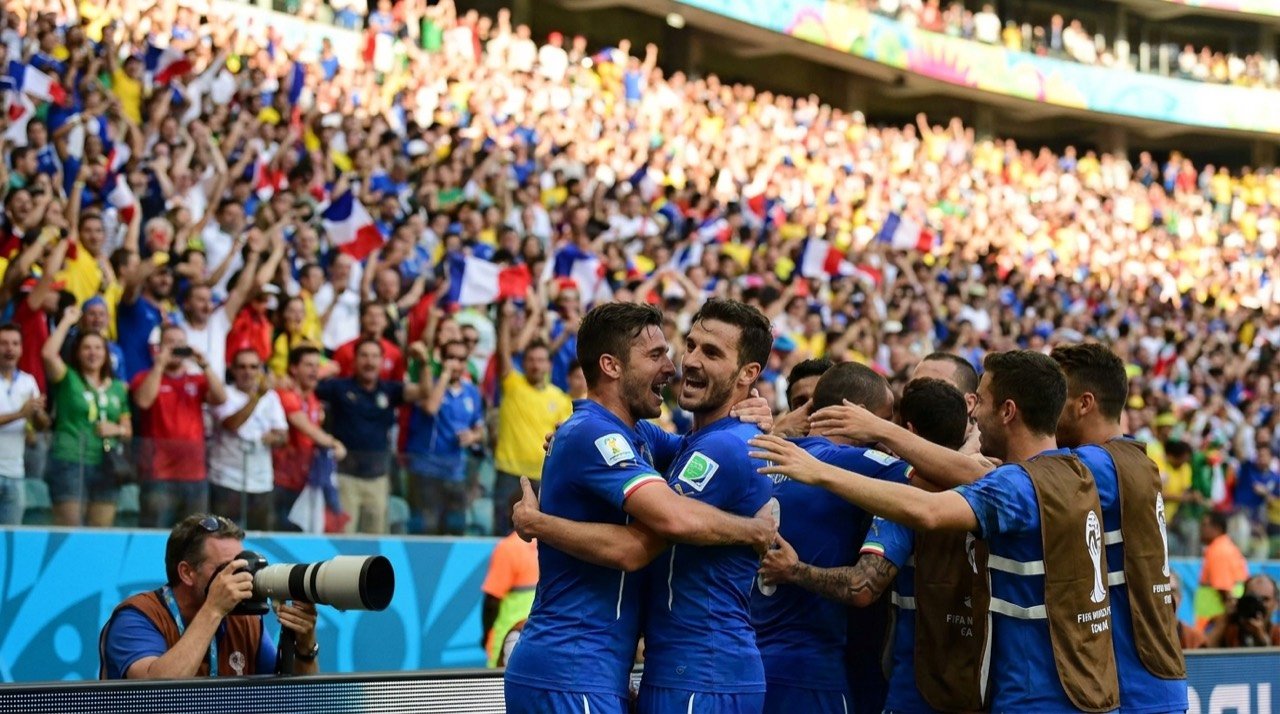
The expanded 48-team FIFA World Cup 2026 reached a pivotal stage on 24 June as the opening groups concluded their fixtures, delivering a mix of routine wins, late drama and a record-breaking individual milestone. For Indian fans following the tournament across North America, the matchday offered familiar storylines and fresh surprises as the knockout picture began to firm up. With three groups now complete and the round of 32 bracket beginning to take shape, matchday 14 served as a useful marker of how the enlarged format is reshaping the tournament's early rhythms, rewarding both continuity at the top and opportunism further down the table.
Mexico stay perfect, Ochoa makes history
Co-hosts Mexico cemented top spot in Group A with a commanding 3-0 win over Czechia, completing the group stage with a flawless record. The result kept the home crowd in full voice and underlined Mexico's intent to make a deep run on home soil. For a co-host nation, finishing the group phase unbeaten and with maximum points carries significance well beyond the standings: it builds momentum, settles a matchday squad, and offers a psychological platform ahead of the tournament's more unforgiving knockout stage, where the margins for error narrow considerably.
The night belonged in part to veteran goalkeeper Guillermo "Memo" Ochoa, who etched his name in the record books by featuring in his sixth FIFA World Cup, becoming the first goalkeeper ever to reach the milestone. His longevity has made him one of the enduring faces of the global game. That a goalkeeper, a position that traditionally punishes ageing reflexes more visibly than most, should be the one to set this particular record speaks to a career built on consistency and adaptability across six editions of the sport's biggest stage. Ochoa's milestone also lands at a symbolically apt moment: playing in front of a home crowd, in a tournament being co-hosted by his own country, gives the achievement an added layer of narrative weight that will likely be revisited throughout the knockout rounds regardless of how far Mexico ultimately progresses.
Morocco edge a thriller
In Group C, Morocco produced one of the matchday's most entertaining contests, winning 4-2 in a six-goal thriller against Haiti to claim the second automatic knockout berth from their group. The African side, semi-finalists in a previous edition, again showed the attacking verve that has won them admirers worldwide. A high-scoring, back-and-forth encounter of this kind is precisely the sort of fixture that tends to linger in the memory of a tournament long after the group stage results have faded from view, and it reinforces Morocco's reputation as a side capable of both defensive resilience and attacking incision depending on what a match demands.
Morocco's continued presence among the sides progressing comfortably from the group stage is not an isolated occurrence but part of a longer trajectory that stretches back to their earlier deep run in the competition. Their qualification here suggests that run was not an anomaly but the product of a footballing structure that has matured over successive cycles. For a competition historically dominated by a narrow band of European and South American nations, a African side securing an automatic knockout berth via an entertaining, high-scoring win is a small but meaningful data point in a broader shift.
Brazil's marquee fixture and Neymar's return
Elsewhere in the group, Brazil featured against Scotland in Miami Gardens, with 34-year-old talisman Neymar making an anticipated return to action that drew global attention to the fixture. Regardless of the tactical detail of the match itself, the mere presence of a player of Neymar's global recognition returning to World Cup action was always likely to dominate coverage, illustrating how individual star power continues to shape the commercial and narrative gravity of the tournament even in an era of expanded participation and greater competitive depth. At 34, his return also raises familiar questions about how long elite individual talent can be relied upon at the very top level of international football, questions that will only sharpen as the tournament progresses and physical demands intensify.
Knockout picture takes shape
With three groups complete, the bracket began to crystallise, and the expanded format means several third-placed sides remain in contention for the round of 32. The matchday reinforced how the larger field has widened the margins, giving smaller nations realistic paths into the knockouts. This structural feature of the 48-team format, allowing a number of third-placed finishers to advance, is arguably its most consequential design choice: it lowers the cost of an early setback and rewards sides that can accumulate points steadily rather than requiring an outright top-two finish from the outset. Fixtures such as South Africa's meeting with South Korea in a Group A decider take on outsized importance under this system, since even a side finishing third can still stay alive depending on results across the wider group phase.
As the tournament shifts towards the business end, the early matchdays have already delivered the blend of upset and spectacle that the three-host edition promised. The knockout rounds now loom as the true test of the favourites' credentials, and the coming days will show whether teams like Mexico and Morocco, both entering the next phase with genuine momentum, can translate group-stage form into knockout-stage composure, a transition that has undone many promising campaigns in past editions.
The NE Times View
Morocco's continued rise and Mexico's perfect run confirm that football's old hierarchy is loosening, which is the most compelling thing about an expanded World Cup. Ochoa's longevity is a fitting subplot in a tournament increasingly defined by underdog momentum, a reminder that experience and durability still count for something even as younger nations push into contention. For Indian fans, the lesson is structural: nations that invest patiently in pathways, as Morocco has, eventually gatecrash the elite, a reminder of how far our own football still has to travel. The expanded format has not diluted competitiveness so much as redistributed opportunity, and that redistribution is precisely what makes these early group finales worth watching closely rather than dismissing as a formality before the "real" tournament begins.
Key takeaways
- Mexico finished Group A with a perfect record after a 3-0 win over Czechia, with goalkeeper Guillermo Ochoa becoming the first player to feature in six FIFA World Cups.
- Morocco sealed an automatic knockout berth from Group C with a 4-2 win over Haiti in one of the matchday's most entertaining contests.
- Brazil's fixture against Scotland in Miami Gardens drew added attention due to Neymar's return to World Cup action at age 34.
- The expanded 48-team format's provision for advancing third-placed sides is reshaping how nations approach the group stage, with fixtures like South Africa versus South Korea carrying added weight.
- The results across matchday 14 reflect a broader, structural shift in international football, with nations such as Morocco converting sustained investment into consistent knockout-stage qualification.
You may also like to read
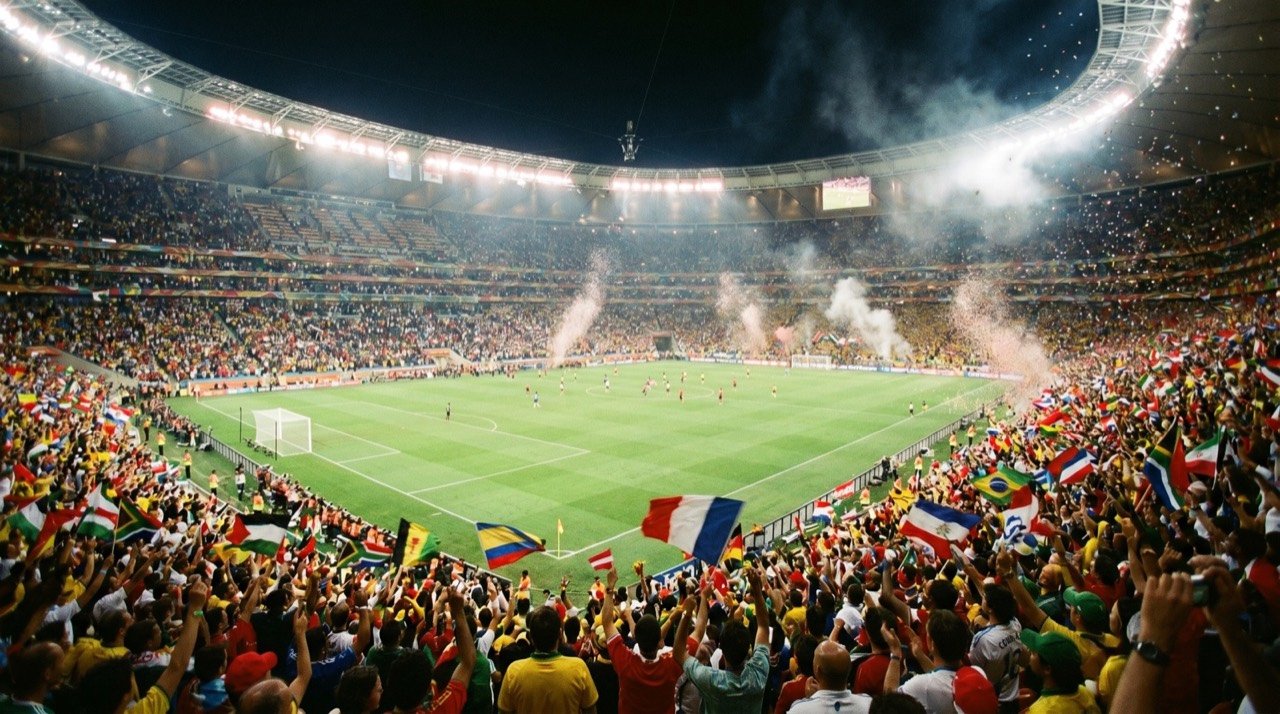
World Cup debutants Cape Verde stun Spain with goalless draw in Atlanta
The European champions hammered 27 shots at goal but could not break down the islanders, whose 40-year-old goalkeeper Vozinha produced seven saves to earn the nation its first point at a World Cup.
Amad Diallo's 90th-minute strike sinks Ecuador and ends 19-game unbeaten run
The substitute settled a tense Group E opener in Philadelphia, lifting Ivory Coast to victory on their first World Cup appearance in a dozen years and halting Ecuador's long unbeaten sequence.
Sweden announce themselves with five-goal demolition of Tunisia
Two stunning long-range strikes from Yasin Ayari bookended goals from Alexander Isak, Viktor Gyokeres and Mattias Svanberg as Graham Potter's Sweden opened their World Cup with a statement win in Monterrey.
Germany Hammer Curacao 7-1 in Record-Breaking World Cup Romp
Kai Havertz struck twice as Julian Nagelsmann's four-time champions overwhelmed the smallest nation ever to reach the finals, with the Caribbean debutants taking one historic consolation.
More from this section
More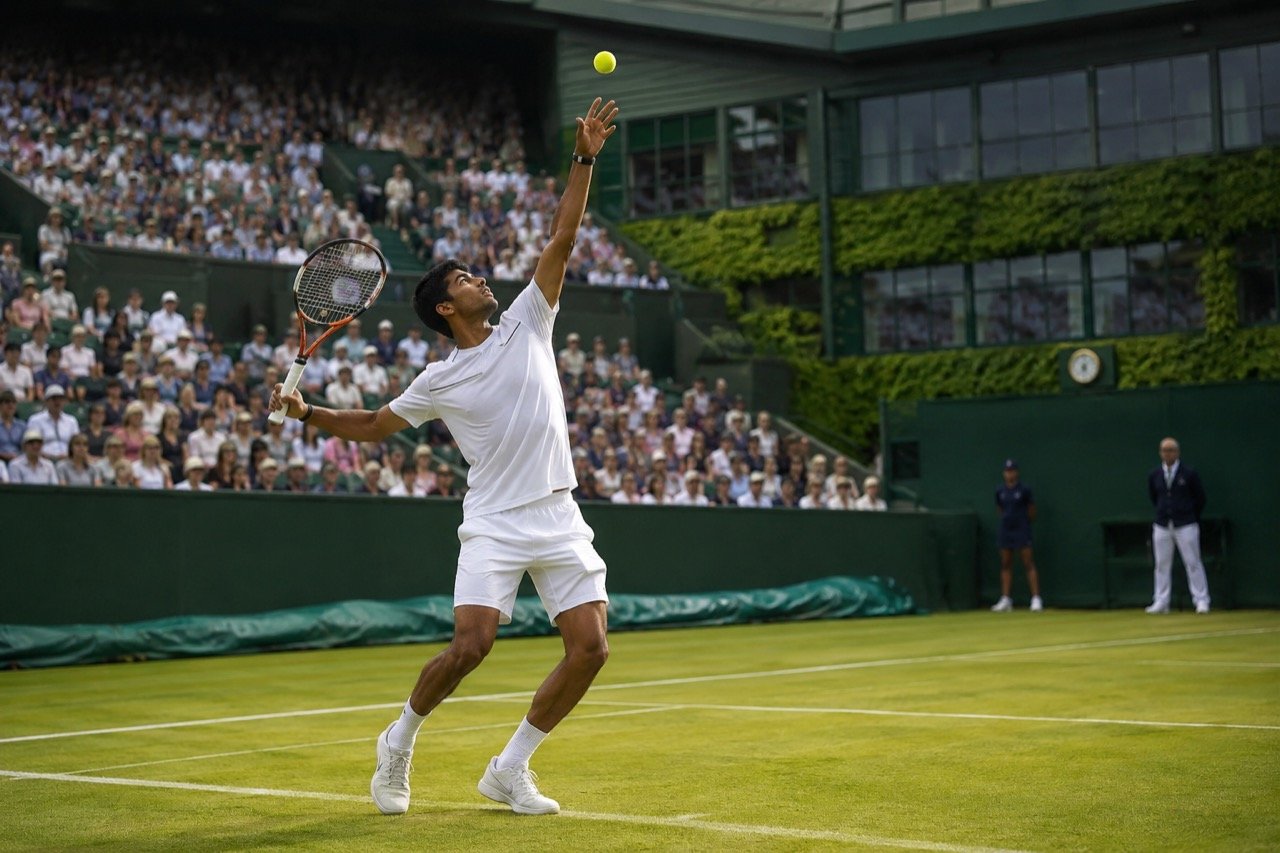
Arnav Paparkar Advances at Wimbledon Boys' Singles in Boost for India
Indian junior Arnav Paparkar has moved into the second round of the Wimbledon boys' singles with a commanding serving display, handing Indian tennis a rare and encouraging grass-court result at the sport's biggest stage.
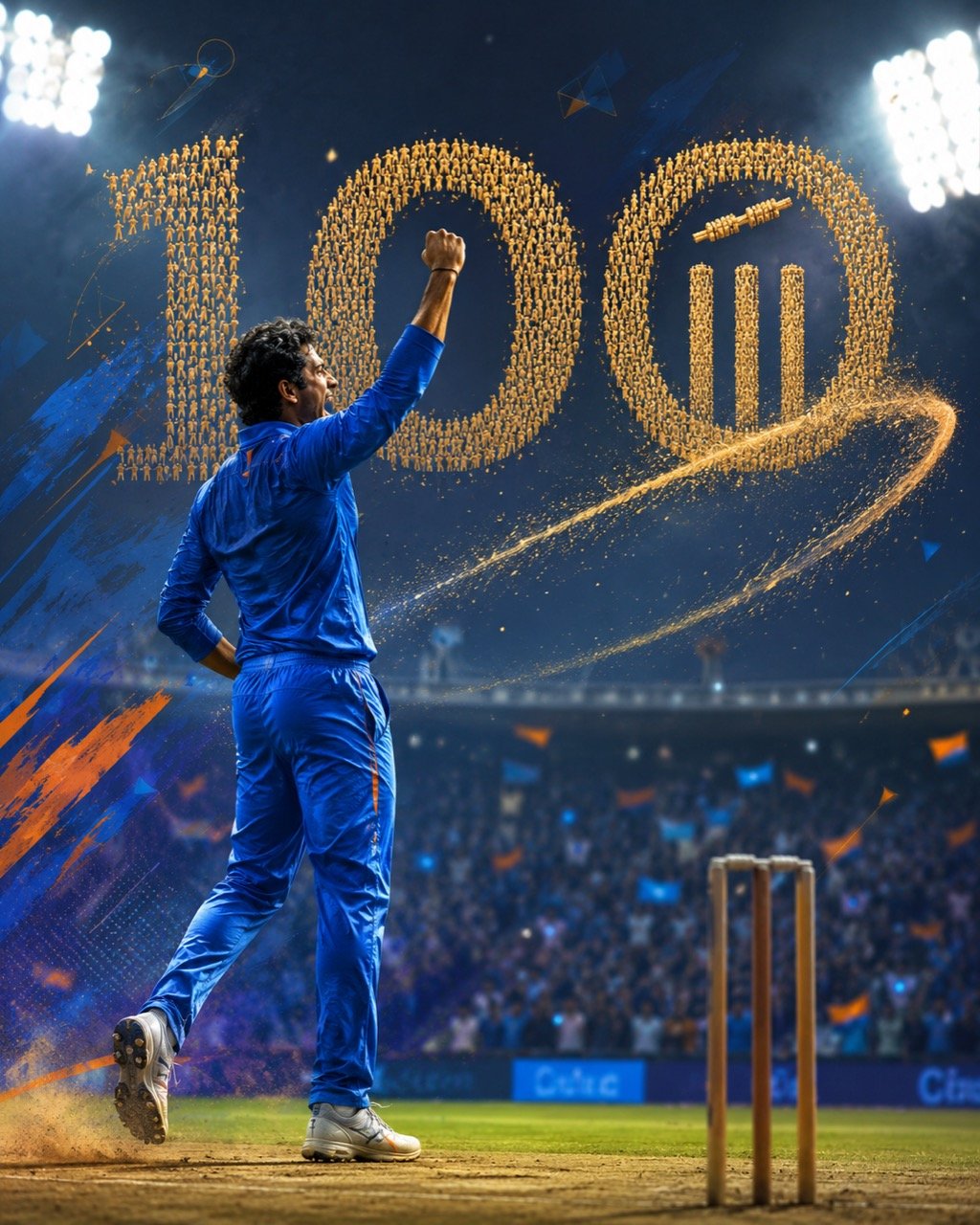
Axar Patel Becomes First Indian Spinner With 100 T20I Wickets
Axar Patel reached 100 T20 international wickets in the second T20I against England, becoming the first Indian spinner to hit the mark and cementing his standing as one of India's most durable white-ball performers.
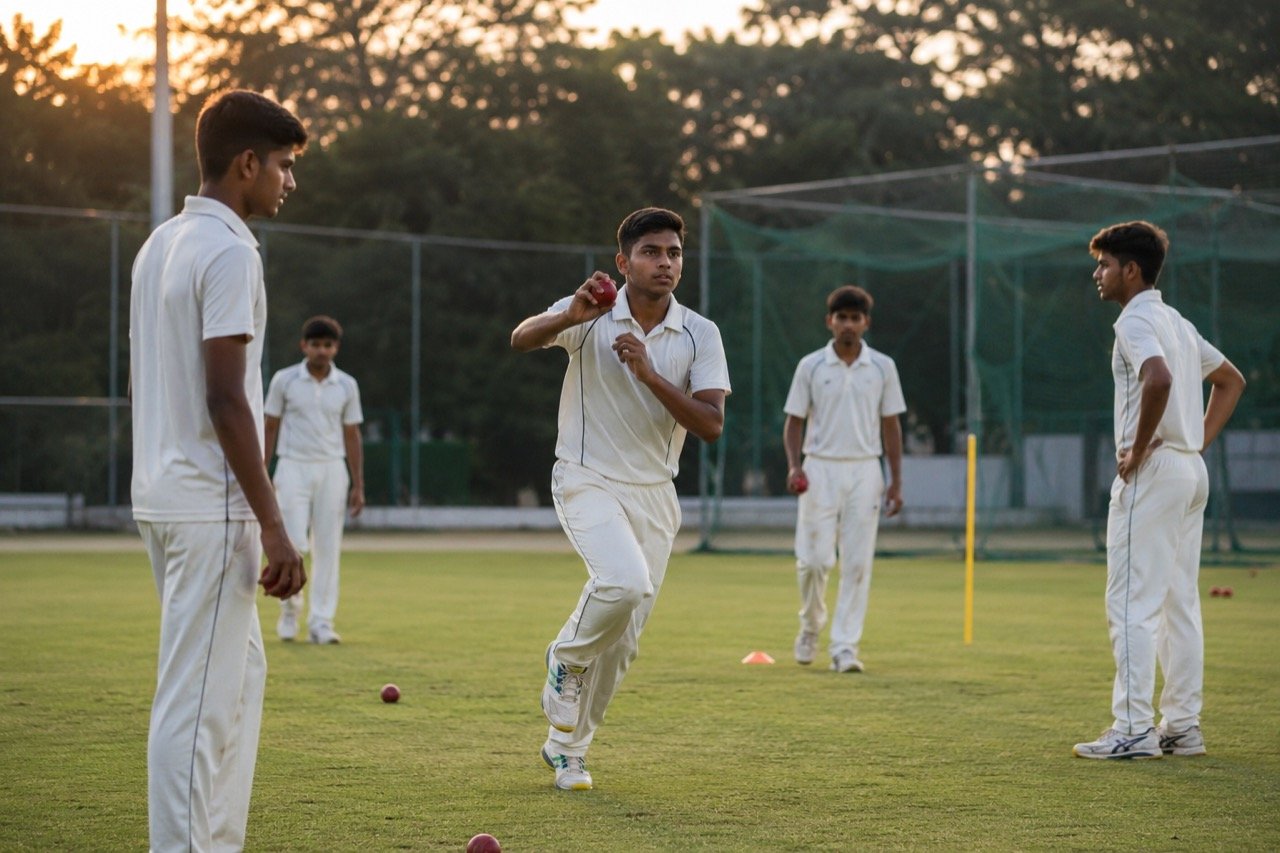
BCCI Emerging Men's Tournament to Hunt Test Prospects in Bengaluru
The BCCI's red-ball Emerging Men's Tournament, running at the Centre of Excellence in Bengaluru through July, is designed to give selectors a longer, harder look at India's next generation of Test cricketers.