E20 Petrol: Carmakers Say No Engine Damage, But Mileage Dips
Carmakers have clarified that E20 petrol does not damage engines, but an acknowledged drop in fuel efficiency keeps ethanol-blended fuel at the centre of a consumer debate touching every Indian driver.
Commentary & Analysis ·
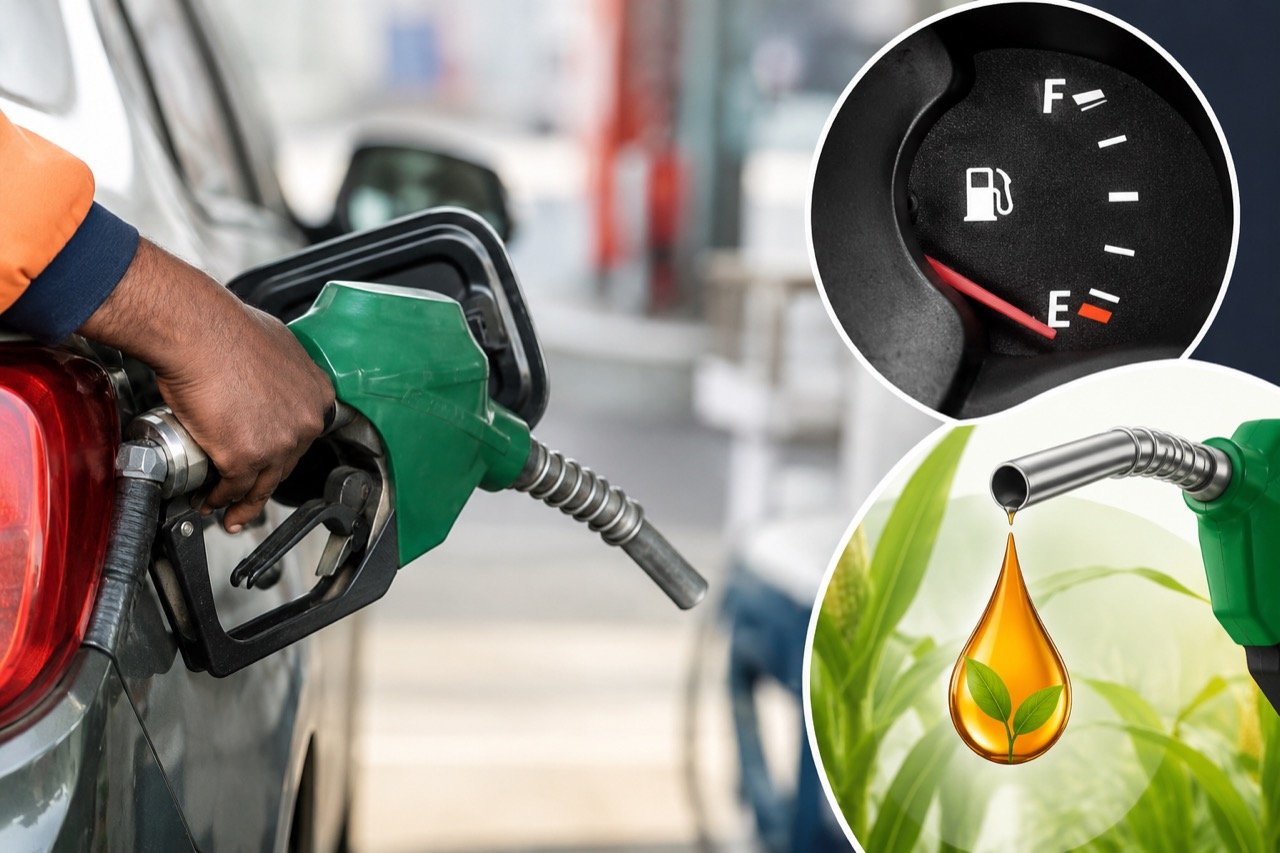
Carmakers have moved to settle one half of India's E20 petrol debate, stating that the ethanol-blended fuel does not damage engines, even as they acknowledge that mileage does fall. The clarification, highlighted on the Times of India's July 5 India news coverage, addresses a question that has been worrying motorists since the blend became widespread. E20 refers to petrol mixed with 20 percent ethanol. India's push toward higher ethanol blending is tied to energy security, a farm-linked biofuel supply chain and emissions goals. But for the ordinary driver, the policy translates into three practical questions: will it hurt my engine, is my older vehicle safe, and how much fuel economy will I lose?
Why this clarification matters now
For months, anecdotal worry about E20 has circulated among vehicle owners, particularly those with older two-wheelers and cars not originally designed with high ethanol content in mind. Rumours of corroded fuel lines, damaged seals and premature engine wear have travelled faster than any official rebuttal, largely because manufacturers and policymakers had not addressed the concern directly and specifically. The carmakers' statement, as reported in the Times of India's July 5 coverage, is significant precisely because it draws a clear line: engines are not being damaged by E20. That is a mechanical assurance, not a marketing line, and it matters because mechanical failure is the kind of claim that can be tested, verified and, crucially, insured against. By contrast, mileage loss is not a safety question at all, but an economic one, and treating the two as separate strands is the most useful thing this clarification does.
Two issues, finally separated
The value of the latest clarification is that it disentangles two very different concerns. Engine damage is a serious mechanical claim that requires hard evidence, and carmakers say it is not happening. A mileage reduction, by contrast, is a performance and running-cost issue that remains real even if engines stay safe. For consumers, that distinction changes how the policy should be judged: the debate is now about money per kilometre, not mechanical risk. This reframing is not a small thing. When the two concerns were tangled together, any consumer complaint about reduced fuel economy risked being read as an alarmist claim about engine safety, and any official reassurance about engine safety risked being misread as a denial that mileage was affected at all. Separating them allows each issue to be addressed on its own terms, with its own evidence and its own remedies.
The economics of a mileage drop
A drop in mileage, even a modest one, is not a trivial inconvenience. Ethanol carries less energy per litre than pure petrol, so it stands to reason that blending it at a higher ratio would reduce the distance a vehicle can travel on a full tank, other things being equal. For a household running a single two-wheeler for the daily commute, or a small business relying on a car or a fleet of vehicles for deliveries, even a few percentage points of reduced efficiency compounds over a year of refuelling. It functions, in practice, as a quiet increase in the cost of mobility, one that does not show up on a fuel price board but shows up all the same in the wallet. This is the crux of why the engine-safety reassurance, welcome as it is, cannot be the end of the conversation.
What drivers still need
Open questions remain around older vehicles, warranty coverage and real-world fuel economy across different models. Carmakers offering a blanket statement that engines are safe is one thing; a driver with a decade-old vehicle wants to know whether that assurance applies to their specific make, model and year, not just to the newest vehicles rolling off assembly lines built with E20 compatibility already engineered in. Warranty coverage is another live issue: if a component does fail, will the manufacturer treat it as a normal wear-and-tear claim, or will there be disputes over whether ethanol-blended fuel voided the warranty? And on mileage specifically, drivers need numbers, not general reassurance. A five percent drop is a very different proposition from a fifteen percent drop, and different vehicle models are likely to respond differently depending on engine calibration and age. The most useful next step would be clear model-wise guidance from manufacturers and transparent communication at fuel stations, so that drivers know exactly what E20 means for their specific vehicle rather than relying on hearsay.
The wider policy stakes
India's ethanol-blending programme sits at the intersection of several strategic priorities: reducing the import bill for crude oil, creating a steady demand stream for sugarcane and grain farmers, and cutting vehicular emissions. These are legitimate and important national objectives, and the programme's rapid rollout reflects a genuine policy success in engineering and logistics terms. But policy success at the level of national energy strategy does not automatically translate into a comfortable experience for the individual motorist, particularly one on a tight budget who notices that a tank of fuel is not carrying them as far as it used to. The credibility of the wider ethanol programme depends, in part, on whether the government and the auto industry are willing to be transparent about this trade-off rather than letting it surface piecemeal through consumer complaints and clarifications issued only when public unease builds. A programme that is genuinely beneficial at the national level should be able to withstand honest disclosure of its costs at the individual level.
The NE Times View
The engine-damage clarification is welcome, but it should not be treated as the end of the story. A mileage drop is effectively a hidden price increase for every household that runs a two-wheeler or car, and it lands hardest on those who can least absorb it. The government has been quick to celebrate the energy-security gains of ethanol blending; it should be equally quick to publish honest, model-wise efficiency data and ensure pump-level labelling is unmissable. Trust in fuel policy is built at the petrol station, not in press releases. Until drivers can see exactly what E20 costs them per kilometre, this debate will keep running on every fuel gauge in the country.
Key takeaways
- Carmakers have confirmed E20 petrol does not cause engine damage, but they acknowledge it does reduce mileage, separating a safety question from an economic one.
- The clarification, reported in the Times of India's July 5 coverage, still leaves open questions on older vehicles, warranty coverage and model-specific fuel economy figures.
- A mileage drop functions as a hidden cost increase for everyday drivers, even though it does not show up directly on fuel price boards.
- Clear, model-wise efficiency data and transparent pump-level labelling are the next essential steps for genuine consumer trust.
- India's ethanol-blending push serves real energy-security and farm-linked goals, but its long-term credibility depends on honest disclosure of costs to ordinary motorists.
You may also like to read
E20 Fuel in India: Mileage and Engine Worries Reach the Petrol Pump
India's push for 20 percent ethanol-blended petrol has moved from policy circles to everyday consumers, who are now asking hard questions about mileage loss, engine compatibility and what older vehicles should do.
E20 Petrol: Why India's Ethanol Blending Push Divides Motorists
India's rollout of E20 ethanol-blended petrol has become a live public-policy debate, with vehicle owners raising questions about mileage, engine compatibility and consumer choice even as the government defends its energy-security goals.
Delhi EV Policy 2.0: Ownership Costs, 2028 Petrol Bike Halt Explained
Chief Minister Rekha Gupta is pitching Delhi's new EV policy as a long-term ownership shift, pairing purchase incentives and charging infrastructure with a contested halt on new petrol two-wheeler registrations from April 2028.
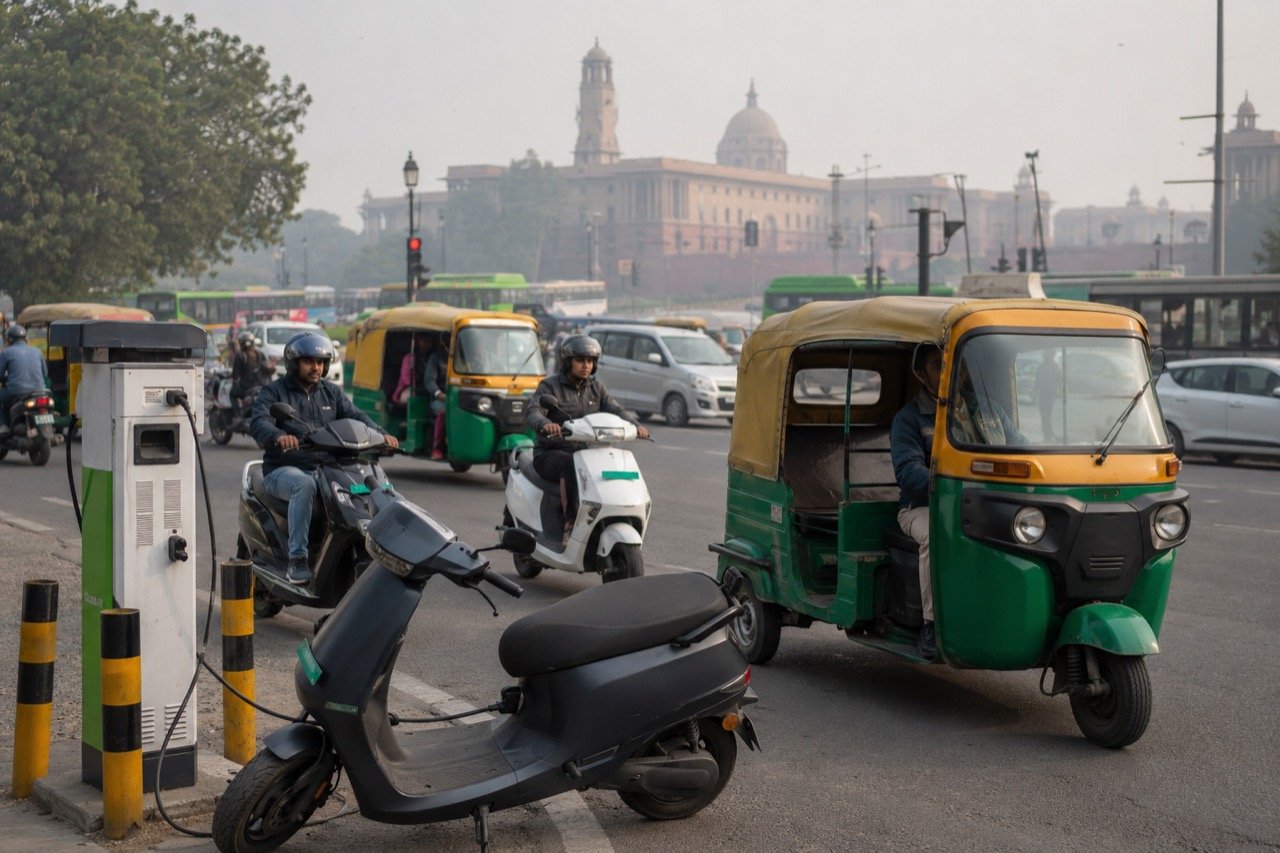
Delhi's EV Policy 2026: Petrol Two-Wheelers Face a 2028 Deadline
Delhi's updated electric vehicle policy targets an end to new petrol two-wheeler registrations from 2028 and at least 30 percent fleet electrification by 2030, turning the capital's commute into a national clean-mobility test case.
More from this section
More
AICTE Industry Fellowship 2026: Rs 1.5 Lakh Scheme Closes July 5
The AICTE Industry Fellowship Programme 2026, which places technical-education faculty inside leading companies on a Rs 1.5 lakh monthly stipend, reached its application deadline on July 5.
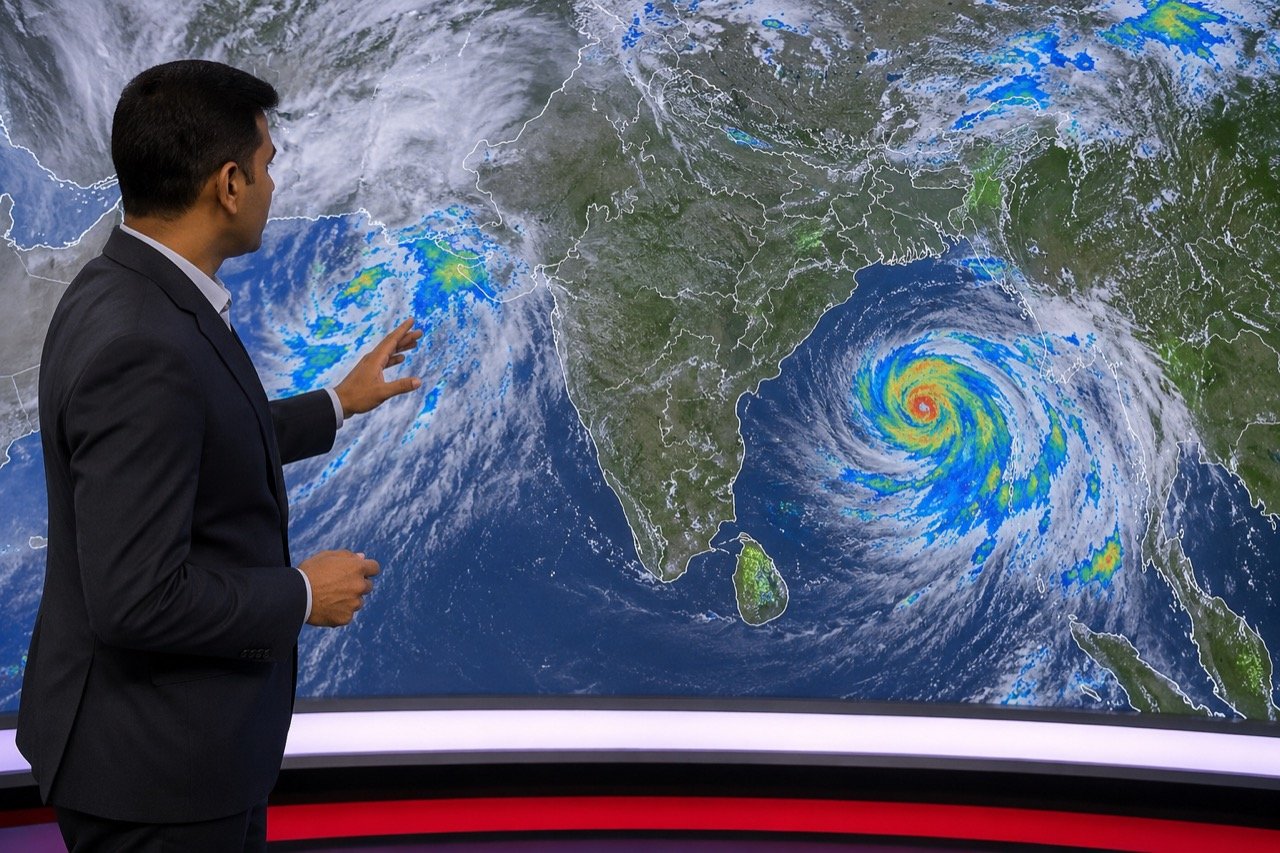
Bay of Bengal Low Pressure System Revives Monsoon Over Western India
A low-pressure system over the Bay of Bengal has pushed the monsoon back into an active phase, bringing steady heavy rain to Kerala, coastal Karnataka and Maharashtra, and putting Mumbai and Pune on preparedness watch.
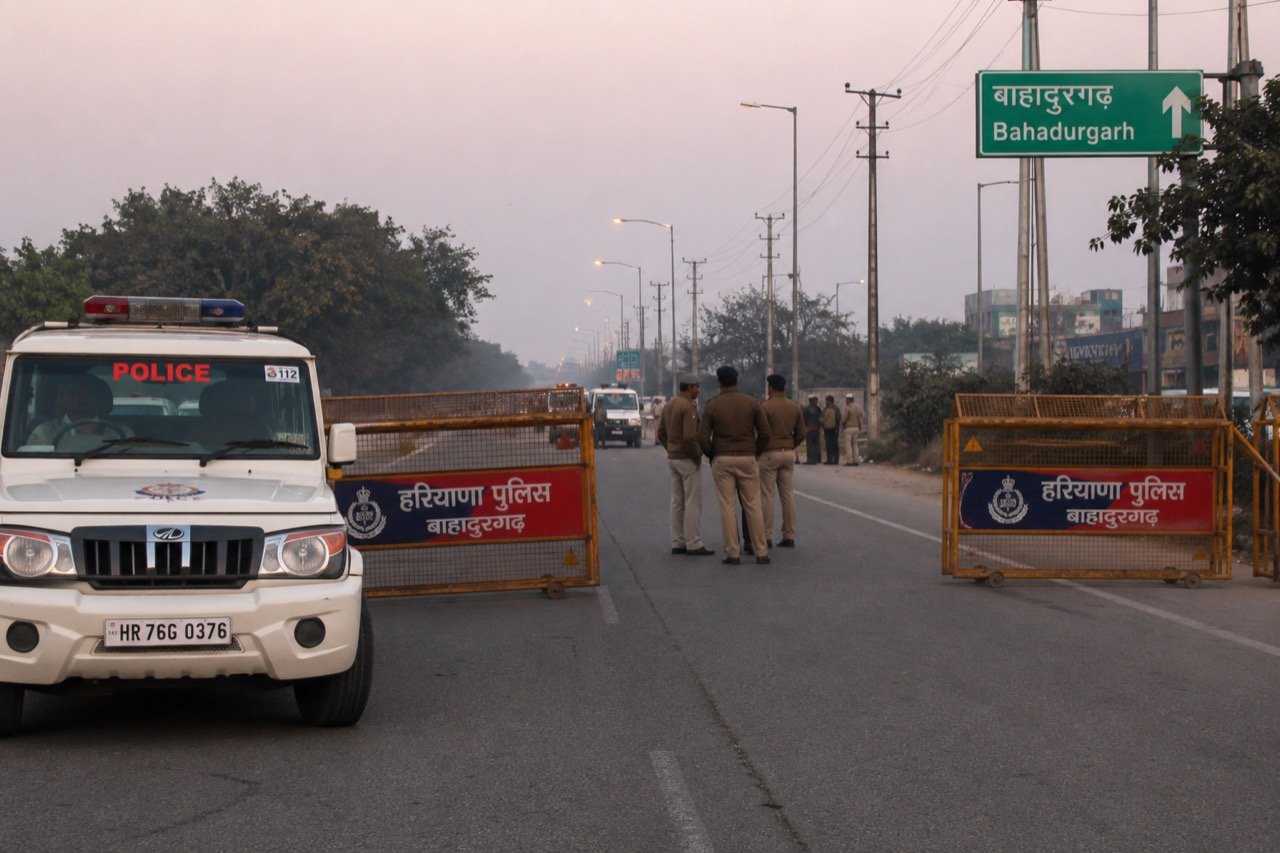
Bishnoi Gang Suspects Injured in Haryana Encounter as Police Tighten Net
A joint Haryana-Delhi Police operation in Bahadurgarh left two suspected Lawrence Bishnoi gang members injured, spotlighting the multi-state coordination now central to India's fight against organised crime networks.