E20 Fuel in India: Mileage and Engine Worries Reach the Petrol Pump
India's push for 20 percent ethanol-blended petrol has moved from policy circles to everyday consumers, who are now asking hard questions about mileage loss, engine compatibility and what older vehicles should do.
Commentary & Analysis ·
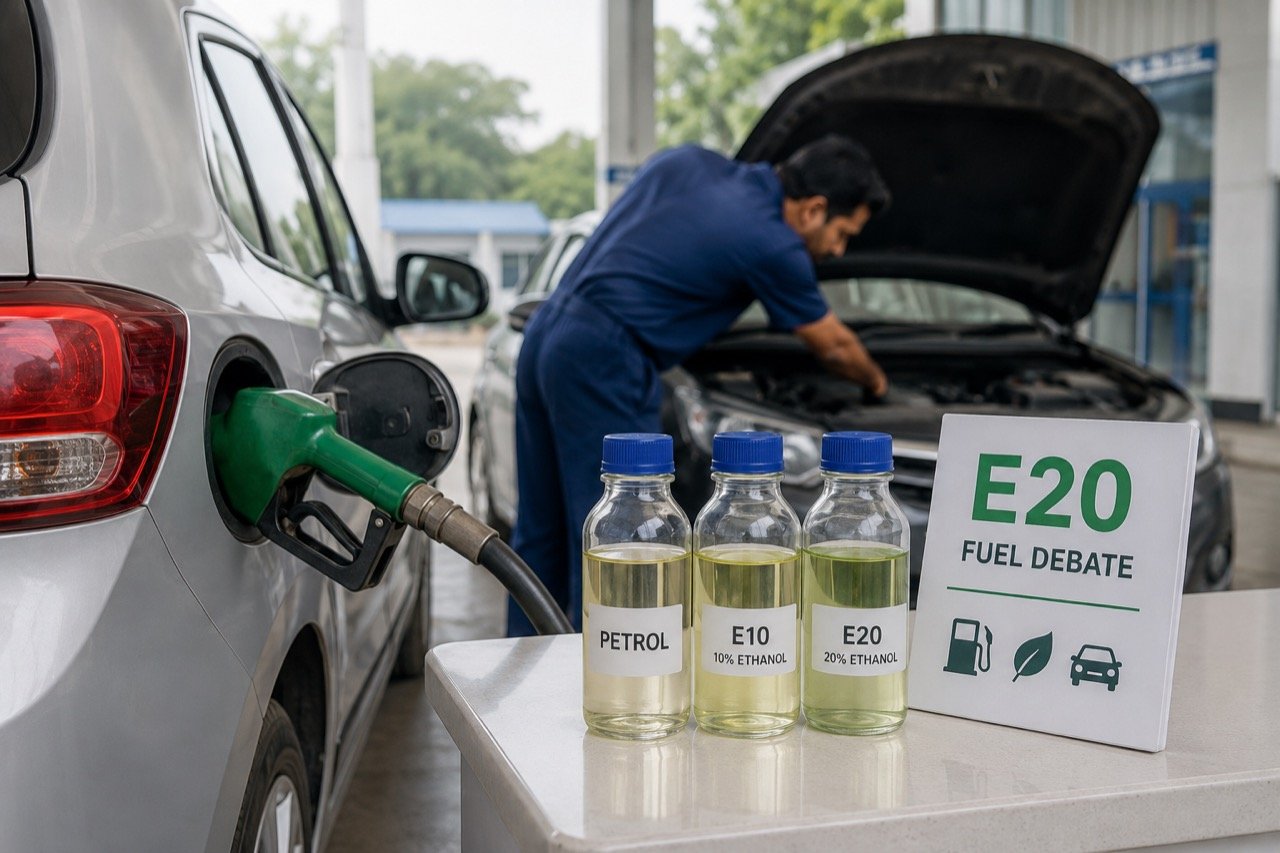
The debate over E20 fuel — petrol blended with 20 percent ethanol — has stopped being a technical policy discussion and become a household one. Across India, vehicle owners are asking the same practical questions: will my mileage drop, is my older car or two-wheeler compatible, and could engine components be affected over time? What began as a subject confined to ministry briefings and industry roundtables has now migrated to the petrol pump, the service centre and the family WhatsApp group, where anecdote often travels faster than official guidance.
The policy rationale is clear enough on paper. Higher ethanol blending is meant to cut India's dependence on imported crude oil, support the domestic ethanol economy that draws heavily on sugarcane and foodgrain surplus, and reduce some tailpipe emissions compared with pure petrol. These are legitimate national priorities, and few would dispute the logic of reducing the size of India's oil import bill or giving agricultural producers a steadier market for ethanol. What has changed is not the policy's aims but its stage of life: it has moved from being debated in principle to being experienced in practice, by millions of ordinary vehicle owners who did not necessarily follow the years of planning that preceded the rollout.
What owners actually need to know
The honest answer to the mileage and engine questions is that impact varies by vehicle, and blanket claims in either direction are unreliable. Newer models are increasingly designed with higher ethanol blends in mind, with fuel systems, seals and engine tuning calibrated to tolerate E20 without major issue. Older vehicles raise more legitimate questions, and the honest position depends on manufacturer specifications for fuel lines, gaskets and engine mapping rather than on generalised fear or generalised reassurance. A vehicle built a decade ago, before ethanol blending targets were widely anticipated, was simply not engineered with the same assumptions as a car rolling off the line today.
This is precisely why owners are better served checking manufacturer guidance, official service advisories and authorised fuel information than reacting to viral posts. Concerns about mileage and wear deserve answers, but not every claim circulating online has been verified, and panic is a poor substitute for a service manual. A driver who assumes the worst based on a forwarded message may end up making costly and unnecessary changes to a vehicle that was never at meaningful risk, while a driver who assumes the best without checking may miss a genuine compatibility issue that a five-minute call to an authorised service centre could have flagged.
Why the anxiety has become so widespread
Fuel is one of the few policy areas that touches nearly every household directly and repeatedly. Unlike many regulatory changes that operate in the background, a change at the pump is felt every single time a tank is filled, which means any uncertainty about mileage or engine health gets reinforced on a near-daily basis. That repetition is part of why the E20 conversation has taken on an emotional charge disproportionate to the technical facts as currently understood. When people cannot easily verify for themselves whether their own vehicle is affected, the natural response is to look for shortcuts — informal advice, social media claims, mechanic folklore — rather than wait for an official answer that may not be readily available in plain language.
This dynamic is compounded by the fact that vehicle ownership in India spans an unusually wide range of vintages, from vehicles bought this year to two-wheelers and cars that have been on the road for a decade or more. A one-size-fits-all message cannot serve such a diverse fleet, yet much of the public information available so far has tended toward broad reassurance rather than vehicle-specific clarity. The result is a communication vacuum that gets filled, unevenly and unreliably, by word of mouth.
The communication gap
The deeper issue is not the ethanol blending target itself but how the transition is being explained to the people who must live with it. Energy policy shifts often stumble at the consumer level when people feel changes are imposed without clear, practical advice on cost, performance and maintenance. E20 may serve national goals around energy security and rural income, but drivers experience it through their fuel bills and service visits, not through macroeconomic charts. A policy can be sound in aggregate and still land badly if the individuals affected by it feel uninformed or unheard.
This is not a uniquely Indian problem — transitions in fuel standards, vehicle emissions norms and energy sourcing have produced similar friction in other markets when governments and manufacturers assumed that the technical merits of a change would be self-evident to consumers. What tends to work in those cases is proactive, vehicle-specific communication well ahead of and during the transition, rather than reactive clarification after concerns have already spread. India's E20 rollout appears to be facing exactly this lag, with public anxiety running ahead of accessible, authoritative guidance.
Stakeholders on all sides have a role to play
Carmakers and two-wheeler manufacturers are best placed to say, model by model, whether a given vehicle is compatible with E20 and what, if anything, an owner should check or change. Authorised service networks are the natural channel for this information to reach owners directly, rather than leaving it to be inferred from general statements. The government, having set the policy direction, has an interest in ensuring the rollout is not undermined by avoidable public distrust, which argues for clear, centrally coordinated guidance that consumers can act on without needing to interpret technical bulletins themselves. Consumers, for their part, are best served treating unverified claims about mileage collapse or engine damage with the same scepticism they would apply to any uncorroborated information, while still taking seriously any specific concern raised by their own vehicle's manufacturer.
The NE Times View
E20 is a reasonable policy wrapped in poor messaging. India's import bill and its sugarcane economy both argue for ethanol blending, but a transition that touches every fuel tank in the country cannot be communicated like a ministry circular. The government and carmakers should publish plain-language compatibility lists, realistic mileage expectations and clear recourse for owners of older vehicles. If consumers conclude they are subsidising a national goal out of their own pockets without being told, the backlash will outlast the policy's benefits. Trust, like mileage, is hard to recover once it drops. The coming months, as awareness of E20 becomes near-universal, will show whether authorities can close this communication gap before scepticism hardens into settled public opinion.
Key takeaways
- E20 fuel serves genuine national goals — reducing crude imports, supporting the ethanol economy and cutting some emissions — but its consumer-facing rollout has lagged behind its policy rationale.
- Compatibility varies by vehicle, so owners should rely on manufacturer guidance and authorised service advisories rather than viral claims about mileage or engine wear.
- The core problem is communication: a change that affects every vehicle owner needs plain-language, vehicle-specific information, not technical circulars.
- Carmakers, service networks and the government each have a distinct role in closing the information gap before public distrust sets in.
- Restoring consumer confidence, once eroded, will be harder than maintaining it would have been from the outset.
You may also like to read
E20 Petrol: Carmakers Say No Engine Damage, But Mileage Dips
Carmakers have clarified that E20 petrol does not damage engines, but an acknowledged drop in fuel efficiency keeps ethanol-blended fuel at the centre of a consumer debate touching every Indian driver.
E20 Petrol: Why India's Ethanol Blending Push Divides Motorists
India's rollout of E20 ethanol-blended petrol has become a live public-policy debate, with vehicle owners raising questions about mileage, engine compatibility and consumer choice even as the government defends its energy-security goals.
Delhi EV Policy 2.0: Ownership Costs, 2028 Petrol Bike Halt Explained
Chief Minister Rekha Gupta is pitching Delhi's new EV policy as a long-term ownership shift, pairing purchase incentives and charging infrastructure with a contested halt on new petrol two-wheeler registrations from April 2028.
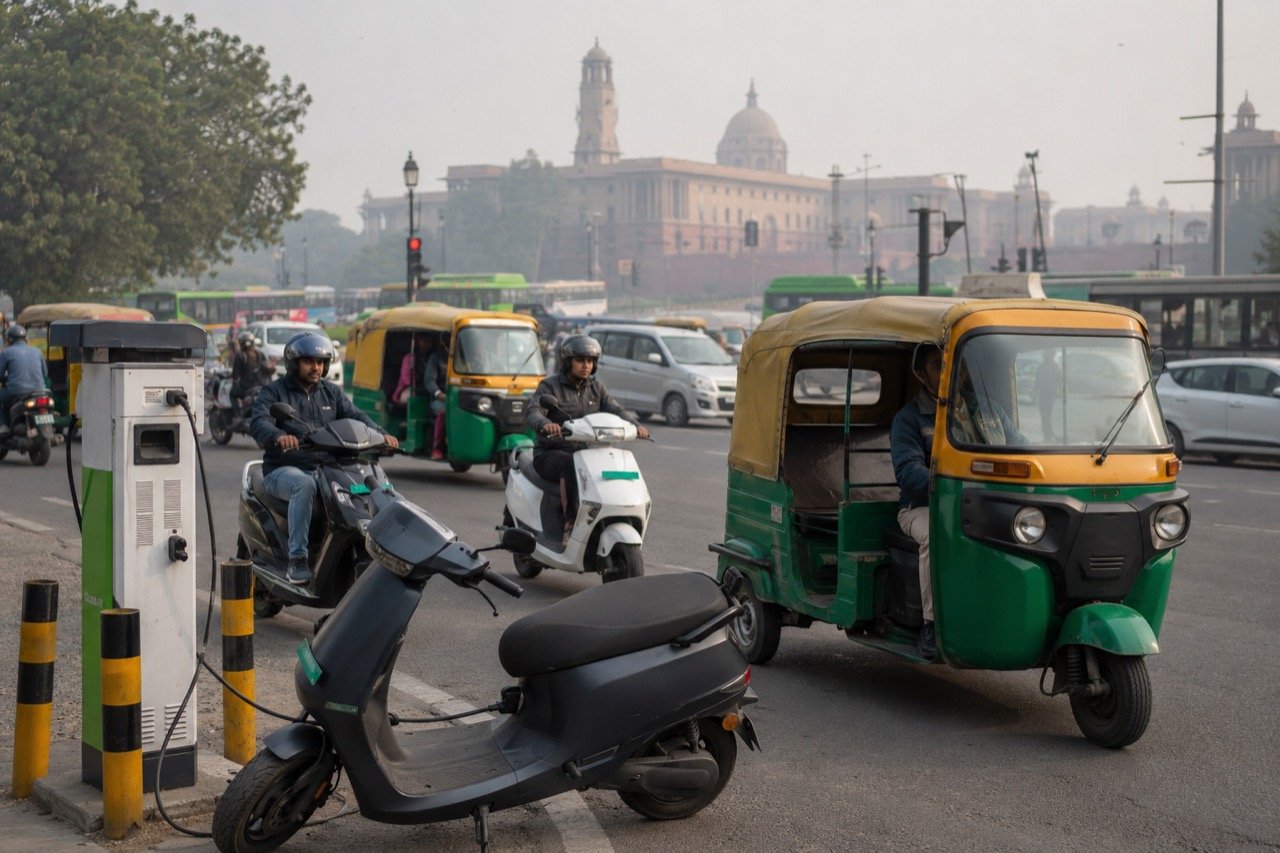
Delhi's EV Policy 2026: Petrol Two-Wheelers Face a 2028 Deadline
Delhi's updated electric vehicle policy targets an end to new petrol two-wheeler registrations from 2028 and at least 30 percent fleet electrification by 2030, turning the capital's commute into a national clean-mobility test case.
More from this section
More
AICTE Industry Fellowship 2026: Rs 1.5 Lakh Scheme Closes July 5
The AICTE Industry Fellowship Programme 2026, which places technical-education faculty inside leading companies on a Rs 1.5 lakh monthly stipend, reached its application deadline on July 5.
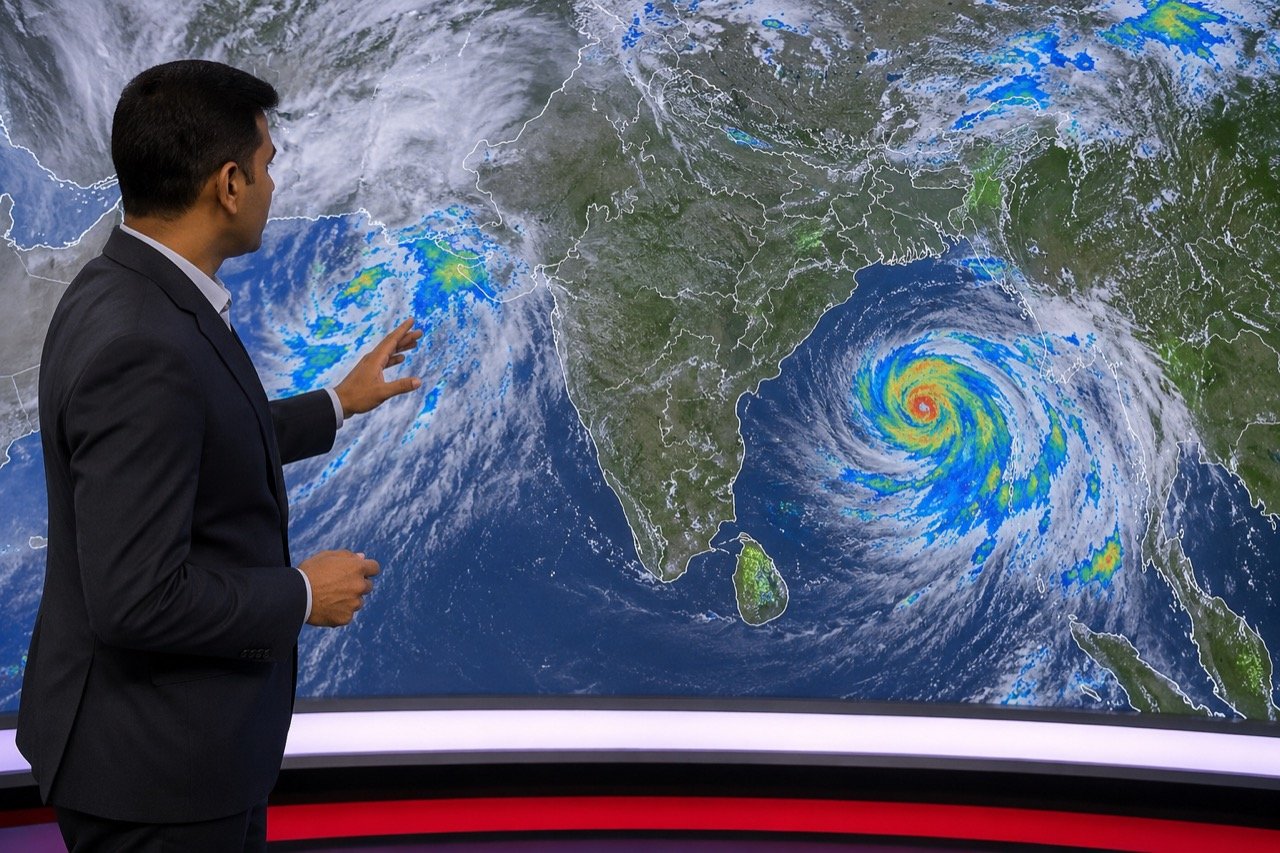
Bay of Bengal Low Pressure System Revives Monsoon Over Western India
A low-pressure system over the Bay of Bengal has pushed the monsoon back into an active phase, bringing steady heavy rain to Kerala, coastal Karnataka and Maharashtra, and putting Mumbai and Pune on preparedness watch.
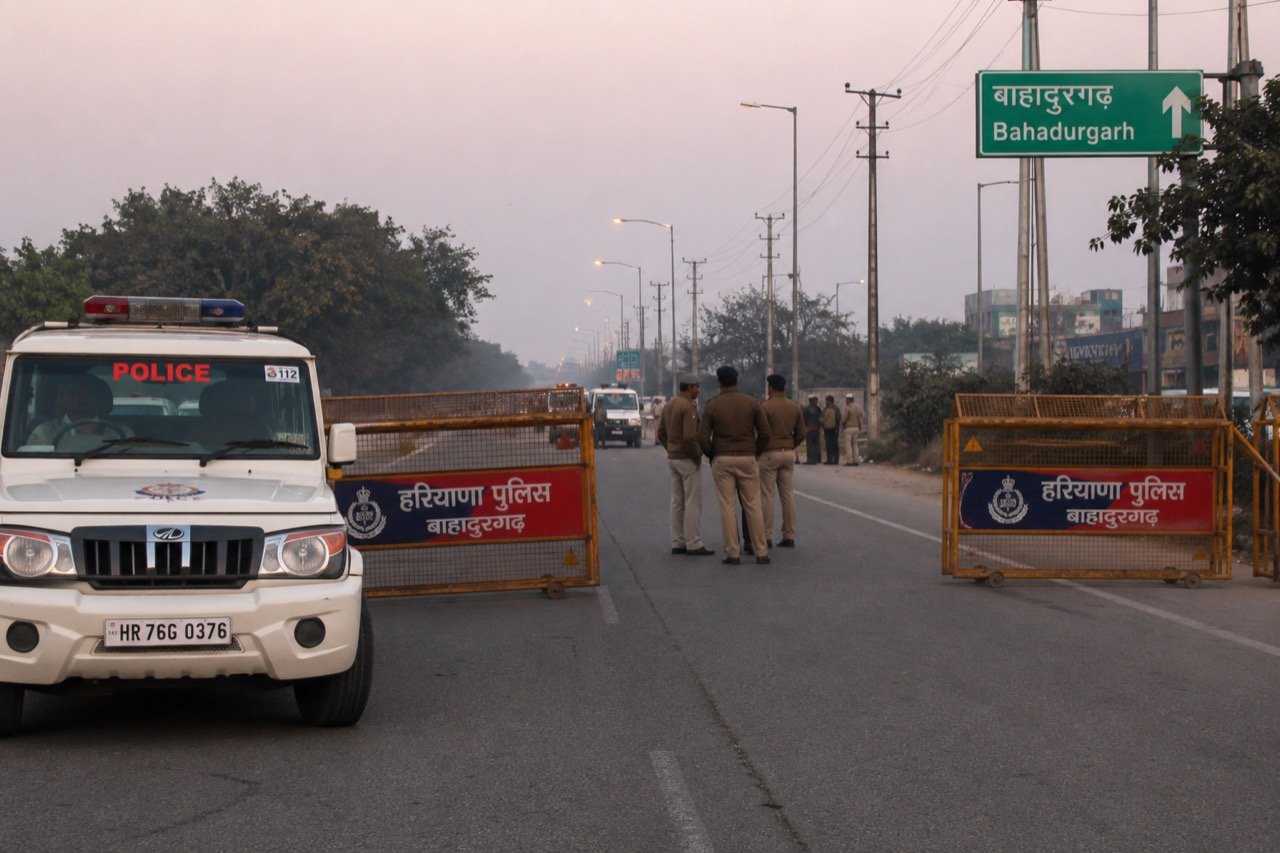
Bishnoi Gang Suspects Injured in Haryana Encounter as Police Tighten Net
A joint Haryana-Delhi Police operation in Bahadurgarh left two suspected Lawrence Bishnoi gang members injured, spotlighting the multi-state coordination now central to India's fight against organised crime networks.