Delhi's EV Policy 2026: Petrol Two-Wheelers Face a 2028 Deadline
Delhi's updated electric vehicle policy targets an end to new petrol two-wheeler registrations from 2028 and at least 30 percent fleet electrification by 2030, turning the capital's commute into a national clean-mobility test case.
Commentary & Analysis ·
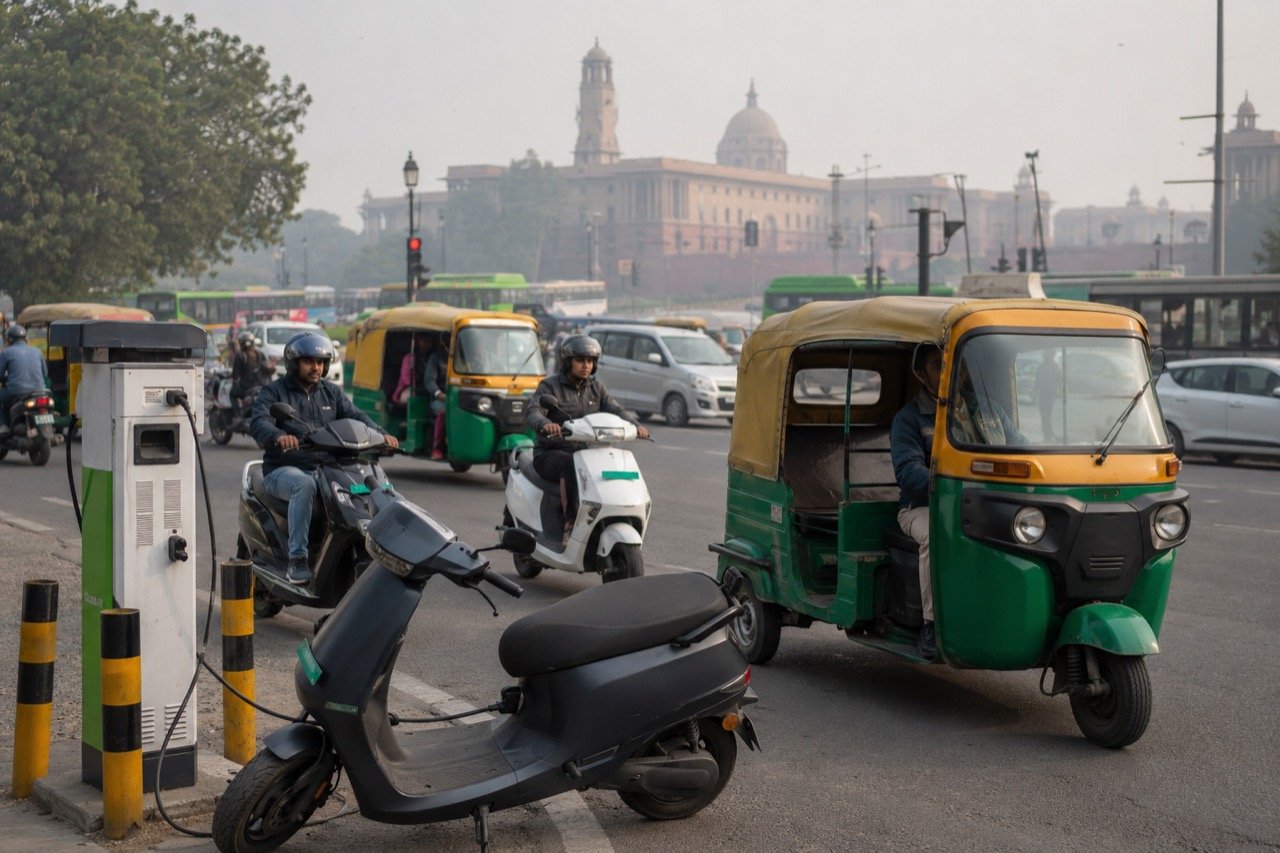
Delhi's updated electric vehicle policy has turned the capital's daily commute into a national experiment: how fast can a large Indian city wean itself off petrol-powered personal transport? The headline signal is a push to end new petrol two-wheeler registrations from 2028, alongside tighter timelines for auto-rickshaws, delivery fleets and small commercial vehicles, expanded charging infrastructure and a fresh round of purchase incentives.
The stakes are unusually high because two-wheelers dominate Delhi's registered vehicle base and remain the most affordable way for many households to move through the city. The policy therefore lands not just as an environmental announcement but as a consumer, business and infrastructure story touching commuters, gig-delivery workers, dealers, battery suppliers, ride-hailing fleets and the city's power-distribution planners.
Deadlines, targets and the hybrid snub
The plan aims for at least 30 percent electrification of Delhi's fleet by March 31, 2030, with electric small commercial vehicles and three-wheelers prioritised from 2027 and two-wheelers following from 2028. Notably, the policy excludes strong hybrids from its benefits, reserving incentives for vehicles with zero tailpipe emissions. That choice will be contested by buyers who see hybrids as a practical bridge in a market where charging access is still patchy, but it keeps the policy's clean-air logic uncompromised.
Industry has already read the cabinet approval as a demand signal, with electric two-wheeler makers such as Ola Electric and Ather Energy drawing fresh investor attention. A regulatory deadline changes the arithmetic for manufacturers, dealers and fleet operators: EV adoption stops being a voluntary trend and becomes a timetable — one that other Indian cities may copy if Delhi's rollout proves workable.
The implementation gap
The harder test is delivery. Delhi will need enough public chargers, reliable power, safe battery standards, affordable financing and repair networks. A commuter who parks on the street or rents a flat cannot install a private charger; delivery riders and auto drivers need fast charging that does not eat into working hours. Equally important is public trust: existing petrol vehicles are not being banned, and the policy's success depends on communicating clearly what changes in 2027 and 2028, and what support — scrappage benefits, road-tax waivers, targeted subsidies — is actually available to low-income users.
The NE Times View
Delhi has done the easy part well: the deadlines are clear, the ambition is real, and excluding hybrids sends an honest signal about what the city is trying to achieve. But this policy will be judged on charging points, not press releases. If the government matches its 2028 timetable with visible infrastructure and simple, usable incentives for ordinary scooter owners, Delhi could become the template for urban India's EV shift. If the rollout is uneven, the same policy risks becoming a flashpoint over affordability — with the poorest commuters paying the price for the capital's clean-air ambitions. The next eighteen months of execution matter far more than the announcement itself.
This article is original commentary and analysis by The NE Times. Background facts were referenced from Indian Express, The Guardian, NDTV Auto and Times of India.
You may also like to read
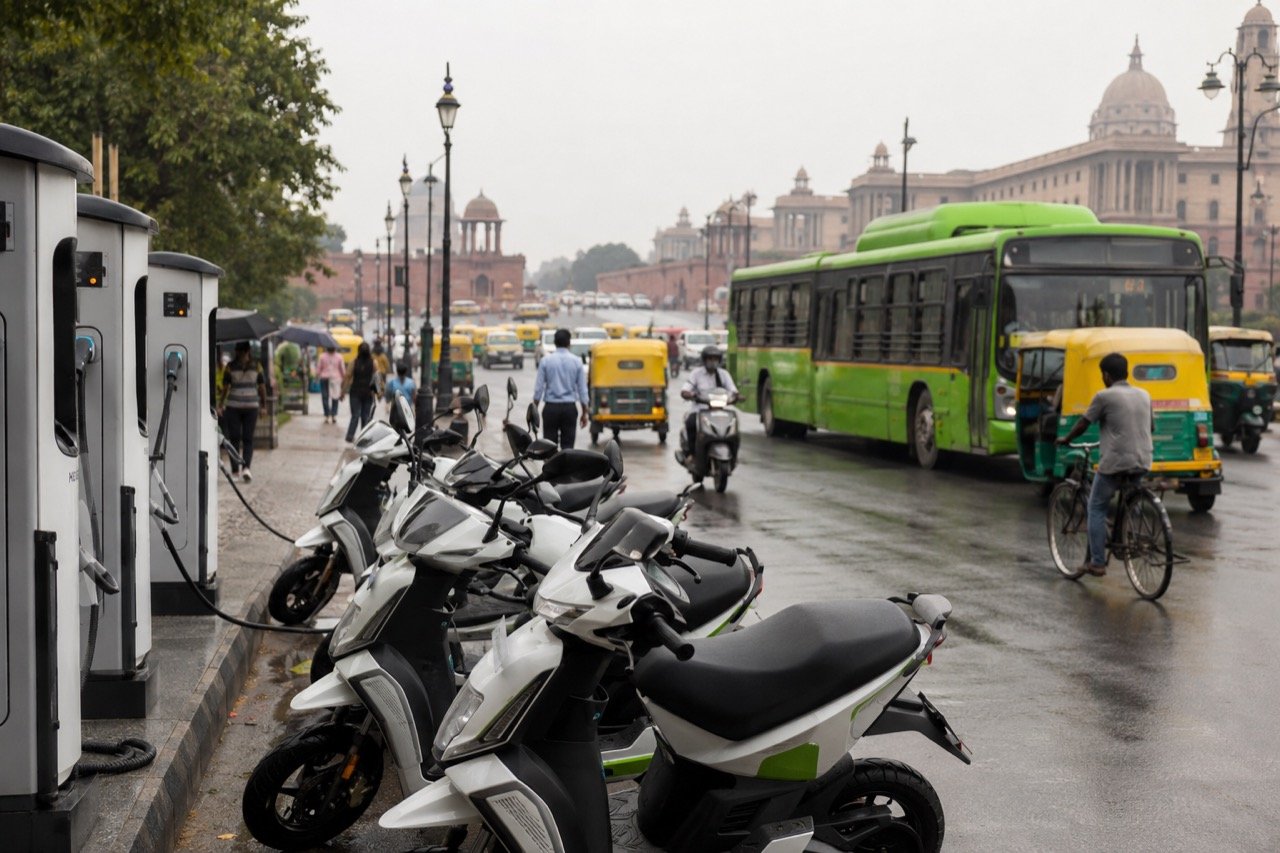
Delhi EV Policy 2.0: Ownership Costs, 2028 Petrol Bike Halt Explained
Chief Minister Rekha Gupta is pitching Delhi's new EV policy as a long-term ownership shift, pairing purchase incentives and charging infrastructure with a contested halt on new petrol two-wheeler registrations from April 2028.

CBSE Three-Language Policy Reaches Supreme Court as Schools, Parents and Teachers Raise Practical Concerns
The Supreme Court is hearing challenges to CBSE's Class 9 three-language policy, balancing multilingual education with concerns over teachers, books, choice and implementation timelines.
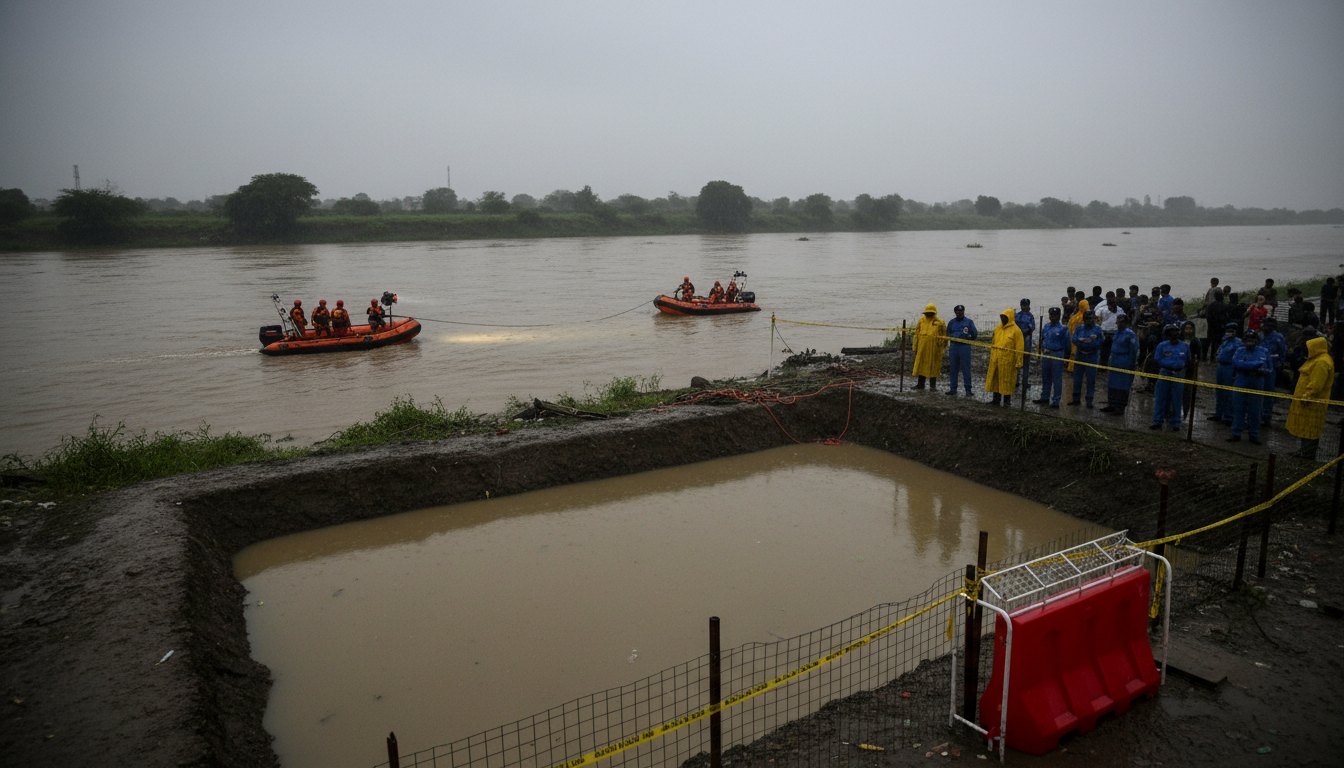
Delhi Monsoon Tragedy: Two Children Drown in Rain-Filled Pit as Search Continues for Four Missing in Yamuna
Separate incidents in Outer North Delhi show how ordinary neighbourhood spaces and riverbanks can turn lethal during the monsoon.
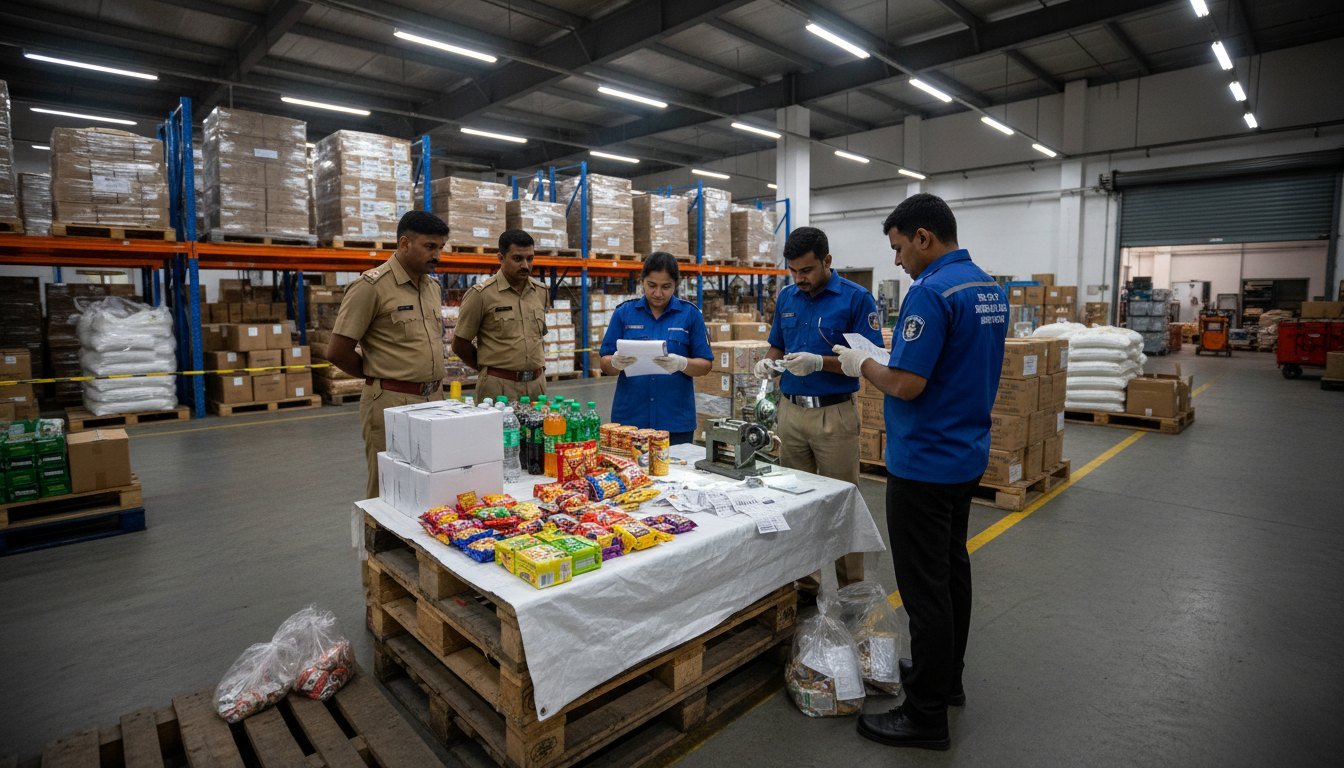
Delhi Expired Food Racket: FSSAI Seizes More Than 40,000 Packs in Okhla Relabelling Raid
The enforcement action exposes how forged dates and repackaging can move unsafe or substandard goods back into the market, and why traceability matters for consumers.
More from this section
More
AICTE Industry Fellowship 2026: Rs 1.5 Lakh Scheme Closes July 5
The AICTE Industry Fellowship Programme 2026, which places technical-education faculty inside leading companies on a Rs 1.5 lakh monthly stipend, reached its application deadline on July 5.
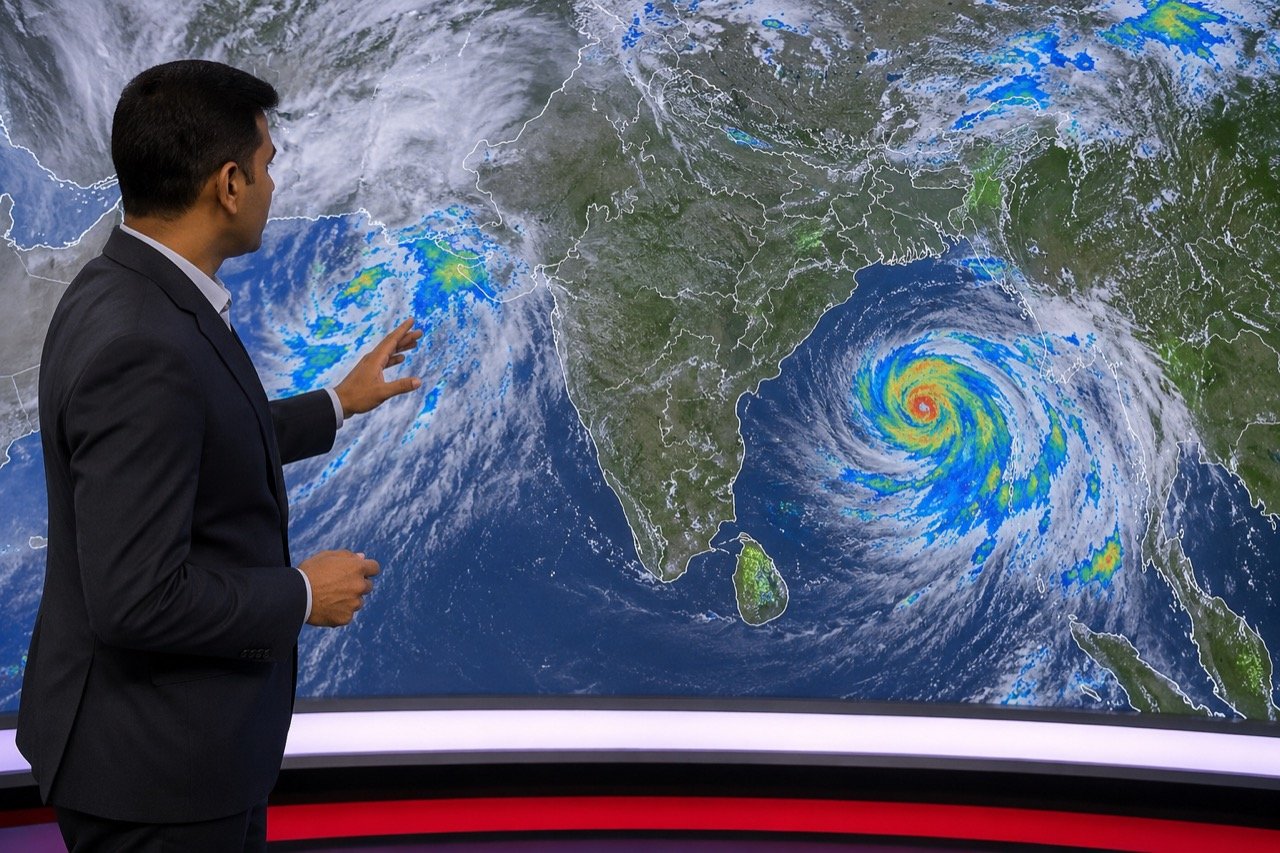
Bay of Bengal Low Pressure System Revives Monsoon Over Western India
A low-pressure system over the Bay of Bengal has pushed the monsoon back into an active phase, bringing steady heavy rain to Kerala, coastal Karnataka and Maharashtra, and putting Mumbai and Pune on preparedness watch.
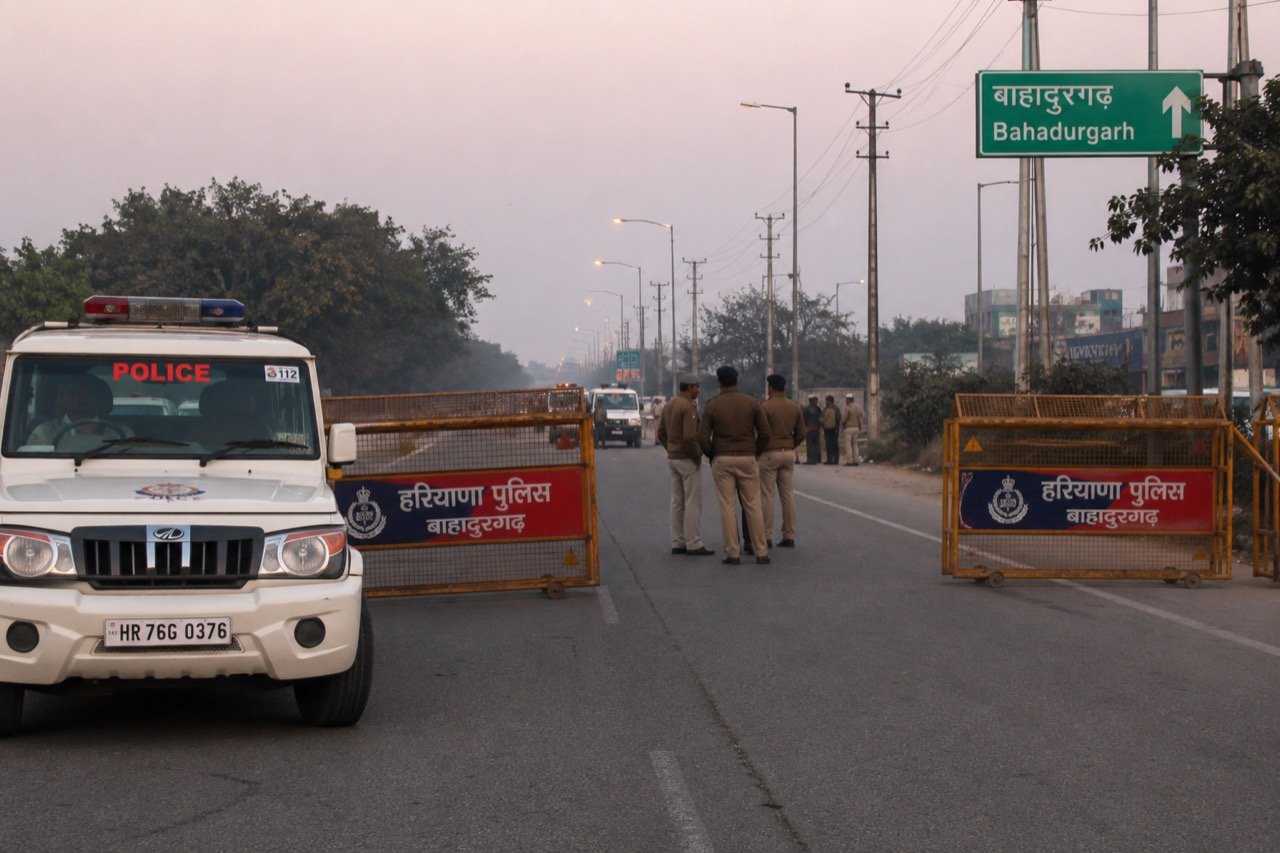
Bishnoi Gang Suspects Injured in Haryana Encounter as Police Tighten Net
A joint Haryana-Delhi Police operation in Bahadurgarh left two suspected Lawrence Bishnoi gang members injured, spotlighting the multi-state coordination now central to India's fight against organised crime networks.