Delhi EV Policy 2.0: Ownership Costs, 2028 Petrol Bike Halt Explained
Chief Minister Rekha Gupta is pitching Delhi's new EV policy as a long-term ownership shift, pairing purchase incentives and charging infrastructure with a contested halt on new petrol two-wheeler registrations from April 2028.
Commentary & Analysis ·
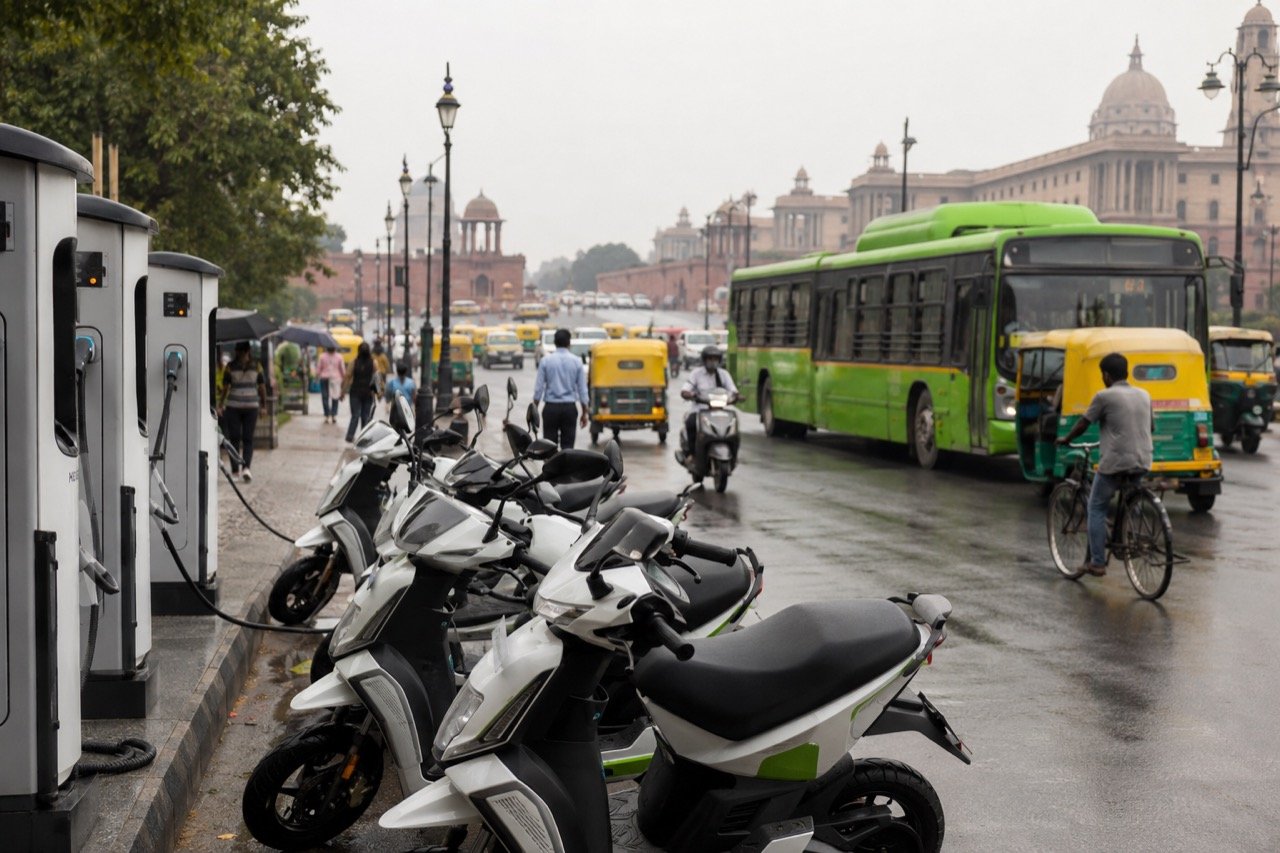
Delhi Chief Minister Rekha Gupta's defence of the capital's new electric vehicle policy has shifted the conversation beyond subsidies to a harder question: what will clean mobility actually cost over the life of a vehicle, and who benefits? The government is framing Delhi EV Policy 2.0 as a long-term ownership transition rather than a one-off incentive announcement, and that framing itself is significant. Indian EV policy debates have tended to fixate on the upfront purchase price and the size of the subsidy cheque. By instead talking about total cost of ownership, the Gupta administration is implicitly conceding that the real barrier to adoption in a market like Delhi is not enthusiasm for electric vehicles but scepticism about whether they hold up, financially and practically, over five or ten years of daily use.
What the policy offers
The framework bundles purchase incentives for EV buyers, road-tax and registration relief for eligible electric cars, support for two- and three-wheelers, scrappage incentives and a major charging-infrastructure push. Taken individually, none of these elements is unprecedented; several states have experimented with similar tools. What distinguishes Delhi EV Policy 2.0 is the attempt to stitch them into a single, coherent lifecycle offer, so that a buyer is not just weighing a discounted sticker price but a package that also addresses what happens to an old vehicle, how a car or scooter will be taxed, and where it will be charged.
Its most debated element is a proposed halt on fresh registration of petrol-powered two-wheelers from April 2028, a measure the government ties directly to Delhi's clean-air goals. This is a materially different kind of intervention from a subsidy. Subsidies nudge; a registration halt compels. By setting a fixed date roughly two years out, the government is signalling that it wants households, dealers and manufacturers to treat electrification of the two-wheeler segment as inevitable rather than optional, and to plan accordingly rather than wait and see.
By attacking ownership costs on multiple fronts at once, the administration hopes EV adoption will feel practical rather than symbolic for buyers still comparing electric options against petrol equivalents. This is a sensible instinct. Two-wheelers in particular are bought overwhelmingly by cost-conscious, first-time or replacement buyers for whom running costs, resale value and financing terms matter more than any environmental argument. A policy that speaks to that audience in the language of monthly outgoings, rather than in the language of climate targets, stands a better chance of shifting real purchasing behaviour.
Why implementation is the real test
Incentives only work when buyers understand them, dealers process them smoothly and charging networks grow ahead of demand rather than lagging behind it. A subsidy portal and fixed disbursal timelines can help create the appearance of order, but public trust will ultimately hinge on something much less glamorous: payments arriving predictably and chargers working reliably in ordinary neighbourhoods, not just in policy presentations and inauguration photographs. Delhi residents have long memories of infrastructure promises that looked impressive on paper but frayed at the point of daily use, and an EV policy will be judged by the same unforgiving standard.
Consumers still weigh battery warranties, resale value, financing terms, repair availability and the perennial problem of apartment charging before making the switch. None of these concerns disappears simply because a registration deadline has been announced. A household in a multi-storey apartment complex without dedicated parking or wiring faces a genuinely different calculation than one in an independent house with a driveway, and a policy that does not visibly narrow that gap risks entrenching a two-tier adoption pattern rather than a broad-based one.
There is a further, quieter test buried in the phrase "fixed disbursal timelines." Government subsidy schemes in India have a chequered record on speed of payment, and dealers who are asked to advance discounts to customers upfront, trusting reimbursement later, need confidence that the state will hold up its end reliably. Any friction here does not merely inconvenience a handful of transactions; it undermines the credibility of the entire scheme through word of mouth in a market where reputation travels fast.
What automakers and other states are watching
Automakers and dealers are watching closely for another reason: if Delhi's approach becomes a template for other states, manufacturers may need to accelerate electric portfolios and rework production assumptions for a market where regulatory direction matters as much as consumer preference. This is not a trivial consideration for an industry that plans model cycles, component sourcing and factory tooling years in advance. A firm registration cut-off in the national capital changes the calculus for how quickly a manufacturer needs an electric two-wheeler in a given price band, and how much shelf space petrol models can realistically expect to occupy in the years leading up to 2028.
Analysts have warned that similar mandates elsewhere could reshape two-wheeler and small-vehicle strategy across India. Delhi is not just any market; it is a large, visible, politically influential one, and policy experiments here are frequently studied, and sometimes copied, by other state governments looking for a workable model on urban air quality. If Delhi EV Policy 2.0 is seen to work, expect similar registration-halt provisions to surface in policy discussions in other metros grappling with their own pollution crises. If it is seen to falter, expect that same debate to be used as a cautionary tale by those resistant to mandates of this kind.
The civic dimension beyond private buyers
There is also a civic dimension that the policy's private-buyer focus can obscure. Pollution reduction cannot rest on private buyers alone; public transport electrification, last-mile services, fleet operators and charging equity across districts will decide whether the policy's environmental promise shows up in Delhi's air. A city's air quality is shaped as much by buses, autos, delivery fleets and shared mobility as by privately owned cars and two-wheelers, and a policy that concentrates its incentives and messaging on individual ownership risks leaving these larger, arguably more consequential, vehicle categories under-addressed.
Charging equity is the phrase doing the most work here. If fast, reliable charging infrastructure clusters around affluent neighbourhoods and commercial hubs while poorer and more peripheral districts are left waiting, the policy's environmental benefits will be unevenly distributed even as its costs, in the form of the 2028 petrol two-wheeler halt, apply uniformly across the city. That asymmetry is precisely the kind of detail that determines whether a policy is remembered as a success or as an object lesson in good intentions poorly executed.
The NE Times View
Delhi EV Policy 2.0 is the right kind of ambition, but its credibility will be earned in the boring details: subsidies that arrive on time, chargers that work in Karol Bagh as reliably as in Lutyens' Delhi, and honest communication about the 2028 petrol two-wheeler deadline so households can plan rather than panic. Ambition alone has never been in short supply in Indian policymaking; what has consistently been scarcer is the unglamorous administrative follow-through that turns an announcement into a lived experience for ordinary residents.
The two-wheeler halt is politically brave and environmentally logical, yet it will punish the aspirational middle class if charging access and affordable electric models do not scale first. A government that sets a hard deadline owes it to its citizens to be equally hard-nosed about the supporting conditions, financing options, charger density, model availability, that make meeting that deadline realistic rather than punitive for the very buyers it is trying to win over.
If the capital sequences this transition well, it becomes the national reference point for clean mobility; if it stumbles on execution, it hands sceptics of climate policy an easy argument for a decade. Given how closely other states are watching, Delhi's success or failure here will likely echo well beyond its own borders, shaping the tone and design of India's next generation of clean-mobility policy.
Key takeaways
- Delhi EV Policy 2.0 bundles purchase incentives, road-tax and registration relief, two- and three-wheeler support, scrappage incentives and charging-infrastructure investment into a single ownership-lifecycle package.
- The policy's most contentious provision is a halt on fresh registrations of petrol-powered two-wheelers from April 2028, tied to Delhi's clean-air objectives.
- Success depends on unglamorous execution: timely subsidy disbursal, reliable neighbourhood-level charging, and clear communication so households can plan around the 2028 deadline.
- Automakers and other state governments are watching closely, since Delhi's approach could become a template that reshapes two-wheeler strategy nationally.
- Genuine air-quality gains will depend on more than private vehicle owners, requiring parallel progress on public transport electrification, fleet operators and equitable charging access across all districts.
You may also like to read
Delhi's EV Policy 2026: Petrol Two-Wheelers Face a 2028 Deadline
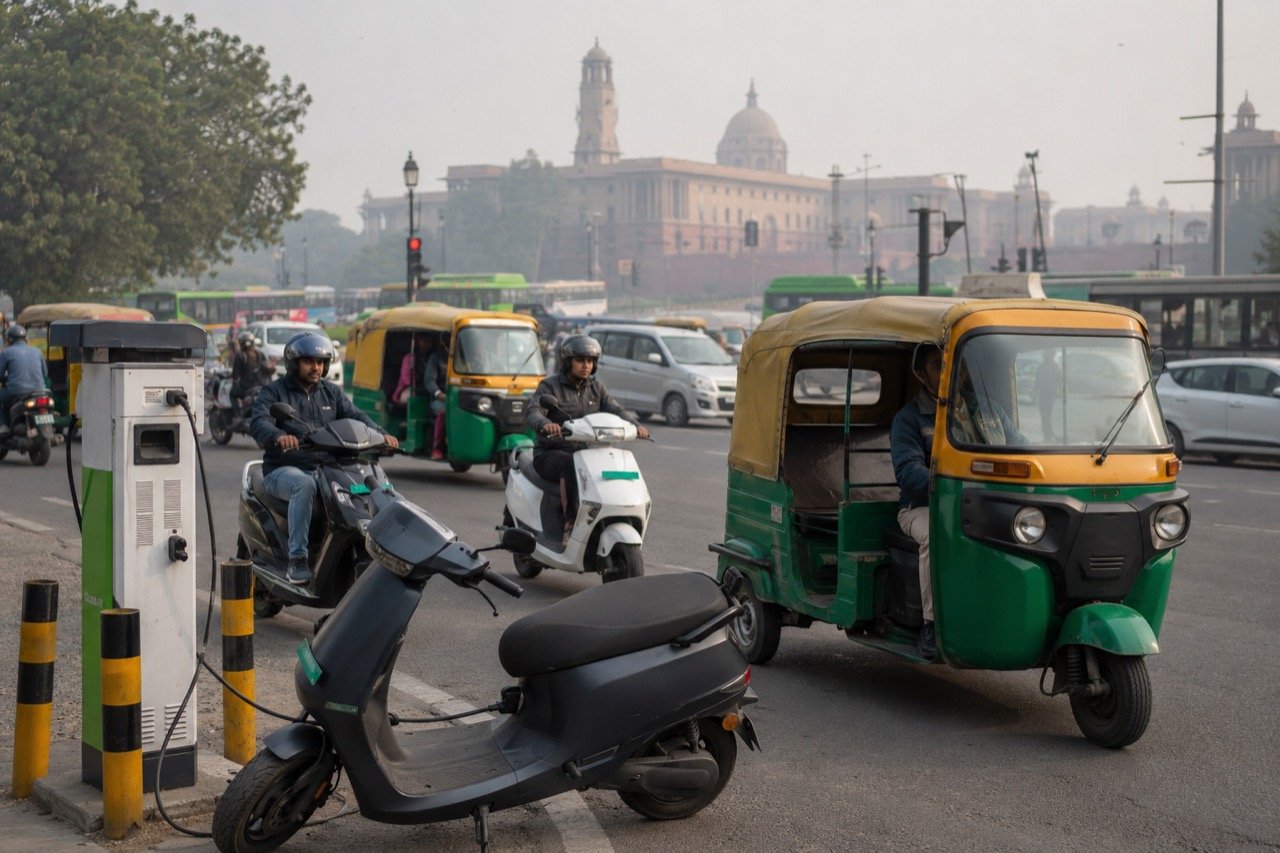
Delhi's updated electric vehicle policy targets an end to new petrol two-wheeler registrations from 2028 and at least 30 percent fleet electrification by 2030, turning the capital's commute into a national clean-mobility test case.
Rekha Gupta Interview Puts Delhi EV Incentives and Civic Services in Focus
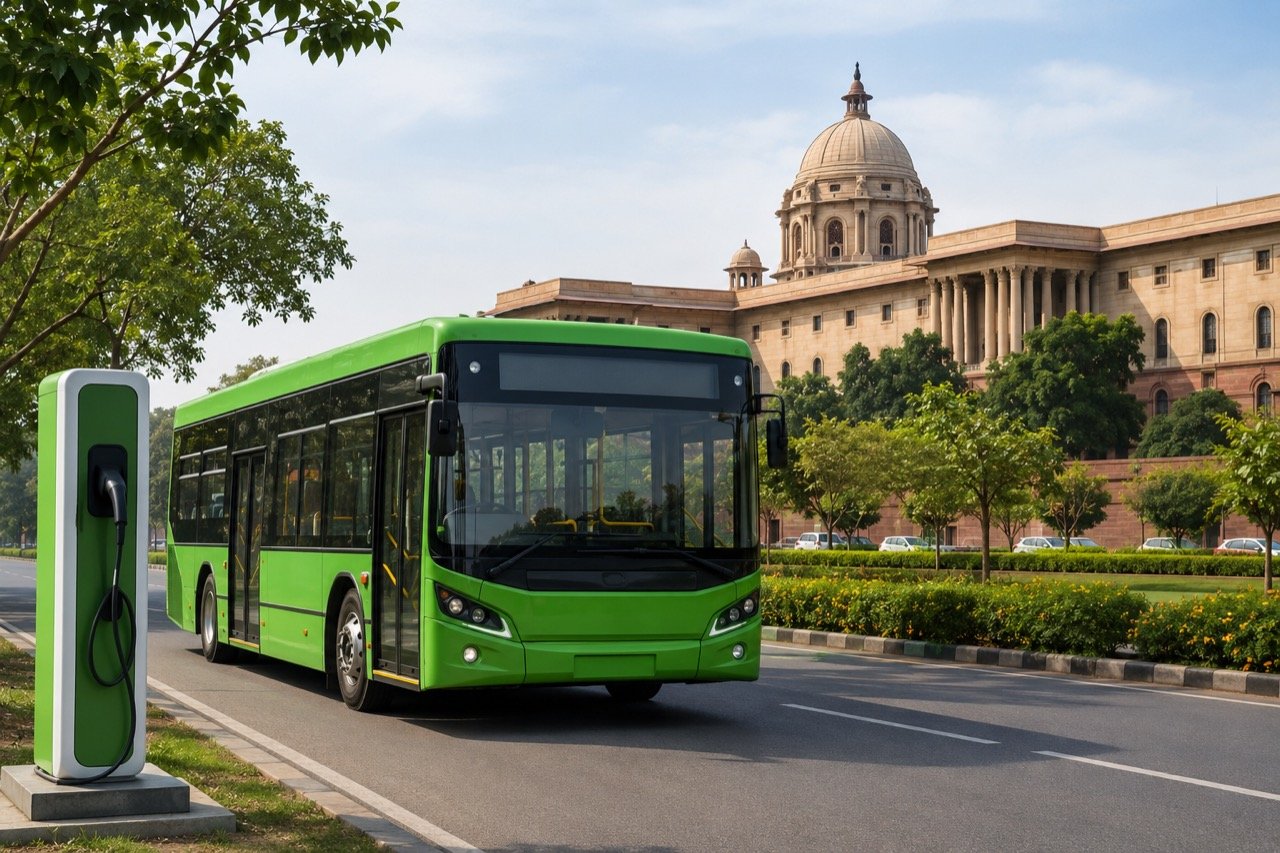
Delhi Chief Minister Rekha Gupta's interview with The Indian Express places electric-vehicle incentives and urban-service delivery at the heart of the capital's policy debate, framing how the government wants Delhi's next phase to look.
PUCC 3.0: Why Newer BS-VI Cars May Get Easier Pollution Checks While Older Vehicles Face Tighter Rules
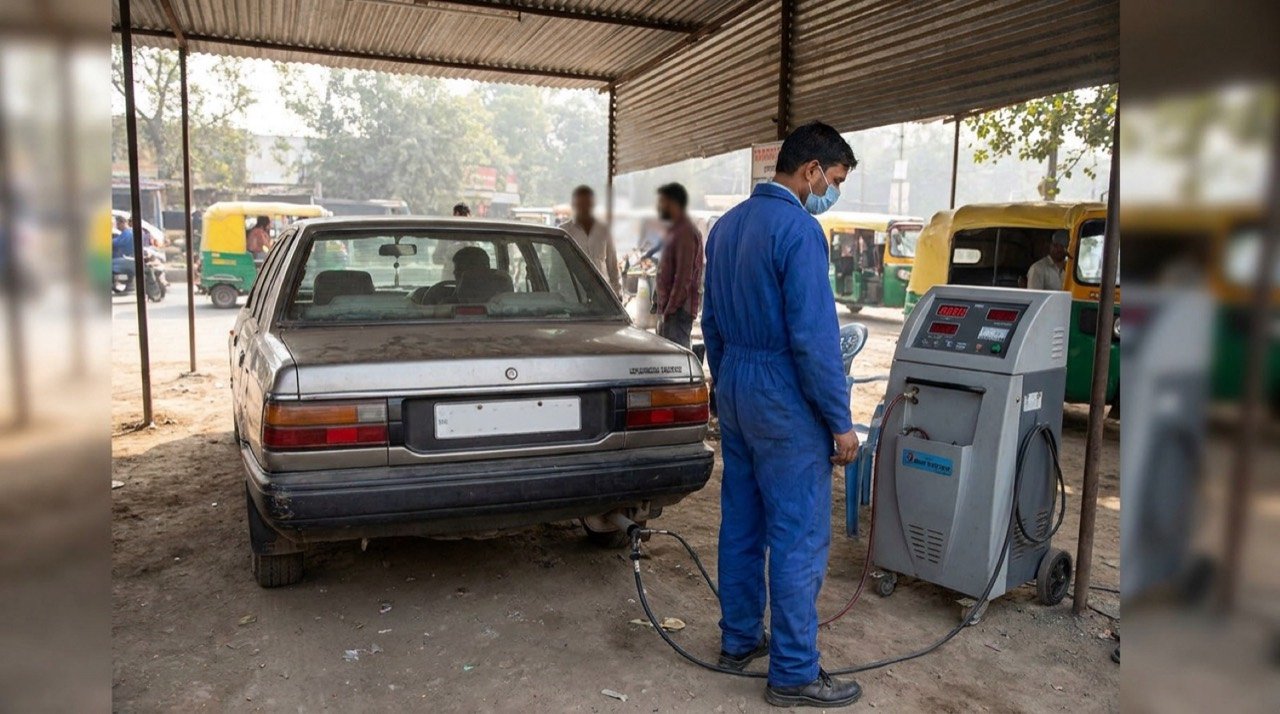
India's proposed PUCC 3.0 framework could extend pollution certificate validity to three years for newer BS-VI cars while subjecting older and dirtier vehicles to far more frequent emission checks.

CBSE Three-Language Policy Reaches Supreme Court as Schools, Parents and Teachers Raise Practical Concerns
The Supreme Court is hearing challenges to CBSE's Class 9 three-language policy, balancing multilingual education with concerns over teachers, books, choice and implementation timelines.
More from this section
More
AICTE Industry Fellowship 2026: Rs 1.5 Lakh Scheme Closes July 5
The AICTE Industry Fellowship Programme 2026, which places technical-education faculty inside leading companies on a Rs 1.5 lakh monthly stipend, reached its application deadline on July 5.
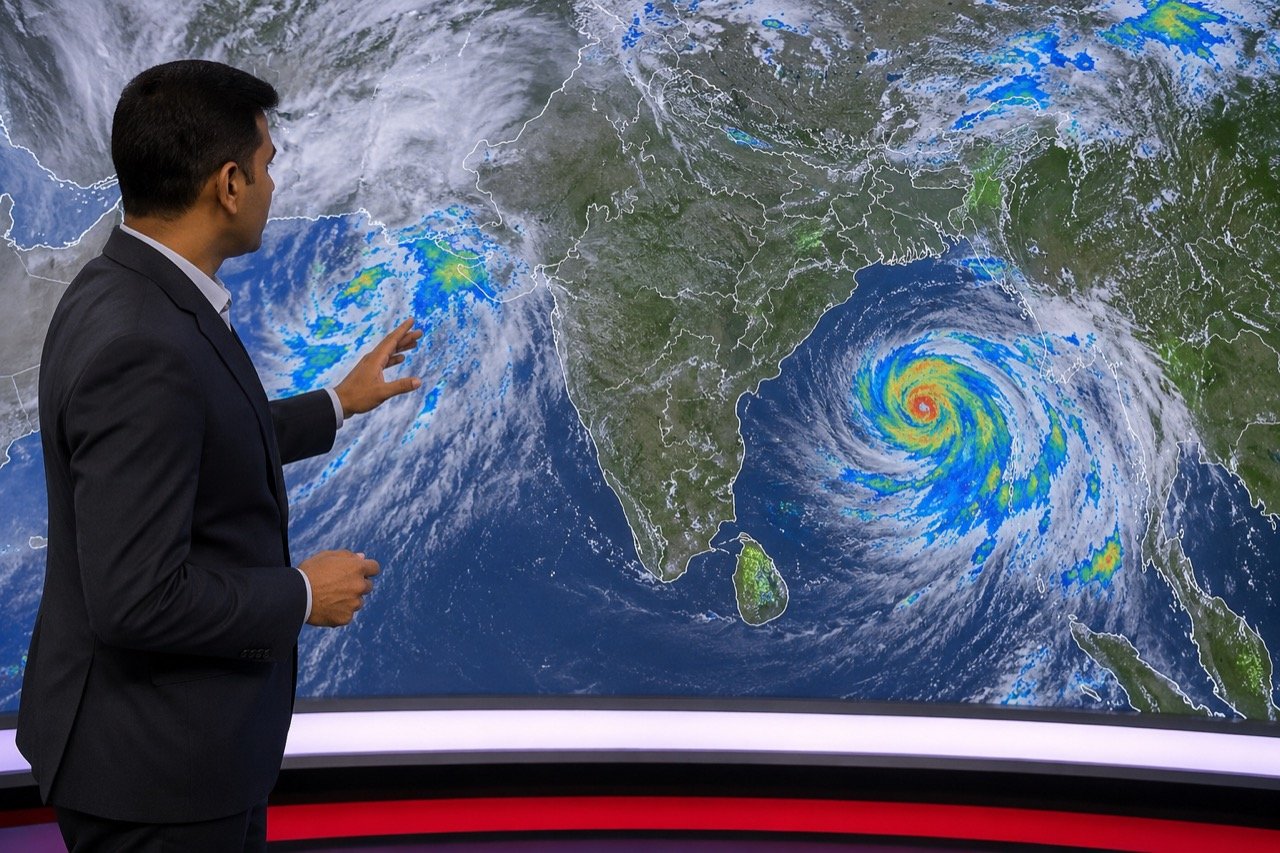
Bay of Bengal Low Pressure System Revives Monsoon Over Western India
A low-pressure system over the Bay of Bengal has pushed the monsoon back into an active phase, bringing steady heavy rain to Kerala, coastal Karnataka and Maharashtra, and putting Mumbai and Pune on preparedness watch.
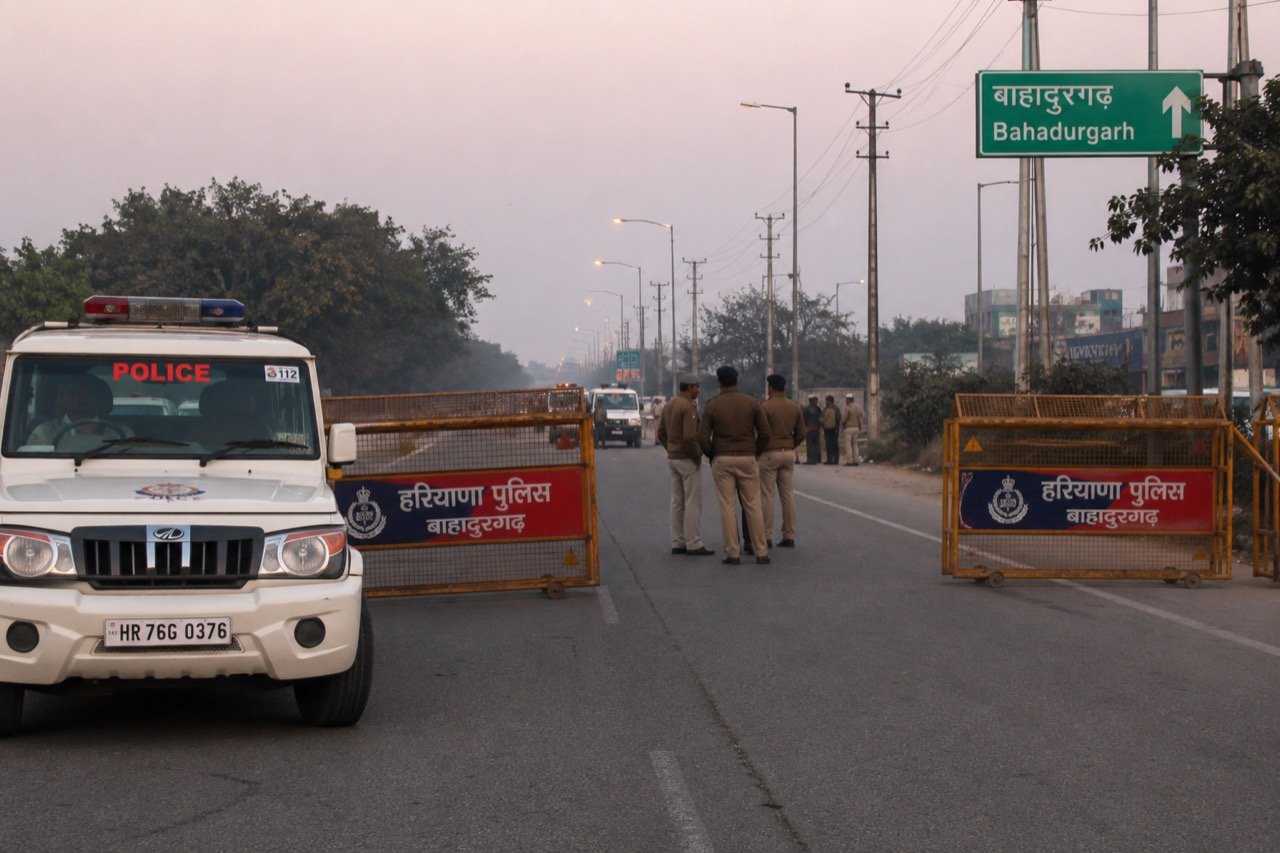
Bishnoi Gang Suspects Injured in Haryana Encounter as Police Tighten Net
A joint Haryana-Delhi Police operation in Bahadurgarh left two suspected Lawrence Bishnoi gang members injured, spotlighting the multi-state coordination now central to India's fight against organised crime networks.